Quick Takeaways for Filmmakers and Cinephiles
- Festivals act as the primary "market" where non-fiction films get bought by streaming services and networks.
- Specialized festivals provide a level of curation and critical feedback that general film festivals often overlook.
- The non-fiction circuit is divided between 'A-list' prestige events and highly focused, niche-topic festivals.
- Success at a festival isn't just about winning an award; it is about securing a distribution deal.
The Strategic Role of Non-Fiction Circuit
Most people think of a film festival as a red carpet and a few trophies. For a documentary filmmaker, it is a survival mechanism. Non-fiction cinema doesn't follow the same financial model as a blockbuster. There are no one-million-dollar marketing budgets. Instead, a film relies on a "festival run" to build prestige. When a film premieres at a high-profile event, it gains a stamp of approval that tells distributors like Netflix or PBS that the project is worth investing in.
Consider the impact of Sundance Film Festival. It isn't just a place to watch movies; it is a hub where independent filmmakers meet buyers. If a documentary gets a "hot' reception at Sundance, its value skyrockets overnight. This creates a ripple effect: the film moves from a prestigious premiere to smaller, specialized festivals, building a layer of critical acclaim that eventually forces a wider release.
The Hierarchy of Documentary Platforms
Not all festivals serve the same purpose. To understand how these platforms work, you have to look at them as a tiered system. On one end, you have the global giants. These are the ones that bring the most press and the biggest checks. On the other end, you have the thematic festivals-events focused entirely on human rights, environmentalism, or investigative journalism.
Thematic festivals are often more valuable for the filmmaker's soul. While a giant festival provides visibility, a specialized event like IDFA (International Documentary Film Festival Amsterdam) focuses specifically on the craft of the non-fiction medium. Here, the audience isn't looking for a celebrity sighting; they are looking for innovative ways to tell a true story. This is where a filmmaker gets the kind of technical feedback that actually improves their next project.
| Festival Type | Primary Goal | Key Audience | Impact on Distribution |
|---|---|---|---|
| A-List (e.g., Sundance, Berlin) | Prestige & High-Value Sales | Global Press & Major Buyers | Very High - Often triggers a bidding war |
| Industry-Specific (e.g., IDFA, Hot Docs) | Craft Validation & Niche Networking | Professional Documentarians | High - Attracts specialized distributors |
| Thematic (e.g., Human Rights focused) | Social Impact & Advocacy | Activists & Target Demographics | Medium - Builds a dedicated grassroots base |
Beyond the Screen: The "Market" Side of Festivals
If you walk through the halls of a major non-fiction festival, you will notice that the most important conversations aren't happening in the theater-they are happening in the lounges and cafes. This is the Film Market aspect of the event. For a documentary, the goal is often to find a "sales agent." A sales agent is a professional who knows exactly which streaming platform or television network is looking for a specific type of story.
For example, if you have a high-stakes political thriller shot in Eastern Europe, a sales agent will know if HBO or Amazon Prime is currently looking for geopolitical content. Without this intermediary, a filmmaker is just shouting into a void. The festival provides the physical space where these high-stakes negotiations happen over coffee and handshakes.

The Impact of Digital Shift on Non-Fiction Cinema
The rise of streaming has fundamentally changed the game. A decade ago, a documentary's dream was a limited theatrical release and a slot on a public broadcast channel. Now, the goal is often a "global acquisition." Streaming giants have an insatiable appetite for high-quality non-fiction because it is cheaper to produce than scripted drama and often generates massive organic engagement via social media.
However, this has created a double-edged sword. While more films are being bought, the "middle class" of documentary filmmaking is disappearing. We see a few massive hits and a lot of tiny, independent projects, with very little in between. Specialized festivals are now fighting to keep the "art-doc" alive-films that don't necessarily have a "hook' for a mass audience but offer profound insights into the human condition.
How to Navigate the Submission Process
For those trying to break into this world, the submission process can feel like a lottery. You upload your film to a platform like FilmFreeway, pay a fee, and wait. But the pros don't just spray and pray. They target their submissions based on the festival's identity. If your film is a slow-burn meditation on nature, you don't start with a fast-paced urban festival.
- Research the Programming History: Look at what the festival has accepted over the last three years. Do they like archival-heavy films or cinema verité?
- Leverage "Premiere Status": This is the most critical rule. Many top-tier festivals require a "World Premiere." If you screen your film at a small local event first, you might disqualify yourself from the big leagues.
- Prepare a Press Kit: A great film with a bad description doesn't get picked. You need a tight synopsis, high-resolution stills, and a clear statement on why this film matters now.
- Network Before the Event: Don't wait until you are at the festival to meet people. Engage with programmers and other filmmakers online and through industry guilds.
Pitfalls to Avoid for New Filmmakers
One of the biggest mistakes new directors make is chasing every single festival. Submitting to 50 different events is a waste of money and energy. It is far better to have three high-quality screenings at festivals that actually align with your film's goals than twenty screenings at "vanity festivals"-events that accept every film just to collect submission fees.
Another common trap is ignoring the audience. Non-fiction cinema is a conversation. If you treat your festival appearance as just a way to get a trophy, you miss the most valuable part: the Q&A. Listening to how a real audience reacts to a specific scene can tell you more about your editing than any professional consultant ever could. It's where you realize that the scene you love is actually confusing the viewers, or that a small, forgotten moment is the emotional heart of the movie.
The Future of the Non-Fiction Experience
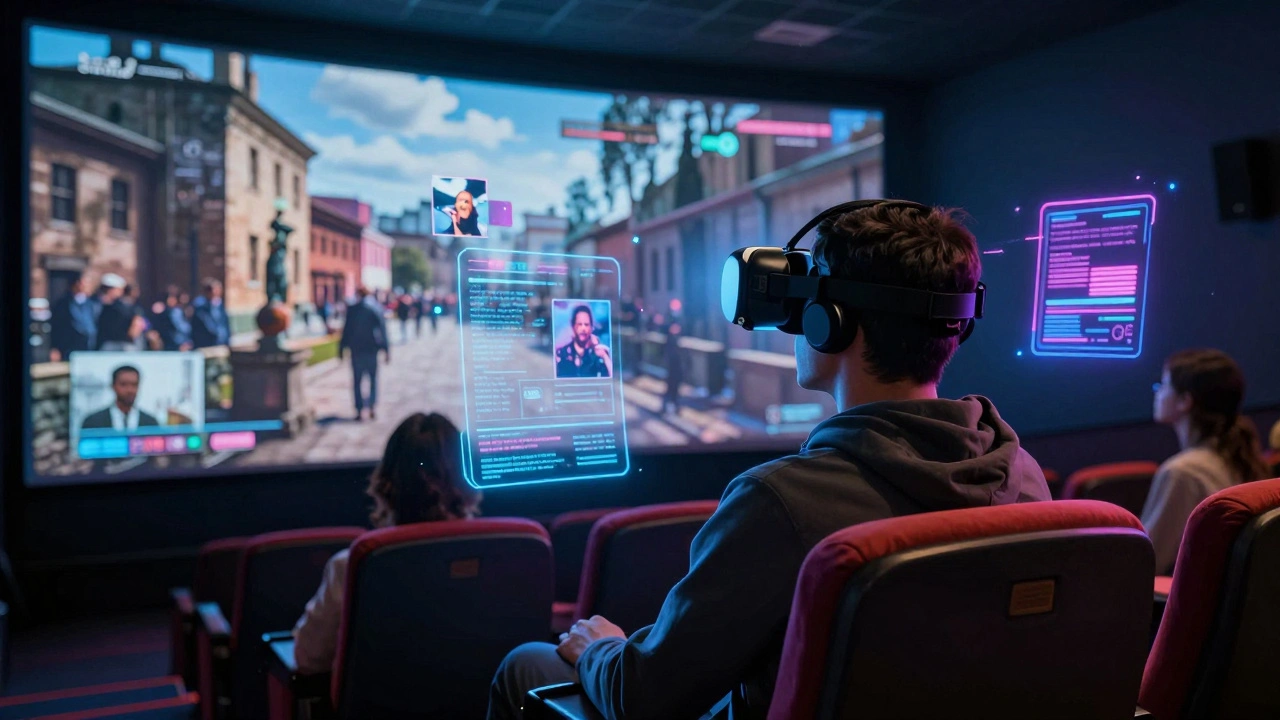
We are seeing a shift toward Immersive Storytelling. Many documentary festivals are now incorporating VR (Virtual Reality) and AR (Augmented Reality) sections. This isn't just a gimmick; it is a new way to experience non-fiction. Being able to "stand" in a refugee camp or walk through a historical reconstruction changes the empathy gap in a way that a flat screen cannot.
As these technologies mature, the definition of a "documentary" is expanding. We are moving away from the "voice-of-god" narration style toward a more experiential form of cinema. Festivals are the laboratories where these experiments happen. By the time a new storytelling technique reaches a streaming service, it has usually been refined through a series of festival screenings and audience tests.
What is the difference between a film festival and a film market?
A film festival is primarily a public-facing event focused on screening movies, celebrating art, and engaging audiences. A film market, which often happens simultaneously at major festivals (like the European Film Market at the Berlinale), is a business-to-business event where producers, sales agents, and distributors negotiate the buying and selling of distribution rights.
Why is 'Premiere Status' so important for documentaries?
Top-tier festivals want to be the first to showcase a new work to the world. This exclusivity creates a "event" feel that attracts press and high-level buyers. If a film has already been screened publicly elsewhere, it loses its prestige value, and many A-list festivals will reject it regardless of the quality.
How can an independent filmmaker afford the festival circuit?
Many filmmakers use crowdfunding or grants specifically for "festival delivery." This includes the cost of DCP (Digital Cinema Package) creation and submission fees. Additionally, some festivals provide travel grants or waivers for filmmakers from underrepresented regions or those with limited funding.
Do documentaries really need festivals to be successful?
While some films find success through direct-to-digital releases or social media virality, the festival circuit remains the most reliable path to professional distribution and critical legitimacy. Festivals act as a filter that tells the industry which films are high-quality, which significantly increases the chance of a paid acquisition deal.
What should I look for when choosing a festival to submit to?
Look for a match in "curatorial DNA." Check their past winners and the types of stories they champion. If they focus on social justice and your film is a personal family memoir, you might find a better fit at a festival that prioritizes artistic experimentation or intimate storytelling.


Comments(5)