Archive: 2026/02 - Page 3

Joel Chanca - 22 Feb, 2026

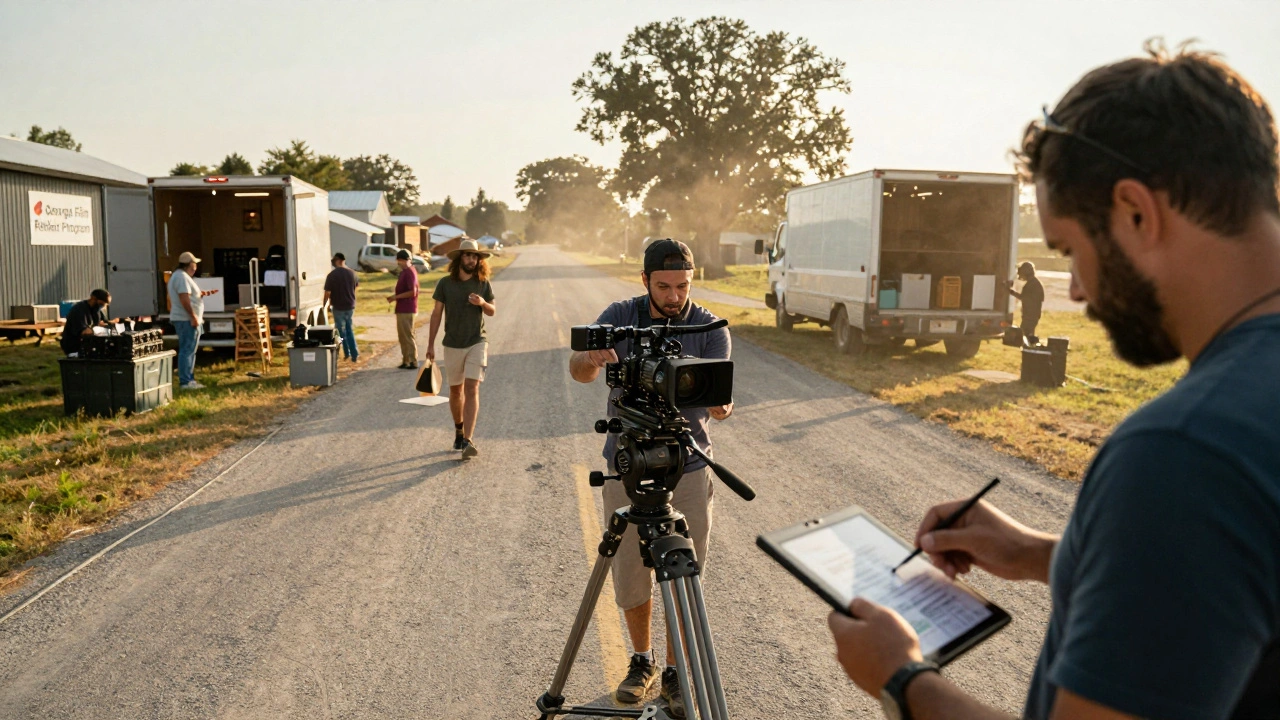
Soft Money and Film Incentives: How Rebates and Tax Credits Actually Work for Filmmakers

Soft money in film means tax rebates and credits that help filmmakers cut costs by spending locally. Learn how Georgia, Louisiana, and other states offer millions in incentives-and how to actually get them.

Joel Chanca - 22 Feb, 2026

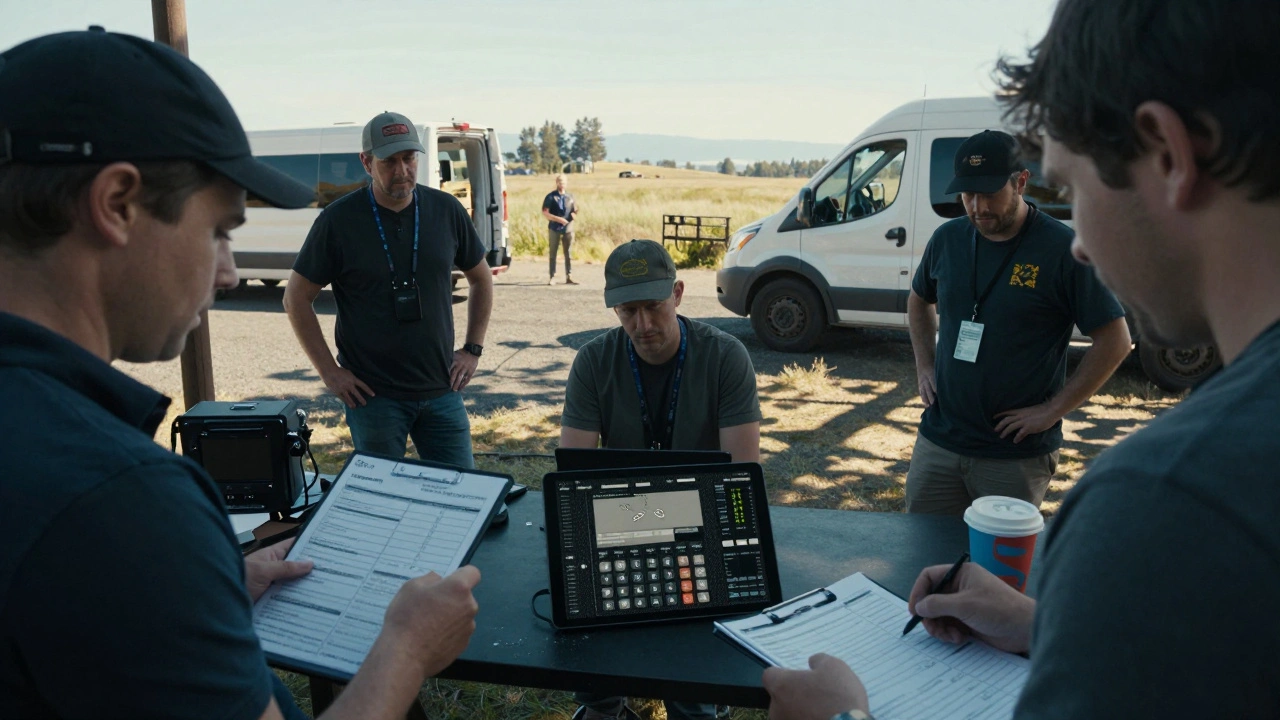
Carbon Calculators for Film Shoots: How to Measure and Reduce Production Impact

Carbon calculators for film shoots help producers measure and reduce emissions from travel, power, and equipment. From indie films to blockbusters, tracking emissions is now a standard practice - and it's changing how movies are made.

Joel Chanca - 22 Feb, 2026

Retrospective Criticism: How Films Are Reappraised Over Time

Films once dismissed or misunderstood often gain new meaning years later as culture evolves. Time doesn’t change movies-it changes how we see them. From Blade Runner to Groundhog Day, reappraisal reveals truths we weren’t ready to face.

Joel Chanca - 22 Feb, 2026

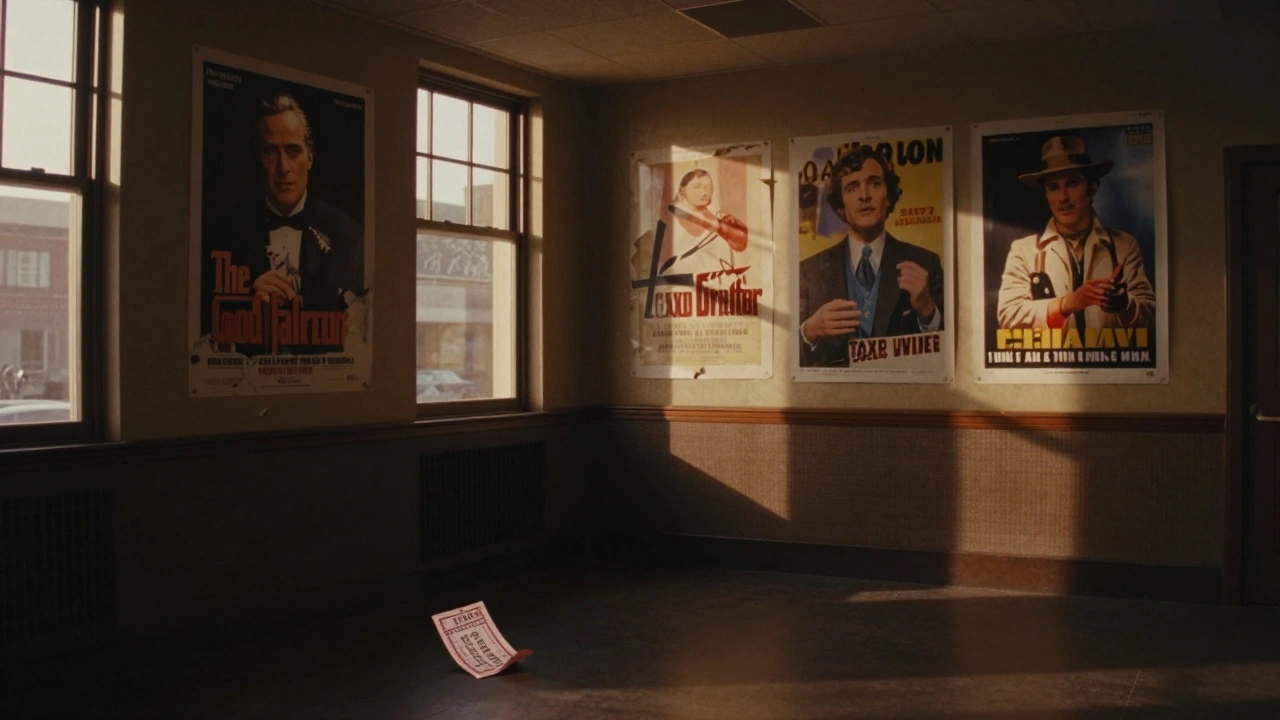
1970s Cinema: Why This Decade Produced the Greatest Films Ever Made

The 1970s gave us some of cinema’s most powerful films-raw, risky, and unforgettable. Directors like Coppola and Scorsese broke rules and redefined storytelling. These weren’t just movies-they were cultural turning points.

Joel Chanca - 21 Feb, 2026

LED Walls and In-Camera VFX: How Virtual Production Is Changing Film Making

LED walls and in-camera VFX are transforming film production by allowing filmmakers to capture realistic virtual environments live on set. This technology replaces green screens with real-time rendering, improving lighting, performances, and efficiency.

Joel Chanca - 21 Feb, 2026

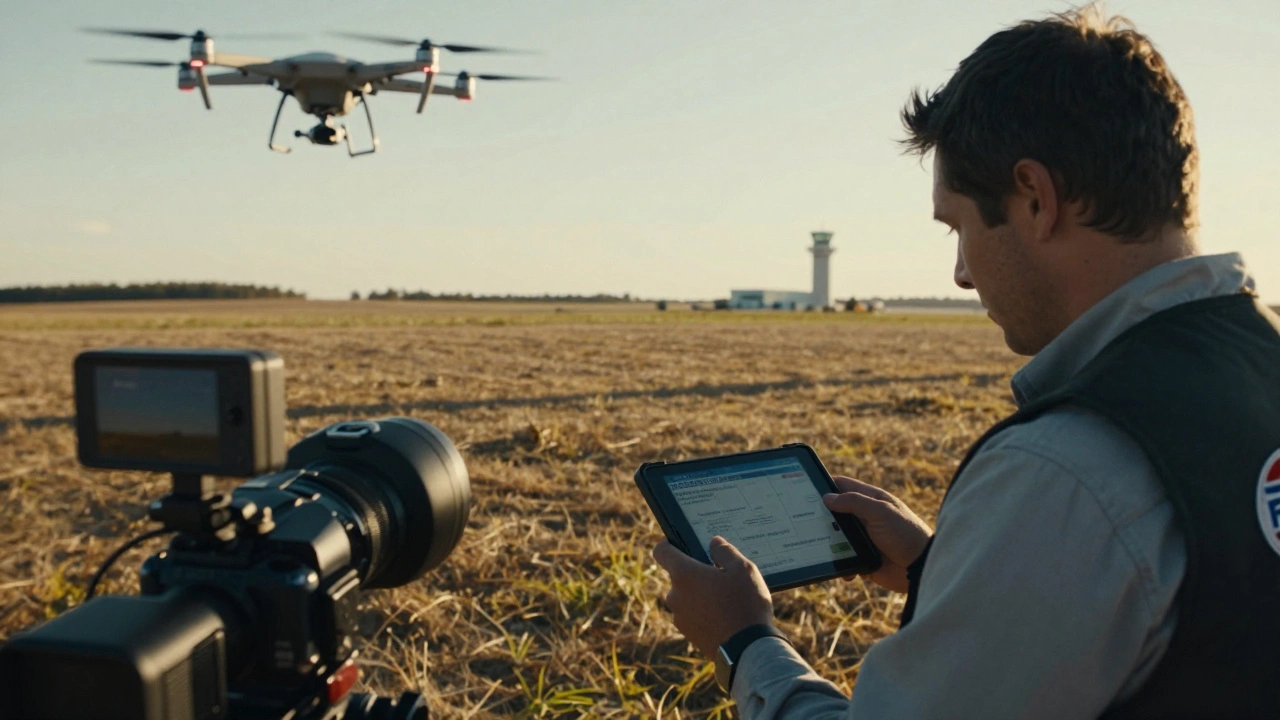
Drone Filming Regulations: Legal Aerial Cinematography for Films

Learn the legal requirements for drone filming in U.S. film production, including FAA rules, waivers, insurance, and local restrictions. Avoid fines and shutdowns with clear, up-to-date guidelines for aerial cinematography.

Joel Chanca - 21 Feb, 2026

Financial Viability of Independent Films: How Small Budgets Can Turn Profitable

Independent films can be profitable even on tiny budgets. Learn how smart distribution, direct sales, and audience building turn $50,000 projects into long-term income streams - without studios or festivals.

Joel Chanca - 21 Feb, 2026

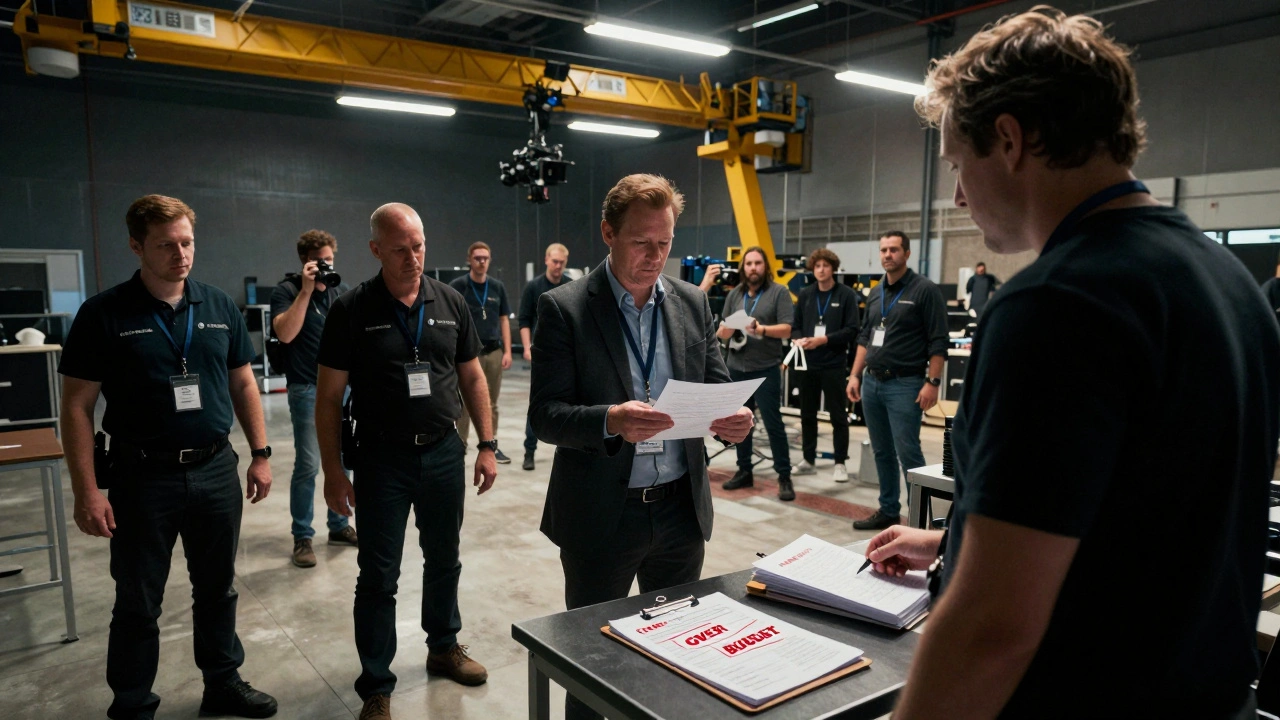
Completion Bonds: How Film Producers Insure Delivery to Financiers

Completion bonds are financial guarantees that ensure films are delivered on time and on budget. They protect investors by stepping in when productions fail, taking control to finish the movie-even if it means replacing directors or cutting scenes. Without one, most films can't secure funding.

Joel Chanca - 21 Feb, 2026

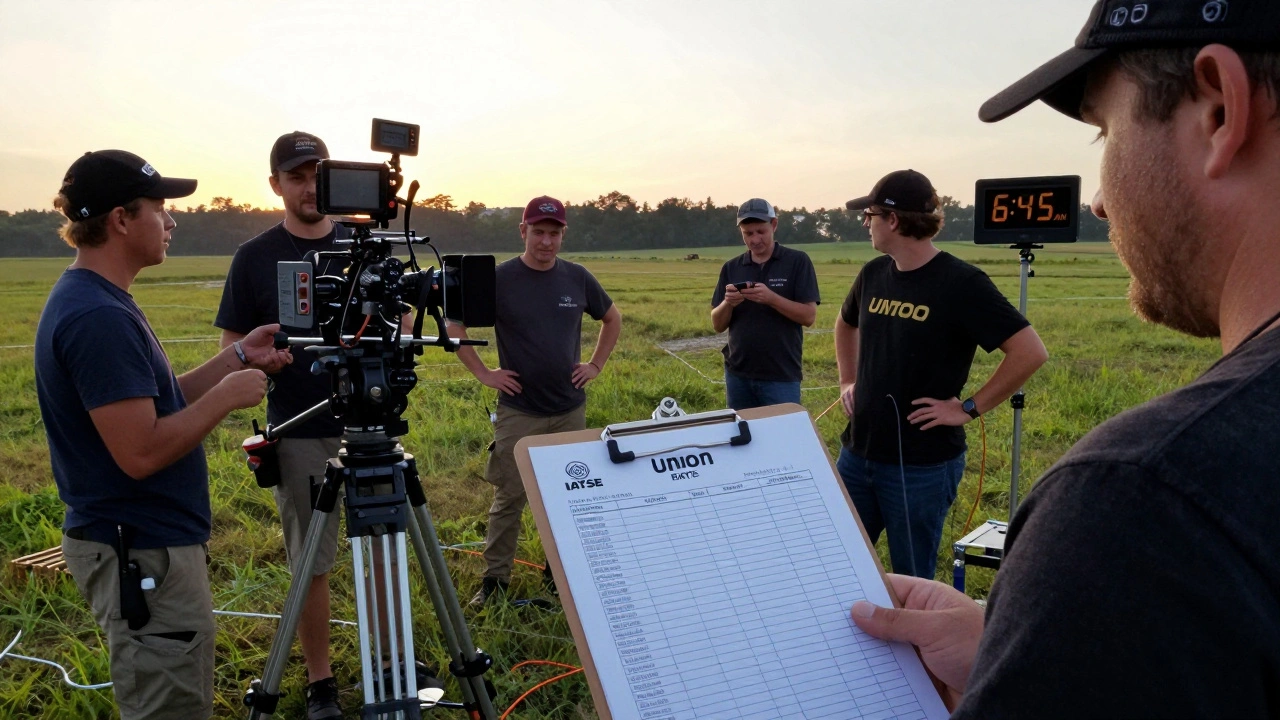
Union Rate Cards and Labor Costs in Film Production

Union rate cards set the legal minimum pay for film crew members. Understanding these rates is essential to avoid costly mistakes, legal trouble, and production delays. This guide breaks down how labor costs work in film production today.

Joel Chanca - 20 Feb, 2026

Virtual Production Case Studies: Films Pioneering New Techniques

Virtual production is transforming filmmaking by replacing green screens with real-time LED environments. Films like The Mandalorian, Avatar: The Way of Water, and The Batman pioneered this tech, cutting post-production time and enhancing actor performances.

Joel Chanca - 20 Feb, 2026

Adaptation from Source Material: How to Translate Books into Screenplays

Translating a book into a screenplay requires more than cutting text-it demands rebuilding the story for film. Learn how to identify the core emotional truth, replace internal monologue with visual storytelling, and structure your script for impact.

Joel Chanca - 20 Feb, 2026

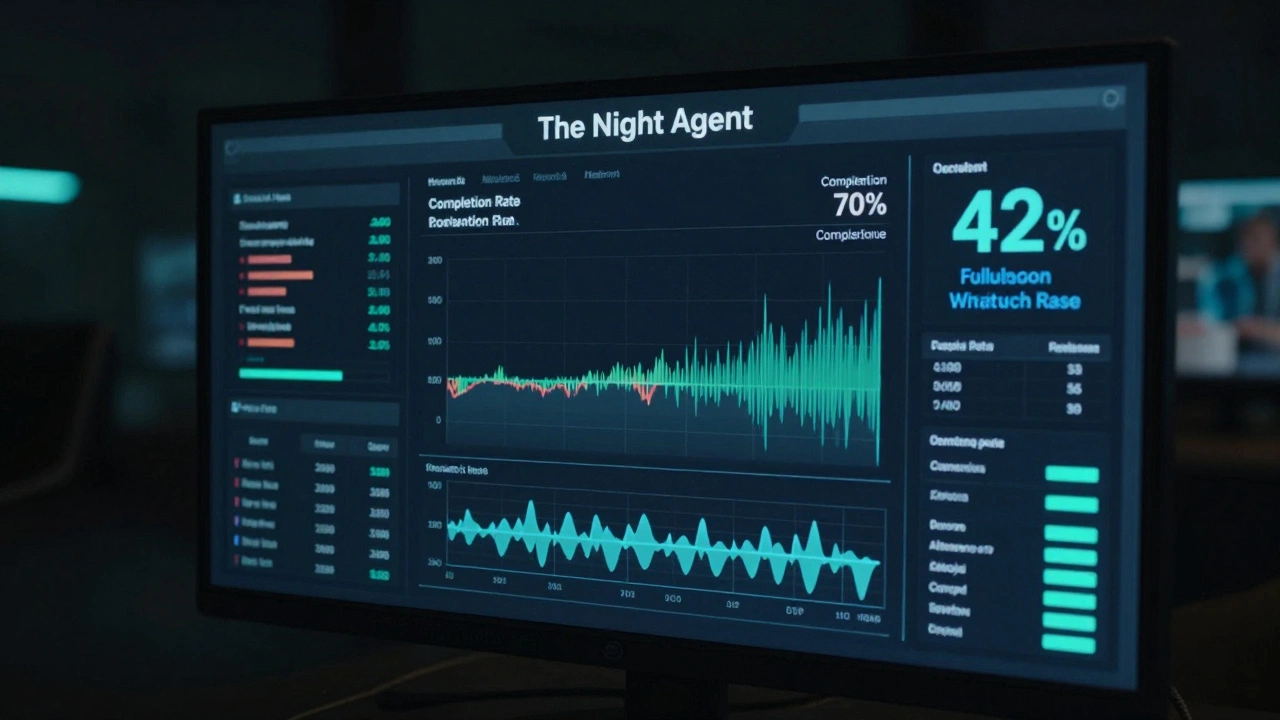
Post-Launch Analytics: Measuring Film Success on Streaming Platforms

Measuring film success on streaming platforms isn't about view counts-it's about completion rates, replay behavior, and audience retention. Learn the real metrics that determine whether a film becomes a hit or vanishes.