2025 Film Archive: Festival Trends, Queer Cinema, and Streaming Shifts
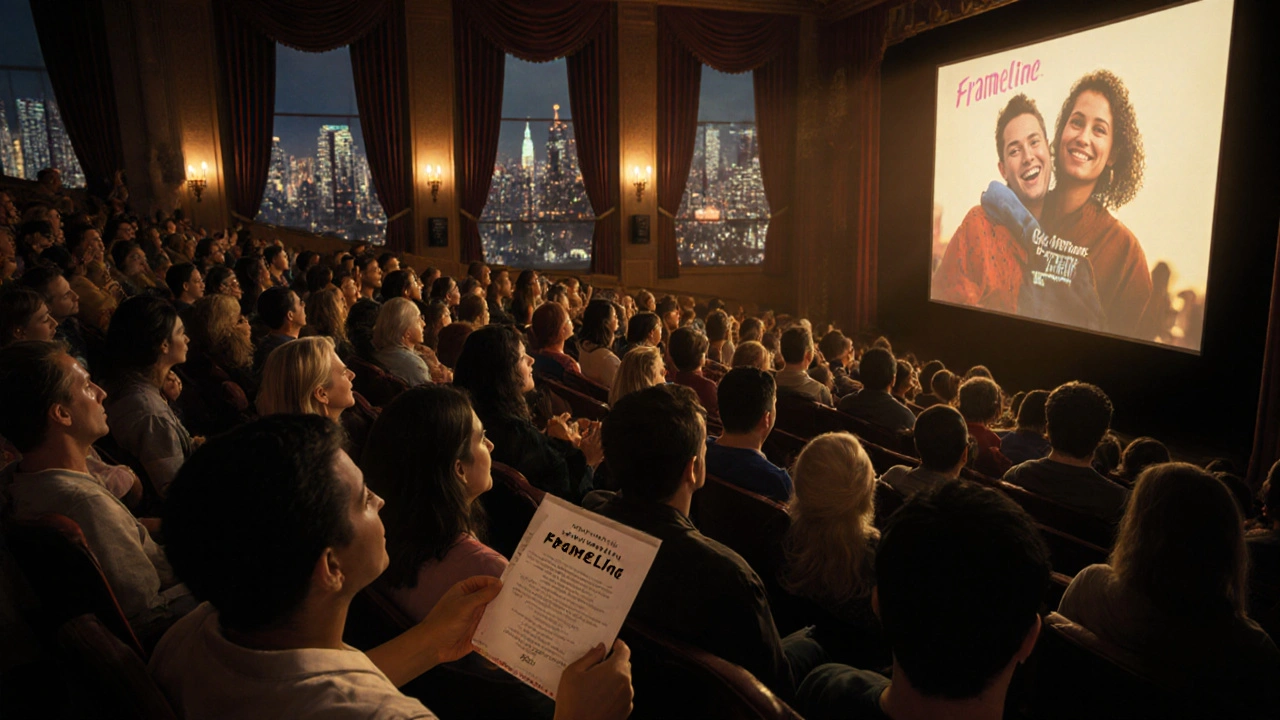
When you look at what happened in film festival programming, the curated selection of films shown at major and niche festivals that reflect cultural priorities and industry shifts. Also known as cinematic curation, it in October 2025, you see a clear break from the past. Curators stopped chasing big-budget studio films and started picking raw, low-budget stories from voices that have been ignored for decades. Short films, climate-themed narratives, and hybrid formats didn’t just appear—they dominated. This wasn’t a trend. It was a reckoning. And it didn’t happen in a vacuum. It was tied to how audiences now demand authenticity over polish, and how festivals became the last real testing ground for films that studios won’t touch.
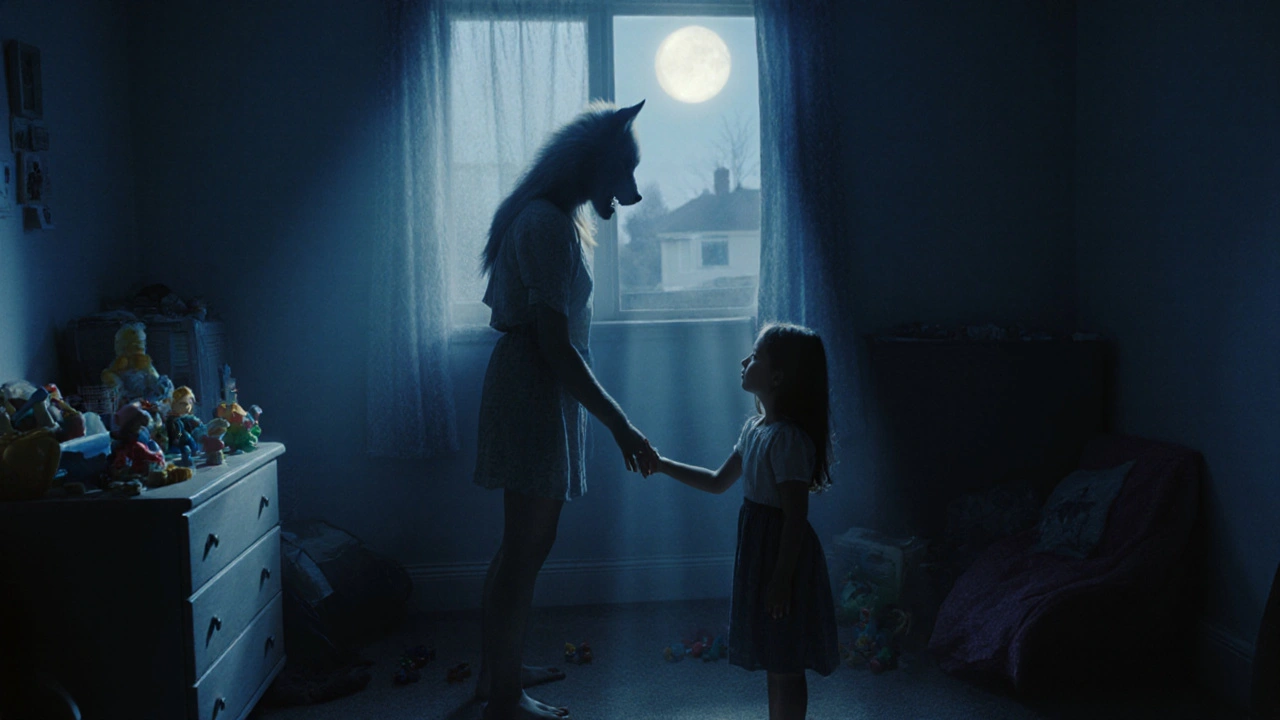
That same energy flowed into LGBTQ+ cinema, films made by, for, and about LGBTQ+ people that challenge stereotypes and expand storytelling beyond trauma narratives. Also known as queer film, it wasn’t just being shown—it was being redefined. Queer horror films turned fear into empowerment. Film clubs sprung up in living rooms and community centers, building spaces where people could watch, talk, and feel seen. Awards like the Teddy and GLAAD didn’t just honor these films—they became platforms for change. And behind the scenes, mentorship programs for women directors, female filmmakers who lead production teams and shape the visual and emotional direction of films. Also known as female film directors, it finally started delivering real access to funding, equipment, and industry gatekeepers. These weren’t feel-good stories. They were measurable shifts.
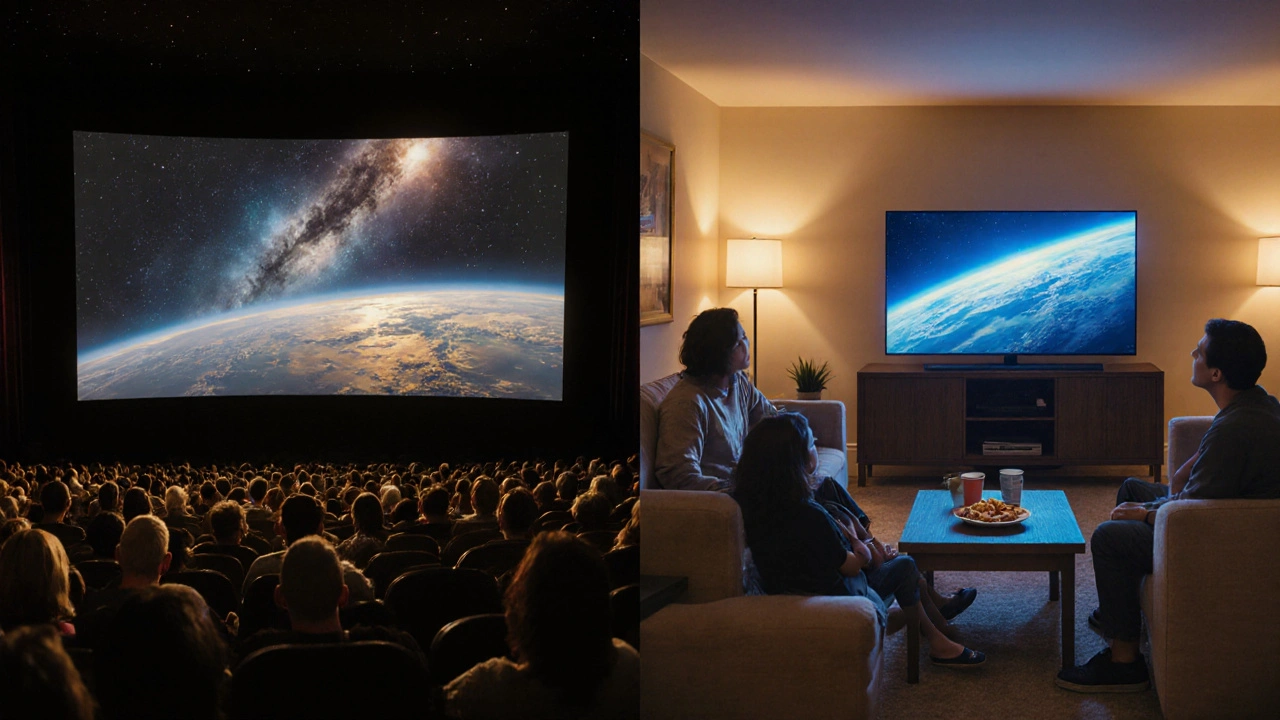
Meanwhile, the business side of film was crumbling and rebuilding at the same time. streaming releases, the strategy of putting films directly on digital platforms instead of waiting for a theatrical run. Also known as direct-to-streaming, it had shrunk the theatrical window to just 30-60 days. Studios stopped pretending everyone wanted to see every movie in a theater. They split their strategy: big action films for theaters, quiet dramas and documentaries for streaming. And that change? It reshaped how box office, the total revenue generated by ticket sales for films in theaters. Also known as theatrical earnings, it worked. Numbers dropped, but profits didn’t always follow. Release dates became even more critical—putting a film out on a crowded Friday or a holiday weekend could make or break its entire run.
What you’ll find in this archive isn’t a list of headlines. It’s a snapshot of a film industry in motion. You’ll read about how prop teams keep hero items safe through dozens of takes, how architecture in films speaks louder than dialogue, and how true crime documentaries are finally moving past sensationalism. You’ll see how books become movies, how animation styles tell different kinds of stories, and why voter demographics still control who wins awards. This isn’t about what’s trending. It’s about what’s changing—and who’s making it happen.