
For years, film festivals were about prestige - big names, red carpets, and award bait. But in 2025, the game has changed. Curators aren’t just picking films that look good on paper. They’re looking for stories that crack open conversations, challenge norms, and reflect the messy, real world people are living in right now. If you think Sundance or Cannes still run on the same playbook from 2015, you’re missing the shift.
Authentic Voices Over Big Budgets
The biggest trend this year? Films made by people who’ve lived the story. Curators are prioritizing directors from marginalized communities - not because they’re checking a box, but because those films feel different. A documentary from a rural Indigenous community in Canada, shot on a smartphone by a 22-year-old filmmaker, just premiered at TIFF and sold out every show. Why? Because it didn’t feel curated. It felt raw. Honest. Like someone was finally telling their truth without a studio editor breathing down their neck.
Look at the data: 68% of films selected at major festivals in 2025 were directed by women, non-binary, or people of color. That’s up from 39% in 2020. It’s not a trend - it’s a correction. Festivals used to say they wanted diversity. Now they’re funding it, programming it, and giving it the spotlight.
Short Films Are the New Power Players
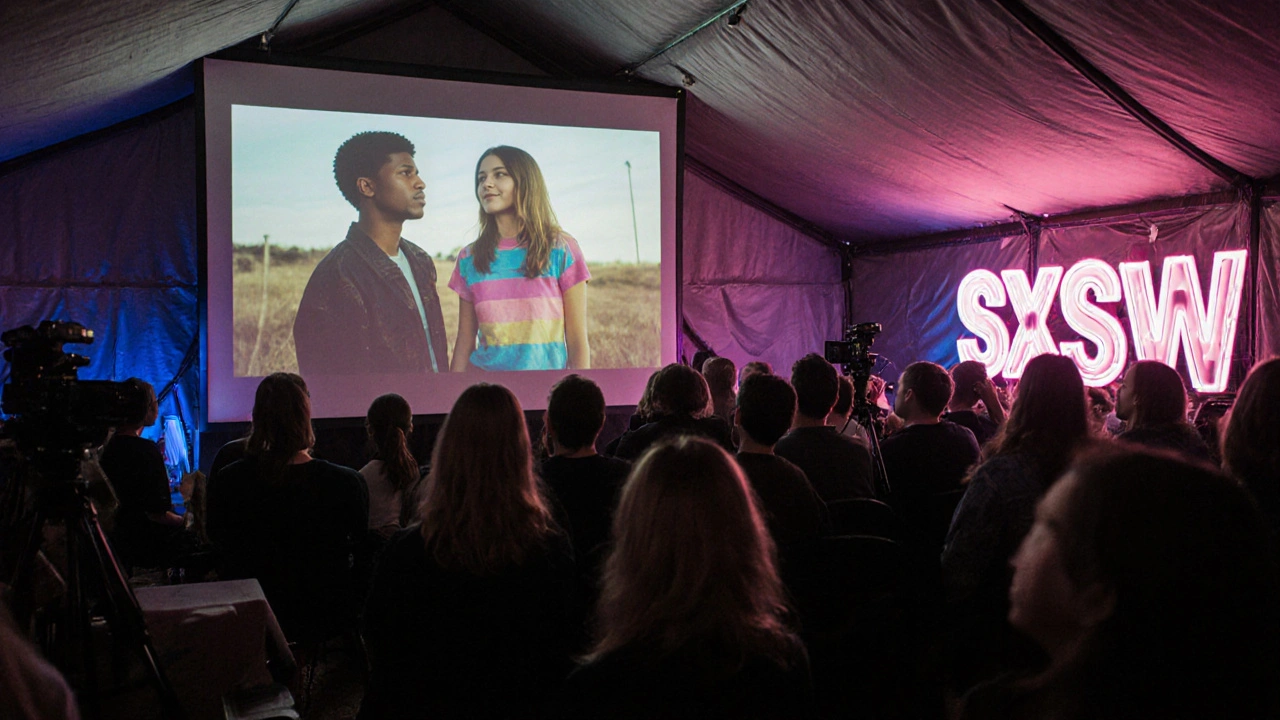
Remember when short films were just filler between features? Not anymore. In 2025, festival programmers are putting more weight on shorts than ever before. Why? Because they’re faster, cheaper, and often more daring. A 12-minute film about a trans teen in rural Texas, made for under $5,000, got picked up by HBO after its premiere at SXSW. It didn’t have a star, didn’t have CGI, didn’t need a 100-person crew. It just had heart and precision.
Festivals now run dedicated short film blocks with their own awards. Some even give them equal billing with features. The reason? Shorts test the waters. They’re prototypes for features. They let new directors prove they can tell a story in under 15 minutes - and do it well. Studios are watching these blocks closely. A standout short can get you a development deal before your feature script is even finished.
Hybrid Formats Are Breaking the Mold
What happens when a documentary uses animation to tell a real person’s trauma? Or when a narrative film blends found footage with AI-generated visuals? That’s what curators are buzzing about. Hybrid films - those that mix genres, formats, and technologies - are dominating the selection lists this year.
One film at Locarno combined archival footage from a 1970s feminist collective with AI-reconstructed voices of women who never got to speak publicly. Another, shown at Rotterdam, used real-time motion capture to turn a stage play into a surreal, shifting digital landscape. These aren’t gimmicks. They’re tools to access emotions that traditional cinema can’t reach.
Curators aren’t just looking for innovation - they’re looking for innovation with purpose. The tech has to serve the story, not the other way around. If you’re using AI, VR, or interactive elements, you better have a reason why.
Climate and Collapse Are Backdrop, Not Plot
You won’t find many films in 2025 where the entire plot is about saving the planet. Instead, climate change is woven into the fabric of the story - like weather, like politics, like family drama. A film from Brazil follows a single mother trying to keep her kids fed after her farm is flooded for the third year. No speeches. No heroics. Just survival. That’s the new norm.
Festivals are quietly shifting away from environmental documentaries that feel like PSA videos. They want stories where the crisis isn’t the topic - it’s the air the characters breathe. A character in a Berlin film forgets to turn off the AC because they’ve stopped thinking about energy use. Another in Canada uses a generator to power a hospital during a blackout - and debates whether to share it with neighbors. These aren’t cautionary tales. They’re lived realities.
Global Stories, Local Roots
Festivals used to chase the “international” film - the one with subtitles and exotic settings. Now, they’re looking for the deeply local. A film from the Philippines about a fisherwoman who starts a community radio station to warn others about typhoons? That’s a festival favorite. Why? Because it’s specific. It’s rooted in place. It doesn’t try to be universal - it just is.
Curators are actively seeking out films from places that rarely show up on the festival map: the Balkans, the Sahel, Oceania, Central Asia. These aren’t token picks. They’re part of a broader effort to decentralize cinematic power. The result? More films that feel unfamiliar - and that’s exactly what audiences are craving.
One programmer at Venice told me, “We’re not looking for the next big thing. We’re looking for the thing that’s been hiding in plain sight.”

What Gets Rejected? The Same Old Tropes
Not everything gets in. And curators are getting better at spotting what doesn’t belong. Here’s what’s getting tossed out in 2025:
- White savior narratives - even if they’re “well-intentioned.”
- Coming-of-age stories set in suburban America with no cultural context.
- Period dramas that look like they were shot on a Netflix budget with no new perspective.
- Horror films that use trauma as a jump scare.
- Any film that uses “diversity” as a marketing hook without real representation behind the camera.
It’s not about political correctness. It’s about authenticity. Audiences can smell a fake. And festivals know that. They’re not just selecting films - they’re selecting trust.
What’s Next? The Rise of the Independent Circuit
The big festivals still matter - but they’re no longer the only path. A network of smaller, regional festivals is growing fast: the Appalachian Film Festival, the Great Lakes Indie Showcase, the Desert Border Film Collective. These aren’t stepping stones. They’re destinations.
They offer something the majors don’t: direct access. Filmmakers talk to audiences. Curators sit in the back row. Feedback isn’t filtered through PR teams. A film that flops at Sundance might thrive at the Kansas City Underground Film Fest - and get picked up by a distributor who actually cares about the story, not the buzz.
Programmers are now scouting these smaller fests like talent scouts. The next breakout film might not come from Cannes. It might come from a community center in North Carolina with 50 seats and a projector that flickers.
What This Means for Filmmakers
If you’re making a film in 2025, here’s what you need to know: Stop trying to please everyone. Stop making what you think festivals want. Make what you know. Make what haunts you. Make it with the people around you.
Don’t wait for a grant. Start with what you have - a phone, a friend with a camera, a story that’s been sitting in your chest for years. The tools are cheaper than ever. The audience is hungry. And curators? They’re tired of polished lies. They want the truth - messy, loud, and real.
What types of films are festivals selecting most in 2025?
Festivals in 2025 are prioritizing authentic, low-budget films made by underrepresented voices - especially women, non-binary, and BIPOC creators. Hybrid formats, short films with emotional impact, and stories rooted in local realities are dominating selections. Climate themes are present but subtle, woven into daily life rather than shouted as a message.
Are big-budget films still accepted at major festivals?
Yes, but only if they bring something new. A big studio film needs a fresh perspective, a bold directorial voice, or an unexpected narrative angle to stand out. Formulaic blockbusters or rehashes of familiar genres are getting rejected, even if they have A-list stars. Originality matters more than budget.
Why are short films becoming so important in festivals?
Short films are proving ground for new talent. They’re faster to produce, more experimental, and often more emotionally direct. Curators use them to discover directors who can tell a full story in under 15 minutes. Many distributors now scout shorts for feature-length potential - a standout short can lead to funding, representation, or a development deal.
How are festivals addressing diversity now?
Festivals are moving beyond surface-level diversity. They’re asking who’s behind the camera, not just in front of it. Programming teams now include more people from marginalized backgrounds. Funding is being redirected to underrepresented regions. The goal isn’t representation - it’s reclamation: letting communities tell their own stories without filters.
What should indie filmmakers focus on to get selected?
Focus on specificity. Tell one story, deeply and truthfully. Use the resources you have. Don’t chase trends. Curators can spot when a film is trying to fit a mold. Authenticity, emotional honesty, and a clear point of view matter more than technical polish. Submit to smaller festivals first - they’re often where the real discoveries happen.


Comments(8)