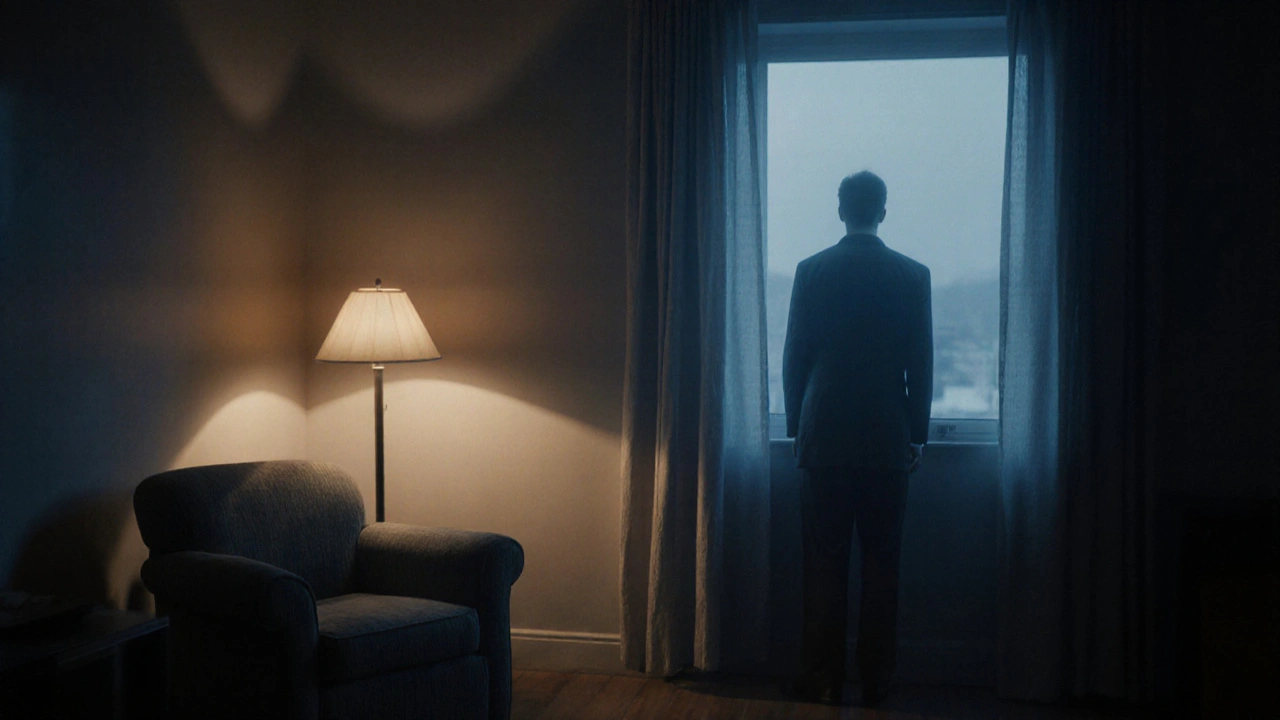
Slow-burn thrillers don’t grab you by the collar-they whisper in your ear until you can’t sleep.
You know the kind. The one where nothing happens for 40 minutes. No explosions. No chase scenes. Just a quiet house, a flickering light, and a character staring out a window like they’re waiting for something-or someone-to show up. You start to wonder if you picked the wrong movie. Then, around hour two, everything changes. The silence cracks. The air turns heavy. And suddenly, you’re gripping the armrest like your life depends on it.
That’s the magic of a slow-burn thriller. It doesn’t need jump scares or loud music to scare you. It uses time. It uses silence. It uses your own imagination to build dread. And when the payoff comes, it doesn’t just shock you-it sticks with you for weeks.
Most thrillers try to keep you on edge with constant action. Slow-burn thrillers? They make you feel like the edge is already under your feet, and you just haven’t looked down yet.
What makes a thriller a slow-burn?
It’s not just about pace. It’s about control. A slow-burn thriller spends its first half building atmosphere, not plot. The story unfolds like a bruise-slowly, subtly, until you realize you’ve been hurt without knowing how.
Take Hereditary is a 2018 horror-thriller directed by Ari Aster that uses family trauma and creeping dread to deliver a devastating payoff. The first 45 minutes are mostly dinners, arguments, and quiet grief. No ghosts. No cults. Just a mother trying to hold her family together. And yet, by the end, you feel like the walls are closing in-not because of what you saw, but because of what you didn’t see coming.
Compare that to a traditional thriller like The Silence of the Lambs is a 1991 psychological thriller starring Jodie Foster and Anthony Hopkins, known for its intense cat-and-mouse dynamic and chilling villain.. It’s terrifying, but it moves fast. The stakes are clear from the start. The slow-burn thriller doesn’t give you the map until the end.
Here’s what they all have in common:
- Minimal music. Often, silence is the only soundtrack.
- Long takes. No quick cuts. You’re forced to sit with discomfort.
- Unreliable characters. You don’t know who to trust-not even the protagonist.
- Subtext over exposition. Things are hinted at, never explained outright.
- The threat is psychological, not physical-at first.
These aren’t just stylistic choices. They’re tools. Each one strips away your sense of safety. And when the final piece clicks into place, you don’t just feel scared-you feel violated.
Why patience is the most dangerous tool in filmmaking
Modern audiences are used to instant gratification. TikTok clips. Two-minute YouTube intros. Binge-worthy shows that drop 10 episodes at once. So why does a movie that takes two hours to get to its first real scare still work?
Because patience isn’t boring-it’s manipulative.
When a filmmaker holds back, your brain fills in the gaps. You start imagining what’s behind the door. Who’s watching from the window. What that whisper really meant. Your mind becomes the monster. And that’s far scarier than any CGI creature.
The Wailing is a 2016 South Korean horror-thriller that blends folk superstition, police procedural, and escalating paranoia into a haunting slow-burn. For the first hour, it feels like a mystery about a strange illness. Then it becomes a religious allegory. Then it becomes something else entirely. You’re never told what’s happening. You’re just forced to watch as normal life unravels.
That’s the power of delay. You’re not just watching a story-you’re living it. And when the truth hits, it doesn’t feel like a twist. It feels like a memory you didn’t know you had.
Studies in psychology show that anticipation activates the same brain regions as the actual event. That’s why a slow-burn thriller can be more intense than a fast-paced one. You’re not just scared-you’re anxious. And anxiety lasts longer than fear.
How to spot a great slow-burn thriller
Not every movie that moves slowly is a great slow-burn. Some are just boring. The difference? A great one makes you feel like you’re being led somewhere-until you realize you’ve already been there.
Here’s how to tell if it’s working:
- The first act feels like a drama. You could mistake it for a family film, a crime procedural, or even a romance. The tension is buried under everyday life.
- There’s no clear villain. At least not at first. The threat is ambiguous. Is it a person? A place? A memory?
- Sound design matters more than dialogue. Footsteps. Breathing. A door creaking. These are the real clues.
- Things go unnoticed. A photo on the wall. A name mentioned once. A reflection in a mirror. You’ll only realize their importance after the fact.
- The ending doesn’t explain everything. Great slow-burns leave holes. Not because the filmmakers forgot. Because some things are better left unspoken.
Take The Babadook is a 2014 Australian psychological horror film that uses a children’s book monster to explore grief and maternal guilt.. The monster is real-or is it? The film never confirms. But by the end, you don’t care. The real horror was the mother’s isolation, her guilt, her exhaustion. The monster was just the shape it took.
That’s the hallmark of a masterful slow-burn. The external threat mirrors the internal one.
Why these films stick with you longer
Fast thrillers fade. You forget the twist. You laugh at the over-the-top villain. You move on.
Slow-burn thrillers? They haunt you.
Why? Because they don’t just tell you a story-they make you complicit in it.
You sat there. You waited. You ignored the small signs. You told yourself it was fine. And then, when the truth came, you realized you already knew. You just didn’t want to admit it.
That’s why The Invitation is a 2015 psychological thriller where a man attends a dinner party that slowly reveals unsettling, possibly cult-like intentions. still gives people chills years later. You spend the whole movie hoping the protagonist is wrong. You root for him to be paranoid. Because if he’s right, then the world is far more dangerous than you thought.
And that’s the real fear. Not that something’s out there. But that you’ve been living in denial.
These films don’t scare you with monsters. They scare you with truth.
Where to start if you’re new to slow-burn thrillers
If you’re used to jump scares and high-octane chases, slow-burn thrillers might feel like watching paint dry. But if you stick with them, they’ll change how you see movies.
Start here:
- The Witch is a 2015 historical horror film set in 1630s New England, exploring religious paranoia and isolation.-No monsters. Just a family falling apart in the woods. The dread builds like frost on a window.
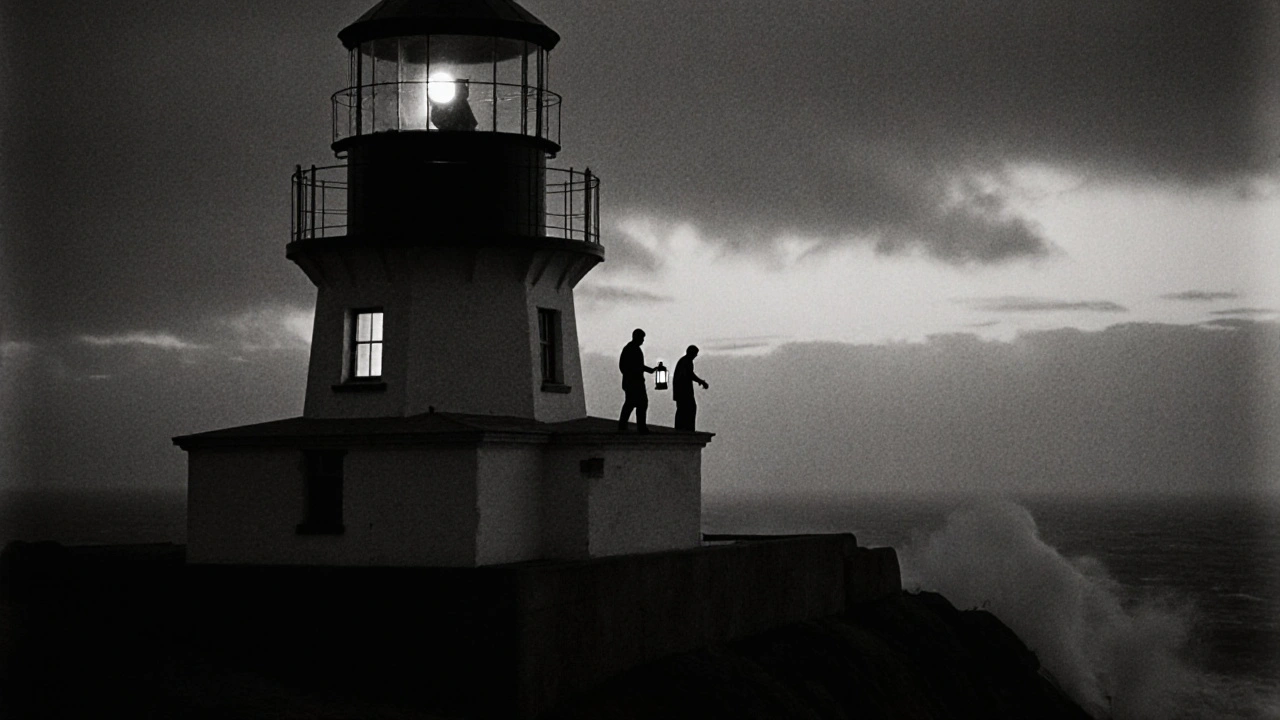
- The Lighthouse is a 2019 black-and-white psychological horror film starring Robert Pattinson and Willem Dafoe, set in a remote lighthouse with mounting madness.-Two men, one lighthouse, and a descent into madness that feels inevitable.
- The Others is a 2001 gothic horror film starring Nicole Kidman, where a woman believes her home is haunted-until the final reveal.-Quiet. Elegant. And one of the most devastating twists in modern cinema.
- The Comfort of Strangers is a 1990 psychological thriller based on Ian McEwan’s novel, about a couple whose vacation takes a sinister turn.-No violence until the last 10 minutes. But you’ll feel every second of it.
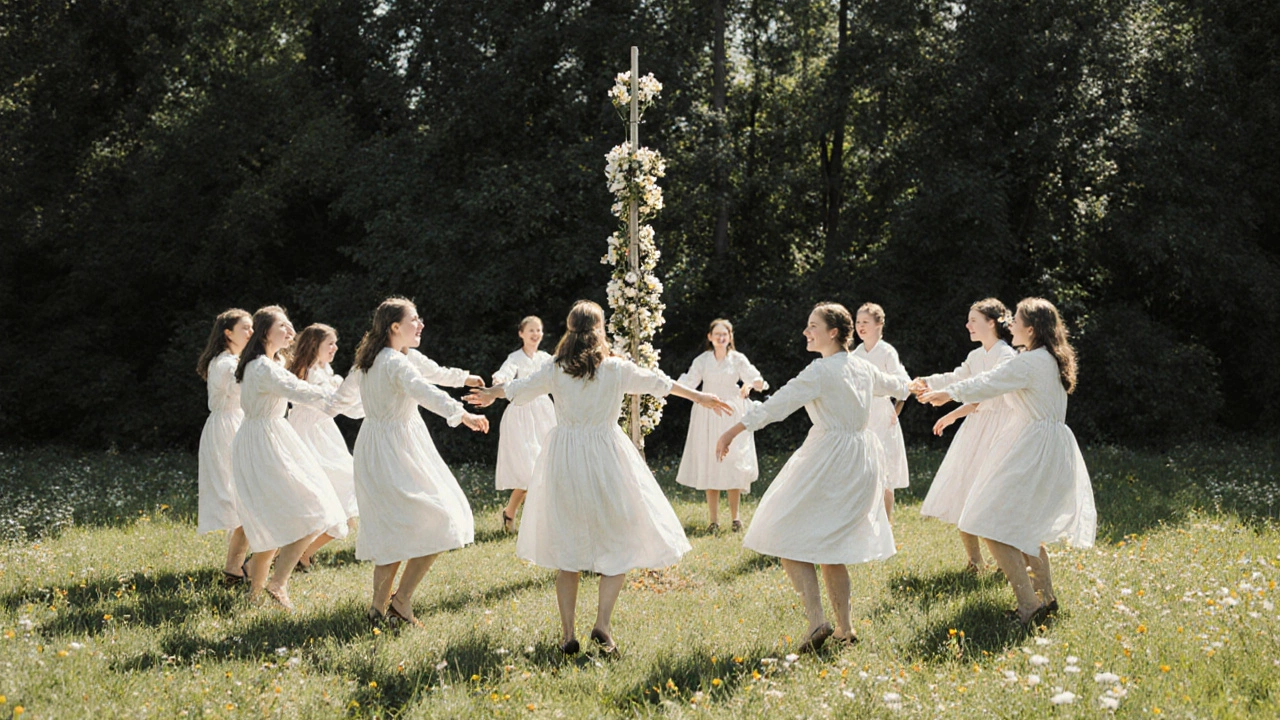
- Midsommar is a 2019 folk horror film by Ari Aster, where a group of friends visit a Swedish commune during a midsummer festival.-Bright daylight. No shadows. And a horror that feels more real because of it.
Watch these with no distractions. No phone. No pause button. Let the silence sink in. And when the moment comes-you’ll know.
What these films say about us
Slow-burn thrillers aren’t just about fear. They’re about denial.
We live in a world that rewards speed. Quick fixes. Instant answers. But these films ask us to sit with discomfort. To sit with uncertainty. To sit with the parts of ourselves we don’t want to face.
That’s why they’re so powerful. They don’t give you a villain to defeat. They give you a mirror.
And the scariest thing about a slow-burn thriller? The monster you’re running from isn’t in the movie.
It’s in you.
What’s the difference between a slow-burn thriller and a regular thriller?
A regular thriller keeps you on edge with action, twists, and constant tension. A slow-burn thriller lulls you into calm first-building dread through silence, atmosphere, and psychological unease. The payoff isn’t a chase or a fight-it’s a realization that changes how you see everything that came before.
Are slow-burn thrillers just boring movies?
No-they’re deliberate. If a slow-burn feels boring, it’s usually because you’re expecting a different kind of movie. These films aren’t about what happens next-they’re about what you’ve been ignoring. The boredom is the point. It’s how the filmmaker gets inside your head.
Why do these films often have ambiguous endings?
Because the fear isn’t in the answer-it’s in the question. A clear ending gives you closure. A slow-burn thriller wants you to keep wondering. Was it real? Was it madness? Was it you? Leaving it open makes the unease last longer-and that’s the whole point.
Can a TV show be a slow-burn thriller?
Absolutely. Shows like The Leftovers, Twin Peaks (2017), and True Detective Season 1 use the same techniques: long silences, subtle clues, and slow unraveling. TV’s longer runtime actually makes it easier to build dread over time.
Why are these films often considered "art house"?
Because they prioritize mood and meaning over plot. They ask you to think, not just react. That’s why studios rarely back them-they don’t guarantee box office hits. But for viewers who stick with them, they leave a mark no action movie ever could.
What to watch next
If you’re hooked after your first slow-burn thriller, try these next:
- The Killing of a Sacred Deer is a 2017 psychological horror film by Yorgos Lanthimos, where a surgeon faces a chilling moral dilemma.
- The Invitation is a 2015 psychological thriller where a man attends a dinner party that slowly reveals unsettling, possibly cult-like intentions.
- The Descent is a 2005 British horror-thriller about a group of women trapped in a cave system, where fear comes from both the dark and each other.
- The Vanishing is a 1988 Dutch thriller about a man searching for his missing girlfriend-only to be confronted with unbearable truth.
And if you’re brave enough? Go back and watch your first slow-burn again. You’ll see things you missed. And you’ll realize-you were never really safe to begin with.



Comments(6)