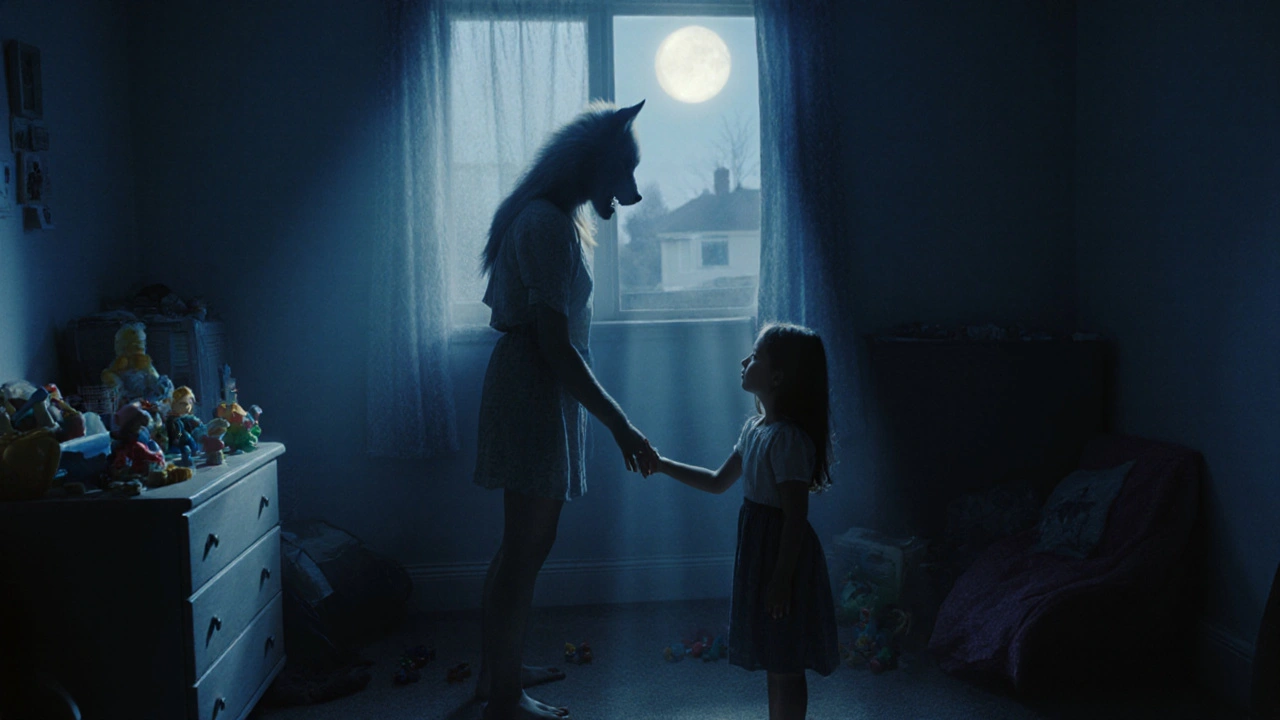
Horror has always been a mirror for society’s fears. But for decades, that mirror barely reflected LGBTQ+ lives-unless they were twisted into monsters, villains, or tragic endings. That’s changing. In the last ten years, queer horror films have exploded, not just adding gay characters to existing tropes, but rewriting the rules of fear itself. These aren’t just movies with queer leads. They’re stories where identity, shame, family rejection, and bodily autonomy are the real monsters.
Why Horror Was the Perfect Genre for Queer Stories
Horror has always been about the body. About things that won’t stay buried. About transformation. For LGBTQ+ people, that’s not metaphor-it’s lived experience. Coming out isn’t just a conversation. It’s a physical shift in how the world sees you. Being rejected by your family? That’s a kind of death. Being forced to hide who you are? That’s a slow possession.
Think about queer horror films like They Look Like People (2015). The protagonist doesn’t turn into a monster because of a curse-he turns because he’s terrified of being seen as broken. The real horror isn’t the creature. It’s the isolation. The fear that if you show your true self, people will want to kill you.
Before 2010, most queer characters in horror were either killed off in the first act (the “Bury Your Gays” trope) or were coded villains-like the flamboyant gay man who gets murdered for being “different.” Films like Psycho and The Silence of the Lambs linked queerness with madness and violence. It wasn’t just bad writing. It was cultural punishment.
Breaking the Rules: How Queer Horror Rewrote the Genre
Modern queer horror doesn’t ask for permission. It doesn’t wait for approval. It takes the genre’s tools-blood, shadows, isolation-and turns them into weapons of truth.
The Babadook (2014) isn’t about a monster in the closet. It’s about a single mother drowning in grief, her son acting out, and the crushing weight of societal expectations. The monster? It’s depression. It’s the fear of being a bad parent. The mother, Amelia, is queer-coded-not because she’s in a same-sex relationship, but because she’s emotionally isolated, unapologetically messy, and refuses to perform happiness. The film won global praise, not because it was “about” queerness, but because it used horror to show how society crushes those who don’t fit.
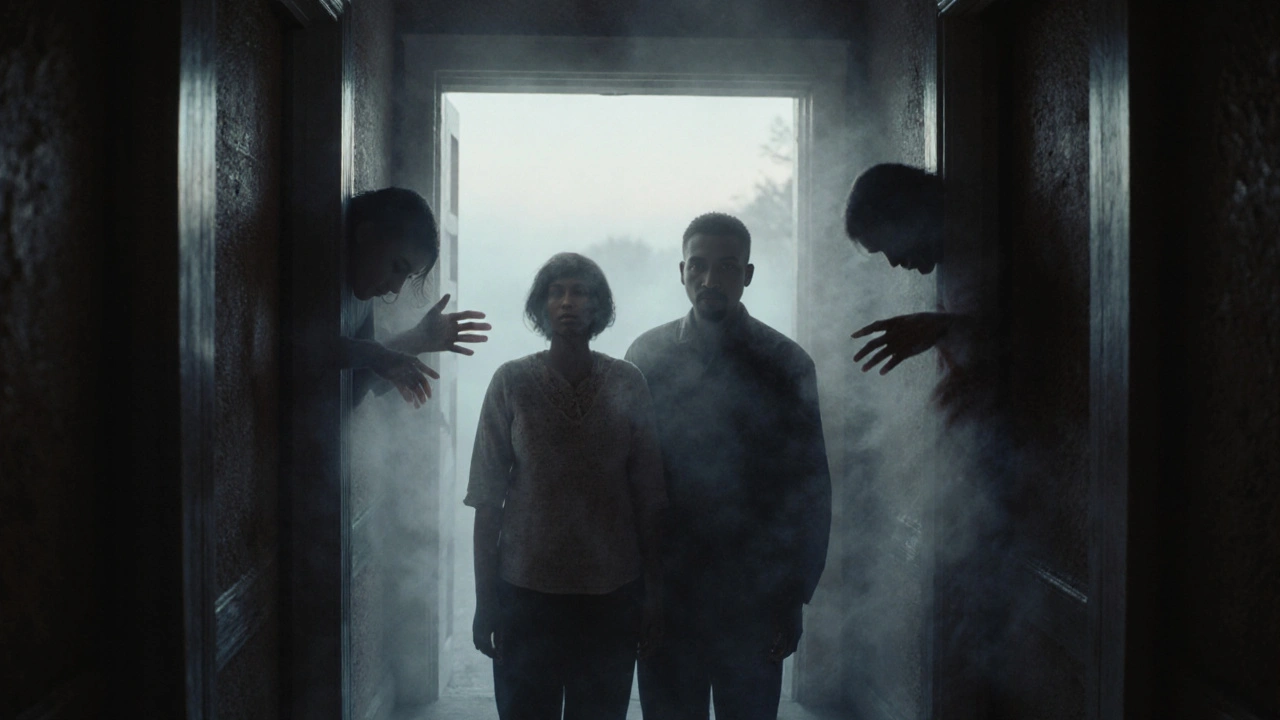
Then came His House (2020). A refugee couple from South Sudan escapes war only to be haunted by a demon that feeds on guilt. The demon doesn’t come from their past. It comes from the silence they’re forced to keep in their new country. The horror isn’t supernatural. It’s systemic. The film’s director, Remi Weekes, said he wrote it after seeing how asylum seekers are treated in the UK. The monster is the system that makes you feel unworthy of safety.
And XX (2017), an anthology film with a segment directed by Karyn Kusama, features a mother who slowly loses her mind after her daughter starts changing. The twist? The daughter isn’t possessed. She’s becoming herself. The horror comes from the mother’s refusal to accept her child’s identity. The film ends with the mother screaming-not at the monster, but at herself.
Directors Leading the Change
Behind every great queer horror film is a director who’s lived the fear they’re filming.
David Robert Mitchell’s It Follows (2014) became a cult classic. The monster? It’s an STD. A curse passed through sex. The protagonist doesn’t die because she’s promiscuous. She survives because she learns to trust, to connect, to let people in. The film was quietly queer-its lead character is coded as bisexual, and the monster’s shape-shifting form reflects the anxiety of being hunted for your desires.
Julia Ducournau’s Titane (2021) won the Palme d’Or. A woman who has a sexual relationship with a car. A child born from metal. A father who accepts her, even when she’s no longer human. The film isn’t about queerness on the surface. But beneath it? It’s about the violence of gender norms. The terror of being forced into a body you don’t recognize. The relief of being loved anyway.
And then there’s Jordan Peele. He’s not queer, but his films-Get Out, Us-use horror to expose how racism, class, and identity are weaponized. His work opened doors for queer filmmakers to tell stories where the monster isn’t the outsider. The monster is the world that refuses to let them be.
What’s Different Now?
Today’s queer horror films don’t need to be “allegories.” They can be direct. They can be messy. They can be joyful.
Barbarian (2022) isn’t labeled queer, but one of its central characters is a gay man who survives by being observant, quiet, and adaptable. His survival isn’t a punchline. It’s earned. The film’s most terrifying moment? When he realizes the house is alive-and he’s the only one who sees it.
Swallow (2019) follows a wealthy housewife who starts swallowing objects. The film’s queer reading? It’s about control. About reclaiming your body from a life that’s been handed to you. The protagonist doesn’t become a lesbian. But her journey is unmistakably queer in its rejection of prescribed roles.
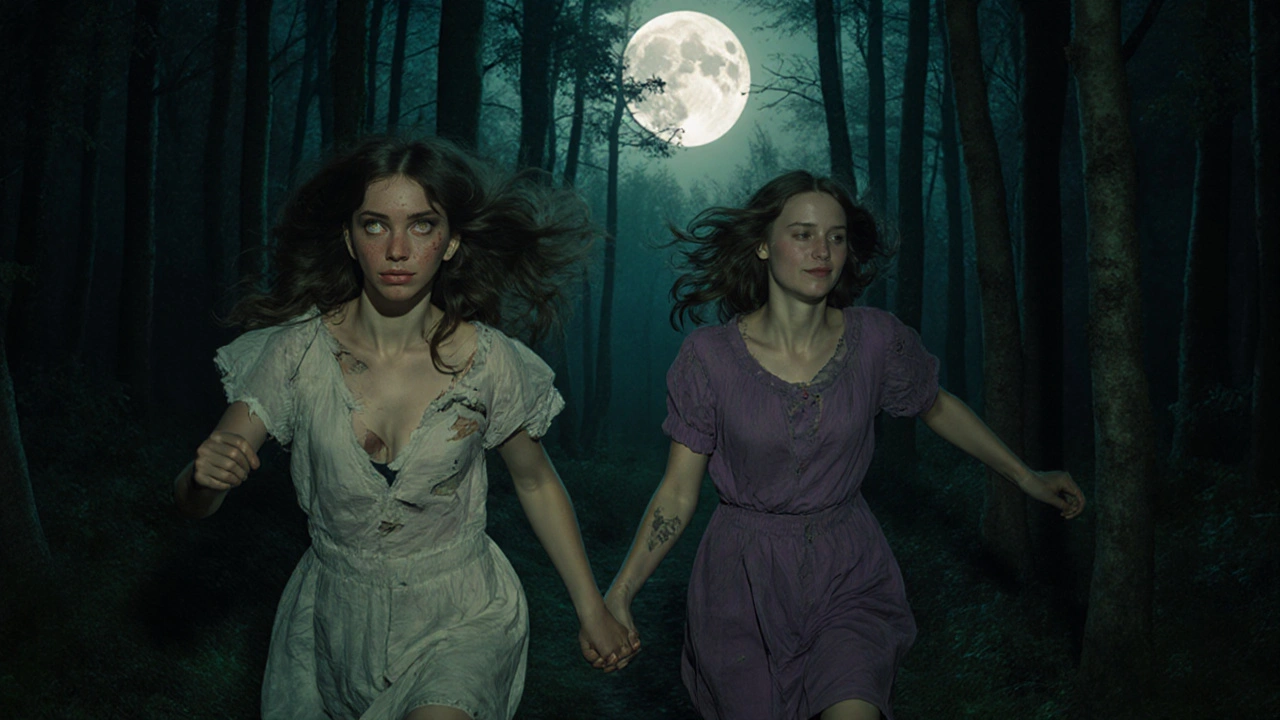
And My Animal (2023) is a werewolf romance between a teenage girl and the girl next door. No one dies. No one is punished. The transformation isn’t a curse-it’s liberation. The film ends with them running into the woods together. No explanation. No redemption arc. Just freedom.
Why This Matters Beyond the Screen
When a queer kid watches My Animal and sees two girls kissing as the moon rises, and the monster isn’t the villain-it’s the town that wants them to stay quiet-that’s not entertainment. That’s survival.
Queer horror films are therapy. They’re protest. They’re permission slips to feel fear, rage, desire, and joy without shame. They say: your pain is valid. Your body is yours. Your love is not a curse.
These films don’t need to be perfect. They don’t need to be mainstream. They just need to exist. And they’re growing. In 2024, over 40% of horror films at Sundance had LGBTQ+ leads or themes. In 2015, it was 8%.
The genre isn’t just expanding. It’s healing.
Where to Start Watching
If you’re new to queer horror, here’s where to begin:
- The Babadook (2014) - Grief, motherhood, and the monster inside
- It Follows (2014) - Sex, guilt, and the thing that won’t stop chasing you
- His House (2020) - Trauma, displacement, and the ghosts of home
- My Animal (2023) - Werewolves, first love, and running free
- Titane (2021) - Identity, transformation, and the body as battleground
- XX (2017) - Motherhood, fear, and the horror of being unseen
- Barbarian (2022) - Survival, trust, and the monster in plain sight
These aren’t just movies. They’re lifelines.
What’s Next for Queer Horror?
The next wave is already here. Films like Dark Nature (2025), a Canadian queer werewolf story set in the Arctic, and She Who Must Be Burned, a Nigerian folk horror about a lesbian witch hunted by her village, are pushing boundaries even further.
Streaming platforms are investing. A24, Neon, and Shudder are greenlighting queer horror with bigger budgets and fewer restrictions. More directors from trans, nonbinary, and BIPOC LGBTQ+ communities are stepping behind the camera. The stories are getting more specific. More raw. More real.
The future of horror isn’t just about jump scares. It’s about who gets to be afraid-and who gets to be free.




Comments(7)