
Remember when romantic comedies were all about meet-cutes in coffee shops, awkward best friends, and last-minute airport chases? Those movies are back-but they’re not the same. The rom-coms hitting streaming platforms and theaters today are different. They’re messier, smarter, and made for grown-ups who know love isn’t a montage. This isn’t your 2004 version of Mean Girls meets Notting Hill. This is a quiet revolution in how we see relationships on screen.
Why the Rom-Com Died (And Why It’s Coming Back)
The romantic comedy hit a wall around 2015. Critics called them formulaic. Audiences called them unrealistic. Streaming services stopped investing. Studios thought younger viewers wanted superheroes, not slow dances in the rain. By 2020, the genre was written off as dead.
But something changed. People got tired of endless action sequels and dystopian dramas. They wanted something real. Not perfect. Not fairy-tale. Just… human.
Shows like Emily in Paris and Love Life proved audiences still craved emotional connection-but they didn’t want fake drama. They wanted characters who argue about chores, cancel dates because they’re exhausted, and still choose each other anyway. That’s the new rom-com: grounded, honest, and quietly powerful.
What Makes an Adult-Centered Rom-Com Different
Old-school rom-coms had a checklist: meet cute, misunderstanding, grand gesture, happy ending. The stakes? Getting the guy or girl. The conflict? A miscommunication that could’ve been solved with one text.
Modern adult rom-coms don’t care about that. Their conflicts are deeper. They’re about:
- Choosing between a promotion and a relationship
- Healing from divorce before dating again
- Managing mental health while trying to connect
- Age gaps that aren’t played for laughs
- Non-traditional families and co-parenting
Take Someone Great (2019). It’s not about finding a new partner-it’s about letting go of an old one. The lead character doesn’t end up with anyone new. She ends up with herself. That’s the shift. Love isn’t the finish line anymore. It’s part of the journey.
And the endings? They’re not always happy. Sometimes they’re bittersweet. Sometimes they’re quiet. Sometimes they’re just… okay. And that’s okay.
Who’s Making These Movies Now?
Netflix, Hulu, and Amazon Prime didn’t just revive the genre-they reinvented it. Studios like A24 and independent producers jumped in too. Directors like Nisha Ganatra and Olivia Wilde brought fresh voices. Writers started drawing from real life: therapists’ offices, therapy apps, dating apps gone wrong, and the loneliness of remote work.
One standout is The Half of It (2020), which flips the classic love triangle by making the protagonist a quiet, queer teen who helps a jock write love letters to the girl he likes. It’s not a typical rom-com-but it hits all the emotional beats in a way that feels true.
Then there’s Book Club: The Next Chapter (2023). Four women in their 60s, dealing with widowhood, new love, and family drama. No one’s saving the world. No one’s running from the altar. They’re just figuring out what they want after decades of putting everyone else first.
These aren’t niche films. They’re trending. Book Club was Netflix’s most-watched original movie in its first month. Someone Great still gets millions of views annually. People are watching-and they’re talking.

The Role of Streaming and Budgets
Traditional studios won’t risk $80 million on a rom-com. But streaming platforms? They’ll spend $15 million on one because they know it’ll hook subscribers. And they don’t need box office numbers. They need binge-worthy content that keeps people on the app.
That’s why these films feel different. They’re not made for IMAX screens. They’re made for couches, late-night scrolling, and quiet weekends. The cinematography is softer. The music is indie folk or lo-fi beats. The dialogue feels like something you’d actually say.
And the casts? They’re not always 25-year-old models. You see real people. People with wrinkles, stretch marks, tired eyes, and messy hair. People who’ve been through things. That’s what makes them relatable.
Why This Matters Beyond Entertainment
These movies aren’t just fun to watch. They’re shaping how we think about love.
Younger viewers are seeing relationships that don’t follow the script. They’re learning that it’s okay to stay single. That love doesn’t fix everything. That compatibility matters more than chemistry. That breaking up can be brave, not weak.
And for older viewers? It’s validation. After years of being ignored by Hollywood, they’re finally seeing themselves-not as comic relief, not as the mom who gives bad advice, but as complex people with desires, fears, and second chances.
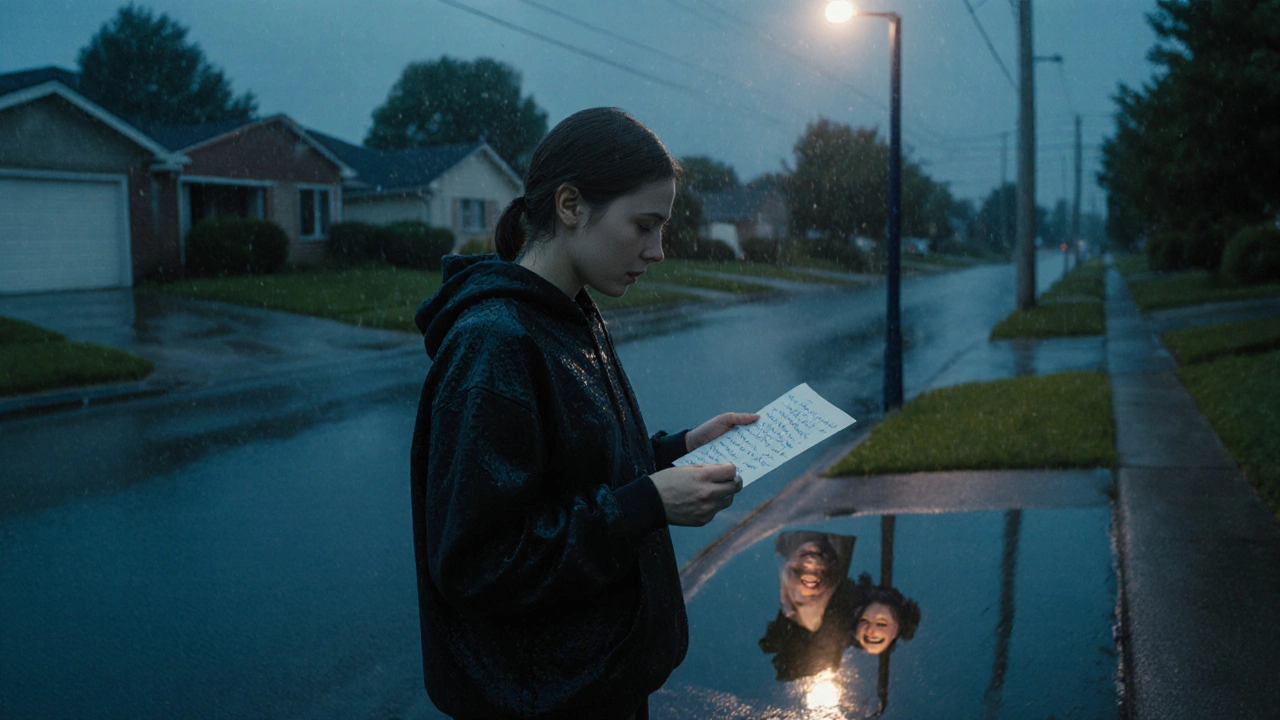
There’s a reason My Old Ass (2024) became a cult hit. A 18-year-old meets her 39-year-old self and learns that the heartbreak she’s terrified of? It’s not the end. It’s part of becoming who she’s meant to be. That’s the message now: love isn’t about finding the right person. It’s about becoming the right person.
What’s Next for the Genre?
The next wave is even bolder. We’re seeing rom-coms that blend genres-rom-coms with sci-fi (The One), rom-coms with horror (They/Them), rom-coms with political drama (Love in the Time of Cholera adaptation in development).
And diversity? It’s not an afterthought. Lead roles are going to people of color, LGBTQ+ couples, disabled characters, and neurodivergent leads. Fire Island (2022) proved a gay rom-com can be both hilarious and deeply moving without needing straight audiences to “relate.”
Even the settings are changing. No more New York or LA. We’re seeing rom-coms set in rural towns, small cities, and even international locations like Lisbon, Tokyo, and Cape Town. Love doesn’t live in one place. It’s everywhere.
What’s clear? The rom-com isn’t just back. It’s better. More honest. More inclusive. More real.
Where to Start Watching
If you’re ready to try the new wave of adult rom-coms, here are five to begin with:
- Someone Great (2019) - A breakup story disguised as a party movie. Perfect for anyone who’s ever cried in a cab after a long night.
- Book Club: The Next Chapter (2023) - Four women, one cruise, and a whole lot of wisdom. For anyone who thought love ends at 50.
- The Half of It (2020) - A queer coming-of-age love story that flips every trope. Quiet. Brilliant. Unforgettable.
- My Old Ass (2024) - Time travel meets self-discovery. It’s funny, weird, and oddly comforting.
- Fire Island (2022) - A modern retelling of Pride & Prejudice with drag queens, beach parties, and real emotional stakes.
These aren’t just movies. They’re conversations. About loneliness. About healing. About choosing yourself-and sometimes, choosing someone else too.





Comments(9)