Queer cinema didn’t just appear on the red carpet overnight. It was built by filmmakers who told stories when no one else would, by audiences who showed up in small theaters when mainstream outlets ignored them, and by festivals that created space when the world said there wasn’t any. Today, LGBTQ+ films aren’t niche-they’re winning Oscars, breaking box office records, and shifting how stories are told. But behind the glitz are the festivals and awards that fought for years to make this possible.
The Stonewall of Film: Frameline and the Birth of Queer Festivals
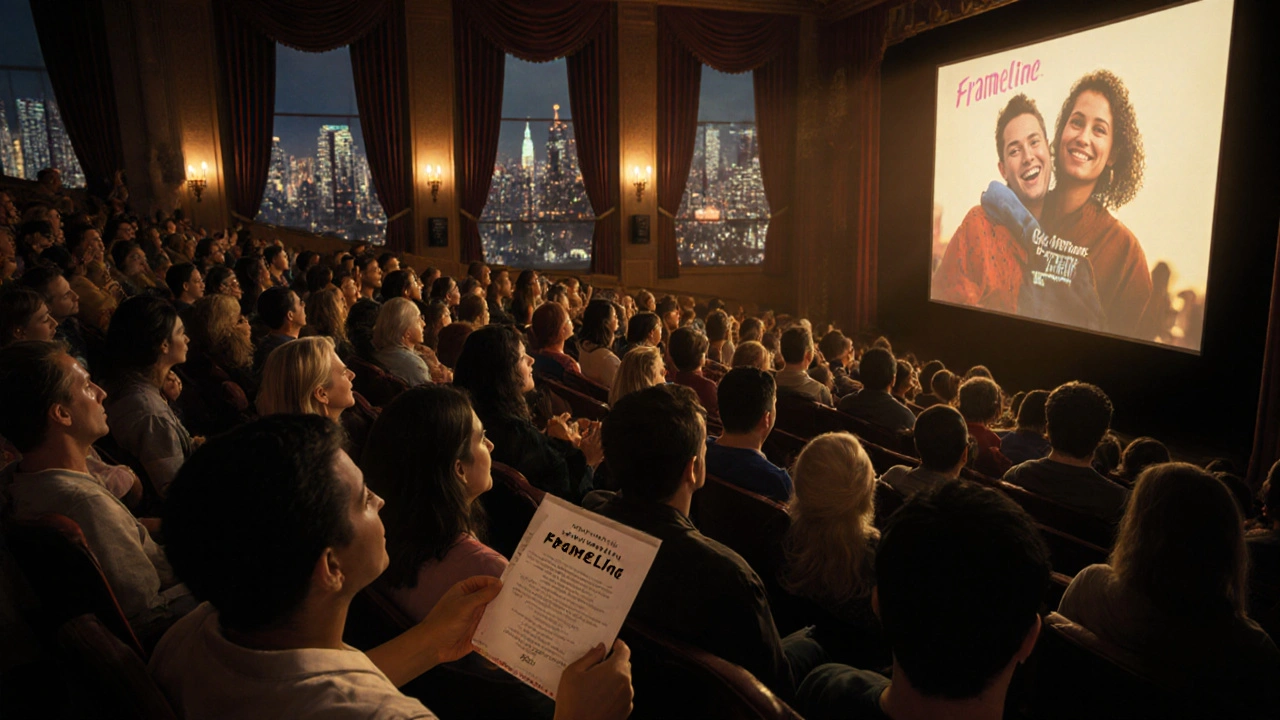
In 1977, a group of volunteers in San Francisco screened six LGBTQ+ films in a 120-seat theater. That tiny event became Frameline, the world’s first LGBTQ+ film festival. Back then, many theaters refused to show films with gay characters. Some prints were seized by police. Frameline didn’t just show movies-it defended them.
Today, Frameline’s San Francisco International LGBTQ+ Film Festival draws over 70,000 attendees annually. It’s not just a screening series. It’s a cultural hub. Films like Paris Is Burning and Call Me by Your Name found early audiences here. The festival doesn’t just honor films-it gives grants to emerging queer directors, hosts panels with trans filmmakers, and runs youth programs in schools across the Bay Area.
Frameline didn’t just start a trend. It started a movement. Cities from Toronto to Tokyo copied its model. The festival’s legacy isn’t in its ticket sales-it’s in proving that queer stories belong on screen.
The Oscars and the Slow March to Inclusion
The Academy Awards didn’t recognize an LGBTQ+ film until 1994, when The Crying Game was nominated for Best Picture. Even then, the nomination felt like an accident, not an acknowledgment. For years, LGBTQ+ stories were either ignored or reduced to tragic tropes: the dying gay man, the confused teenager, the villainous drag queen.
That changed in 2018, when Call Me by Your Name won Best Adapted Screenplay. Luca Guadagnino accepted the award with his cast-two men, one woman-holding hands. It wasn’t just a win. It was a statement.
In 2023, Everything Everywhere All at Once made history. Michelle Yeoh became the first Asian woman to win Best Actress, and Stephanie Hsu, who played a queer character, was part of the ensemble that won Best Picture. The film’s queer themes weren’t side notes-they were central. The Oscars didn’t just honor the film. They honored the shift in storytelling.
But the numbers still tell a sobering story. Since 1929, only 17 LGBTQ+ films have been nominated for Best Picture. Only five have won. The Academy still has a long way to go. But the fact that these films are even being considered now? That’s progress.
Outfest and the Power of Community
Outfest, based in Los Angeles, doesn’t just show films-it builds careers. Founded in 1982, it started as a way to connect LGBTQ+ filmmakers in a city where Hollywood often erased them. Today, Outfest Fusion is the largest LGBTQ+ film festival in the U.S. focused on films by and for people of color.
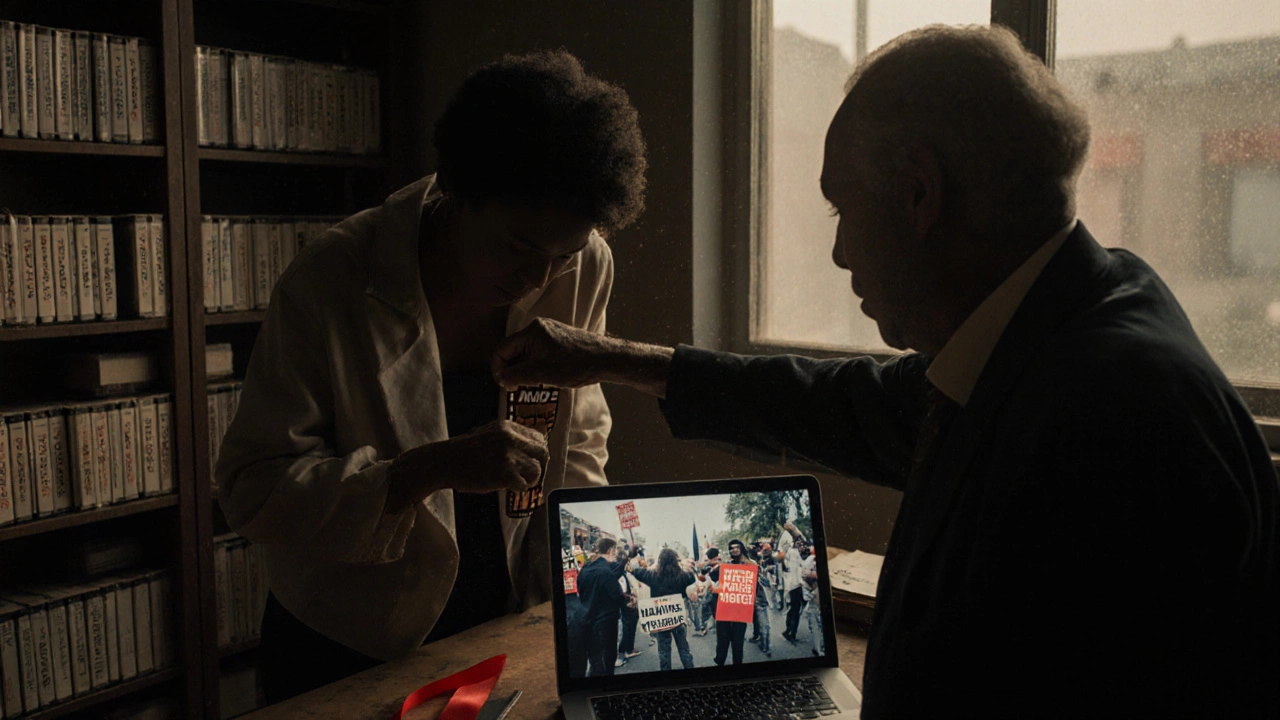
Outfest’s impact goes beyond screenings. Its Outfest UCLA Legacy Project has preserved over 1,200 LGBTQ+ films that were at risk of being lost. Many were shot on 16mm by activists in the 1980s, documenting the AIDS crisis when mainstream media stayed silent. Outfest didn’t just save film reels. It saved history.
Directors like Dee Rees (Pariah) and Barry Jenkins (Moonlight) got early support from Outfest. Jenkins’ first short film premiered there in 2008. He didn’t have a studio deal. He had a screening slot. That’s all it took.
Outfest’s awards aren’t just trophies. They’re lifelines. The Emerging Filmmaker Award comes with $10,000 and mentorship from industry veterans. In 2024, a nonbinary director from rural Kentucky won it. Her film, about a trans teen in a conservative town, is now in development with a major streaming platform.
The GLAAD Media Awards: Measuring Representation
Not every award is about artistry. Some are about accountability. The GLAAD Media Awards, launched in 1990, track how LGBTQ+ people are portrayed in media. They don’t just honor films-they call out harmful stereotypes.
GLAAD doesn’t hand out awards blindly. They have a detailed set of criteria. A film must include LGBTQ+ characters who are integral to the story-not just comic relief. The characters must be portrayed with depth, not reduced to trauma or sexuality. The film must avoid harmful tropes like the “bury your gays” ending.
In 2022, GLAAD refused to nominate House of Gucci because its queer character was portrayed as a villainous caricature. The studio pushed back. GLAAD stood firm. That’s rare in Hollywood. Most award bodies avoid controversy. GLAAD doesn’t have that luxury. Their mission is truth, not popularity.
Winning a GLAAD award doesn’t guarantee box office success. But it does mean your film passed the most rigorous test in LGBTQ+ representation. In 2024, only 18 out of 312 submitted films met GLAAD’s standards. That’s less than 6%. The award isn’t just a badge of honor-it’s a benchmark.
International Voices: Berlin, Toronto, and Beyond
LGBTQ+ cinema isn’t an American story. It’s global. The Berlin International Film Festival has had its Teddy Award since 1987-the first major international prize for queer films. Winners include Blue Valentine, Portrait of a Lady on Fire, and The Handmaiden. The Teddy isn’t just for films made in Europe. It’s open to any film that challenges norms.
At the Toronto International Film Festival (TIFF), LGBTQ+ films have long been a cornerstone. In 2015, TIFF premiered Carol, which went on to earn six Oscar nominations. TIFF’s audience is diverse, and its programmers prioritize films that spark conversation, not just applause.
Even in countries where being LGBTQ+ is illegal, festivals matter. In India, the KASHISH Mumbai Queer Film Festival started in 2010. It’s held in secret locations. Attendees use pseudonyms. But it’s grown to over 15,000 viewers. One filmmaker from Mumbai told me, “We don’t make films to be seen by the world. We make them so we don’t feel alone.”
Who’s Getting Left Behind?
Not every queer story gets celebrated. Trans filmmakers still struggle to get funding. Nonbinary directors rarely appear on panels. Films made by queer people of color are often labeled “niche” and pushed to the margins. Even at major festivals, programming can feel like a checklist: one trans film, one Black queer film, one Asian queer film. That’s not inclusion. That’s tokenism.
And what about rural stories? Or films made by older LGBTQ+ people? Or those that don’t fit the “inspirational” mold? A film about a lesbian couple in their 70s navigating dementia didn’t get a single festival slot in 2024. Why? Because it wasn’t “edgy” enough. Because it didn’t have a tragic ending. Because it didn’t fit the mold of what festivals think audiences want.
The truth? Audiences are hungry for all kinds of stories. But the gatekeepers haven’t caught up.
What’s Next?
The future of LGBTQ+ cinema isn’t in bigger budgets or more red carpets. It’s in access. In training programs for queer youth in rural towns. In grants for filmmakers without connections. In streaming platforms that don’t bury queer films in a “LGBTQ+” folder but integrate them into mainstream recommendations.
Some festivals are already leading the way. Frameline now offers free screenings in public libraries. Outfest partners with schools to show films to students who’ve never seen themselves on screen. GLAAD tracks representation in school curriculums. These aren’t just film events. They’re acts of survival.
Queer cinema isn’t about winning awards. It’s about being seen. And for every film that gets nominated, there are ten more being made in basements, bedrooms, and borrowed cameras. They’re not waiting for permission. They’re just making the work.
And that’s why these festivals and awards matter. They don’t create the stories. They make sure the world doesn’t look away.
What are the biggest LGBTQ+ film festivals in the world?
The largest LGBTQ+ film festivals include Frameline (San Francisco), Outfest (Los Angeles), the Berlin International Film Festival’s Teddy Award, and the Toronto International Film Festival (TIFF). Frameline draws over 70,000 attendees annually, while Outfest Fusion is the largest U.S. festival focused on LGBTQ+ people of color. Berlin’s Teddy Award is the oldest international prize for queer cinema, dating back to 1987.
Which awards recognize LGBTQ+ films specifically?
The GLAAD Media Awards, the Teddy Award at Berlin, and Frameline’s Audience Awards are the most respected honors specifically for LGBTQ+ cinema. GLAAD evaluates representation quality, the Teddy Award celebrates global queer storytelling, and Frameline highlights emerging talent. While the Oscars and Golden Globes occasionally honor LGBTQ+ films, they don’t have dedicated categories.
How do LGBTQ+ film festivals support filmmakers?
Festivals like Outfest and Frameline offer grants, mentorship, and production funding to emerging queer directors. Outfest’s Legacy Project preserves over 1,200 historic LGBTQ+ films. Many festivals run workshops, networking events, and pitch sessions. Some even help filmmakers secure distribution deals. For many, a festival premiere is their only path to visibility.
Why are GLAAD Media Awards different from other film awards?
GLAAD doesn’t just honor quality-it holds media accountable. They have strict criteria for LGBTQ+ representation: characters must be integral to the story, avoid harmful stereotypes, and not be reduced to trauma or tragedy. GLAAD has rejected major studio films for poor representation, even when they were critically acclaimed. Their focus is on impact, not popularity.
Are LGBTQ+ films winning more Oscars now?
Yes, but slowly. Since 1929, only 17 LGBTQ+ films have been nominated for Best Picture, and just five have won. The 2018 win for Call Me by Your Name and the 2023 win for Everything Everywhere All at Once marked turning points. More LGBTQ+ stories are being submitted, and more voters are recognizing them. But representation behind the camera-directors, writers, producers-is still far behind.
Where can I watch LGBTQ+ films if I can’t attend festivals?
Many LGBTQ+ films are available on streaming platforms like Hulu, Apple TV+, and Criterion Channel. Frameline and Outfest offer virtual screenings through their websites. Kanopy, available through public libraries, has a strong LGBTQ+ collection. Some festivals also release their award-winning films on demand after the event. Don’t wait for the big platforms-check out independent distributors like Strand Releasing or Cinema Guild.



Comments(10)