Film Noir and Neo-Noir: Understanding the Classic Style
Discover the defining characteristics of film noir and its modern evolution, neo-noir. Learn how lighting, character archetypes, and moral ambiguity shape these iconic cinematic styles.
When you think about what makes a movie feel alive, it’s not just the script or the acting—it’s cinematography, the craft of using light, camera movement, and composition to tell a story visually. Also known as visual storytelling, it’s the silent language that tells you when to feel tense, when to breathe, and when to look away. Without it, even the best dialogue falls flat. A great shot doesn’t need words—it pulls you in with a slow push-in, a flicker of light on a face, or the way shadows stretch across a room.
Behind every great film is a director of photography, the artist who decides how every frame looks, from the angle of a close-up to the color of the moonlight. Also known as DP, they work hand-in-hand with the director to turn ideas into images. Their choices—whether it’s shooting handheld for chaos or using a steady dolly for calm—shape how you feel before a single line is spoken. You see this in films like The Revenant, where natural light and long takes make survival feel real, or in Parasite, where staircases and windows become symbols of class. It’s not about fancy gear. It’s about intent. A single frame can carry more weight than a whole scene of dialogue.
Lighting isn’t just about making things visible—it’s about mood. A soft glow on a character’s face tells you they’re safe. Harsh shadows? Something’s wrong. Camera movement isn’t just technical—it’s emotional. A shaky hand-held shot makes you feel the panic. A slow zoom-in feels like a whisper. And color? It’s not decoration. In The Grand Budapest Hotel, pastels aren’t just pretty—they’re part of the story’s tone. These aren’t random choices. They’re tools, used by cinematographers to guide your eyes, control your rhythm, and make you feel what the story wants you to feel.
You’ll find all this in the posts below—how lighting builds tension, how camera movement carries emotion, how directors and DPs collaborate to make visuals speak louder than words. Whether it’s shooting on a budget, using LED walls for realism, or capturing intimate moments in documentaries, the thread is the same: cinematography doesn’t just record a scene—it becomes part of its soul. What you’re about to read isn’t theory. It’s what’s actually happening in films today, from indie shorts to streaming blockbusters.
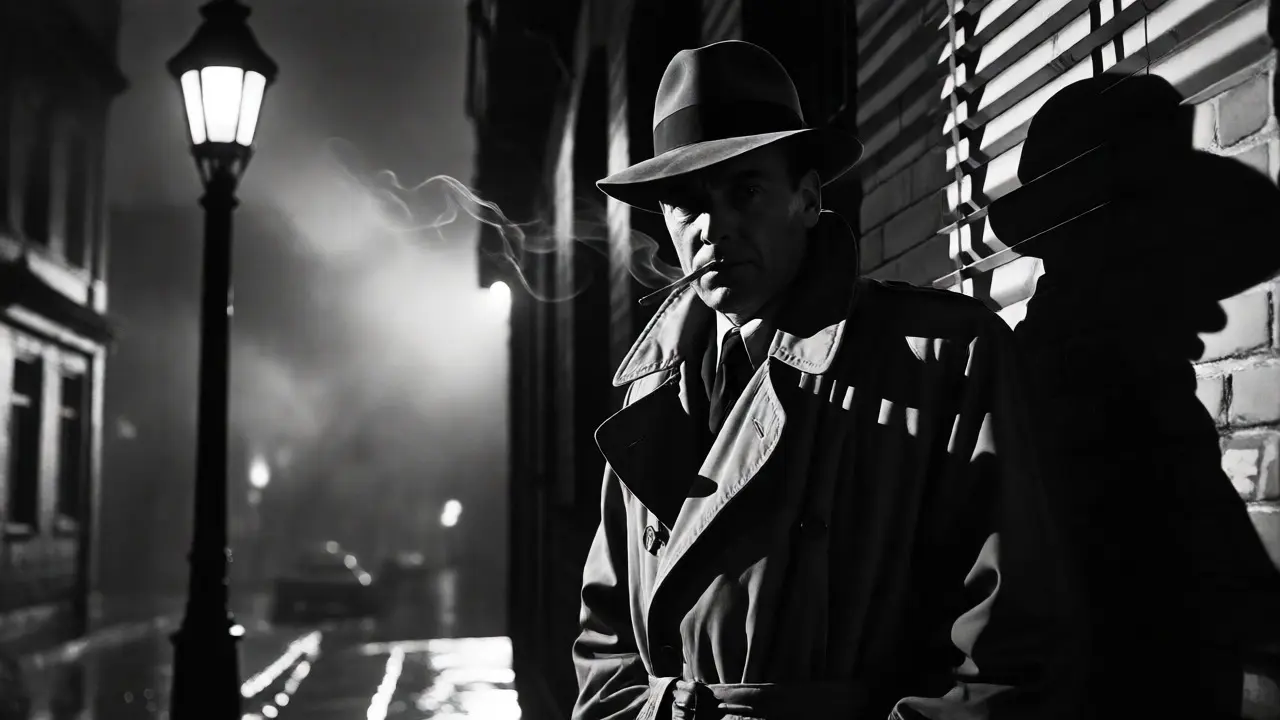
Discover the defining characteristics of film noir and its modern evolution, neo-noir. Learn how lighting, character archetypes, and moral ambiguity shape these iconic cinematic styles.
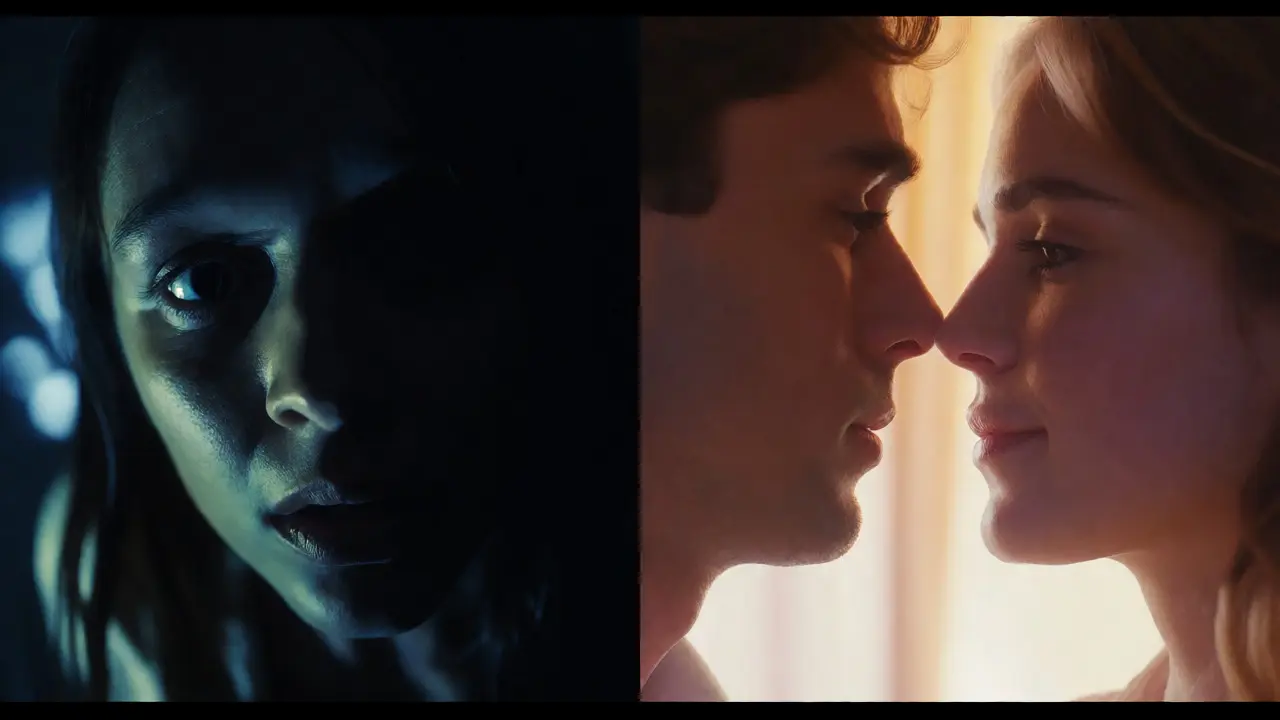
Discover how cinematography adapts to different film genres. Learn specific lighting, lens, and camera techniques for horror, romance, action, and drama.
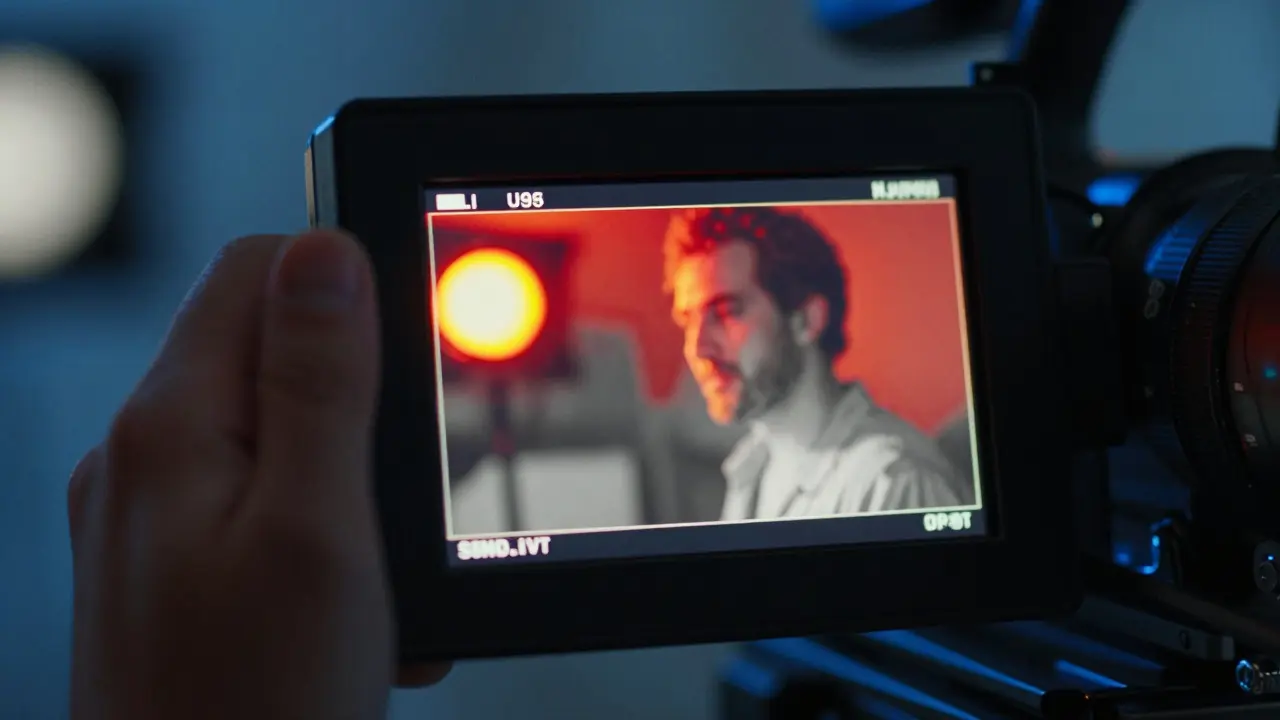
Learn how to use false color, waveform, and zebra stripes to master film exposure. Discover practical tips for avoiding clipping and ensuring clean, editable footage on set.
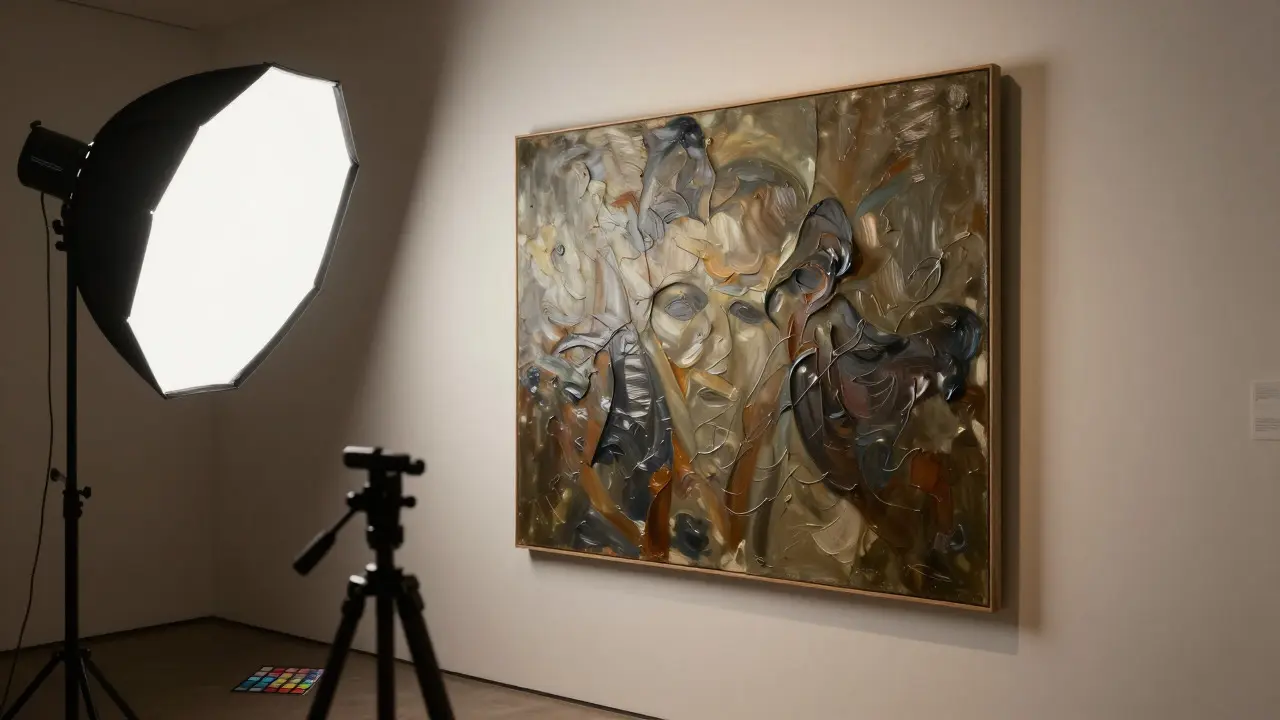
Learn how to light, frame, and edit paintings and sculptures for film. Discover techniques to capture texture, manage reflections, and preserve color accuracy in art-dense productions.
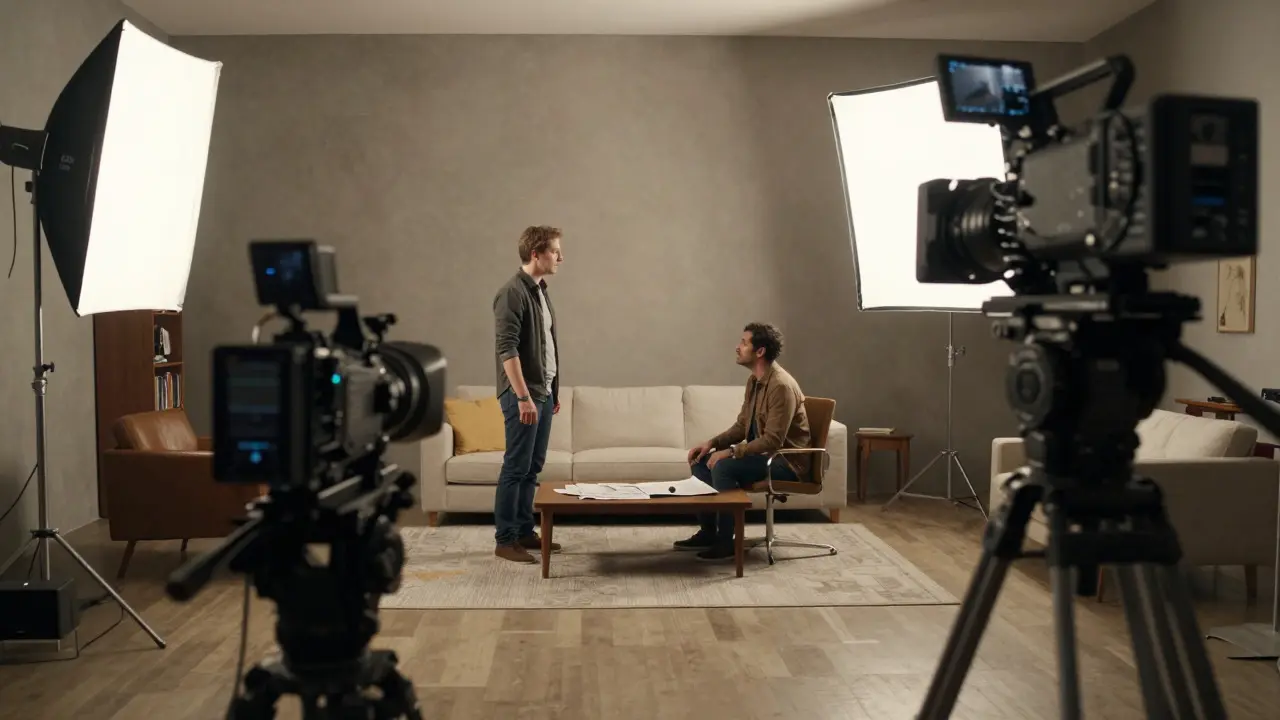
Learn how to plan and execute master shots for effective film coverage. Discover technical tips on lenses, lighting, and blocking to create seamless scenes.
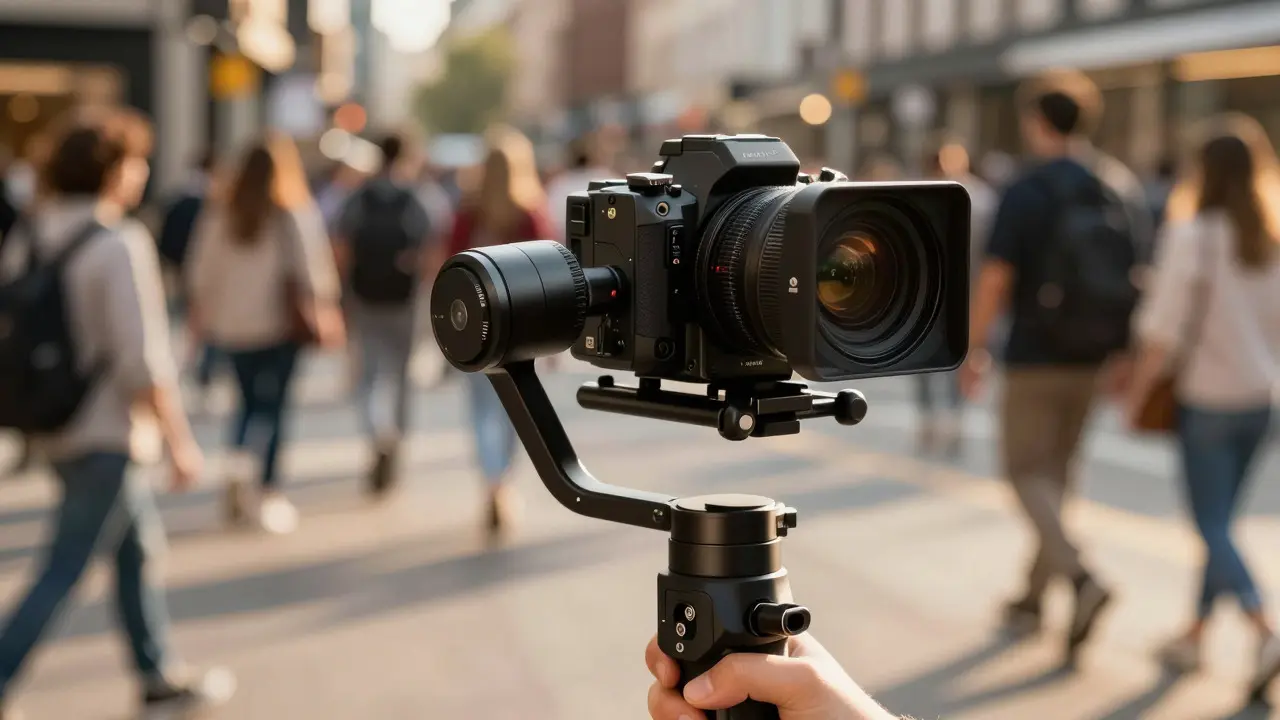
Learn how to choose between gimbals, dollies, and steadicams for smooth camera movement. We compare costs, setups, and best use cases for filmmakers.
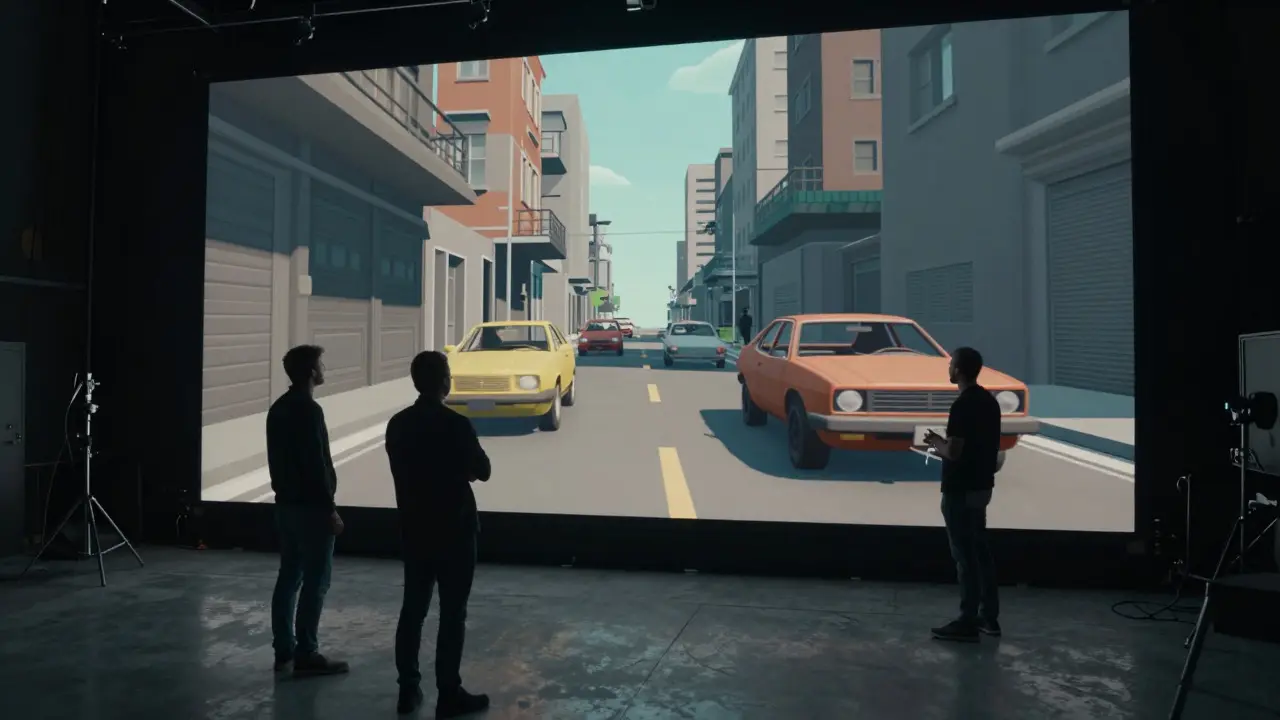
Learn how previsualization and postvisualization streamline complex film shots. Discover the key differences, workflow steps, and essential tools for modern VFX planning.
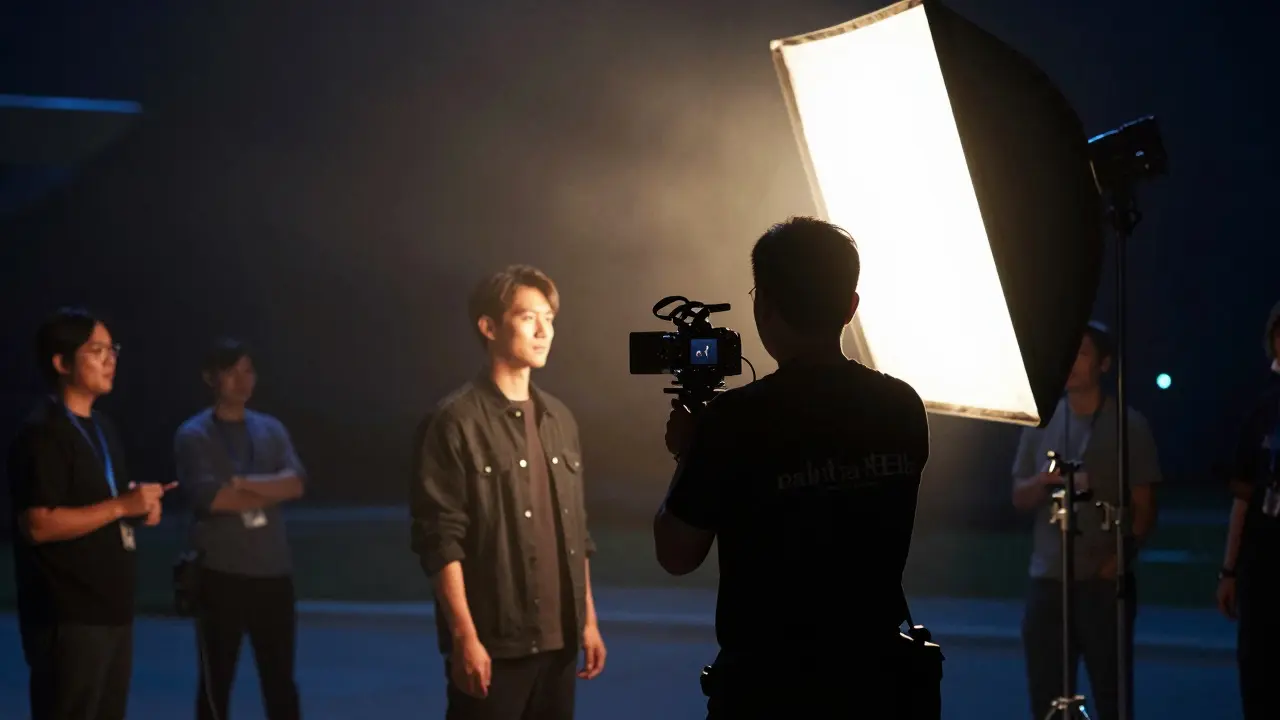
Learn how cinematography and color grading work together to define a film's visual style. This guide covers lighting, Log profiles, and practical grading workflows.
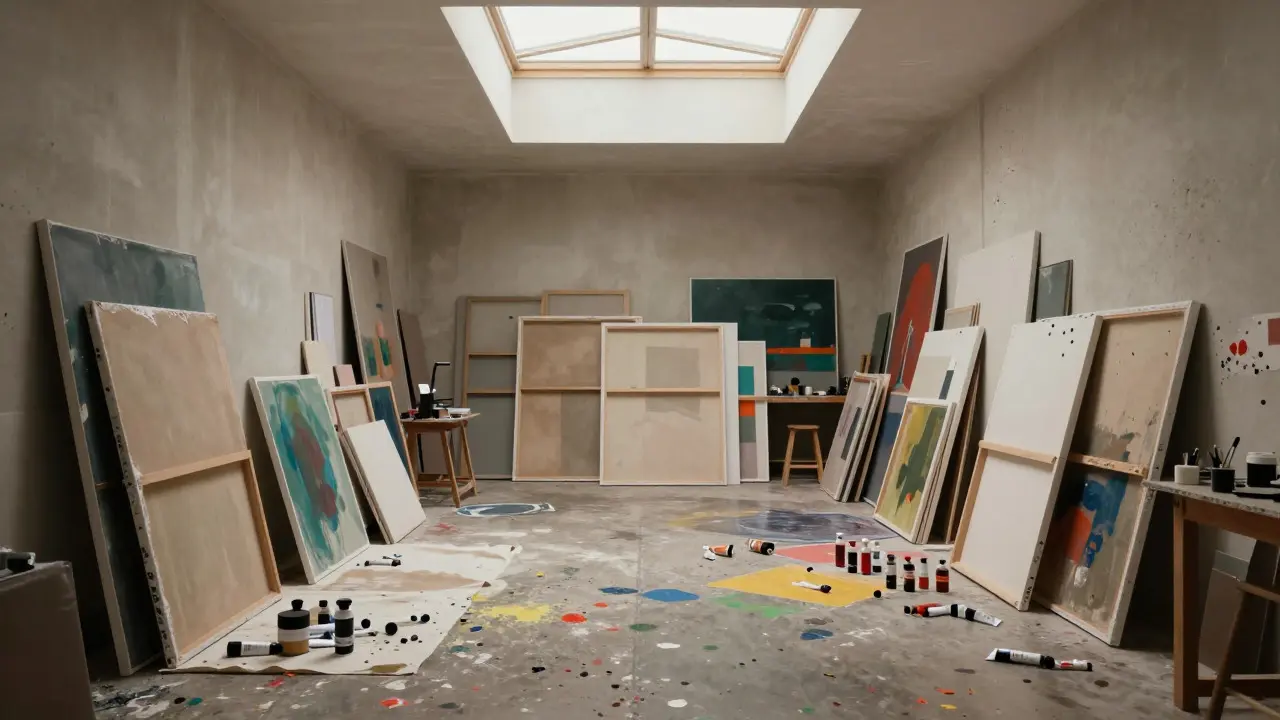
Discover how production designers use visual research methods to create authentic environments in art-themed films. Learn about props, lighting, and set decoration strategies.
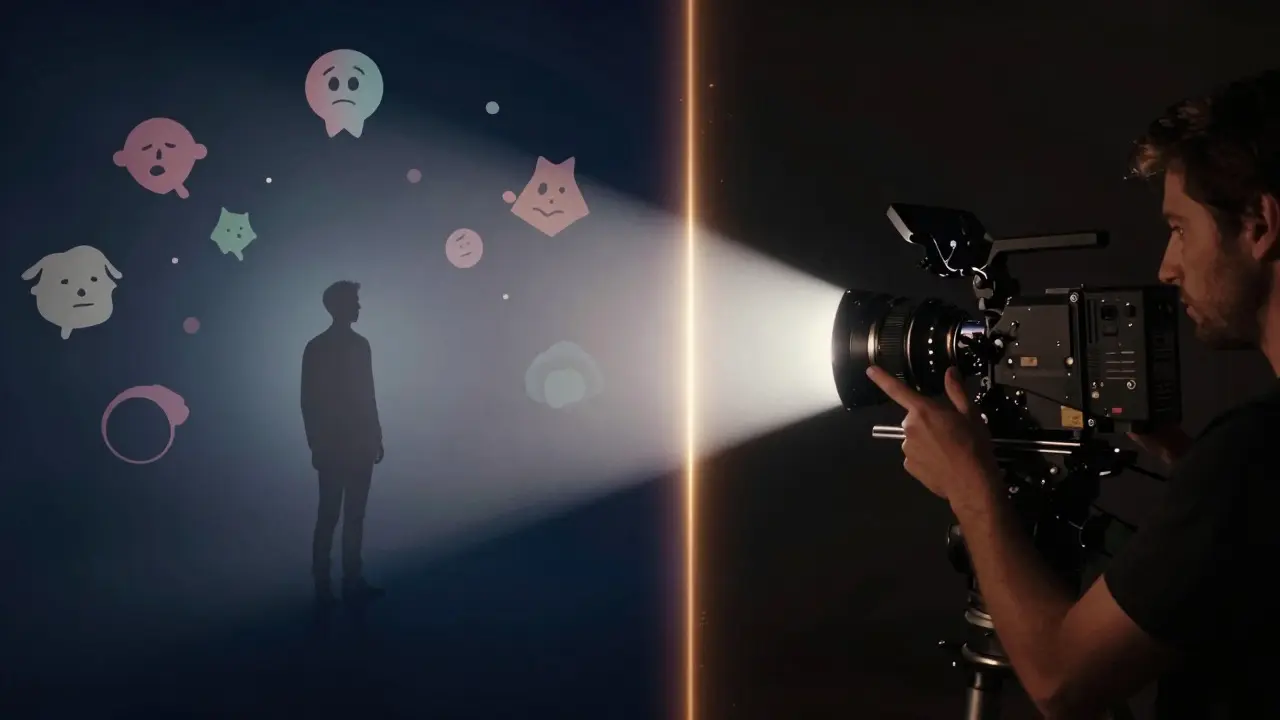
Discover how the director-cinematographer partnership shapes film visuals. Learn about pre-production strategies, on-set dynamics, and key elements for successful collaboration.
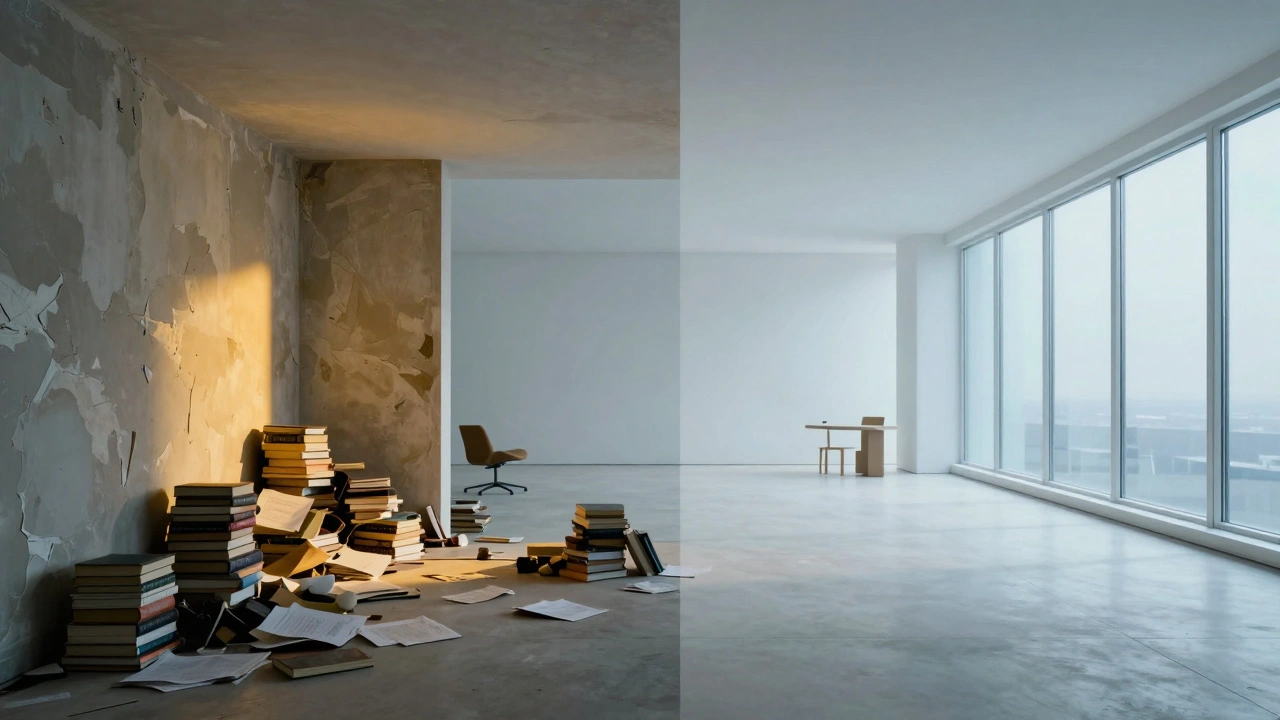
Explore how film architecture and production design shape storytelling. Learn how space, light, and color influence character psychology and audience emotion in cinema.
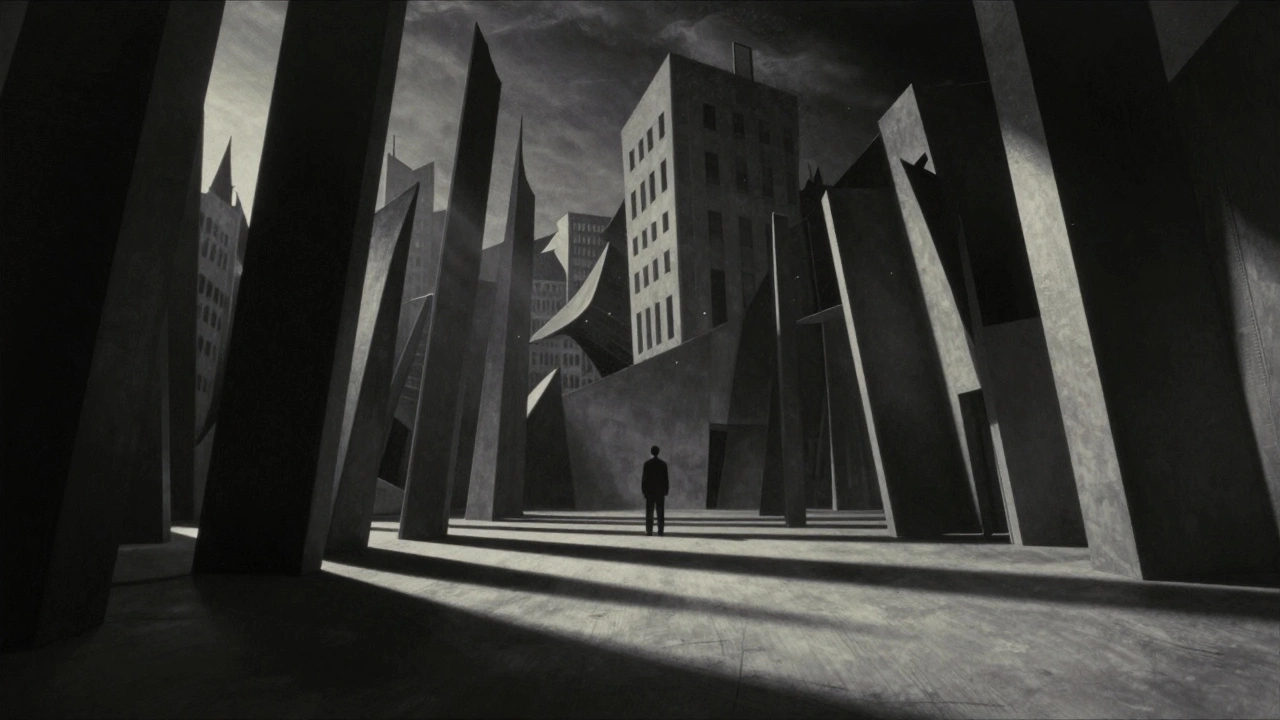
Explore how painters, sculptors, and visual artists shaped the history and aesthetic of cinema through design, lighting, and composition.