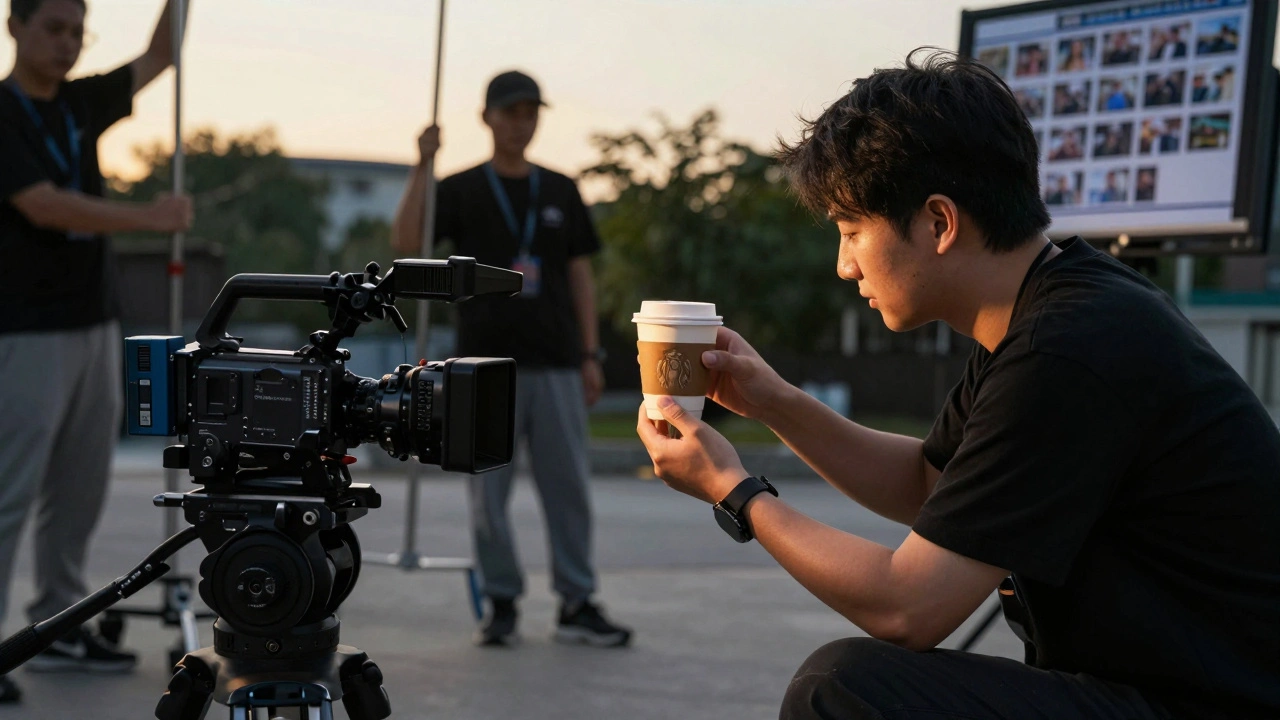
Ever watch a movie and feel something’s off-even though you can’t quite put your finger on it? Maybe a character’s coffee cup changes size between scenes. Or their hair flips from left to right for no reason. These aren’t accidents. They’re visual continuity failures-and they break immersion faster than a bad line reading.
Visual continuity isn’t just about keeping props consistent. It’s the invisible glue that holds a film’s reality together. When done right, you don’t notice it. When it’s wrong, your brain glitches. And in a world where audiences notice every frame, getting this right is non-negotiable.
What Exactly Is Visual Continuity?
Visual continuity means maintaining consistent visual details across all shots in a scene, even if those shots were filmed days or weeks apart. It’s the reason your character’s scar stays on the same cheek, their jacket doesn’t suddenly have a tear that wasn’t there before, and the position of sunlight in a window doesn’t jump from morning to midnight between cuts.
It’s not just about objects. It’s about lighting, camera angles, actor movement, even the way sweat drips down a forehead. Think of it like a jigsaw puzzle: every shot is a piece. If one piece is the wrong color or shape, the whole image looks broken.
Modern films often shoot out of sequence. An actor might film their emotional death scene on Tuesday, then return three weeks later to shoot a lighthearted breakfast scene. Without strict continuity, the audience would feel like they’re watching different people in the same story.
How Do Filmmakers Keep Track of Everything?
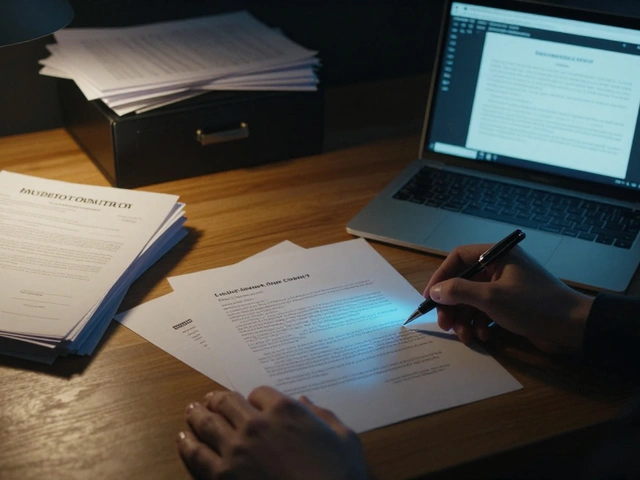
It starts before the camera rolls. On every professional set, a script supervisor-sometimes called a continuity person-is the unsung hero of visual consistency. They sit right next to the director, watching every take. Their notebook isn’t just scribbles. It’s a visual database.
They record:
- Exact placement of props: where the glass sits, how many ice cubes are in it, which hand the character holds it in
- Actor positioning: which foot steps forward first, which shoulder faces the camera
- Costume details: buttons fastened, wrinkles in fabric, dirt smudges
- Lighting direction: is the sun coming from the left or right? What time of day does the scene imply?
- Camera height and angle: every shot’s lens choice, focal length, and position
They take hundreds of photos per day. Not just of props, but of actors’ makeup, hair, nail polish, even the angle of their shoes. These photos become the reference bible for editors and VFX teams later.
For example, in The Dark Knight, the script supervisor tracked the exact placement of Joker’s chalk marks on the floor across multiple takes. Even though the scene was shot over three days, every chalk line matched perfectly in the final cut.
Why Do Continuity Errors Happen?
Even with the best team, mistakes slip through. Here’s why:
- Time gaps: Scenes shot weeks apart mean lighting, weather, and even actor appearance change. A beard grows. A scar fades. Hair gets longer.
- Multiple camera setups: If you shoot a conversation from three angles over three days, matching the actors’ positions becomes a nightmare.
- Stunt doubles: A stunt performer might be taller, shorter, or have different tattoos than the lead actor. Matching them visually is tricky.
- Post-production fixes: CGI or digital removal of wires can accidentally alter shadows or reflections if not carefully tracked.
One famous slip-up happened in Forrest Gump. In the scene where Forrest meets President Johnson, his hand is in his lap. In the next cut, it’s suddenly resting on the desk. No one noticed until years later. It’s still in the film. Some fans call it a "hidden message." Most just shrug.
How Do Directors Use Continuity as a Tool?
Here’s the twist: continuity isn’t always about sameness. Sometimes, filmmakers break it on purpose to tell a story.
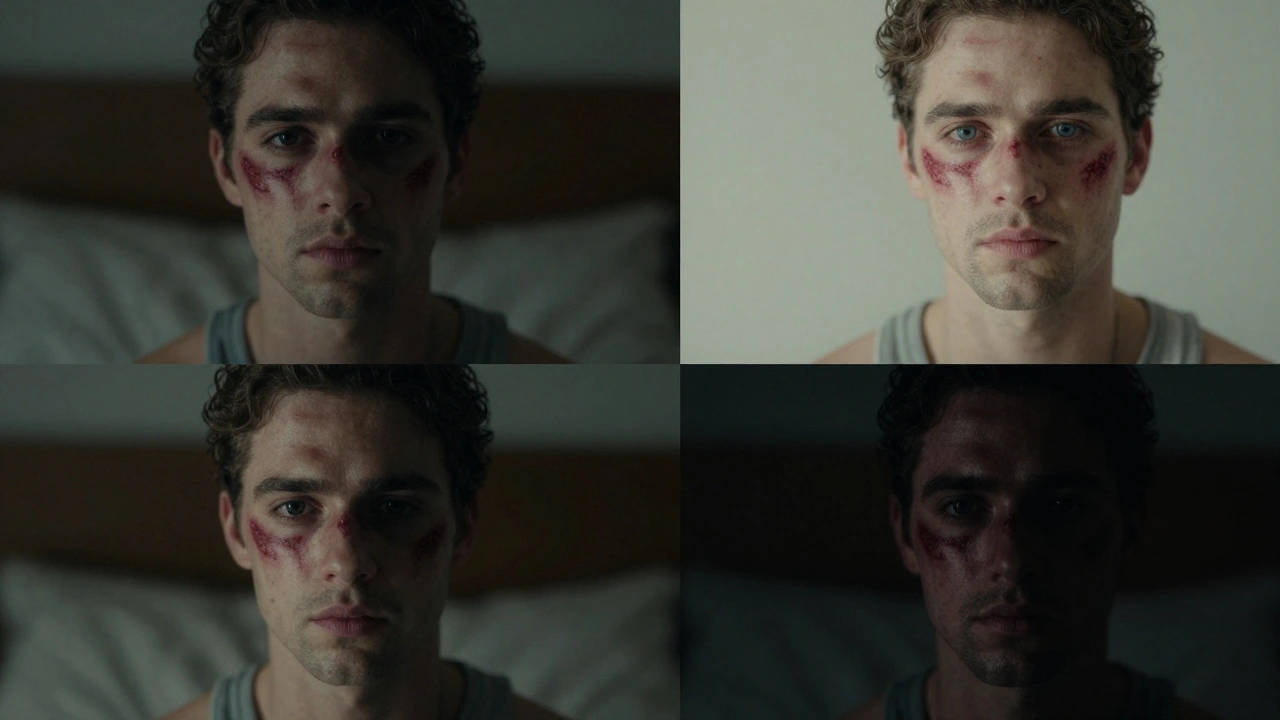
Think about Requiem for a Dream. The same character appears in three different timelines. Each timeline has its own visual language: color tones, lighting, even camera movement. The continuity isn’t matched-it’s deliberately mismatched to show how their mental states are fracturing.
Or in Slumdog Millionaire, the camera lingers on a character’s hand in one scene, then cuts to a close-up of the same hand in another scene-but the fingernails are painted differently. It’s not a mistake. It’s a visual clue: time has passed, and the character’s life has changed.
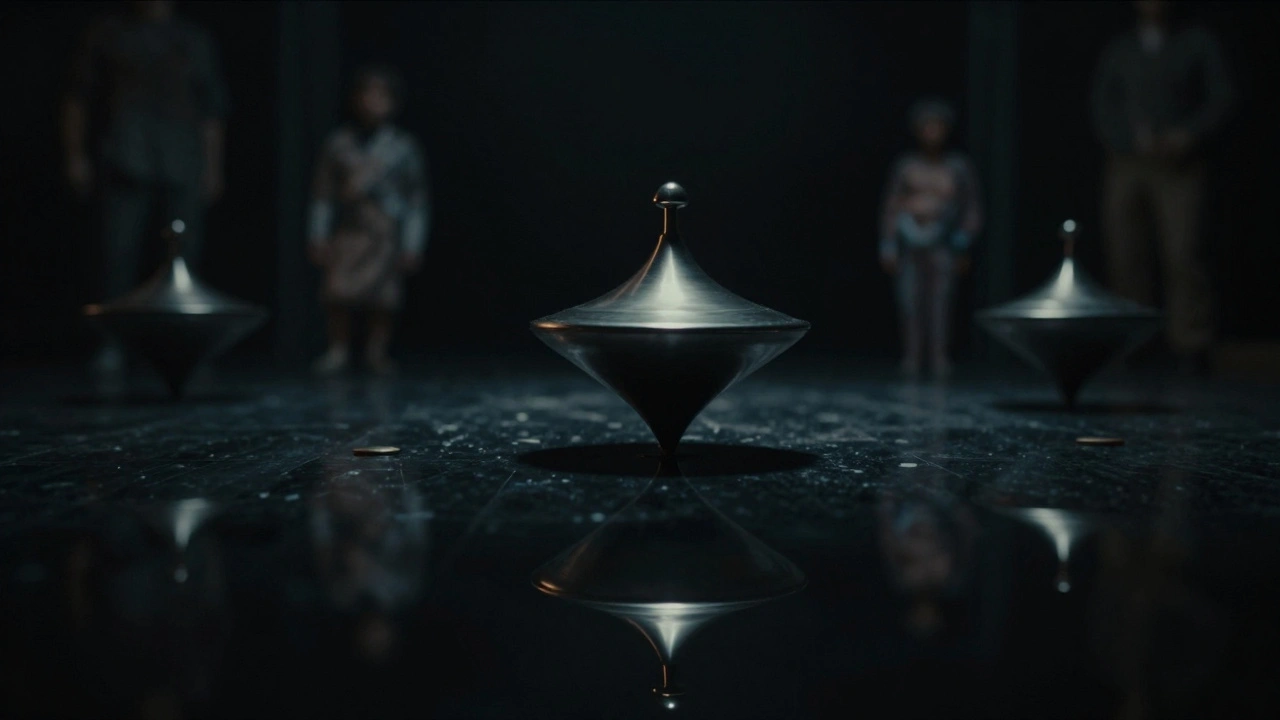
Even Inception uses continuity to play with reality. The spinning top. The same top, same spin, same weight. It’s the only thing that stays consistent across dream layers. Its continuity becomes the audience’s anchor.
What Happens When Continuity Breaks?
When continuity fails, it doesn’t just distract-it can ruin emotional impact.
Imagine a character crying after a death. The camera cuts to a close-up of their face. In the next shot, their tear is gone. The emotional weight collapses. You’re no longer feeling their grief. You’re wondering why the makeup team didn’t fix it.
Or worse: a character walks into a room holding a gun. Cut to a wide shot. The gun is gone. Cut back. It’s back. Now you’re not watching the story. You’re playing "spot the error."
Some errors are harmless. Others become memes. The infamous "coffee cup" scene in Friends (where the mug changes size between cuts) is now a pop culture joke. But in a dramatic film, that same mistake could cost you credibility.
Modern Tools That Help Maintain Continuity
Today’s filmmakers have tools that didn’t exist 20 years ago.
- Digital continuity logs: Apps like Continuity and ScriptBook sync with shot lists and allow crews to tag photos with timecodes and scene numbers.
- AI-assisted tracking: Some post-production teams use AI to scan footage and flag inconsistencies in lighting, object placement, or actor posture.
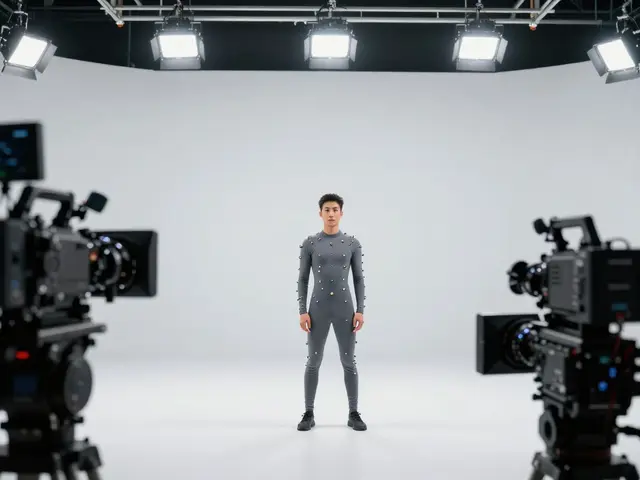
- 3D set scans: For complex sets, teams use laser scanners to create digital twins. If a prop moves 2 inches in one shot, they can detect it in the scan.
- Virtual production: On shows like The Mandalorian, LED walls display real-time environments. This means lighting and reflections are physically accurate, eliminating dozens of continuity variables.
These tools don’t replace human eyes-they amplify them. The script supervisor still has the final say. Machines flag anomalies. Humans decide if they matter.
What Should You Look For as a Viewer?
Next time you watch a film, pay attention to small things:
- Does the character’s drink level change between cuts?
- Is the position of their wedding ring the same in every shot?
- Does the shadow from a lamp fall in the same direction?
- Is the same earlobe showing in every profile shot?
When you notice these, you’re not being picky-you’re learning how films work. You’re seeing the invisible craft behind the magic.
Great continuity doesn’t scream for attention. It whispers. And when it whispers perfectly, you believe the story-completely.




Comments(10)