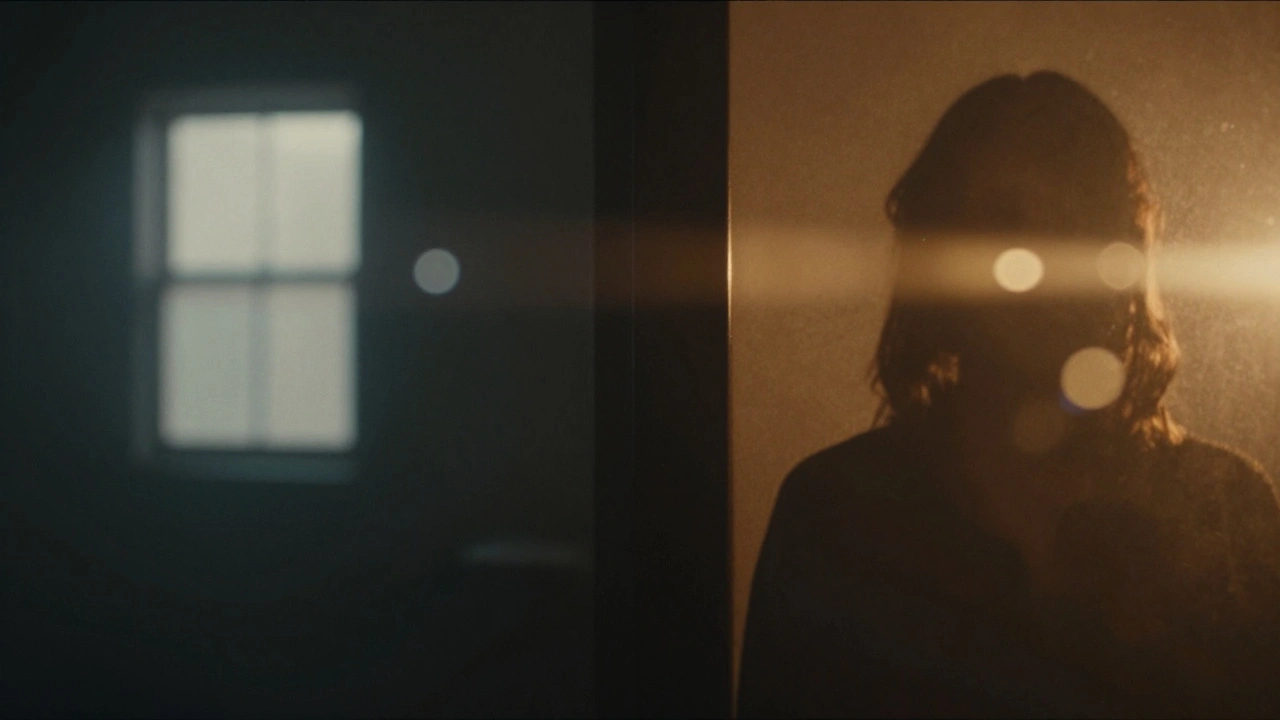
When you watch a movie and feel like you’re being pulled into another world - the way the light bleeds at the edges, the oval bokeh behind a character’s shoulder, the way faces stretch slightly as they turn - that’s not magic. It’s lens choice. And between anamorphic and spherical lenses, you’re not just picking glass. You’re picking a language.
What’s the Difference Between Anamorphic and Spherical Lenses?
Spherical lenses are the standard. They capture an image the same way your eyes see it - width and height scaled equally. They’ve been used in almost every TV show, indie film, and YouTube video since the 1950s. Simple. Clean. Reliable.
Anamorphic lenses are different. They squeeze a wider image onto a narrower film or sensor. That squeeze is undone in post, giving you a widescreen aspect ratio - usually 2.39:1 - without cropping. But it’s not just about the shape. Anamorphics add something spherical lenses can’t: horizontal lens flares, elliptical bokeh, and a unique depth feel that feels more immersive, more cinematic.
Think of it like this: spherical lenses show you the scene. Anamorphic lenses make you feel like you’re standing in it.
Why Anamorphic Feels More Cinematic
It’s not just the 2.39:1 aspect ratio. That’s just the frame. The real magic is in the imperfections - the way anamorphic lenses render out-of-focus highlights as stretched ovals instead of circles. That’s why you see those soft, horizontal streaks behind lights in Blade Runner 2049 or Mad Max: Fury Road. It’s not a filter. It’s physics.
Anamorphic lenses also compress depth. Two people standing side by side in a spherical shot look equally sharp from front to back. In an anamorphic shot, the background melts away faster. The subject pops. That’s why directors like Denis Villeneuve and Paul Thomas Anderson use them for intimate scenes - it forces the viewer’s eye to focus on one thing, like a glance, a hand trembling, or a tear.
And then there’s the flare. Anamorphic flares aren’t accidental. They’re designed. A bright light hitting the lens doesn’t just bloom - it streaks across the frame like a brushstroke. In Star Wars, those horizontal flares became part of the visual identity. In Top Gun: Maverick, they’re used to mimic the sun glinting off jet canopies. It’s not decoration. It’s storytelling.
When Spherical Lenses Are the Better Choice
Not every story needs that Hollywood sheen. If you’re shooting a documentary, a talking-head interview, or a low-budget indie film with a tight schedule, spherical lenses are your friend.
They’re lighter. They focus faster. They don’t require as much light. A 50mm spherical lens can give you great depth and sharpness with an f/1.8 aperture. An anamorphic 50mm? You’re looking at f/2.8 or slower - meaning you need more lighting, more gear, more time.
Also, spherical lenses don’t distort faces. Anamorphics can stretch features slightly when shooting close-ups, especially if the lens isn’t perfectly calibrated. That’s fine for a dramatic close-up in a thriller - but if you’re filming a wedding or a corporate video, you want people to look natural. Spherical lenses handle that better.
And let’s not forget cost. A good spherical prime lens can cost $500-$1,500. A decent anamorphic lens? Start at $5,000. Rental? $300-$800 per day. That’s not just an upgrade. It’s a budget shift.
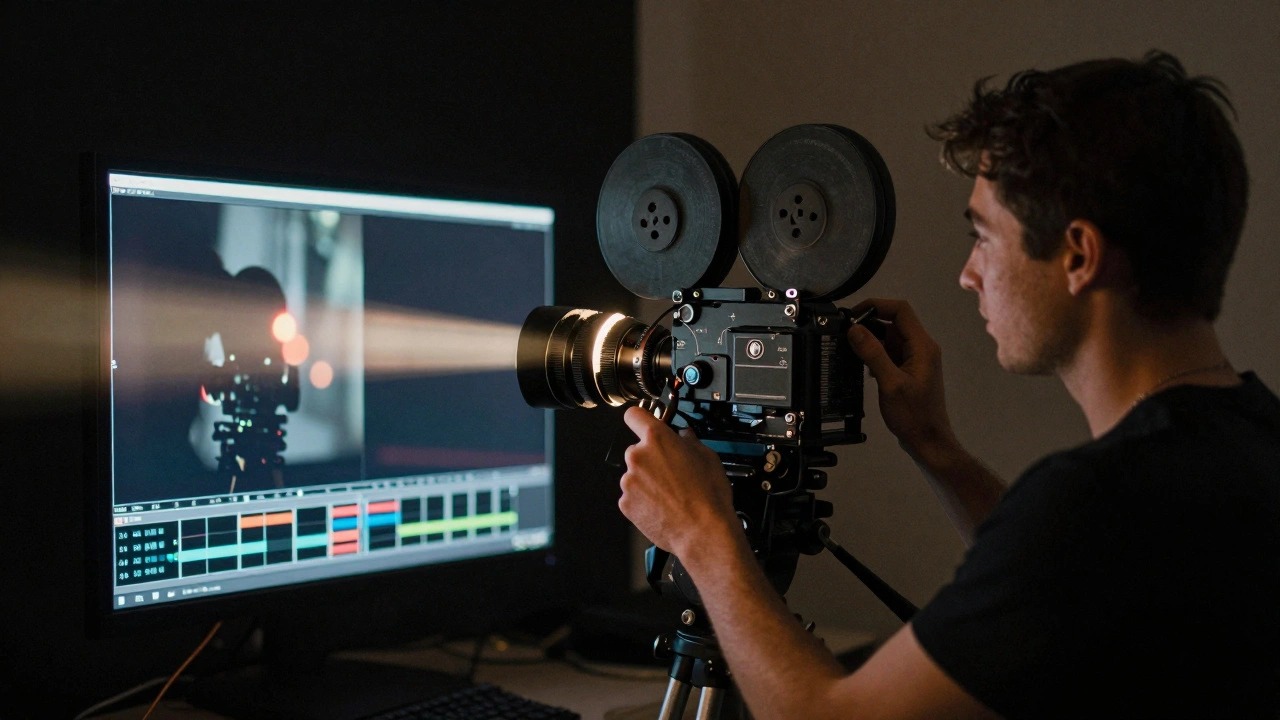
Choosing Based on Your Project
Ask yourself these three questions:
- What’s the emotional tone? If you want epic, immersive, or nostalgic - go anamorphic. If you want real, immediate, or intimate - spherical works better.
- What’s your gear and crew capacity? Anamorphics need follow focus, more lighting, and a second assistant to manage focus pull. Spherical lenses can be handled by one person with a DSLR and a tripod.
- What’s your post workflow? Anamorphic footage needs de-squeezing in editing. That adds a step. Spherical footage? Just grade and export.
Here’s a real example: I worked on a short film about a veteran returning home. We shot the flashbacks in anamorphic - the colors were warmer, the flares softer, the background blurred like memory. The present-day scenes? Spherical. Sharp, cold, unfiltered. The contrast told the story before a word was spoken.
Common Misconceptions
Some people think anamorphic lenses are just for big-budget films. Not true. A lot of indie filmmakers use vintage anamorphic adapters - like the Sirui 1.33x or Kowa - on their mirrorless cameras. They’re not perfect, but they give you the look for under $500.
Others think spherical lenses are “boring.” But look at The Social Network - shot entirely on spherical lenses. The tension in those scenes comes from the tight framing, the sharp focus, the way every detail matters. It’s not about the lens shape. It’s about how you use it.
And don’t confuse aspect ratio with lens type. You can shoot 2.39:1 with spherical lenses by cropping the top and bottom. But you won’t get the flares, the bokeh, or the depth compression. You’ll just have a cropped image.
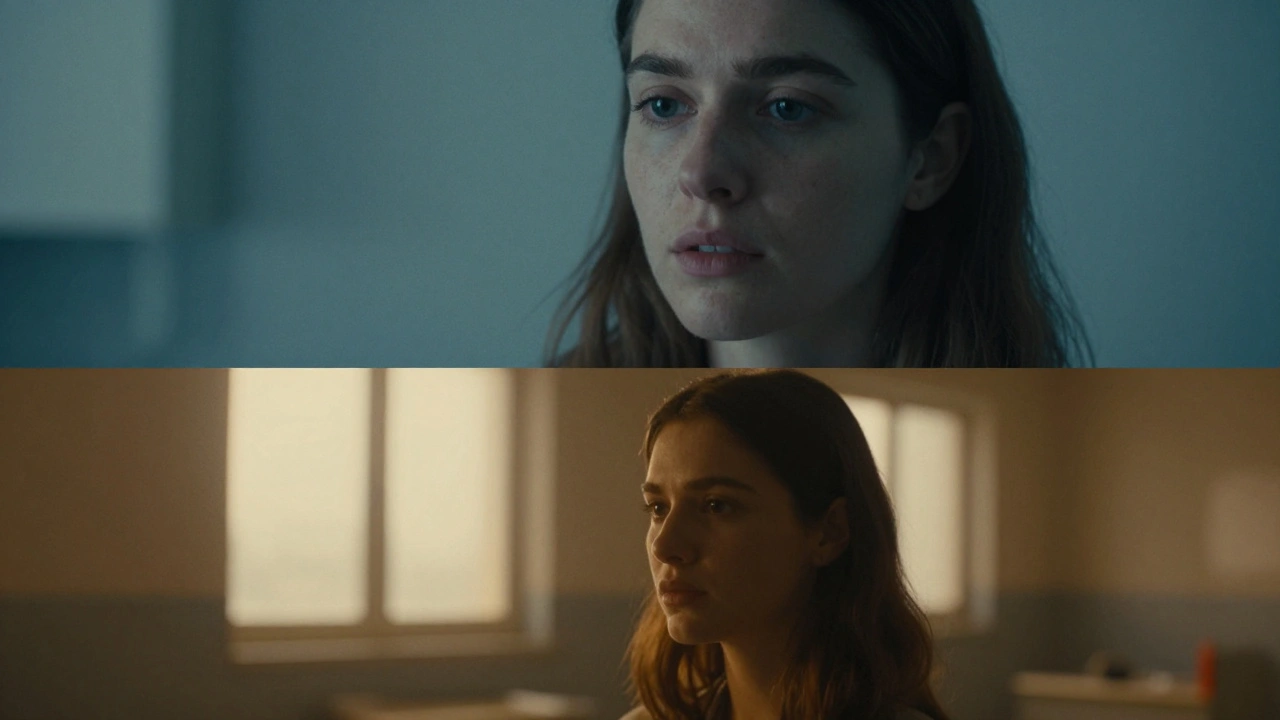
Real-World Comparison: Anamorphic vs Spherical
| Feature | Anamorphic Lenses | Spherical Lenses |
|---|---|---|
| Aspect Ratio | 2.39:1 (native) | 16:9 or 4:3 (requires cropping for widescreen) |
| Bokeh Shape | Horizontal ovals | Round circles |
| Flare Style | Horizontal streaks | Soft bloom |
| Minimum Aperture | f/2.8-f/4 (slower) | f/1.2-f/1.8 (faster) |
| Light Requirements | High - needs more lighting | Low - works in natural light |
| Focus Precision | Critical - shallow depth of field | More forgiving |
| Cost (new) | $5,000-$20,000+ | $300-$2,000 |
| Post Production | Requires de-squeezing | None needed |
What Professionals Say
Roger Deakins, who shot Blade Runner 2049 and 1917, uses both. He says anamorphic lenses “have a character you can’t replicate.” But he also shot Skyfall with spherical lenses because the story needed a tighter, more claustrophobic feel.
Greig Fraser, DP for Dune and Obi-Wan Kenobi, uses anamorphic for scale and emotion. “The way anamorphic lenses render space - it feels like you’re walking into a painting,” he told American Cinematographer.
On the flip side, cinematographers like Rachel Morrison (Black Panther) have proven spherical lenses can feel just as epic - if you use movement, lighting, and composition to build depth.
Bottom Line: Pick Based on Story, Not Trend
Anamorphic lenses aren’t better. Spherical lenses aren’t cheaper alternatives. They’re different tools for different stories.
If your film is about grandeur - a desert, a spaceship, a war - anamorphic gives you the scale. If it’s about silence - a room, a glance, a breath - spherical keeps you grounded.
You don’t need to own anamorphic lenses to use them. Rent a set for a week. Shoot a test. See how the flares change your mood. Compare it side by side with your spherical lens. You’ll know the moment you see it.
Because in the end, it’s not about the glass. It’s about what the glass lets you say.
Can I get an anamorphic look with a spherical lens and a filter?
No. Filters can mimic some flares or add stretch, but they don’t replicate the optical physics of an anamorphic lens. The way light bends through anamorphic elements - the horizontal compression, the unique bokeh, the depth compression - can’t be duplicated with a screw-on filter. You’ll get a visual effect, not the real cinematic character.
Are anamorphic lenses only for full-frame sensors?
No. Anamorphic lenses work on APS-C, Micro Four Thirds, and even Super 16mm film. But you need to account for crop factor. A 50mm anamorphic on an APS-C sensor behaves like a 75mm lens in terms of field of view. That’s fine - many indie filmmakers use this to get tighter framing without renting expensive full-frame gear.
Do I need to shoot in 4K to use anamorphic lenses?
Not at all. Anamorphic lenses were used on 16mm film long before digital existed. Shooting in HD or even 1080p works fine. The issue isn’t resolution - it’s how much of the squeezed image you capture. If you shoot in 4K, you have more room to de-squeeze without losing quality. But if you’re on a budget, 1080p is still cinematic.
Can I use anamorphic lenses for portraits?
You can, but be careful. Anamorphics stretch faces slightly when shooting close-ups, especially with wide lenses. A 50mm anamorphic on a full-frame camera will distort facial features if you’re closer than 6 feet. For portraits, stick to 85mm or longer anamorphic lenses, or use spherical lenses for natural proportions.
Is it worth renting anamorphic lenses for a short film?
If your story demands it - yes. A 30-minute film with one key scene that needs that cinematic weight can justify a $1,000 rental. Test it first. Shoot a 5-minute sequence with both lenses. Compare the emotional impact. If the anamorphic version makes your skin crawl or your heart drop - then it’s worth it. If not, save the money and use spherical lenses with strong lighting and composition.


Comments(10)