Think about the last time a movie made you feel something just by how the camera moved-or didn’t move. That’s not luck. It’s choice. Every time a camera stays still or glides across a room, it’s telling you something about what matters in that moment. In film, framing isn’t just about what you see-it’s about how you’re meant to feel it.
Static Framing: The Power of Stillness
Static framing means the camera doesn’t move. No pans, no tilts, no dolly shots. It sits. And sometimes, that’s the most powerful thing it can do.
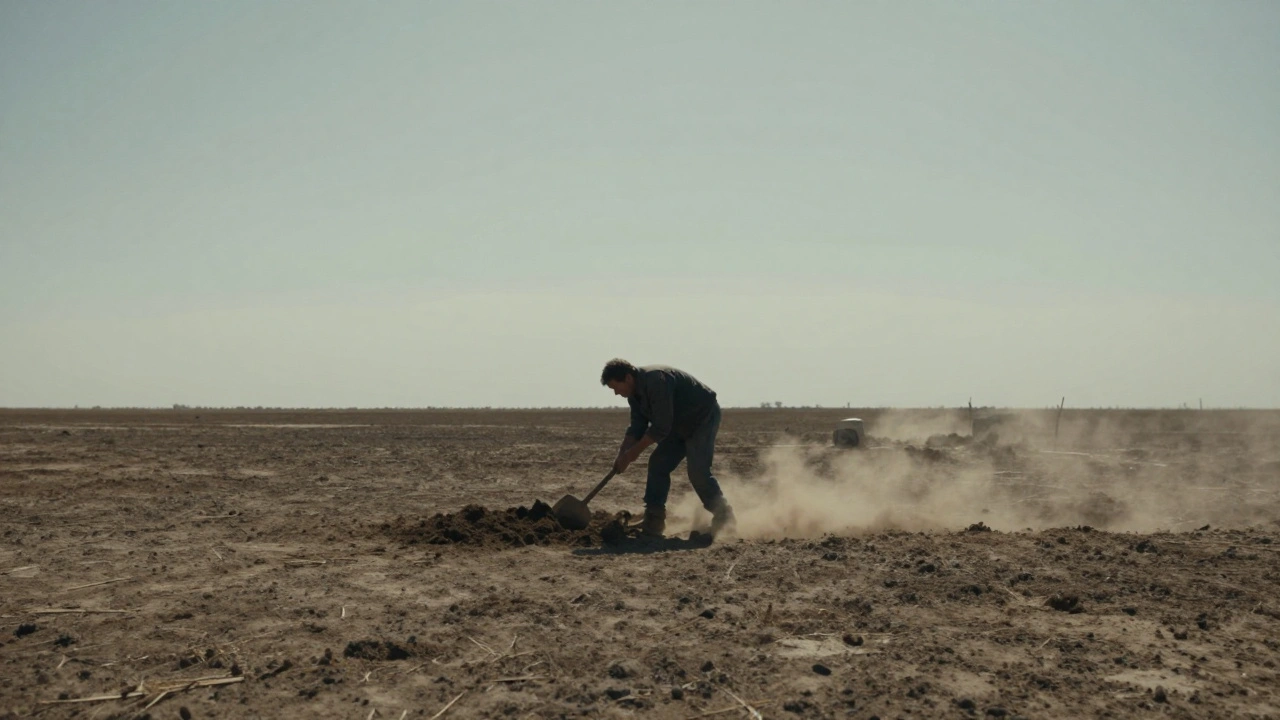
Take the opening scene of There Will Be Blood. The camera stays locked on Daniel Plainview as he digs in the dirt. No music. No cuts. Just him, the shovel, and the silence. That stillness makes you feel the weight of his isolation. It tells you this man is alone in a way that movement never could.
Static shots work best when you want the audience to focus on emotion, detail, or tension. A character sitting at a kitchen table, staring out the window. A hostage situation where every breath matters. A close-up of a trembling hand holding a letter. These moments don’t need motion. They need stillness to breathe.
It’s not lazy filmmaking. It’s deliberate. Directors like Yasujirō Ozu and Béla Tarr built entire careers on static framing. Ozu’s low-angle shots of families eating dinner? No camera movement. Just quiet observation. That’s how you make silence feel loud.
Static framing also gives actors space. When the camera doesn’t move, the actor’s performance becomes the only thing pulling you in. Think of Tilda Swinton in Michael Clayton, sitting in a car, saying nothing for 90 seconds. The camera doesn’t flinch. And neither do we.
Dynamic Framing: Motion as Meaning
Dynamic framing is when the camera moves to guide your attention, create energy, or mirror emotion. A tracking shot. A handheld shake. A crane rising above a crowd. These aren’t just fancy tricks-they’re storytelling tools.
Remember the hallway fight in John Wick? The camera glides, spins, and follows every punch, every bullet, every body falling. It doesn’t just show the action-it makes you feel like you’re in the middle of it. The movement isn’t decorative. It’s the rhythm of chaos.
Dynamic shots are also great for revealing information. In 1917, the entire film feels like one continuous shot. The camera follows the soldiers through trenches, burning buildings, and open fields. Each movement reveals a new layer of the war: the mud, the bodies, the fear. The camera doesn’t just capture the world-it explores it with them.
Handheld cameras create urgency. Think of The Bourne Identity. The shaky, unstable frames don’t just look gritty-they make you feel disoriented, hunted, unsure. That’s the point. The camera’s movement is the character’s heartbeat.
Even slow, elegant movements can carry meaning. The opening of Goodfellas is a smooth, gliding shot through the Copacabana. The camera moves like a VIP, slipping past bouncers and into the spotlight. It’s not just showing us the club-it’s letting us feel what it’s like to be on the inside.
When Static Works Better Than Dynamic
Not every scene needs motion. In fact, too much movement can drain emotion.
Consider a moment of grief. A mother sitting beside her child’s hospital bed. If the camera circles her, zooms in, or pulls away, it distracts from the rawness of the moment. A static shot keeps the focus on her face, her silence, her breath. Movement here would feel invasive.
Static framing also helps build dread. In The Witch, the camera rarely moves as the family unravels in the woods. The stillness makes every creak, every shadow, every whisper feel like a threat. If the camera jumped around, the fear would lose its grip.
Even in comedy, stillness can be funnier. In The Grand Budapest Hotel, Wes Anderson uses symmetrical static shots to create a world that feels perfectly controlled. When something breaks that order-a door slams, a character runs-the contrast hits harder because everything else stayed still.
Static framing is the quiet voice in a noisy room. It doesn’t shout. It waits. And when it speaks, you lean in.
When Dynamic Framing Wins
Dynamic framing shines when you need to show change, chaos, or progression.
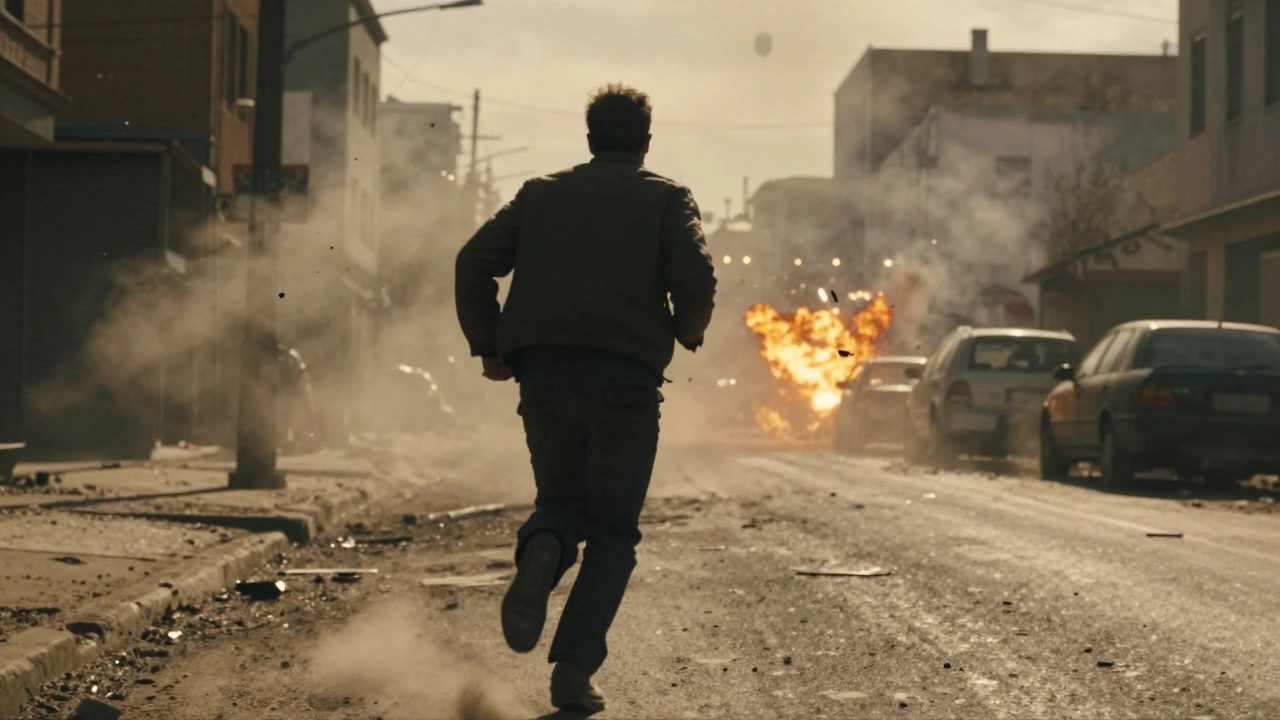
Think of a chase scene. A character running through a city. A static shot would just show them disappearing into the distance. But a tracking shot, following close behind, makes you feel their exhaustion, their panic. The camera becomes their legs.
Dynamic movement also helps with scale. In Lord of the Rings, when the army of Rohan charges down the hill, the camera rises and sweeps across the battlefield. You don’t just see the battle-you feel its weight. The movement gives you perspective. It turns soldiers into a tide.
It’s also essential for character arcs. In Parasite, the camera moves from the cramped basement apartment to the sleek modern house, then back down again. The physical movement mirrors the characters’ social climb and fall. The camera doesn’t just film the space-it tells the story of class.
And let’s not forget the emotional payoff. In La La Land, the final montage uses a sweeping crane shot to show what could have been. The camera rises, floats, and glides through memory. That movement doesn’t just show nostalgia-it makes you ache for it.
Choosing Between Static and Dynamic: A Practical Guide
So how do you decide? Here’s a simple rule: ask yourself what the scene needs to do emotionally.
- Use static framing when you want the audience to sit with a feeling: grief, awe, tension, stillness, isolation.
- Use dynamic framing when you want them to move with the story: chase, discovery, escalation, transformation, release.
Another trick: try shooting the scene both ways. Film it static. Then film it with a dolly or handheld. Watch both. Which one makes you feel more? That’s your answer.
Don’t fall into the trap of thinking dynamic is more professional. A static shot that holds for 30 seconds can be harder to execute than a quick zoom. It demands perfect timing, perfect lighting, perfect acting. It’s not easier-it’s riskier.
And dynamic isn’t always better just because it’s flashy. A shaky cam in a quiet conversation? It’ll ruin the mood. A smooth crane shot in a bathroom scene? It’ll feel absurd.
Every movement, or lack of movement, should serve the story-not the ego of the cinematographer.
Real-World Examples: What Works
Let’s break down two scenes that got it right.
Static: The Dinner Scene in Manchester by the Sea
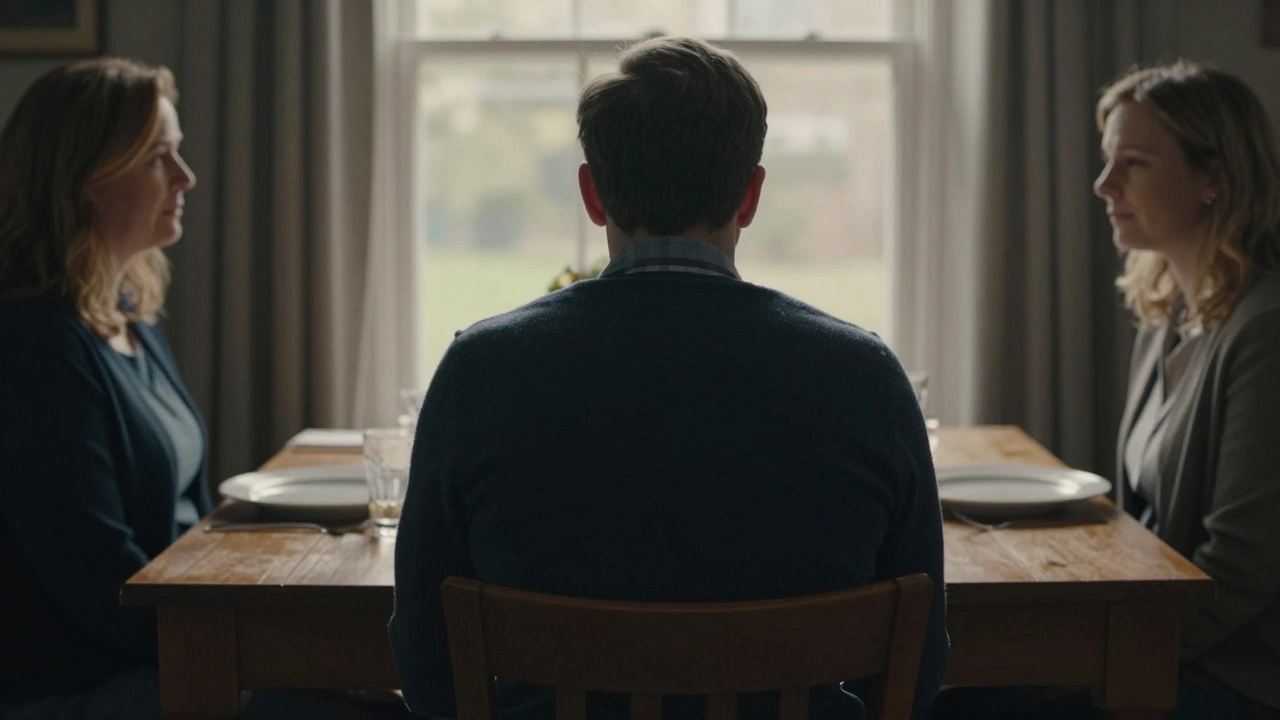
Lee sits at a table with his ex-wife. The camera stays fixed on his face. No cuts. No movement. The silence is thick. You can see the pain in his eyes, the way he won’t look at her. The stillness forces you to sit in that discomfort. Move the camera? You’d break the spell.
Dynamic: The Opening of Children of Men
The camera follows Theo through a war-torn street. It weaves through chaos-gunfire, screaming, explosions. The shot lasts over three minutes. No cuts. No tricks. Just the camera, moving like a survivor. You don’t just watch the world fall apart-you’re running through it.
One is still. One is wild. Both are perfect.
Common Mistakes to Avoid
Here’s what goes wrong when filmmakers misjudge camera movement:
- Overusing movement: If every shot glides or zooms, nothing stands out. Movement loses meaning.
- Forcing movement: Adding a dolly just because you think it looks cool. It’s not art-it’s decoration.
- Ignoring sound: A static shot with loud, distracting audio can feel unbalanced. Sound and movement must work together.
- Not planning the edit: A long static shot might look great alone, but if the next cut is a fast zoom, the rhythm breaks.
Remember: camera movement isn’t about what you can do. It’s about what you should do.
Final Thought: Movement Is a Language
Static and dynamic framing aren’t just techniques. They’re words in the language of cinema. Stillness is a pause. Movement is a sentence. A slow pan is a sigh. A rapid zoom is a gasp.
The best cinematographers don’t just operate cameras-they speak. They choose silence when the story needs it. They choose motion when the emotion demands it.
Next time you watch a film, pay attention to the camera. Not just what it shows-but how it moves. Or doesn’t. That’s where the real story lives.
When should I use a static shot in my film?
Use a static shot when you want the audience to focus on emotion, silence, or detail. It works best in intimate scenes-grief, confrontation, quiet reflection. Static framing removes distraction and lets the performance or environment speak for itself. Think of it as letting the moment breathe.
Is dynamic camera movement always better for action scenes?
Not always. While dynamic movement often enhances action, too much motion can make scenes confusing. Some directors, like Christopher Nolan, use quick cuts and minimal camera movement to keep action clear. The goal isn’t movement for its own sake-it’s clarity and impact. A well-timed static shot during a punch can make it hit harder.
Can static and dynamic shots be combined in one scene?
Absolutely. Many powerful scenes use both. For example, a static wide shot establishes the setting, then a slow dolly in brings you into the character’s emotion. Or a handheld chase ends with a sudden static close-up of the character’s face. The contrast between movement and stillness creates rhythm and emotional weight.
Do I need expensive gear to do dynamic camera movement?
No. You don’t need a Steadicam or drone. A simple tripod, a slider, or even holding the camera steady while walking can create effective movement. Many indie films use handheld shots with smartphones or DSLRs. What matters isn’t the gear-it’s the intention. A shaky hand holding the camera can be more powerful than a perfectly smooth glide if it matches the character’s anxiety.
How do I avoid making my camera movement look amateurish?
Practice. And ask: does this movement serve the story? Avoid random pans, sudden zooms, or spinning shots just because you can. Smooth, purposeful motion looks professional. Unnecessary movement looks like you’re trying too hard. Watch films known for strong cinematography-like 1917 or The Revenant-and study how every movement has a reason.




Comments(5)