Some movies stick with you because of the story. Others because of the acting. But the ones that haunt you long after the credits roll? Those are often the ones where every frame feels like a painting you can step into. That’s cinematography-not just shooting scenes, but shaping emotion through light, shadow, motion, and color. In recent years, the art has evolved beyond technical perfection into something deeply intuitive, almost invisible. The best cinematography doesn’t shout. It breathes.
What Makes Cinematography Stand Out Today?
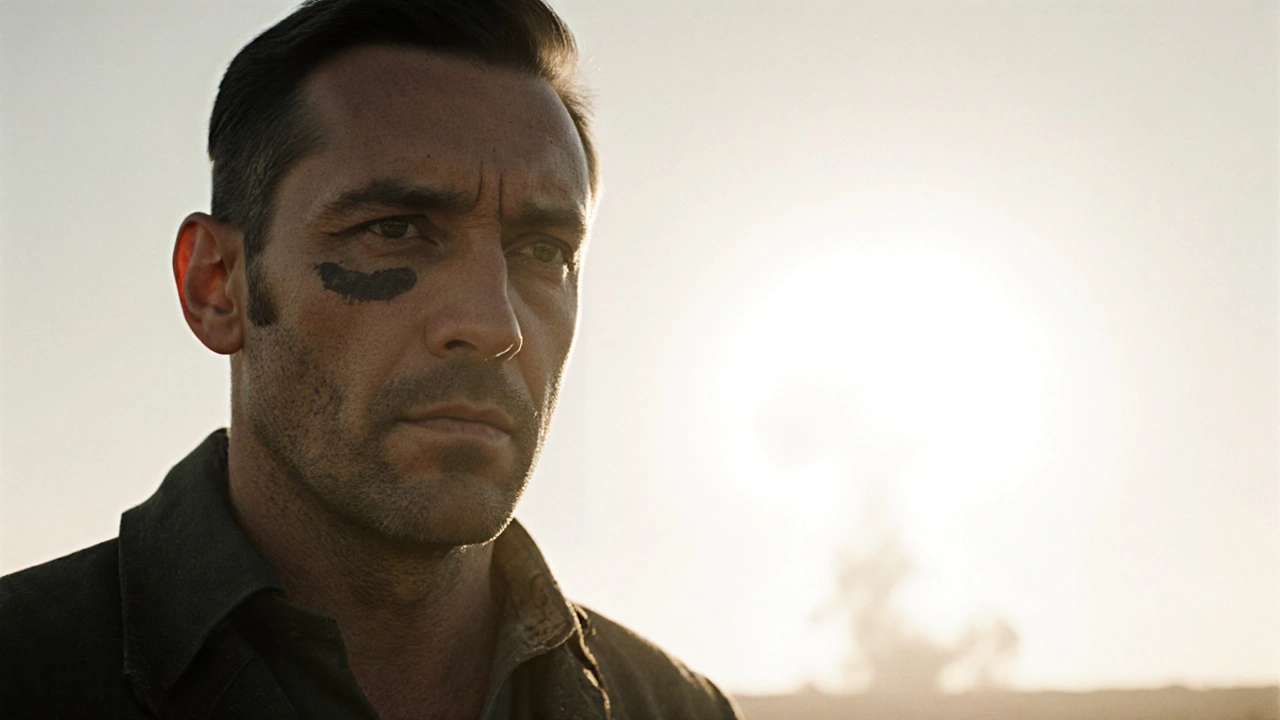
It’s not about how many drones you use or how many lenses you swap. Real visual mastery happens when the camera becomes an extension of the character’s inner world. In Oppenheimer (2023), Hoyte van Hoytema didn’t just film the atomic bomb test-he made you feel the weight of silence before the explosion. The scene uses no music, no dialogue, just a slow push-in on Cillian Murphy’s face as the sky turns white. The camera doesn’t cut away. It holds. That’s not technique. That’s trust.
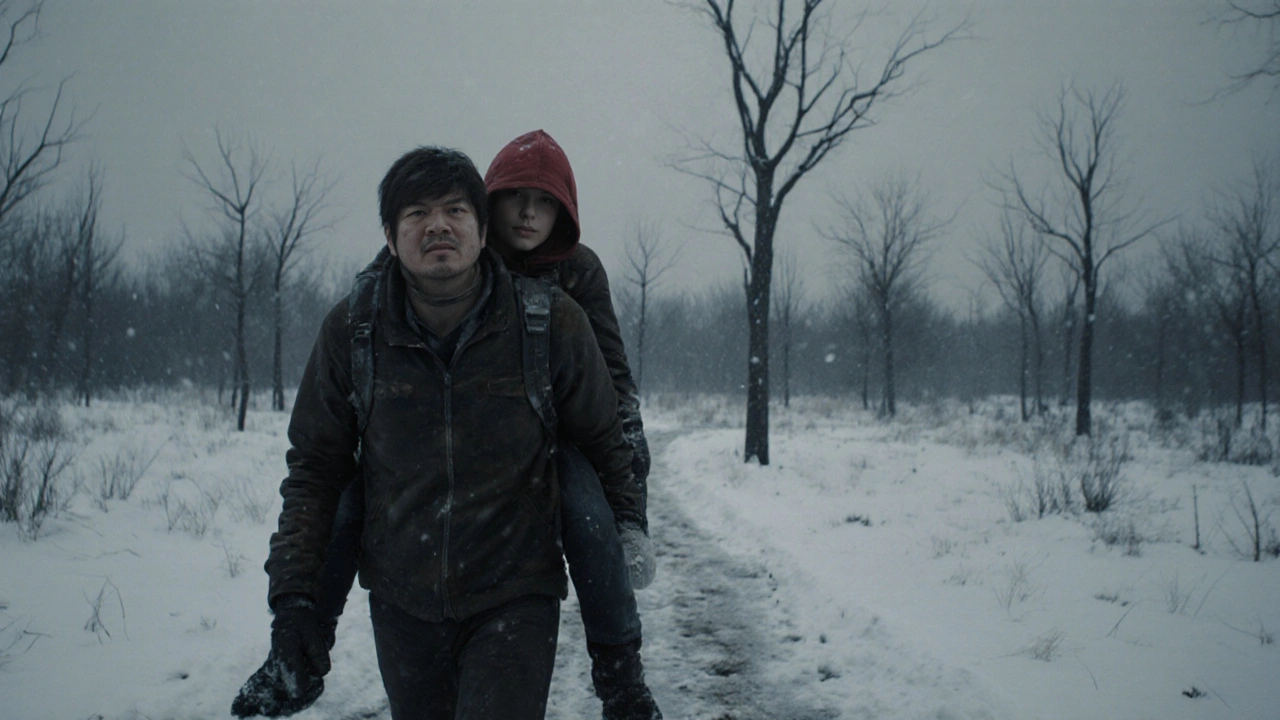
Compare that to The Last of Us (2023), where the handheld camera shakes slightly as Joel carries Ellie through the post-apocalyptic wasteland. The movement isn’t shaky for drama-it’s tired. It’s human. The camera doesn’t glide. It stumbles. And that’s why you believe them.
Modern cinematography values intention over spectacle. Directors of photography now work like composers, not just operators. They think in moods, not megapixels.
Color as Emotion: The Rise of Controlled Palettes
Color grading used to be about making things look ‘prettier.’ Now it’s about making things feel truer.
In Poor Things (2023), cinematographer Robbie Ryan used a bleach bypass technique to mute greens and amplify reds and yellows. The world looks like a faded Victorian postcard dipped in syrup. That’s not a stylistic choice-it’s a psychological one. Bella’s journey from innocence to rebellion is told through color shifts, not monologues. When she steps into a new city, the palette doesn’t just change-it explodes. The world becomes alive because she finally feels alive.
Meanwhile, Dune: Part Two (2024) strips color down to sand, steel, and smoke. The desert isn’t golden-it’s blinding white, then deep burnt orange, then black as ash. The lack of blue skies isn’t an accident. It’s a visual metaphor: this world doesn’t offer escape. Only survival.
These aren’t filters. They’re emotional languages. And they’re designed frame by frame, not in post.
Lighting That Tells the Story
Lighting isn’t about brightness. It’s about control. Where you put light-and where you leave darkness-defines who the characters are.
In The Holdovers (2023), director Alexander Payne and cinematographer Eigil Bryld used natural light from practical sources: windows, desk lamps, overhead fluorescents. The cold winter light doesn’t flatter anyone. It highlights every wrinkle, every tear, every moment of quiet loneliness. There’s no Hollywood glow here. Just the truth of a school hallway at 4 p.m. in December.
Contrast that with Spider-Man: Across the Spider-Verse (2023). The lighting isn’t realistic-it’s expressive. Neon signs pulse like heartbeats. Shadows stretch into abstract shapes. Light doesn’t just illuminate-it vibrates. This isn’t a superhero movie. It’s a comic book come alive, and the lighting is the brushstroke.
Both films use light differently, but both use it to say something. That’s the difference between decoration and design.
Camera Movement: When Motion Becomes Meaning
Long takes aren’t impressive because they’re hard to film. They’re powerful because they’re impossible to fake.
In 1917 (2019), Sam Mendes and Roger Deakins created the illusion of one continuous shot. But the real genius wasn’t the stitching-it was the pacing. The camera walks with the soldiers. It doesn’t rush. It doesn’t cut away when things get scary. You feel every step, every breath, every moment of hesitation. The camera doesn’t tell you to be afraid. It makes you afraid by staying with you.
More recently, The Iron Claw (2023) uses a similar approach in its wrestling scenes. The camera circles the ring like a predator. It doesn’t cut to close-ups of faces-it holds wide, letting you see the exhaustion in their bodies, the way their knees buckle, the sweat flying off their skin. You don’t need to hear the crowd. You feel the weight of the ring.
When a camera moves, it should never be for show. It should be because the story can’t be told any other way.
Composition: Framing the Unspoken
How you frame a shot says more than any line of dialogue.
In The Power of the Dog (2021), cinematographer Ari Wegner used wide, empty spaces to trap characters in isolation. A single figure stands in a vast landscape, dwarfed by mountains and sky. The horizon line is always low, making the sky feel heavy. The characters aren’t just in the landscape-they’re buried by it.
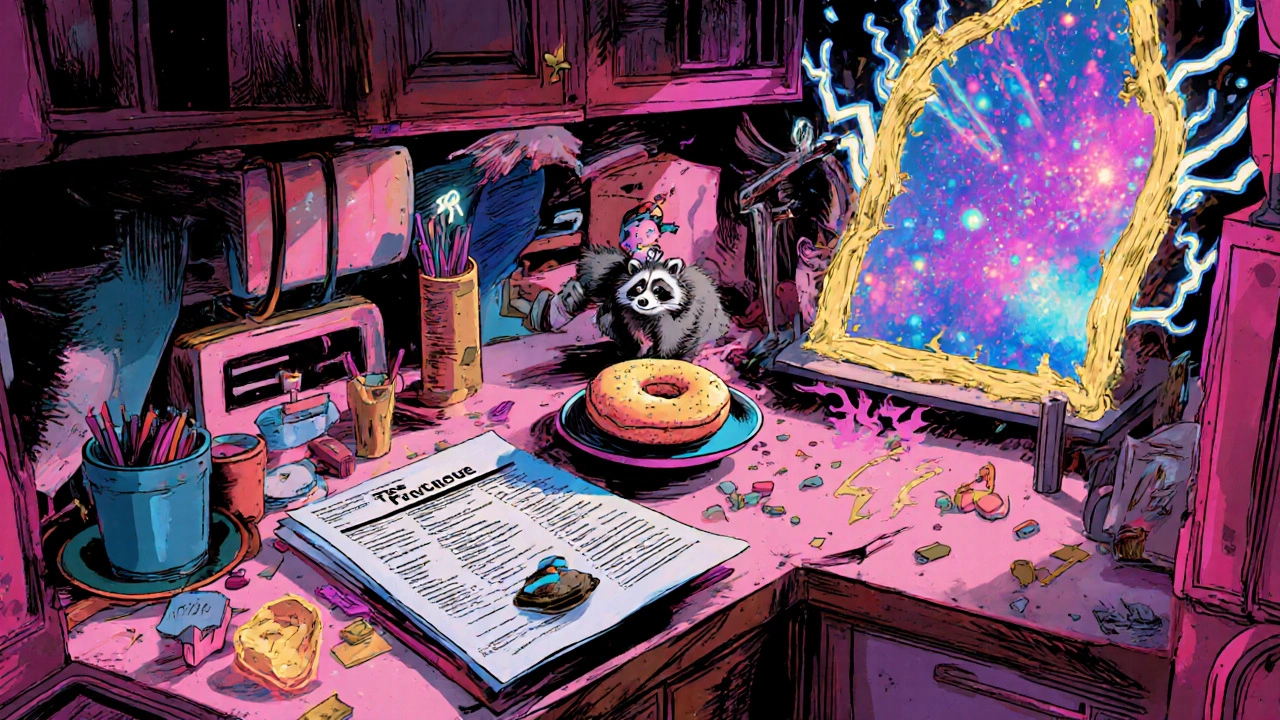
Compare that to Everything Everywhere All At Once (2022). The frames are chaotic, cluttered, bursting with color and movement. But every shot is perfectly balanced. A bagel sits on a counter next to a tax form, a portal, and a raccoon wearing a hat. The chaos isn’t random-it’s emotional overload. The composition screams: this woman is losing her mind, and we’re right there with her.
Great composition doesn’t follow rules. It bends them to serve the feeling.
Technology vs. Intention
Yes, cameras are better than ever. The ARRI Alexa 35, RED V-RAPTOR, and Sony Venice 2 can capture detail in near-total darkness. But the best-looking films don’t use the most expensive gear-they use the right gear for the story.
Past Lives (2023) was shot on a Canon C70 with prime lenses. No cranes. No drones. Just a small crew and a lot of patience. The result? A quiet, intimate film that feels like a letter you didn’t know you were waiting for. The low-light scenes at night aren’t sharp-they’re soft. Grainy. Real. That’s not a limitation. That’s a choice.
Meanwhile, Avatar: The Way of Water (2022) pushed technical boundaries with motion capture and underwater filming. But the visuals only work because the cinematography never lets the tech overpower the emotion. The water doesn’t sparkle because it’s CGI-it moves because the characters are afraid, curious, grieving. The technology serves the story, not the other way around.
Tools don’t make great cinematography. People do.
What You Can Learn from These Films
You don’t need a $50,000 camera to understand cinematography. You just need to watch with intention.
- Watch a scene with the sound off. What does the light tell you?
- Pause on a frame. What’s in the background? What’s out of focus? Why?
- Notice where the camera moves-and where it doesn’t. What’s the silence saying?
- Ask yourself: if this scene were shot differently, how would it change how you feel?
Try this: rewatch a favorite film and mute it for the first 10 minutes. You’ll be surprised how much you learn without dialogue.
Great cinematography doesn’t need words. It speaks in light, shadow, and space.
Why This Matters Now
Streaming has made it easier than ever to watch films. But it’s also made it easier to scroll past them. Visual storytelling is the last thing that can make you stop.
When a film looks like it was made with care-not just for awards, but for feeling-it changes how you experience time. You don’t just watch. You remember.
That’s why the best cinematography of recent years doesn’t feel like entertainment. It feels like memory.
What makes cinematography different from regular filming?
Cinematography is the art of using light, camera movement, framing, and color to tell a story emotionally. Regular filming just records what’s in front of the camera. Cinematography shapes how you feel about what you’re seeing. It’s not about capturing action-it’s about creating meaning.
Do I need expensive equipment to appreciate good cinematography?
No. You don’t need a high-end camera to notice how light falls on a face, how a shot is framed, or how color changes with mood. Many of the most powerful moments in recent films were shot on affordable gear. What matters is attention. Watch with curiosity, not just distraction.
Which recent film has the most innovative lighting?
"The Holdovers" (2023) uses natural, practical lighting in a way that feels completely real. No studio lights, no reflectors-just windows, lamps, and the cold winter sky. The lighting doesn’t hide flaws; it reveals emotion. That’s innovation-not in technology, but in honesty.
How do cinematographers choose color palettes?
They start with the story. In "Poor Things," the warm yellows and reds reflect Bella’s awakening. In "Dune: Part Two," the monochrome sands reflect the harshness of survival. Color isn’t chosen for beauty-it’s chosen for meaning. Often, the palette is locked in during pre-production, long before filming starts.
Is long take cinematography always better?
No. Long takes are powerful when they serve the story, not when they’re just hard to pull off. "1917" uses one continuous shot to create tension. But "Oppenheimer" uses tight cuts to build dread. The best cinematography doesn’t follow trends-it follows truth.