Every great movie starts with light. Not just any light - the kind that makes you feel something before a single word is spoken. That’s the work of the director of photography, or DP. These are the artists who turn scripts into images, who shape mood with shadows, color, and movement. While directors guide the story, DPs shape how we see it. And some of them have become so distinct in their style that you can recognize their work even without knowing the title.
What Makes a DP’s Style Unique?
A director of photography doesn’t just operate a camera. They make choices - about lenses, lighting, film stock, movement - that become part of a film’s DNA. These choices aren’t random. They’re built over years, shaped by personal taste, technical mastery, and collaboration with directors. Some DPs prefer natural light. Others build entire worlds with artificial glow. One might shoot handheld to feel urgent. Another might lock the camera down for stillness that feels sacred.
It’s not about having the most expensive gear. It’s about consistency. When you see a film shot by Roger Deakins, you know it before you hear the name. The lighting is subtle, layered, and deep. Shadows aren’t just dark - they have texture. Colors aren’t saturated; they’re muted, real. His work on Blade Runner 2049 didn’t just look futuristic - it made the future feel heavy, lonely, and quiet.
Roger Deakins: The Quiet Master of Light
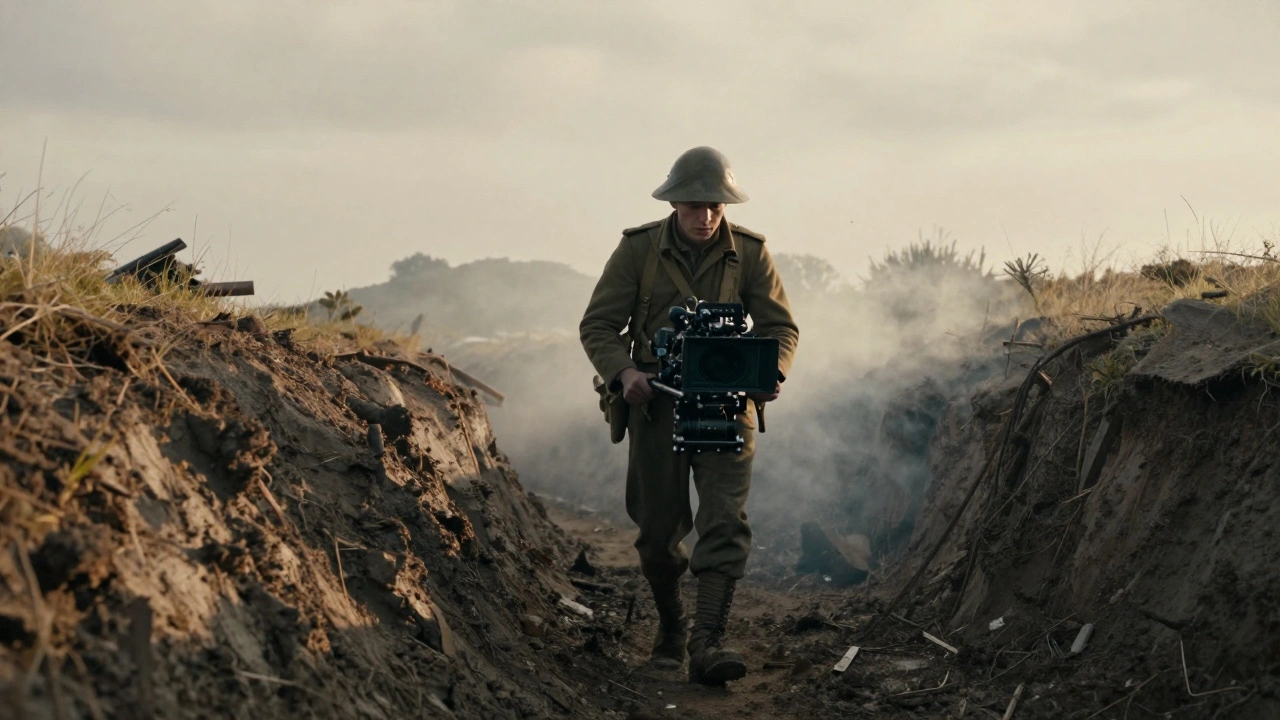
Deakins is the most awarded cinematographer in Oscar history. But he doesn’t chase flashy techniques. His style is about restraint. He uses natural light whenever possible. In 1917, he made a single-take war film feel real by shooting only during golden hour, using daylight to simulate the passage of time. No CGI. No tricks. Just sunlight, smoke, and a camera that moved like a soldier.
His collaboration with the Coen Brothers defined a generation of film noir. In No Country for Old Men, he avoided shadows under the eyes. Why? Because he wanted the audience to see the fear in people’s eyes - not hide it. That’s the opposite of what most thrillers do. He makes you look harder.
Deakins shoots mostly on film. Even now, in 2026, he still chooses Kodak 5219 for its grain structure. He says digital can’t replicate the way light bleeds into shadows. And he’s right. Look at the way dust floats in the air in Skyfall. That’s not added in post. That’s the camera catching what’s there.
Emmanuel Lubezki: The Fluid Soul
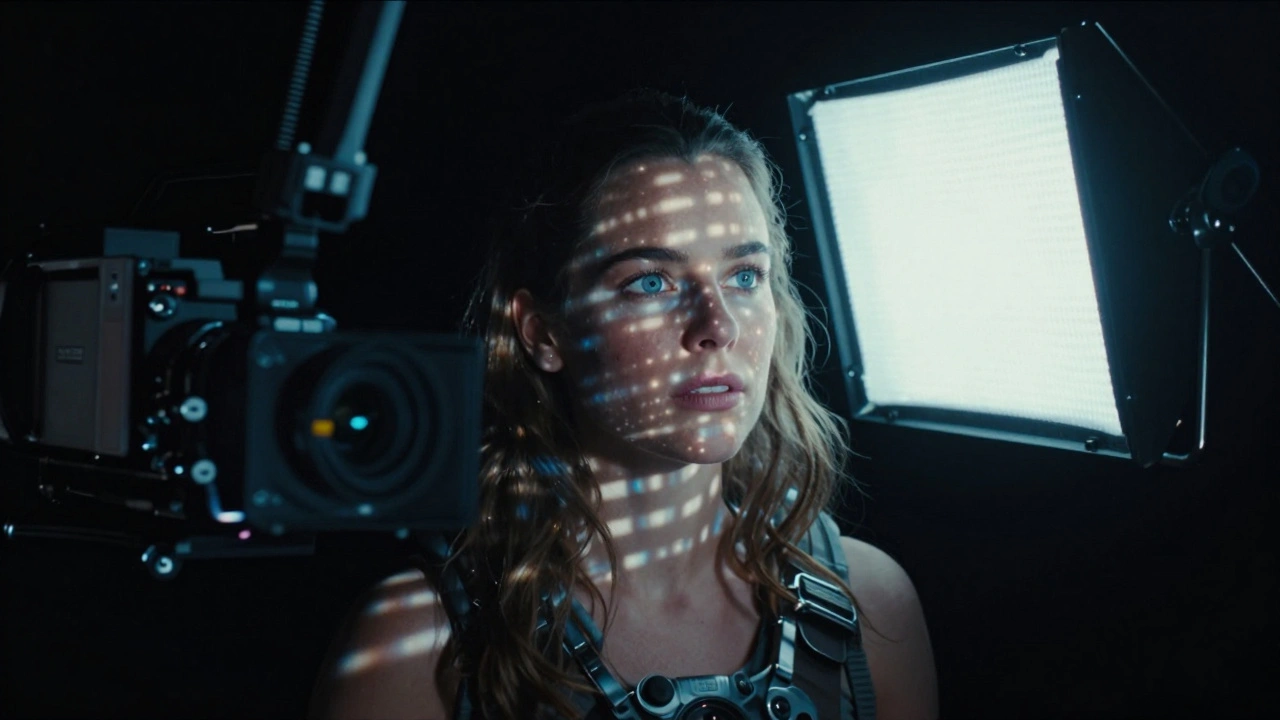
If Deakins is quiet, Lubezki is a storm. His style is all about motion - long, unbroken takes that follow characters like a breath. He’s known for shooting with natural light, often using only the sun. In Gravity, he built a 9x9x9-foot LED box that lit Sandra Bullock’s face with moving light patterns to simulate orbit. No green screen. Just light dancing on skin.
His work on The Revenant was shot entirely with natural light. No lamps. No reflectors. He waited for sunrise, waited for clouds to break. Sometimes, he shot for 15 minutes and got one usable take. That’s obsession. That’s art.
Lubezki’s camera doesn’t just move - it breathes. In Birdman, the camera circles actors like a ghost. You feel the tension in the air because the camera is right there, inches from their faces. He doesn’t cut. He doesn’t need to. The emotion is in the motion.
Rachel Morrison: Breaking the Mold
When Rachel Morrison became the first woman nominated for an Oscar in cinematography for Mudbound, it wasn’t just a milestone - it was a revelation. Her style is grounded, intimate, and deeply emotional. She uses shallow depth of field to isolate characters, making their inner worlds feel larger than the world around them.
In Fruitvale Station, she shot handheld with a Canon C300, using only available light. The result? A film that feels like a home video - raw, urgent, real. There’s no polish. No glamour. Just truth. Morrison doesn’t make things beautiful. She makes them human.
She also works with color in a way that’s emotional, not decorative. In Black Panther, she used deep blues and purples for Wakanda’s underground scenes. Not because it looked cool - because it felt like a secret. A hidden world. That’s what her style does: it turns setting into psychology.
Greig Fraser: Light as a Weapon
Fraser’s work on Dune redefined sci-fi cinematography. He didn’t go for the usual neon dystopia. Instead, he made sand feel alive. He used real sand, real wind, real heat. The lighting shifts from blinding white to deep orange as the sun rises - not because of VFX, but because he waited for the exact moment the desert changed color.
His collaboration with Denis Villeneuve is built on silence. In Shazam!, he used high contrast to make the superhero scenes feel like comic panels. In Obi-Wan Kenobi, he used deep shadows to make the Force feel like a presence, not a power. He doesn’t light scenes - he sculpts them.
Fraser shoots with ARRI Alexa LF, but he doesn’t rely on digital perfection. He lets flares happen. He lets grain show. He believes a little imperfection makes a scene feel alive.
How to Spot a DP’s Style
You don’t need to know the DP’s name to recognize their work. Here’s how to tell:
- Lighting: Is it soft and natural? Harsh and dramatic? Cold and clinical?
- Movement: Does the camera glide? Shake? Stay still?
- Color: Are colors warm or cool? Muted or saturated? Do they change with mood?
- Composition: Are characters centered? Pushed to the edge? Buried in shadows?
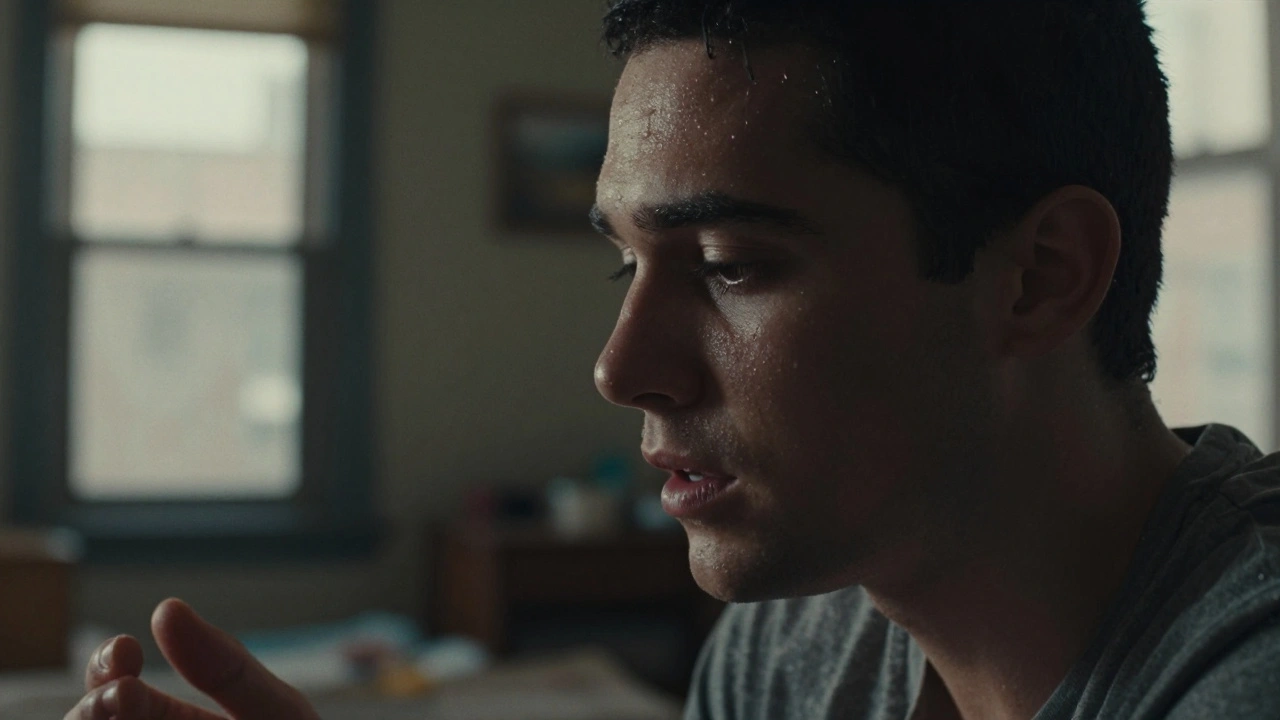
- Texture: Can you feel the grit of the environment? The sweat on skin? The dust in the air?
Watch There Will Be Blood and then Mad Max: Fury Road. Both are shot with natural light. One is slow, heavy, and silent. The other is chaotic, loud, and relentless. The same tools. Two completely different worlds. That’s the power of a DP’s vision.
Why This Matters Beyond the Screen
These aren’t just technicians. They’re storytellers who speak in light and shadow. Their style doesn’t just serve the director - it becomes part of the film’s soul. When you remember a movie, you don’t remember the script. You remember the way the light fell on a face. The way the camera held a moment too long. The way silence felt louder than music.
That’s why we remember Deakins’ shadows. Lubezki’s sunrises. Morrison’s quiet glances. Fraser’s burning deserts. They don’t just capture scenes. They create emotional landscapes.
Next time you watch a film, turn off the sound. Just watch the light. You’ll see the DP’s voice - clear, quiet, and unforgettable.
Who are the most influential directors of photography today?
Roger Deakins, Emmanuel Lubezki, Rachel Morrison, and Greig Fraser are widely considered the most influential working DPs today. Deakins is known for his naturalistic lighting and film-based approach. Lubezki revolutionized long-take cinematography with natural light. Morrison brought emotional intimacy and realism to mainstream films. Fraser blends practical effects with bold, sculpted lighting - especially in epic-scale stories.
Can you tell a DP’s style without knowing the film’s title?
Yes. Many DPs have such a distinct visual signature that their work is recognizable even without credits. For example, Deakins’ films often have deep, layered shadows and muted tones. Lubezki’s films feature long, flowing takes with natural light. Morrison uses shallow focus and intimate framing to highlight emotion. Fraser’s work stands out with high contrast and practical lighting that feels physically present. Once you’ve seen a few of their films, you start noticing their patterns.
Do directors of photography choose their own equipment?
They often do - especially the top-tier DPs. While studios may provide budgets, experienced DPs usually have strong preferences for cameras, lenses, and film stocks based on how they affect the image. Deakins still uses Kodak film. Lubezki prefers ARRI cameras for their dynamic range. Morrison used the Canon C300 for its low-light performance. These choices aren’t about brand loyalty - they’re about how the gear serves the story.
Is cinematography more important than editing in shaping a film’s feel?
It’s not a competition - both are essential. But cinematography sets the emotional tone before a single cut is made. A scene shot in deep shadow with slow movement feels different than the same scene shot in bright daylight with quick cuts. The DP creates the visual language. The editor arranges it. You can’t fix bad lighting in editing. But you can fix bad pacing. That’s why the DP’s work is the foundation.
Why do some DPs still shoot on film in 2026?
Because film captures light differently. It has a natural grain, a wider dynamic range in highlights, and a way of blending shadows that digital struggles to replicate. Deakins says film doesn’t just record light - it absorbs it. That gives scenes a depth and texture that feels alive. For stories that need to feel real, not just sharp, film still has no equal.


Comments(8)