For years, movie merchandise was a simple afterthought. You watched the film, maybe bought a t-shirt at the mall, and that was it. But in 2026, the game has changed completely. Streaming platforms are no longer just renting you movies; they are building entire ecosystems around them. When you see a character from a hit series on a coffee mug or a hoodie in your local store, that is not an accident. It is a calculated move to keep you engaged long after the credits roll.
The shift from traditional theatrical releases to streaming originals has forced studios to rethink how they make money. Theatrical box office returns were once the primary metric for success. Now, retention and subscriber loyalty drive revenue. This means merchandising has moved from a niche marketing tactic to a central pillar of business strategy. If you want to understand how shows like Squid Game or The Last of Us generated billions in cultural value, you need to look beyond the screen.
The Shift from Box Office to Brand Ecosystems
In the past, a successful movie meant a big opening weekend. Today, a successful show means a sustained cultural conversation. Streaming services invest hundreds of millions in producing original content. To justify that spend, they cannot rely solely on ad revenue or subscription fees. They need every piece of intellectual property (IP) to work harder.
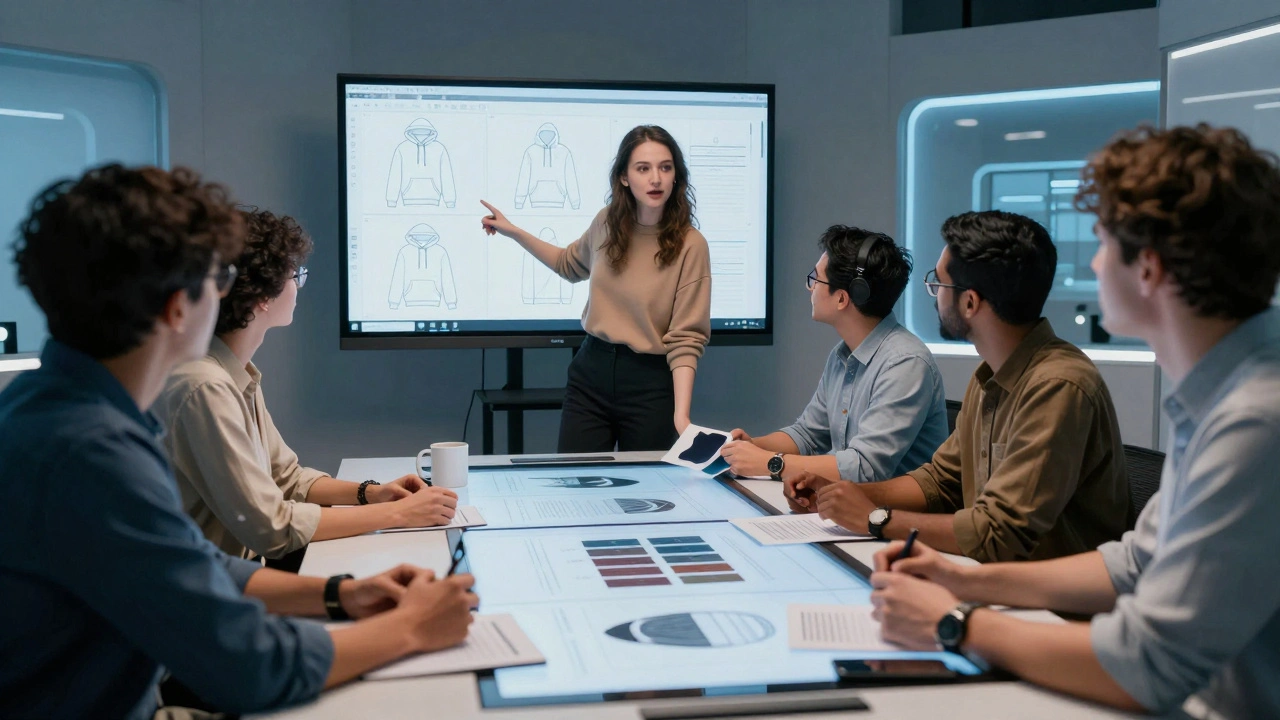
This is where the concept of the "brand ecosystem" comes in. Instead of releasing a toy line six months after a movie ends, streaming platforms integrate product development into the writing and production phase. Designers sit with showrunners. Costume designers plan outfits knowing they will be sold online. This integration ensures that the products feel authentic to the story, rather than cheap cash-ins.
Consider the difference between a generic action movie poster and a meticulously crafted replica prop from a prestige drama. The latter commands a higher price because it feels like part of the narrative. Viewers do not just buy a product; they buy a connection to the world they love. This emotional link is what drives high-margin sales in the modern era.
- Early Integration: Product design begins during scriptwriting.
- Authenticity: Items must match on-screen details perfectly.
- Emotional Value: Sales are driven by fan loyalty, not just utility.
Why Streaming Platforms Need Physical Goods
You might wonder why digital companies care about physical goods. The answer lies in customer acquisition costs. Acquiring a new subscriber is expensive. Keeping one is cheaper. Merchandise acts as a constant reminder of the platform's value. Every time you wear a branded hoodie or display a collectible figure, you are advertising the service to everyone around you.
Furthermore, physical products create a tangible anchor for digital experiences. In a world where everything is ephemeral and scrollable, owning something real adds weight to the fandom. It transforms passive viewers into active participants. This participation deepens engagement, leading to more social media shares, reviews, and word-of-mouth recommendations.
Data also plays a huge role here. Streaming platforms know exactly what you watch, when you pause, and which scenes you rewatch. They use this data to identify which characters or objects resonate most with audiences. If fans repeatedly replay a scene featuring a specific jacket, the merchandising team knows to prioritize that item. This data-driven approach minimizes waste and maximizes relevance.
Key Strategies for Successful Merchandising
Not all merchandise sells well. Some items flop because they feel disconnected from the source material. To turn an original series into profitable products, companies follow several key strategies. These methods ensure that the transition from screen to shelf is seamless and appealing.
- Leverage Iconic Visuals: Identify symbols, colors, or objects that are instantly recognizable. Think of the red light/dark blue light from Squid Game. These visuals translate easily into fashion, home decor, and accessories.
- Create Limited Editions: Scarcity drives demand. Releasing limited-run items creates urgency and encourages immediate purchases. Fans fear missing out on exclusive pieces that may never return.
- Cross-Category Licensing: Partner with established brands in different industries. A collaboration between a streaming show and a streetwear brand can reach audiences who might not otherwise engage with the content.
- Interactive Unboxing: Make the purchase experience part of the story. Packaging should reflect the aesthetic of the show, adding to the overall immersion.
Another critical strategy is tiered pricing. Not every fan wants to spend $500 on a replica weapon. Successful campaigns offer entry-level items like stickers or pins for $10, mid-range apparel for $30-$50, and high-end collectibles for premium collectors. This structure captures value across all segments of the audience.

The Role of Social Media and Community Building
Social media is the engine that powers modern merchandising. Platforms like TikTok and Instagram allow fans to showcase their collections, creating user-generated content that promotes the products organically. When a fan posts a video styling their favorite character's outfit, it reaches thousands of potential buyers without any paid advertising.
Communities form around shared interests. Discord servers, Reddit threads, and Facebook groups become hubs for discussing upcoming releases, trading items, and sharing custom creations. Streaming platforms monitor these spaces to gauge sentiment and adjust their strategies accordingly. If fans express disappointment over a poorly made item, the company can quickly respond and improve future batches.
Influencer partnerships also amplify reach. Collaborating with creators who specialize in pop culture or fashion helps introduce merchandise to new demographics. An unboxing video by a popular influencer can sell out inventory in minutes. This viral potential makes social media an indispensable tool for merchandising teams.
| Aspect | Traditional Model | Streaming Era Model |
|---|---|---|
| Timing | Post-release, often delayed | Integrated during production |
| Target Audience | General moviegoers | Niche, highly engaged fans |
| Product Type | Toys, posters, basic apparel | High-end collectibles, lifestyle goods |
| Marketing Channel | TV ads, retail displays | Social media, influencer partnerships |
| Data Usage | Minimal, based on sales history | Real-time viewer behavior analysis |
Challenges in the Digital Age
Despite the opportunities, merchandising faces significant challenges. One major issue is oversaturation. With so many original series launching simultaneously, consumers face choice paralysis. They cannot buy everything, so they become selective. Only the most iconic or emotionally resonant items survive this filter.
Counterfeiting is another persistent problem. Popular designs are quickly copied and sold on unauthorized platforms. This erodes brand trust and reduces revenue for legitimate partners. Companies must invest in anti-counterfeit technology and legal enforcement to protect their IP. Blockchain-based authentication tags are becoming more common to verify authenticity.
Sustainability concerns also impact purchasing decisions. Younger audiences prefer eco-friendly materials and ethical production practices. Merchandising teams must balance cost efficiency with environmental responsibility. Using recycled fabrics or plastic-free packaging can enhance brand reputation and appeal to conscious consumers.
Case Studies: What Works and Why
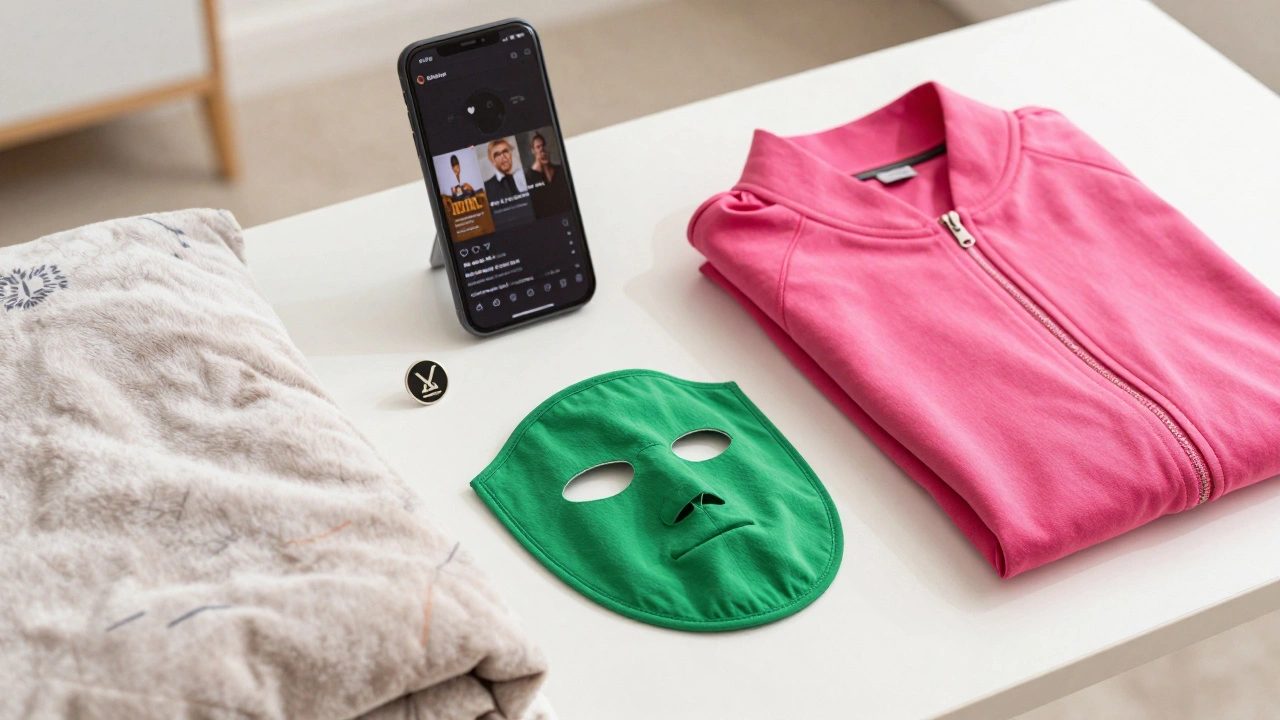
Looking at real-world examples provides clarity on effective strategies. The success of Squid Game merchandising illustrates the power of visual simplicity. The pink tracksuits and green beanhead masks became global symbols. Their distinct shapes and colors made them easy to reproduce and recognize. Partnerships with major retailers allowed rapid distribution, capitalizing on peak interest.
Conversely, some franchises struggle due to lack of clear identity. Shows with complex plots but few memorable visuals find it harder to create compelling merchandise. Without strong visual hooks, products feel generic and fail to connect emotionally. This highlights the importance of designing characters and settings with merchandising in mind from the start.
Another example is the rise of "comfort viewing" merchandise. As people seek relaxation through familiar content, cozy items like weighted blankets, mugs, and candles themed around beloved series perform well. These products align with the emotional state of the viewer, offering comfort alongside nostalgia.
Future Trends in Streaming Merchandising
As technology evolves, so does merchandising. Augmented reality (AR) features are being integrated into physical products. Scanning a collectible card with a phone app might unlock exclusive behind-the-scenes footage or interactive games. This blends the physical and digital worlds, enhancing the overall experience.
Personalization is also gaining traction. Fans increasingly expect items tailored to their preferences. Customizable jackets, engraved props, or personalized nameplates add unique value. AI tools enable mass customization, allowing companies to produce one-off items efficiently.
Subscription models for merchandise are emerging. Instead of buying individual items, fans subscribe to receive quarterly boxes containing curated products. This creates predictable revenue streams and keeps engagement high between seasons. It mirrors the subscription model of the streaming service itself, reinforcing loyalty.
How do streaming platforms decide which shows to merchandise?
Platforms analyze viewer data such as watch time, rewatch rates, and social media buzz. Shows with strong visual identities and dedicated fan bases are prioritized. Emotional resonance and cultural relevance also play key roles in selection.
What types of products sell best for streaming originals?
Apparel, especially hoodies and t-shirts, remains top-selling. Collectibles like statues and replica props attract high-spending fans. Lifestyle items such as mugs, pillows, and decor also perform well due to their everyday usability.
Can small-budget shows succeed with merchandising?
Yes, if they have a strong niche appeal. Indie-style series often build passionate communities willing to support limited editions. Focus on authenticity and community engagement rather than mass-market appeal.
How important is timing in releasing merchandise?
Crucial. Releasing items during peak popularity windows maximizes sales. Delayed launches miss the initial surge of interest. Integrated planning ensures products are ready when hype is highest.
What role does sustainability play in modern merchandising?
Increasingly important. Consumers prefer eco-friendly materials and ethical production. Brands using sustainable practices gain positive publicity and attract environmentally conscious buyers.