
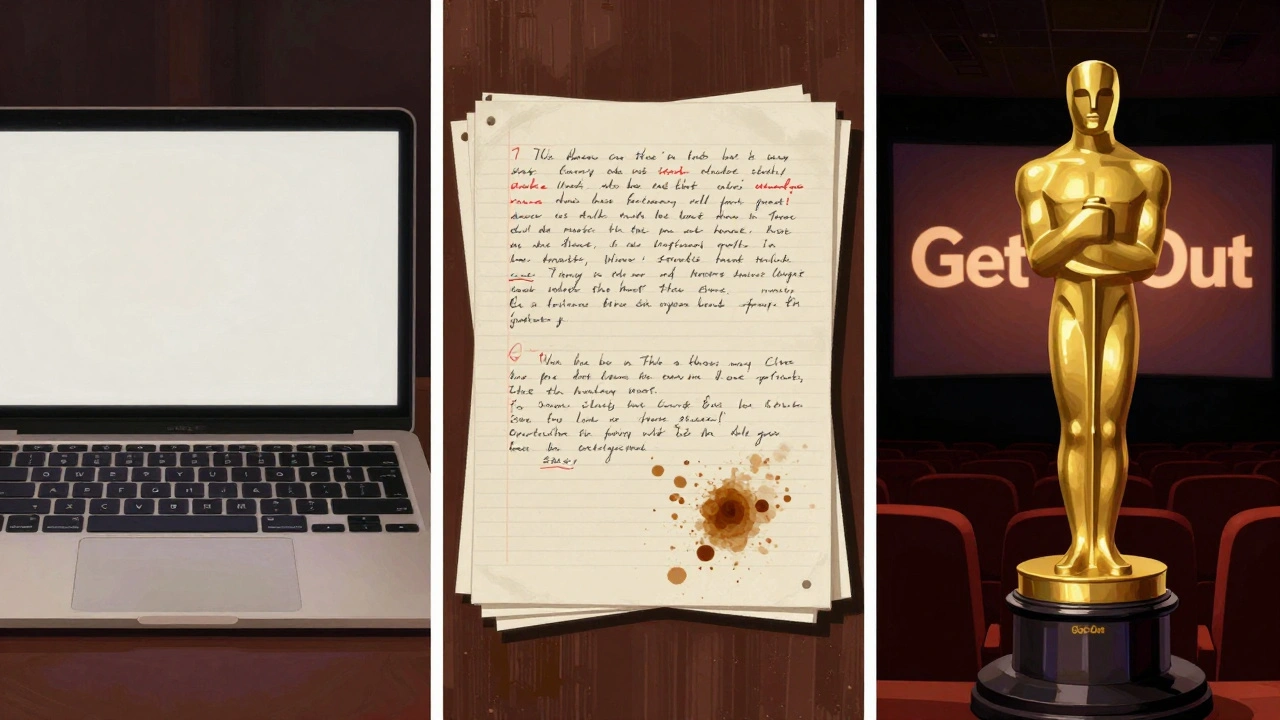
Writing a spec script is one of the most powerful moves a screenwriter can make. It’s not commissioned. It’s not assigned. No studio is paying you upfront. No producer has signed you to a deal. You’re writing purely because you believe in the story - and because you want to prove you can write it.
That’s the raw truth. No money. No guarantee. Just you, your laptop, and a story that won’t let you sleep. And yet, spec scripts are how most successful screenwriters got their start. They’re how unknown writers broke into the industry. They’re how scripts like Get Out, Parasite, and The Martian found their way to the screen - not because someone asked for them, but because someone wrote them anyway.
What Exactly Is a Spec Script?
A spec script - short for speculative script - is a screenplay written on speculation. You’re betting that your idea is good enough to attract attention, even though no one has asked you to write it. It’s not based on a book, a true story, or a studio’s request. It’s original. It’s yours. And it’s written with the hope that someone will buy it.
Think of it like this: if a commissioned script is a job you were hired for, a spec script is the business you started in your garage. You didn’t wait for permission. You built it yourself.
Most spec scripts fall into three categories:
- Original screenplays - completely new ideas, like Whiplash or Little Miss Sunshine
- Genre hybrids - unexpected mashups, like Shaun of the Dead (zombies + romantic comedy)
- High-concept premises - simple, sticky ideas that hook instantly, like John Wick (assassin seeks revenge after his dog is killed)
There’s no single formula. But there is one rule: it has to be better than what’s already being pitched. Studios get hundreds of scripts every week. Yours has to stand out - not just because it’s original, but because it’s executed with precision.
Why Write a Spec Script When No One’s Paying?
Because you’re not writing for a studio. You’re writing for yourself - and for the people who will one day say, “I need to meet this writer.”
Here’s what a spec script actually does for you:
- It proves you can write - not just an idea, but a full, structured, compelling screenplay
- It builds your portfolio - agents and managers won’t take you seriously without a finished script
- It opens doors - even if it doesn’t sell, a strong spec script can land you meetings, assignments, or representation
- It teaches you discipline - writing without a deadline is harder than writing with one
Many writers wait for an assignment. They think, “I’ll write when someone pays me.” But the truth? The industry doesn’t wait for you. It moves fast. The writers who get noticed are the ones who already have something ready.
Take John August. He wrote Go as a spec script in his spare time. It wasn’t commissioned. It wasn’t based on anything. He just loved the idea of a single night in Los Angeles where everything goes wrong. That script got him his first studio deal. He didn’t ask for permission. He just wrote it.
How to Pick the Right Idea
Not every idea deserves a 110-page script. Writing a spec script is a huge investment of time - usually 3 to 6 months. You need to pick something worth that time.
Ask yourself:
- Can I write this without needing research? - If you have to study nuclear physics or 18th-century French law just to write one scene, you’ll burn out
- Is there a clear emotional arc? - Audiences don’t remember clever dialogue. They remember how they felt
- Can I describe it in one sentence? - If you need a paragraph, it’s too vague
- Would I pay to see this? - If the answer is no, why should anyone else?
Some writers try to chase trends. “Everyone’s doing horror right now, so I’ll write a haunted house story.” That rarely works. Trends change fast. What’s hot in 2026 might be dead by 2027.
Instead, write what you’re obsessed with. What keeps you up at night? What story do you keep telling your friends? That’s your fuel.
For example, Emma Donoghue wrote Licorice Pizza because she remembered her teenage years in 1970s California - the awkwardness, the energy, the weirdness. She didn’t set out to write a hit. She just wrote what she remembered. And it became one of the most talked-about films of 2022.
Structure Is Non-Negotiable
Great ideas don’t sell scripts. Great structure does.
You can have the most original concept in the world, but if your second act drags, your third act collapses, or your characters feel like cardboard cutouts - no one will read past page 20.
Most professional spec scripts follow a tight three-act structure:
- Act One (Pages 1-30): Setup. Introduce the world, the protagonist, and the inciting incident. End with the point of no return.
- Act Two (Pages 31-90): Confrontation. The protagonist faces obstacles, makes bad choices, and gets pushed to their limit. Midpoint twist changes the game.
- Act Three (Pages 91-110): Resolution. The protagonist confronts the core conflict, changes, and resolves the story.
This isn’t a rulebook. It’s a rhythm. Think of it like a song. If the chorus doesn’t come in at the right time, the listener loses interest.
Study scripts like Shawshank Redemption. Every beat lands exactly where it should. The prison escape isn’t just about breaking out - it’s about hope. The structure serves the theme.
Use tools like the Save the Cat! beat sheet or the Three-Act Structure checklist to map your script. Don’t just wing it. Structure is what separates amateurs from professionals.
Write Like a Pro - Even When No One’s Watching
Writing a spec script without a deadline is the hardest kind of writing. There’s no boss. No studio note. No producer breathing down your neck.
So how do you stay on track?
- Set daily goals - 500 words a day, five days a week. That’s 10,000 words a month. A full script in three months.
- Write the ending first - If you know where the story goes, every scene pulls toward it.
- Read your script out loud - If it sounds clunky when spoken, it’ll sound worse on screen.
- Get feedback early - Don’t wait until it’s “perfect.” Show it to two trusted readers after Act One.
Don’t wait for inspiration. Show up. Write even when you hate it. Because the script that gets sold isn’t the one that came to you in a dream. It’s the one you wrote on Tuesday at 10 p.m. when you were tired and distracted.
Many writers quit because they think they need to be brilliant. You don’t. You just need to be consistent.
What Happens After You Finish?
Finishing the script is only the beginning.
Now you have to get it seen. Here’s how:
- Register it - With the Writers Guild of America (WGA) or the U.S. Copyright Office. Protect your work.
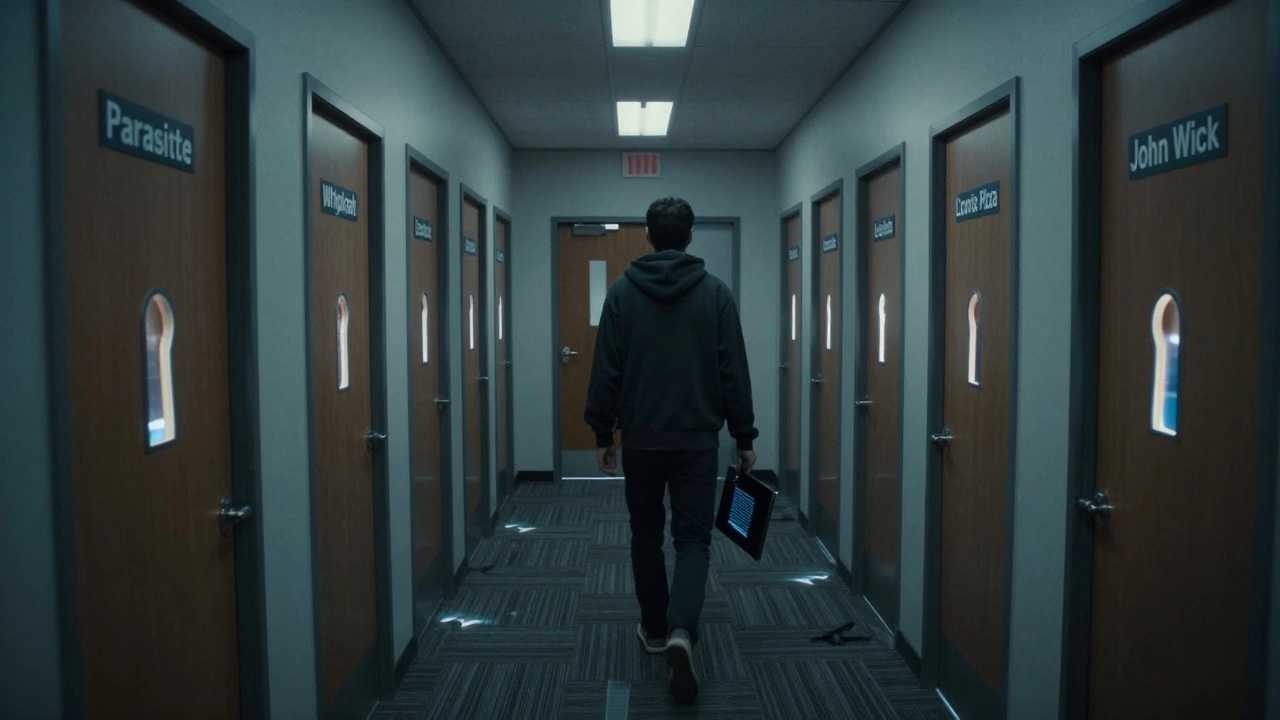
- Format it correctly - Use Final Draft, Celtx, or WriterDuet. Industry-standard formatting matters. A poorly formatted script gets tossed.
- Write a logline - One sentence that sells your script. If you can’t do it in 15 seconds, you don’t know your story well enough.
- Target the right people - Don’t send it to every agent. Find reps who represent writers in your genre. Look at who sold similar scripts in the last two years.
- Submit to contests - Nicholl, Austin Film Festival, BlueCat. Winning or placing in a major contest opens doors.
And if it doesn’t sell? Keep writing.
Most writers have three or four spec scripts before they get noticed. Paul Thomas Anderson wrote three scripts before Boogie Nights got made. Quentin Tarantino wrote Reservoir Dogs after years of unpaid writing. They didn’t give up because one script didn’t sell. They wrote the next one.
Common Mistakes to Avoid
Here’s what kills spec scripts before they even get read:
- Too much exposition - “As you know, Bob…” - never. Show, don’t tell.
- Overwritten dialogue - Characters don’t speak like monologues. Real people interrupt, stumble, and say half-sentences.
- Unlikable protagonists - Your hero doesn’t have to be good. But they need to be compelling. Why should we care?
- Too many characters - Stick to 3-5 key roles. Too many names confuse readers.
- Ignoring the market - A 200-page epic fantasy script isn’t going to sell unless you’re Christopher Nolan.
And one more: waiting for permission. You don’t need a producer’s approval to write. You just need to start.
Final Thought: The Only Thing That Matters Is the Next Script
Spec scripts aren’t about getting rich. They’re about proving you can do the work. The industry doesn’t care about your dreams. It cares about your discipline.
Write one script. Then write another. Then write a third. Each one gets you closer. Each one teaches you something new. Each one makes you better.
There’s no shortcut. No magic formula. Just writing. Again. And again. And again.
So what are you waiting for?






Comments(8)