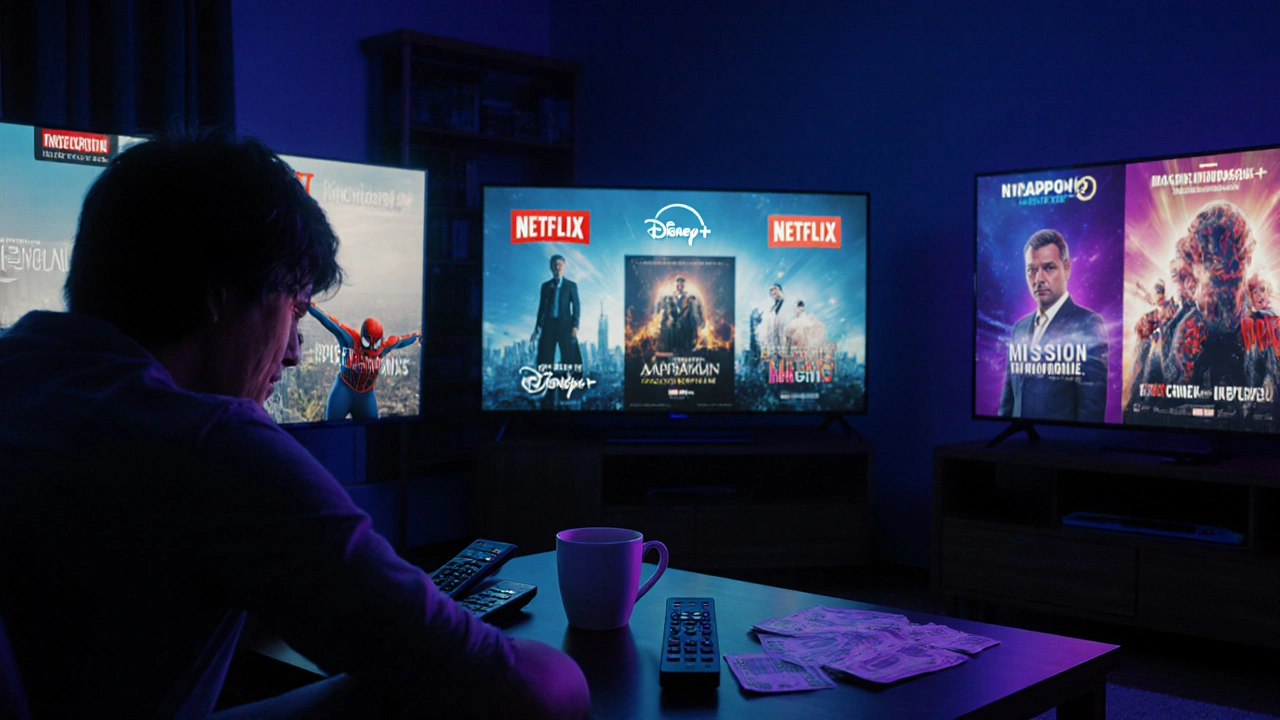
Have you ever scrolled through Netflix, only to find a movie you loved isn’t on Hulu, Amazon Prime, or Apple TV+? Or maybe you signed up for Max just to watch one film that’s nowhere else? That’s not a glitch-it’s by design. Platform-exclusive film releases are now the norm, not the exception. Studios don’t just want you to watch their movies-they want you to pay for their service, and only their service.
Why Studios Lock Movies to One Service
It’s simple: competition. In 2025, there are over 20 major streaming services fighting for your $15 a month. To stand out, each one needs must-have content. That’s why studios like Sony, Universal, and Warner Bros. now sign exclusive deals. A film like Spider-Man: Across the Spider-Verse might be on Max, while The Marvels is locked to Disney+. You can’t get both unless you pay for both.
These deals aren’t just about keeping viewers. They’re about proving value. Netflix spent $200 million on The Gray Man in 2022 not just to make a movie, but to show investors they could create a global event that only their platform could deliver. The same goes for Apple TV+ with Severance or Prime Video with The Boys. These aren’t just shows-they’re acquisition tools.
How Exclusivity Changes How We Watch
Before streaming, you went to the theater or rented a DVD. Now, you’re forced to choose which service to subscribe to based on what’s exclusive. That’s a big shift. A 2024 study by Nielsen found that 68% of U.S. streamers cancel at least one service every year because they can’t justify paying for something they rarely use. But they keep the ones with exclusive films-even if they only watch them once.
Think about it: you might not watch a single movie on Paramount+ all year. But when Mission: Impossible - Dead Reckoning Part One dropped as a Paramount+ exclusive, you paid for it. And you didn’t cancel right away. You waited until after you watched it. That’s the strategy.
Who Controls These Deals?
It’s not the theaters anymore. It’s not even the directors. It’s the studios-and their corporate parents. Disney owns Marvel, Lucasfilm, and 20th Century Studios. So when they make a new Star Wars movie, it goes to Disney+. Sony owns Spider-Man’s film rights, so their movies go to Max (formerly HBO Max). Universal has a deal with Peacock for early-window releases of its biggest films.
Independent studios have less power. A small indie film might get picked up by Netflix or Hulu for a flat fee-no exclusivity, just a license. But when a studio has its own streaming platform, exclusivity becomes a lever. They don’t sell the rights. They keep them.
What Happens to Older Movies?
Older films don’t always stay exclusive forever. Rights expire. A movie like Shrek was on Netflix for years, then moved to Paramount+ when DreamWorks’ contract shifted. But new films? Those are locked in from day one.
Here’s the catch: even when a film leaves a platform, it doesn’t mean it’s free for anyone. It just moves to another exclusive home. Everything Everywhere All at Once was on A24’s own platform first, then landed on Max. It’s still exclusive-it just changed hands.
Some studios, like Netflix, buy films outright. That means they own the rights forever. Once you see a Netflix original, it’s not going anywhere. Not to Hulu. Not to Amazon. Not even to physical DVD unless Netflix decides to make one.
Why This Is Bad for Viewers
Let’s be honest: it’s exhausting. You used to be able to watch any movie on any device. Now you need a separate app for every studio. You need to remember which one has which film. You pay for five services, but only use three regularly. And you still miss something.
Worse, it fragments culture. If a movie is only on Apple TV+, only Apple TV+ subscribers will talk about it. That means fewer watercooler moments. Fewer memes. Fewer shared experiences. When Oppenheimer was in theaters, everyone saw it. Now, if a film is only on a niche service, it becomes a club you have to pay to join.
And it’s not just about movies. It’s about discovery. If you don’t know a film is on a service you don’t subscribe to, you’ll never find it. Algorithms don’t help. They only recommend what’s already in your library.
How to Navigate the Fragmentation
You don’t have to pay for everything. But you do need a strategy.
- Track upcoming releases. Sites like JustWatch or Reelgood tell you where a movie is streaming-exclusive or not.
- Use free trials. Most services offer 7-30 days free. If a film you want is coming out, sign up, watch it, cancel.
- Wait for library windows. Some films go to a free ad-supported service (like Tubi or Pluto TV) after 6-12 months. You’ll miss the premiere, but you’ll save money.
- Buy digital copies. If you really love a film, buy it on Apple TV, Amazon, or Google Movies. You own it. No subscription needed.
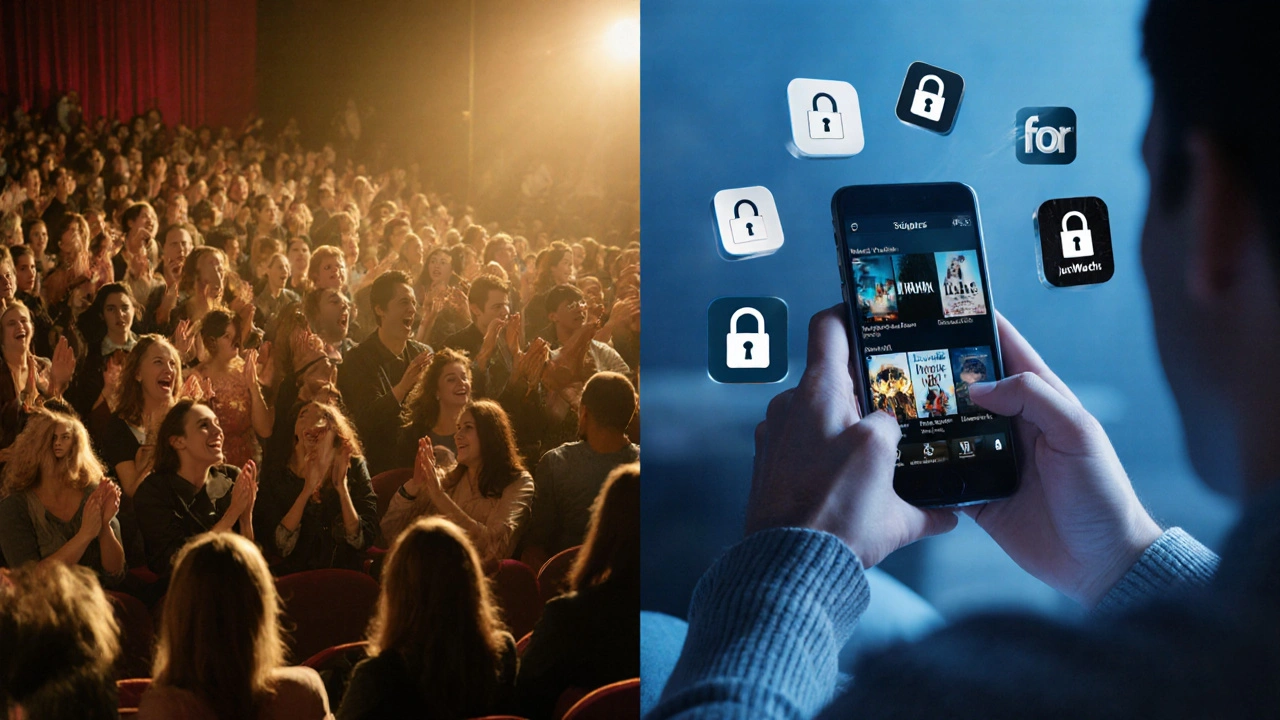
Some people still go back to theaters for exclusives. It’s expensive, but you get to see it once-and see it with others.
The Future: Will Exclusivity Last?
Maybe not. Ad-supported streaming is growing fast. Services like Tubi, Freevee, and Roku Channel are adding original films without charging a dime. Studios are starting to test hybrid models-releasing a film on their platform for 45 days, then letting it go to free services.
Some analysts predict that by 2027, the era of hard exclusivity will start to fade. Why? Because viewers are fed up. And advertisers want reach, not walled gardens.
But for now? If you want to watch the latest film from A24, Netflix, or Sony, you’ll need to pay for the right service. There’s no workaround. No magic button. Just a choice: pay for access, or miss out.
What This Means for Film Culture
Exclusive releases aren’t just a business move-they’re reshaping how we experience stories. Movies used to be shared. Now they’re gated. Art used to be accessible. Now it’s tied to your bank account.
It’s not all bad. Exclusivity has led to bold, risky films being made-like The Power of the Dog on Netflix or Past Lives on A24’s streaming arm. Without these deals, those films might never have been funded.
But we’re losing something too. The shared experience of cinema. The surprise of walking into a theater and seeing something unexpected. The joy of discovering a film because your friend recommended it-not because it was on your subscription.
Streaming platforms gave us convenience. But they also gave us fragmentation. And right now, the cost of convenience is a higher bill and a quieter cultural conversation.
Why are some movies only on one streaming service?
Studios lock movies to one service to drive subscriptions. If you want to watch a new Marvel film, you need Disney+. If you want a new Sony action movie, you need Max. These exclusives make each platform feel unique and valuable, encouraging people to sign up-and stay subscribed.
Can I watch platform-exclusive films without paying for the service?
Not legally. Some services offer free trials, so you can sign up, watch the movie, and cancel. Others release films on free ad-supported platforms like Tubi or Freevee after 6-12 months. But during the exclusive window, you need a paid subscription to watch legally.
Do platform-exclusive films ever come to other services?
Sometimes, but not often. If a studio sells the rights to another platform after the exclusivity period ends, it can move. Netflix owns many of its originals outright, so those never leave. Other films, like older Sony titles, may appear on Hulu or Amazon after a few years. But new releases stay locked for at least a year, often longer.
Are platform-exclusive films better than others?
Not necessarily. But they often have bigger budgets because studios know they’re the only place you can watch them. That means more investment in casting, effects, and marketing. Films like The Irishman or The Midnight Sky were made because Netflix had the budget to take risks. But many non-exclusive films are just as good-or better.
Should I cancel my streaming services to save money?
It depends. If you only watch one or two exclusive films a year, canceling and using free trials might save you money. But if you binge-watch shows or follow certain directors, keeping one or two services makes sense. Track what you actually watch. Most people overpay for services they barely use.
What You Can Do Next
Start by listing the films you’ve wanted to watch this year. Check where they’re streaming. If they’re on a service you don’t have, decide: is it worth paying for? Or can you wait? Use a free trial. Buy a digital copy. Or just skip it.
Don’t let exclusivity control your viewing habits. Know what you’re paying for. And don’t be afraid to say no.




Comments(5)