Why Some Films Are Missing on Streaming: Regional Availability Explained
Discover why your favorite films vanish from streaming apps. We explain regional licensing, geo-blocking, and the business deals that determine what you can watch.
When you hit play on a movie on Netflix or Max, you’re not just watching a film—you’re accessing a streaming rights, the legal permission to show a film on a digital platform. Also known as digital distribution rights, it’s what separates a film that’s widely seen from one that disappears after a festival screening. These rights aren’t automatic. They’re bought, sold, and negotiated like real estate—sometimes for millions, sometimes for nothing at all.
Behind every streaming release is a web of international film rights, separate deals for different countries and regions. A film might have Netflix in the U.S., Amazon in Germany, and a local platform in Brazil. These deals are shaped by film distribution, the process of getting a movie from production to viewers, and they’re often decided before the film even finishes editing. Studios use presales to fund production, while indie filmmakers rely on foreign sales to even make their movie. The right deal can turn a tiny indie film into a global hit—like Nollywood movies blowing up on Netflix, or a quiet documentary winning Oscars because it was strategically released digitally.
Streaming rights aren’t just about where a film plays—they’re about how long it stays, who sees it, and whether it gets promoted. Some platforms buy rights for just one year. Others lock them down for a decade. The difference? A film might vanish from your feed tomorrow—or become a permanent fixture. And it’s not just about big studios. Even microbudget films can win if they nail the timing, the territory, and the platform. That’s why geo-targeted ads, festival surprise releases, and awards campaigns all tie back to one thing: who owns the right to show the film, and to whom.
What you’ll find below is a collection of real stories from the front lines of this system. How streaming originals get made in tax-credit hubs. Why some films get renewed and others get canceled. How art-house cinemas survive by selling rights to brands. How documentaries shift from theaters to bingeable series. These aren’t theoretical guesses—they’re the actual moves studios, filmmakers, and platforms make every day to get films seen. This is the hidden engine behind what you watch.
Discover why your favorite films vanish from streaming apps. We explain regional licensing, geo-blocking, and the business deals that determine what you can watch.
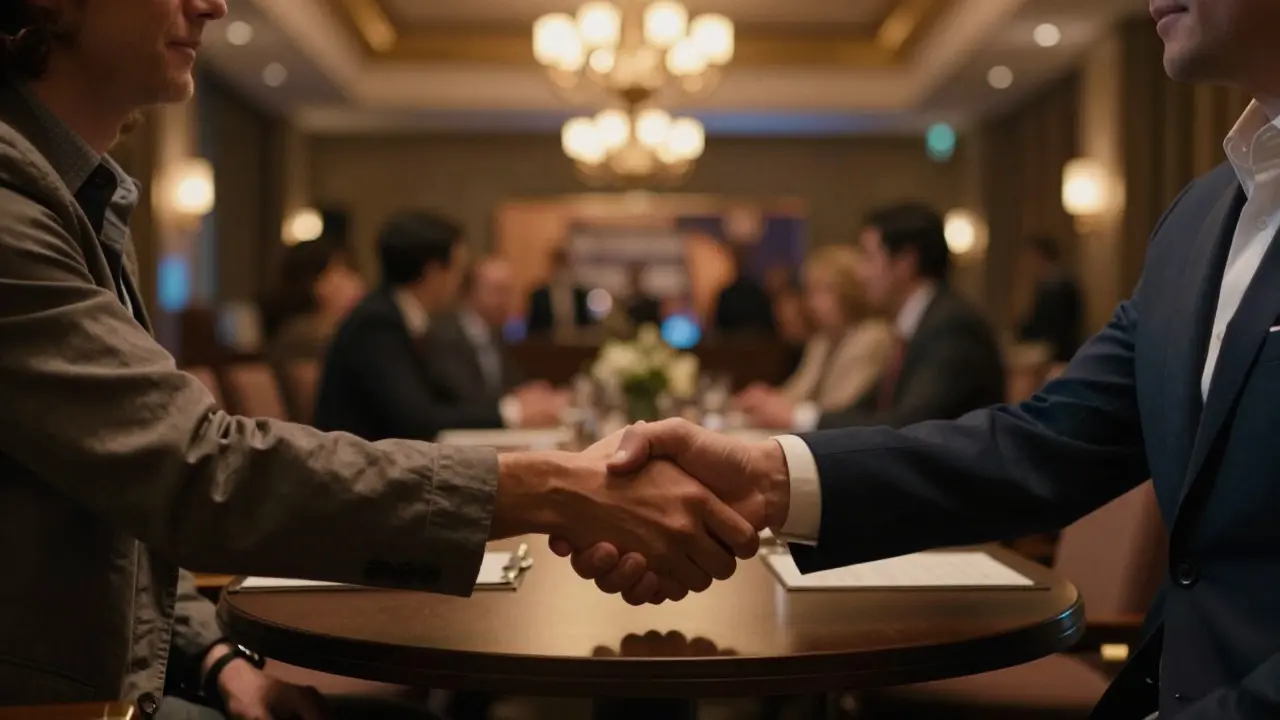
A specialized section of film festivals dedicated to business transactions and rights trading" sessions. Here, agents, producers, and executives meet to negotiate distribution rights.
The process is fast-paced. A film might screen in the main competition one afternoon and be sold by the next morning. Buyers look for specific signals: strong critical reception, a recognizable director, or a unique cultural perspective that fills a gap in their current catalog. For example, if a streamer lacks high-quality Scandinavian thrillers, they will actively scout for them during the Berlinale. The festival atmosphere creates urgency, leading to competitive bidding wars that drive up the price of rights.
When a streamer buys a film, they aren't just buying the video file. They are purchasing a bundle of rights known as territorial licensing agreements. These contracts define exactly where and for how long the film can be shown. A typical deal might grant exclusive rights for five years in North America and Europe, while leaving other regions open for different buyers.
Pricing varies wildly based on several factors. A debut feature from an unknown director might sell for $50,000 to $150,000. However, a sequel from a celebrated auteur or a film with a star cast could command millions. The most valuable asset in these negotiations is exclusivity. If a streamer wants the film to be available nowhere else, they pay a premium. Conversely, non-exclusive deals are cheaper but less attractive because the film competes with other titles on rival platforms.
| Model | Risk Level | Audience Reach | Revenue Structure |
|---|---|---|---|
| Traditional Theatrical | High | Limited/Regional | Box Office Share |
| Streaming Exclusive | Low | Global/National | Upfront Fee + Royalties |
| Hybrid Release | Moderate | Wide | Combined Box Office & Licensing |
Getting a film onto a platform is only half the battle. The real challenge is getting people to click play. Streaming services suffer from what industry insiders call "catalog fatigue." With thousands of titles available, users often struggle to find new content. This is where marketing budgets come into play. Streamers invest heavily in thumbnails, trailers, and algorithmic placement to ensure a newly acquired international film gets seen.
However, algorithms favor familiar patterns. A crime drama with clear visual cues is easier to recommend than an abstract experimental piece. This creates a bias toward certain genres. Filmmakers must understand that while their artistic vision is paramount, packaging the film with compelling metadata-titles, descriptions, and imagery that resonate globally-is crucial for success. A film might win awards in Cannes but fail to gain traction online if its marketing doesn't clearly communicate its genre or emotional hook to a casual viewer scrolling through their phone.
The landscape is evolving rapidly. We are seeing more co-productions between international studios and US-based streamers. Instead of simply buying finished films, companies like Netflix and Amazon Prime Video are financing productions directly. This gives them creative input earlier in the process and ensures a steady supply of original content. For instance, a Korean production house might partner with a US studio to fund a series, sharing costs and risks while splitting revenue.
Another trend is the rise of mid-tier platforms. While giants dominate the headlines, smaller services are carving out niches by focusing exclusively on specific regions or genres. A platform dedicated solely to Latin American cinema, for example, can offer deeper curation and better support for those films than a generalist giant that buries them under blockbuster releases. This fragmentation allows for a healthier ecosystem where diverse voices have multiple avenues for distribution.
For directors and producers, the message is clear: plan your strategy early. You need to know which festivals align with your target buyers. If you want to sell to Asian markets, prioritize screenings in Singapore or Tokyo. If your goal is European audiences, focus on Venice or Locarno. Building relationships with agents who specialize in international sales is essential. These agents act as translators, not just linguistically, but culturally, helping to frame your story in a way that appeals to global buyers.
Finally, don't underestimate the power of social media. Before a film even reaches a festival, buzz on Instagram or TikTok can influence buyer interest. A viral clip or a passionate fanbase can add leverage to your negotiating position. The pipeline is no longer just a physical route from festival to screen; it is a digital network of conversations, data points, and cultural exchanges that connect creators to audiences worldwide.
Generally, yes, for small-scale releases. The upfront guarantee from a streamer reduces financial risk compared to theatrical runs, which require significant marketing spend and may result in low attendance. However, theatrical releases can still provide prestige and award eligibility that helps future projects.
Cannes, Venice, Toronto, and Berlin are the top four. Each has a different vibe and buyer base. Cannes is highly competitive and prestigious, while Toronto is known for its strong commercial appeal and large industry presence. Berlin focuses heavily on European and Eastern European cinema.
It can happen in as little as 24 to 48 hours after the premiere. Speed is key because other buyers are watching the same film. Agents often work around the clock during festival periods to finalize deals before competitors do.
Exclusive rights mean only one platform can show the film in a specific territory for a set period. Non-exclusive rights allow multiple platforms to carry the film simultaneously. Exclusive deals cost more but give the streamer full control over marketing and visibility.
Yes, if they offer something unique. Streamers are always looking for fresh perspectives and niche audiences. A low-budget film with a strong concept or a beloved director can attract significant attention, even without a large marketing budget behind it.

Explore how exclusive Pay-1 windows shape the battle for film rights among streamers in 2026. Learn about the economics, impact on theaters, and future trends in digital distribution.
Explore the high-stakes world of film festival acquisitions. Learn how streamers like Netflix and Apple TV+ close million-dollar deals and secure global rights.
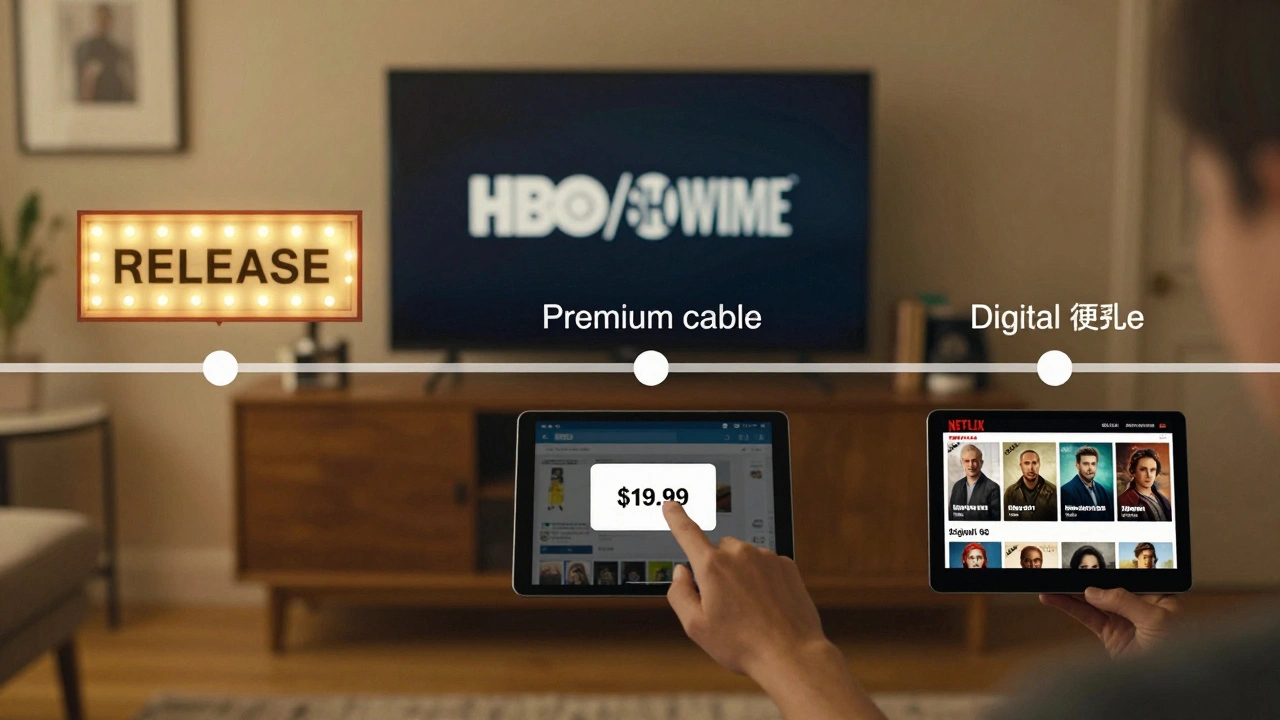
Film licensing to streamers follows a strict timeline: Pay-2 (premium cable), Pay-3 (digital rentals), and Library (subscription services). Each window generates revenue, controls release timing, and shapes what you see - and when. This is how studios make money from movies in the streaming age.

Hybrid rights deals now dominate film distribution, blending theatrical releases with upfront streaming payouts. Learn how distributors split revenue, set release windows, and why this model is reshaping indie film financing.
Original film production deals between studios and streamers have reshaped how movies are made and released. Studios get guaranteed funding; streamers get exclusive content. Here's how the deals work, who benefits, and where they're headed in 2025.
Platform-exclusive film releases lock movies to one streaming service, forcing viewers to subscribe to multiple platforms. Here's why it happens, how it affects what we watch, and how to navigate the chaos.