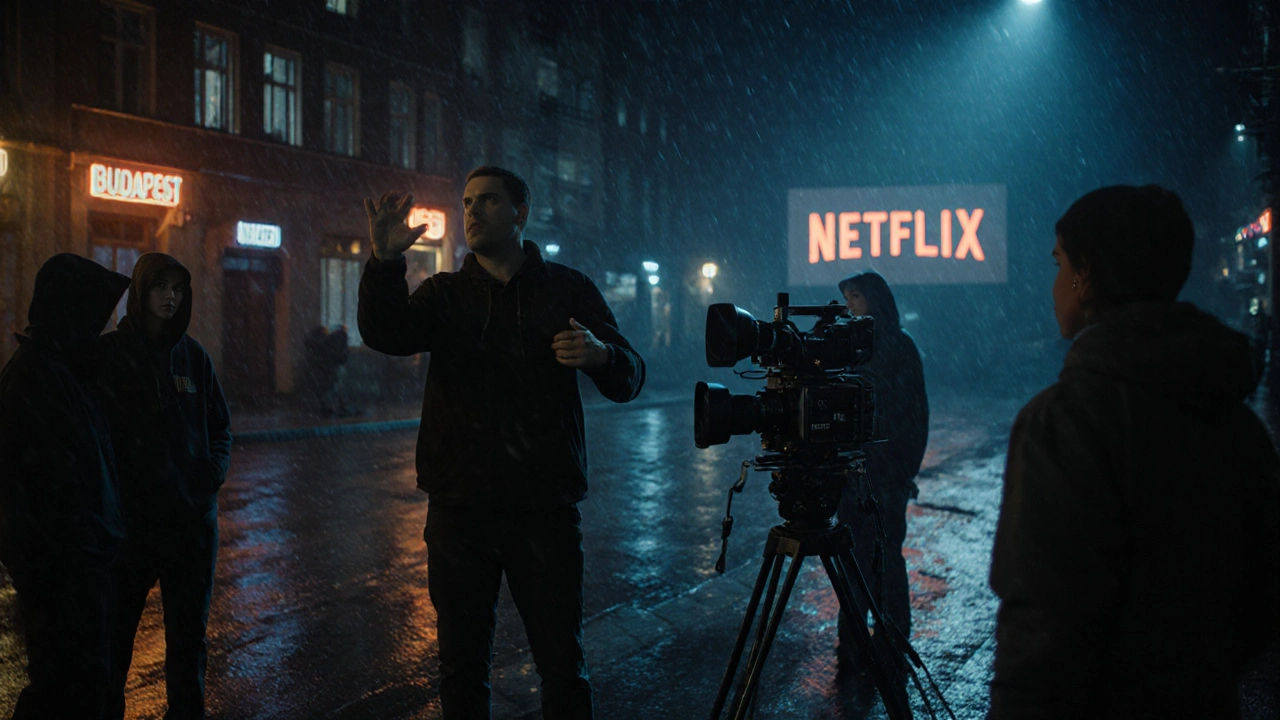
Back in 2018, Netflix paid $50 million for the global rights to The Irishman-a movie that would’ve been a risky theatrical release for any studio. But Netflix didn’t care about box office numbers. They cared about awards, prestige, and keeping subscribers hooked. That deal wasn’t an outlier. It was the start of a new era.
How Studios and Streamers Started Making Deals
Before 2015, studios like Warner Bros., Universal, and Sony made movies for theaters. The path was simple: film it, release it in 4,000+ theaters, hope it made back its budget, then sell it to TV networks or streaming services years later. Then came Netflix, Amazon, and Apple. They didn’t want to wait. They wanted content now.
Studios had cash. Streamers had subscribers and data. The math was obvious: studios could fund big-budget films without taking the financial risk of a theatrical flop. Streamers got exclusive content that made people sign up-and stay signed up.
By 2020, deals like Army of the Dead (Netflix/$90M), The Power of the Dog (Netflix/$50M), and The Lost City (Paramount+/$75M) became routine. These weren’t just licensing deals. These were original film production deals-where the studio actually produced the movie, and the streamer paid for it upfront, usually with global rights.
Why Studios Love These Deals
Producing a movie is expensive. A typical mid-budget film costs $50-$80 million. Add marketing, and you’re at $100 million+. Theatrical releases are a gamble. In 2023, 62% of wide-release films lost money at the box office, according to the Motion Picture Association.
With streamer deals, studios get guaranteed profit. No need to worry about opening weekend numbers. No need to fight for theater space. No need to release in 100 countries on the same day. They get paid upfront, often with a bonus if the film wins awards.
For example, when Sony made Uncharted with Netflix, they kept the theatrical rights but let Netflix handle global streaming. That gave Sony a $120 million payday from Netflix, plus $300 million from theaters. Two revenue streams, zero overlap.
Why Streamers Need These Deals
Disney+ lost $1.7 billion in 2022. Apple TV+ spent $2 billion on content in 2023. Amazon’s Prime Video reportedly spends $7 billion a year. They’re not trying to make money from ads or subscriptions alone-they’re trying to make people need their service.
Original films are their secret weapon. A single hit like The Lost City or The Gray Man can drive millions of sign-ups. And unlike TV shows, which need 8-10 episodes to build momentum, a great movie can go viral in a weekend.
Netflix doesn’t just want content. They want events. A movie that makes headlines, wins Oscars, or breaks records on their platform. That’s why they pay so much. A $70 million film that gets 100 million views is worth it. That’s 100 million people who watched something only they could offer.
Who’s Really Winning?
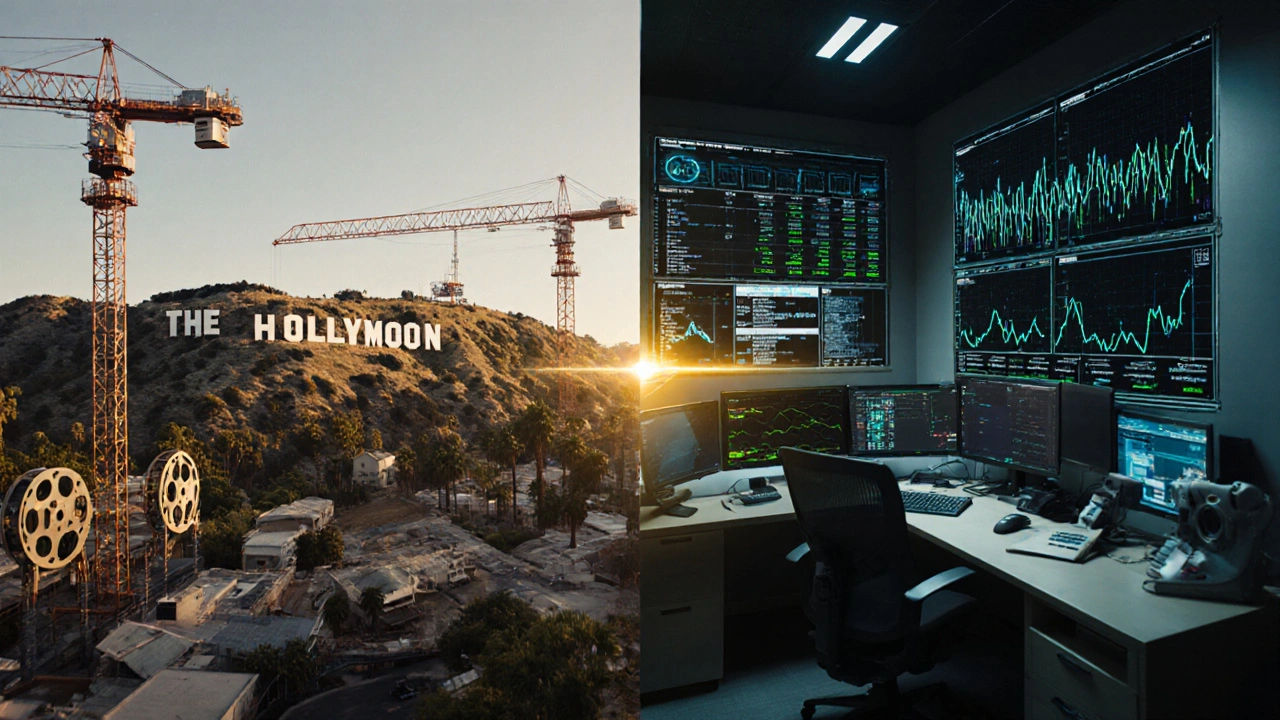
It looks like streamers are the big spenders. But studios are the ones holding the cards.
Studios own the infrastructure: physical production crews, post-production houses, visual effects studios, distribution networks. They’ve been making movies for 100 years. Streamers? They’re tech companies with big wallets and no clue how to shoot a scene on a rain-soaked street in Budapest.
That’s why studios still control creative decisions. Streamers might say, “We want a darker tone,” but they rarely override the director. Most deals give studios final cut. The streamer gets the rights, not the control.
And here’s the kicker: studios keep ownership of the IP. Netflix doesn’t own The Irishman. Paramount doesn’t own Uncharted. The studios do. That means they can license those films to other platforms later. Or make sequels. Or turn them into TV shows. The streamer gets a window-usually 18 to 36 months-then the studio regains full control.
The Rise of the Hybrid Deal
Not every deal is pure streamer. Some are hybrid.
Universal and NBCUniversal made a deal with Peacock in 2021: they’d release films on Peacock 45 days after theaters. That’s the “PVOD” model-premium video on demand. But it’s not the same as a production deal.
True original film production deals mean no theatrical release at all. Or, sometimes, a tiny theatrical run for awards eligibility. Marlowe (2022) got a 3-week theatrical run before going to Amazon Prime. The Woman King (2022) opened in theaters, then went to Netflix after 90 days. These aren’t pure deals-they’re compromises.
But the trend is clear: the more a film is made for streaming, the less likely it is to hit theaters. In 2024, 37% of all major studio films had no theatrical release. That’s up from 12% in 2019.
What Happens When the Money Runs Out?
Not all streamers can afford $80 million films. Amazon scaled back in 2023. Apple cut its original film budget by 40%. Netflix’s spending dropped from $17 billion in 2022 to $13 billion in 2024.
Studios are starting to push back. They’re asking for higher fees. They’re demanding a share of backend profits. They’re insisting on shorter exclusivity windows-sometimes as little as 90 days.
And some studios are going solo. Warner Bros. is launching its own streaming platform for films: WB Max. It’s not a full service like Netflix, but it’s a way to keep profits in-house.
The golden age of unlimited studio-streamer deals might be ending. But the model isn’t going away. It’s just getting smarter.
What’s Next for Original Film Deals?
Three trends are shaping the future:
- Smaller, targeted films - Instead of $100 million epics, studios are making $20-$40 million genre films: thrillers, horror, sci-fi. These cost less, make more profit, and are perfect for streaming.
- Co-productions with international studios - Netflix is teaming up with Korean, Indian, and Brazilian studios to make local-language films. That’s cheaper than Hollywood productions and more culturally relevant.
- Studio-owned streamers - Disney, Paramount, and Warner Bros. are all building their own platforms. Why pay Netflix $60 million for a film when you can make it yourself and keep 100% of the revenue?
By 2027, we’ll likely see fewer mega-deals between Hollywood studios and Netflix/Amazon. Instead, we’ll see more niche films, more regional partnerships, and more studio-controlled streaming services.
What This Means for Viewers
For you, the viewer, it means more choice. More variety. More chances to see original stories that wouldn’t have been made under the old system.
Remember Marriage Story? Manchester by the Sea? Sound of Metal? Those were indie films. Now, studios are making those same kinds of movies-but with $50 million budgets and global distribution.
Streaming didn’t kill cinema. It created a new kind of cinema-one that doesn’t need a theater to matter.
Are original film production deals still happening in 2025?
Yes, but they’re changing. Big-budget deals like $80 million originals are less common. Studios now prefer mid-budget films ($20-$50 million) with clear audience appeal-horror, thrillers, action. Streamers are also shifting toward co-productions and regional content to cut costs.
Do studios still make movies for theaters?
Yes, but fewer. Major studios still release big franchises-Marvel, Fast & Furious, Mission: Impossible-in theaters. But for dramas, comedies, and indie-style films, the default is now streaming. In 2024, over 100 studio films skipped theaters entirely.
Who owns the rights to a film made for a streamer?
The studio usually owns the IP and copyright. The streamer gets exclusive distribution rights for a set time-typically 18 to 36 months. After that, the studio can license it elsewhere, make sequels, or release it on their own platform.
Why do streamers pay so much for films?
They’re not just buying movies-they’re buying subscribers. A hit film like The Gray Man or Red Notice can bring in millions of new sign-ups. Even if the film loses money, it drives platform growth. That’s why they pay premiums for stars, directors, and awards potential.
Can a film made for streaming win an Oscar?
Yes. The Irishman, The Power of the Dog, and Marriage Story all won or were nominated for Oscars. The Academy doesn’t care where a film is released-it cares about quality. But studios still give limited theatrical runs to qualify.
Are original film deals good for filmmakers?
For directors and writers, it’s a mixed bag. On one hand, they get bigger budgets and global exposure. On the other, they have less control over release timing and marketing. But many prefer the creative freedom of streaming over studio interference in theaters.
Final Thoughts
The old system-film, theater, TV, then streaming-is gone. The new system is: film, streamer, then maybe theater. Or never theater.
Studios didn’t lose power. They adapted. Streamers didn’t take over. They partnered. And audiences? They got more movies than ever before.
The real winners aren’t the studios or the streamers. They’re the ones who sit down, press play, and discover a story they never would’ve seen otherwise.




Comments(9)