Some sequels make you feel like you’ve been handed a second helping of last night’s dinner-cold, soggy, and missing the spice. Others? They feel like someone took the original movie, ripped out its soul, and replaced it with a marketing spreadsheet. These aren’t just bad movies. They’re franchise crimes.
Spider-Man 3 (2007)
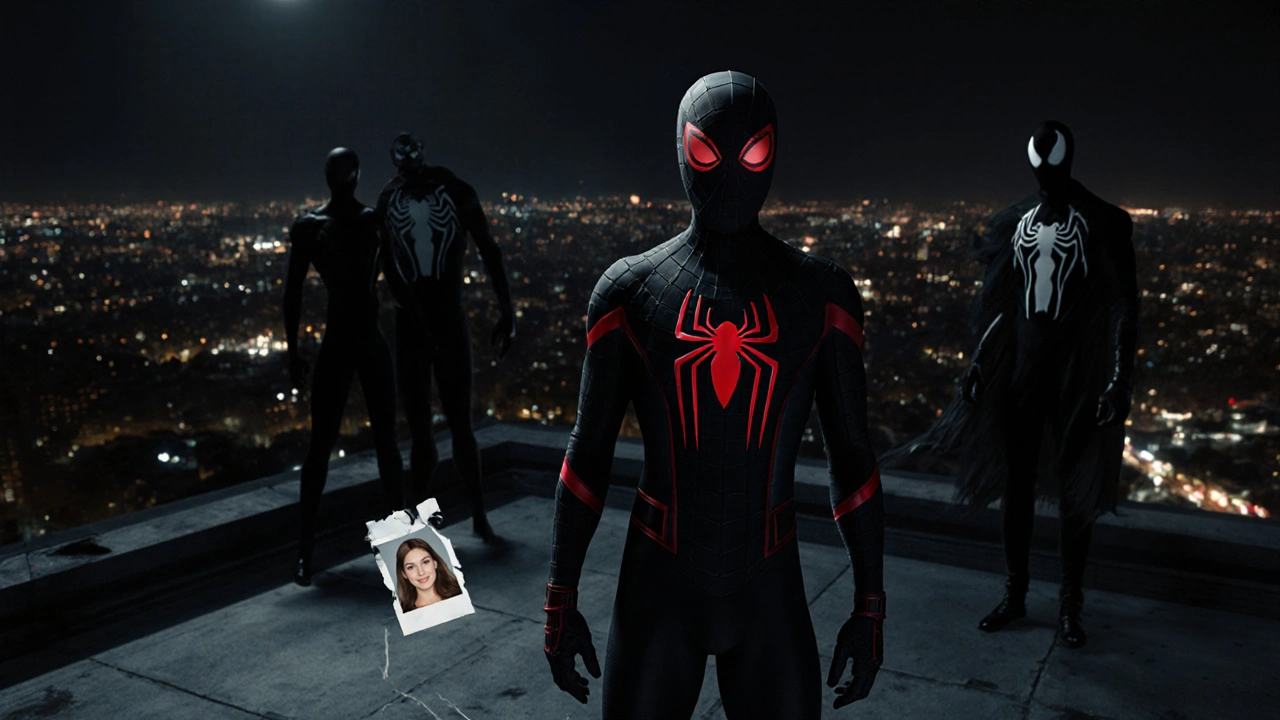
After two critically loved films that balanced humor, heart, and superhero stakes, Spider-Man 3 dropped like a rock. It tried to cram in three villains-Sandman, Venom, and the Green Goblin’s ghost-while forcing Peter Parker into a black suit that made him look like a goth teen with anger issues. The dancing scene? A cultural punchline. The film’s budget was $258 million. It made $891 million worldwide, but audiences walked out confused and disappointed. Why? It forgot Peter Parker was the heart of the story. Instead, it turned him into a brooding, selfish jerk just to create conflict. The original trilogy’s strength was its emotional grounding. This one had no anchor.
Alien 3 (1992)
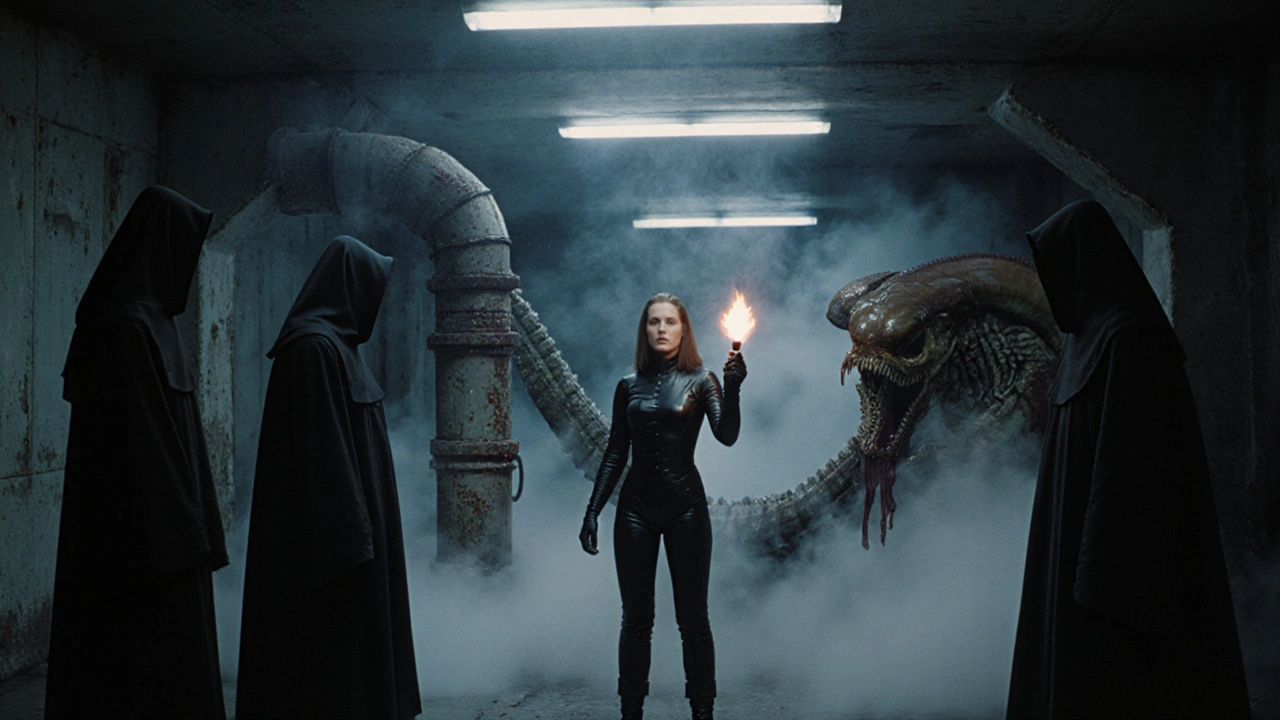
After the claustrophobic terror of Alien and the military-action thrill of Aliens, Alien 3 threw Ripley into a prison space station run by monks. No guns. No marines. No hope. The studio panicked after director David Fincher was fired mid-production. The final cut was a patchwork of conflicting visions. The xenomorph’s design changed mid-film. The ending? Ripley sacrifices herself by letting the alien impregnate her-only for it to hatch inside her. It was grim, confusing, and emotionally hollow. Fans expected a survival story. They got a nihilistic mess. The film lost $20 million at the box office despite a $60 million budget. It didn’t fail because it was too dark. It failed because it had no reason to exist.
Star Wars: Episode II - Attack of the Clones (2002)
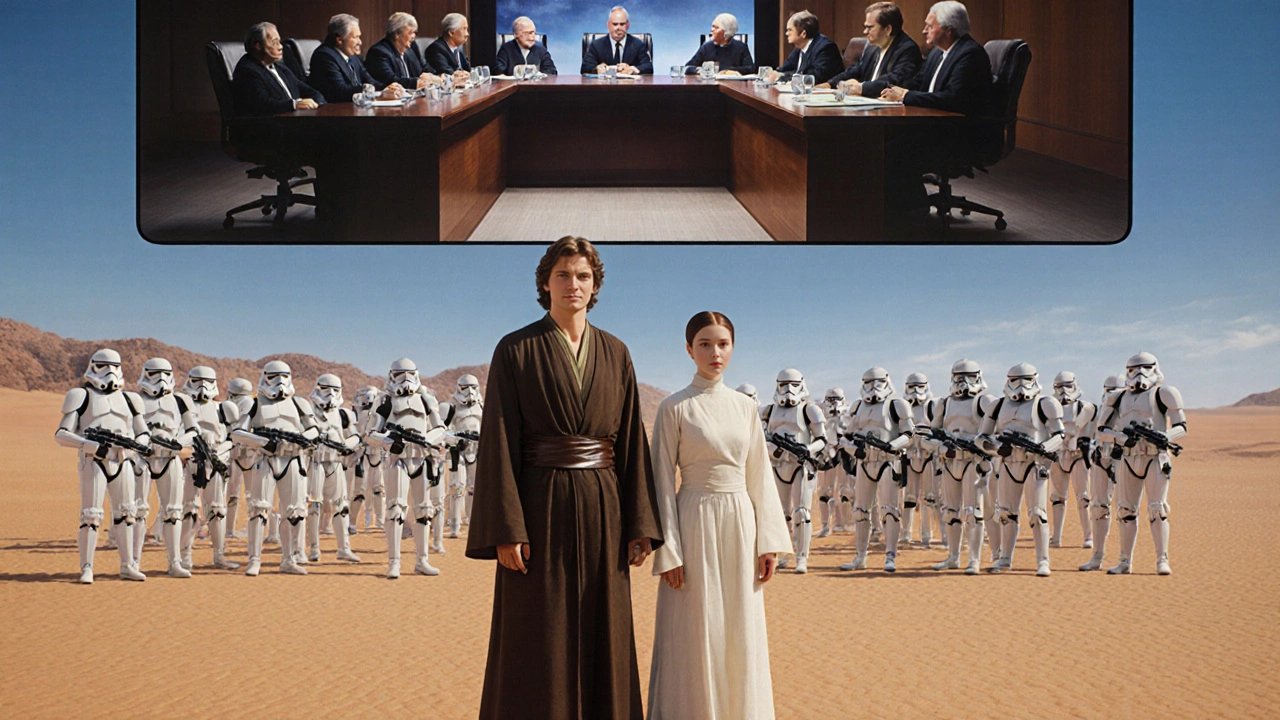
George Lucas promised a return to the magic of the original trilogy. What he delivered was wooden dialogue, robotic acting, and a love story between Anakin and Padmé that felt like a high school drama written by a robot. The infamous line, "I don’t like sand," became a meme because it was so painfully out of place. The film’s CGI-heavy action scenes looked fake even in 2002. The Jedi Council looked like a committee meeting. The clones? Identical soldiers with no personality. The movie didn’t just underdeliver-it rewrote the rules of what Star Wars could be, and made it feel like a corporate product. It didn’t just disappoint fans. It made them question if the franchise still had a soul.
Shrek Forever After (2010)
The Shrek series started as a clever subversion of fairy tales. By the fourth film, it had become a tired echo of itself. Shrek Forever After recycled plot points from the first movie, added a fake "what if" scenario that felt lazy, and turned Shrek into a whiny dad who missed his family. The humor? Relied on tired gags about ogres being ugly and dragons being hot. The villain? A one-note version of Rumpelstiltskin with no depth. The animation was pretty, but the story felt like a cash grab. It made $752 million globally, but critics called it "the most unnecessary sequel of the decade." The real failure? It didn’t just repeat itself-it forgot why people loved Shrek in the first place: his heart, his grumpiness, his weird friendship with Donkey.
Blade Runner 2049 (2017) - Wait, No, That One’s Good
Let’s pause here. Blade Runner 2049 is often listed as a bad sequel. It’s not. It’s a masterpiece. But people still bring it up because they expected a blockbuster. They got a slow, poetic meditation on identity and loneliness. That’s the real lesson here: sometimes sequels fail because audiences don’t know what they want. They want the same thing, but different. They want nostalgia, but with new thrills. They want innovation, but not too much. Most bad sequels don’t fail because they’re poorly made. They fail because they lost the original’s spirit.
Why Do Sequels Keep Failing?
There’s a pattern. Most bad sequels follow the same script:
- They overcompensate. More explosions. More villains. More CGI. But they forget the story.
- They ignore the characters. The protagonist becomes a prop. Their growth stops. Their flaws are ignored.
- They chase money, not meaning. Studios greenlight sequels because the first one made $1 billion. Not because the story has more to say.
- They lose the director. The original creator is gone. The new team doesn’t understand the tone.
- They don’t listen to fans. Or worse-they listen too much and try to please everyone.
Spider-Man 3 didn’t need three villains. It needed one real emotional conflict. Alien 3 didn’t need monks. It needed a reason for Ripley to keep fighting. Attack of the Clones didn’t need a love story that felt like a bad soap opera. It needed to show Anakin’s descent into darkness-not just tell us about it.
The Sequel Trap
Sequels aren’t evil. The Godfather Part II, The Dark Knight, Terminator 2-these are some of the greatest films ever made. What separates them from the failures? They didn’t try to copy the original. They expanded it. They deepened the themes. They gave the characters new stakes.
The worst sequels treat the original like a license to print money. The best ones treat it like a foundation. You don’t rebuild a house by tearing down the walls. You strengthen the structure. You add rooms that make sense.
What Could Have Been
Imagine if Spider-Man 3 focused only on Venom and made it a psychological battle-Peter’s guilt over Gwen’s death manifesting as a dark, seductive force. Imagine if Alien 3 had kept the military tone but added a twist: the alien was breeding inside the prison’s sewage system, turning the inmates into carriers. Imagine if Attack of the Clones had shown Anakin’s fear of loss through flashbacks, not awkward dialogue.
These aren’t fantasy fixes. They’re the kinds of choices that made the originals work. The original Alien worked because it was about isolation and helplessness. Aliens worked because it was about survival and leadership. Alien 3 tried to be both and ended up being neither.
What’s the Real Cost?
Bad sequels don’t just waste money. They kill momentum. When Spider-Man 3 bombed with audiences, Sony shelved the planned fourth film for seven years. When Star Wars: Episode II disappointed, fans lost faith in Lucas’s vision. The damage wasn’t just financial-it was emotional.
People don’t mind a sequel being different. They mind it being meaningless. They don’t mind a sequel being darker. They mind it being empty.
What Makes a Good Sequel?
Good sequels ask: What happens next? Not Can we make more money?
The Godfather Part II didn’t retell Michael’s rise. It showed his fall. Terminator 2 didn’t just bring back the T-800. It made him a protector. The Dark Knight didn’t just give Batman a new villain. It tested his moral code.
Great sequels don’t need more of the same. They need more of the truth.
Final Thought
The worst sequels aren’t the ones with bad effects or bad acting. They’re the ones that forgot why we loved the first one. They replaced emotion with spectacle. They traded character for convenience. They treated a story like a product line.
People don’t go back to a franchise because they want more explosions. They go back because they care about the people in it. When you lose that, you lose everything.
What makes a sequel fail more than a bad script?
A bad script can be fixed. What really kills sequels is losing the soul of the original. When filmmakers stop caring about the characters and only care about the box office, the audience feels it. People don’t mind a sequel being darker, weirder, or different-they mind it being hollow. The worst sequels feel like corporate products, not stories.
Are all sequels bad?
No. Some of the greatest films ever made are sequels. The Godfather Part II, Terminator 2, The Dark Knight, and Aliens all improved on their originals. The difference? They didn’t just repeat the formula-they deepened it. They gave the characters new challenges, raised the stakes, and explored themes the first film only hinted at.
Why do studios keep making bad sequels?
Because they work-sometimes. Even a bad sequel can make money if the original was huge. Studios see a franchise as a cash machine, not a storytelling opportunity. They think if the first movie made $1 billion, the second can make $1.2 billion, even if the story is tired. It’s short-term thinking that ignores the long-term damage to audience trust.
Can a bad sequel be redeemed?
Sometimes. Mad Max: Fury Road was a sequel to a 30-year-old film and became a modern classic. Blade Runner 2049 was a slow burn but earned critical respect. The key? A strong creative vision and respect for the original. A bad sequel can be forgiven if the next one learns from it. But if the studio keeps pushing the same mistakes, the franchise dies.
Which franchise has the worst track record with sequels?
The Shrek franchise is a textbook case. The first two films were brilliant. The third was okay. The fourth? A lazy retread. The same goes for Spider-Man after the first trilogy. Sony’s attempt to revive it with Spider-Man 3 and later The Amazing Spider-Man series only confused audiences. Even Star Wars suffered after the prequels. The common thread? When the original creators leave and the studio takes over, the magic fades.




Comments(9)