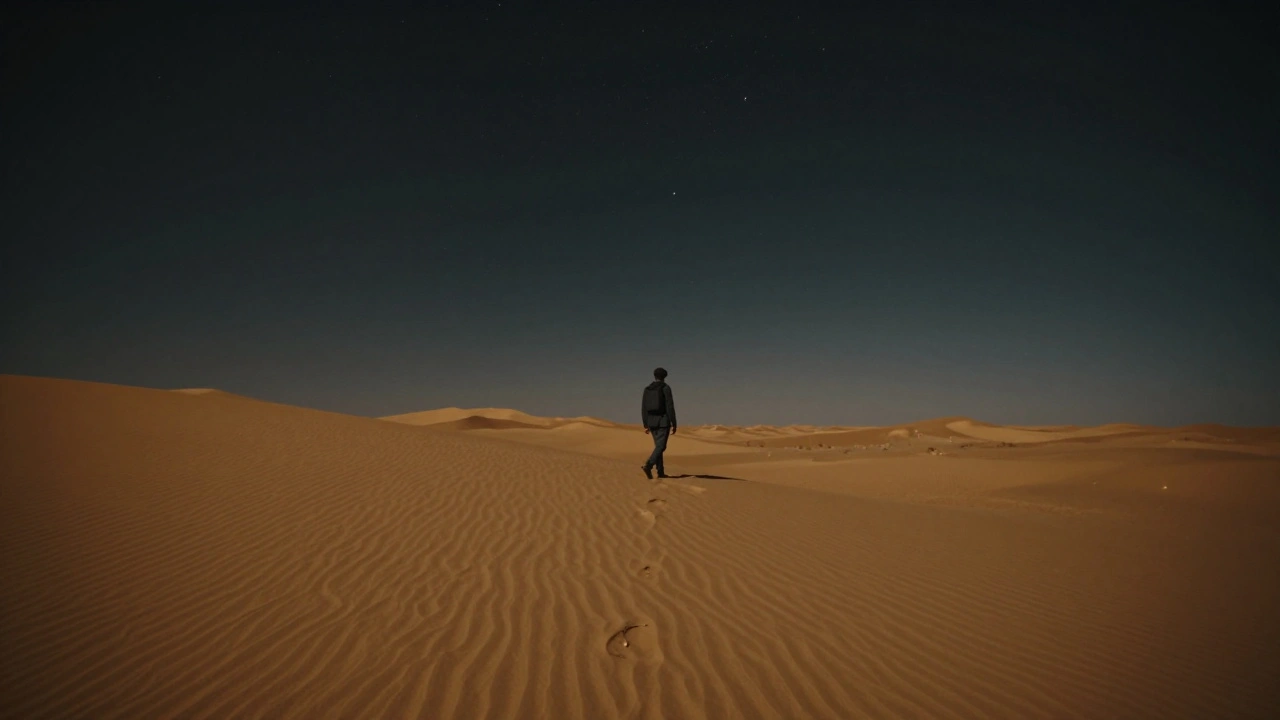
When you watch a movie on your TV or phone, the black bars at the top and bottom aren’t a mistake-they’re part of the story. Every frame you see has been shaped by a deliberate choice: the aspect ratio. It’s not just about fitting the screen. It’s about how the director wants you to feel, what they want you to see, and even how much of the world they’re letting you into.
What Aspect Ratio Actually Means
Aspect ratio is simply the width-to-height proportion of a film frame. It’s written like 16:9 or 2.39:1. The first number is width, the second is height. A 4:3 frame is almost square, like old TVs. A 2.39:1 frame is wide and cinematic, like a panorama. That difference isn’t just visual-it changes how you experience the scene.
Think about a close-up of a character’s face in 4:3. Their eyes fill the screen. You’re locked in. Now watch the same shot in 2.39:1. Their face is smaller. The space around them-empty hallways, stormy skies, crowded streets-becomes part of the emotion. That’s not an accident. Directors choose ratios to control attention.
Why 2.39:1 Became the Default
In the 1950s, television was stealing movie audiences. Studios needed something TV couldn’t match. They rolled out widescreen formats like CinemaScope and Panavision. The goal? Bigger, more immersive, more epic. By the 1970s, 2.39:1 was the standard for blockbusters. It gave you space for sweeping landscapes, massive battles, and long, slow tracking shots that made you feel like you were moving through the world.
Today, that ratio still dominates. Films like Mad Max: Fury Road, Barbie, and Dune use 2.39:1 because it feels cinematic. It tells you this isn’t a home video. This is an event.
When Directors Break the Rules
Not every great film uses the wide format. Some of the most powerful moments come from tight, square frames.
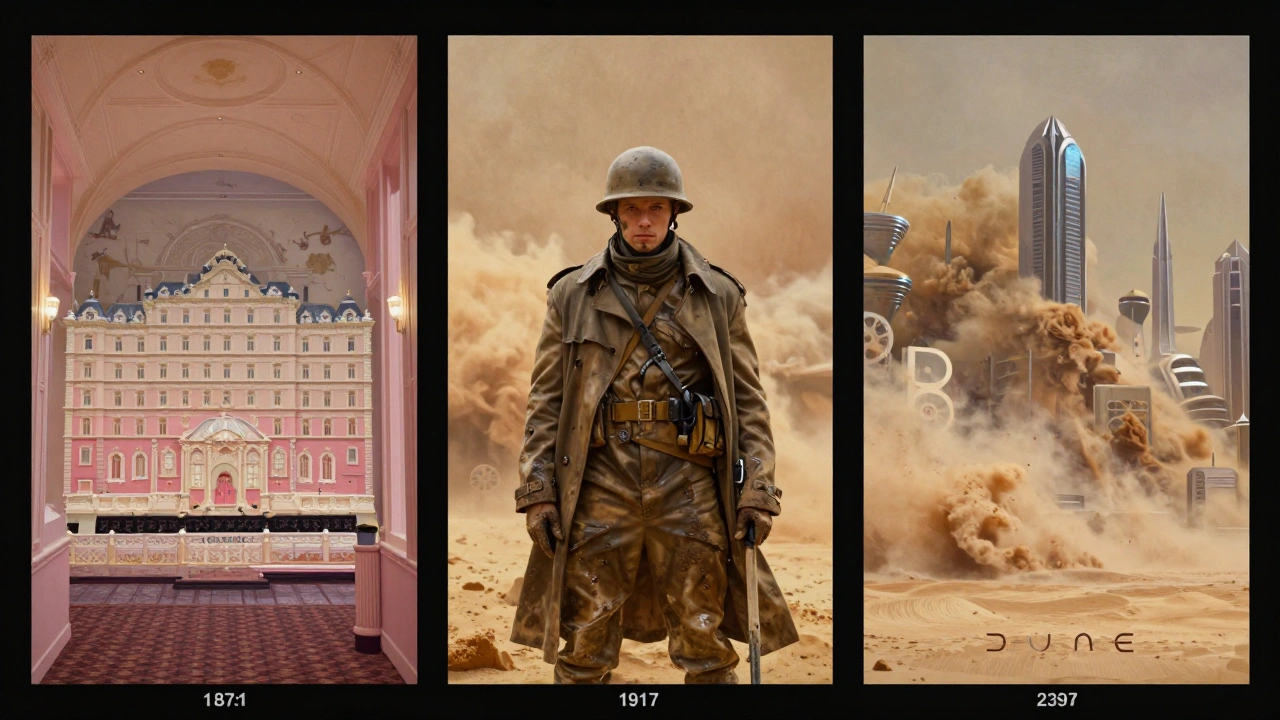
In 1917, Sam Mendes used 1.85:1 to make the war feel claustrophobic. The camera stays close to the soldiers. The world shrinks. You’re trapped in the mud with them. In The Grand Budapest Hotel, Wes Anderson switches between 1.37:1, 1.85:1, and 2.39:1 to mark different time periods. The narrower frames feel like old photographs-nostalgic, fragile.
Even Netflix and Hulu have started experimenting. Stranger Things uses 4:3 in its flashbacks to 1980s TV. It’s not just a style choice-it’s time travel. You don’t just see the past. You feel it.
How Your Screen Changes the Experience
Here’s the problem: most people watch movies on phones, tablets, or 16:9 TVs. That means a 2.39:1 film gets black bars. A 4:3 film gets black bars on the sides. You’re seeing less than what the filmmaker intended.
Some streaming services crop the image to fit your screen. That cuts off the top and bottom. In Blade Runner 2049, that means losing the towering cityscapes and the lonely figures walking through endless streets. The mood vanishes. The silence isn’t silence anymore-it’s missing.
Others stretch the image. That distorts faces, makes buildings look wider than they are. It’s like watching a photo stretched over a doorframe. It looks wrong. You don’t notice it until you see the original version.
The best experience? Watch on a 21:9 monitor or a projector with the correct ratio. But most of us don’t have that. So we adapt.
What to Look For When Watching
You don’t need a film degree to understand aspect ratio. Just pay attention.
- Is the frame tight? Are characters squeezed into the middle? That’s often 1.85:1 or 4:3-intimate, personal.
- Is there lots of empty space above and below? That’s 2.39:1-epic, lonely, cinematic.
- Do the edges of the frame feel like they’re pushing in? That could be a deliberate crop or a streaming service’s mistake.
When you notice the black bars, don’t just ignore them. Ask: Why are they here? What’s being left out? What’s being shown?
Modern Trends: The Rise of 16:9 and the Decline of Film
Most new content today-TV shows, YouTube videos, TikTok clips-is made for 16:9. That’s the standard for phones and flat screens. So even indie films are being shot in 16:9 because it’s cheaper and easier to distribute.
But something’s lost. The wide frame isn’t just about spectacle. It’s about space. It’s about silence. It’s about letting the viewer breathe. A 16:9 frame feels more like a window. A 2.39:1 frame feels like a doorway into another world.
Some filmmakers are pushing back. Paul Thomas Anderson shot The Master in 65mm with a 2.20:1 ratio. Christopher Nolan still shoots on film in 70mm for Oppenheimer. They’re not just being old-school. They’re protecting the art.
What You Can Do
Don’t settle for whatever your streaming app gives you.
- Check the settings. Some services let you choose between zoom, stretch, or letterbox. Pick letterbox.
- Use a 21:9 monitor if you watch a lot of films. It’s not expensive anymore.
- Watch on a TV with a good upscaler. Bad scaling turns 2.39:1 into a blurry mess.
- When you rent or buy a movie, look for the original theatrical version. Not the "TV edit."
Aspect ratio isn’t a technical detail. It’s part of the language of film. It’s how directors speak without words. If you’re watching a movie on your phone and you see black bars, you’re not seeing a flaw-you’re seeing a choice. And that choice matters.
How Aspect Ratio Shapes Emotion
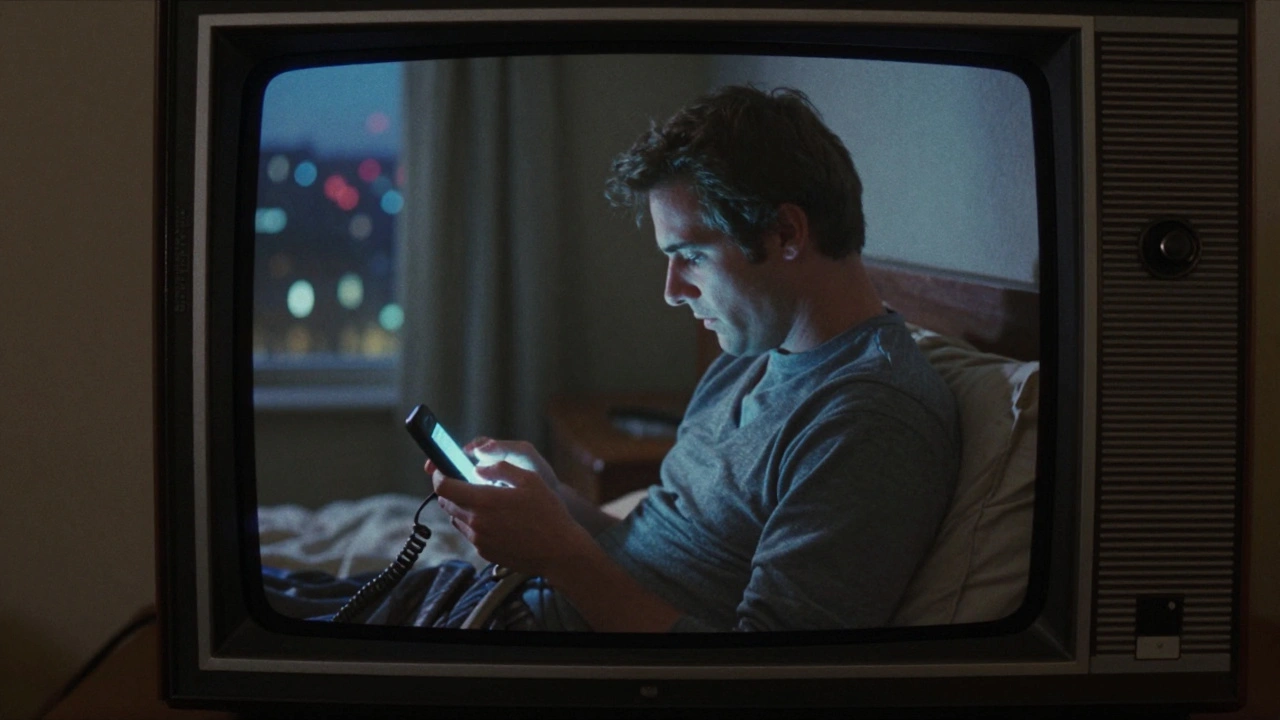
Think of aspect ratio as emotional framing. A narrow frame forces you to focus. A wide frame lets you wander. In Her, Spike Jonze used 1.85:1 to make the future feel small, personal, lonely. The city outside the window is just a blur. The real story is in the room-with a voice, a phone, a man who can’t touch the person he loves.
In Lawrence of Arabia, David Lean used 2.20:1 to make the desert feel endless. The sand stretches beyond the frame. You feel the heat. The silence. The isolation. That’s not just cinematography. That’s emotion built into the shape of the screen.
When you watch a film, you’re not just watching images. You’re feeling the space between them.


Comments(7)