Every year, dozens of film festivals around the world screen hundreds of movies. But only a handful of them make space for something quieter, weirder, and more personal: artist films. These aren’t the big-budget dramas or viral TikTok shorts. They’re raw, experimental, often self-made works by painters, sculptors, dancers, and poets who picked up a camera not to tell a story-but to breathe.
What Makes a Film an Artist Film?
An artist film isn’t defined by its budget or runtime. It’s defined by its origin. These are works made by visual artists who use film as another medium-like clay or charcoal. Think of Maya Deren’s hypnotic Meshes of the Afternoon from 1943, or Yvonne Rainer’s Hand Movie, where her fingers move like brushstrokes across the frame. Today, artists like Tacita Dean, Bill Viola, and Pipilotti Rist make films that live in galleries as much as they do in theaters.
Unlike narrative cinema, artist films often reject plot. There’s no three-act structure. No hero’s journey. Instead, you get time-lapsed clouds over a desert, the slow drip of wax onto a canvas, or a 20-minute close-up of someone breathing. The goal isn’t to entertain. It’s to make you feel something you can’t name.
Why Festival Sidebars Matter
Most film festivals-Cannes, Sundance, Toronto-focus on features and documentaries that can be sold, distributed, or streamed. Artist films don’t fit that mold. They’re hard to market. They rarely have stars. They might not even have dialogue. So where do they go? The sidebars.
These are the off-main-stage programs tucked into the corners of big festivals: the Artists’ Cinema section at Locarno, the Expanded Cinema program at Rotterdam, or the Visual Art Films block at New York’s Anthology Film Archives. These aren’t afterthoughts. They’re curated with the same care as the opening night premiere. And they’re where the most daring work finds its audience.
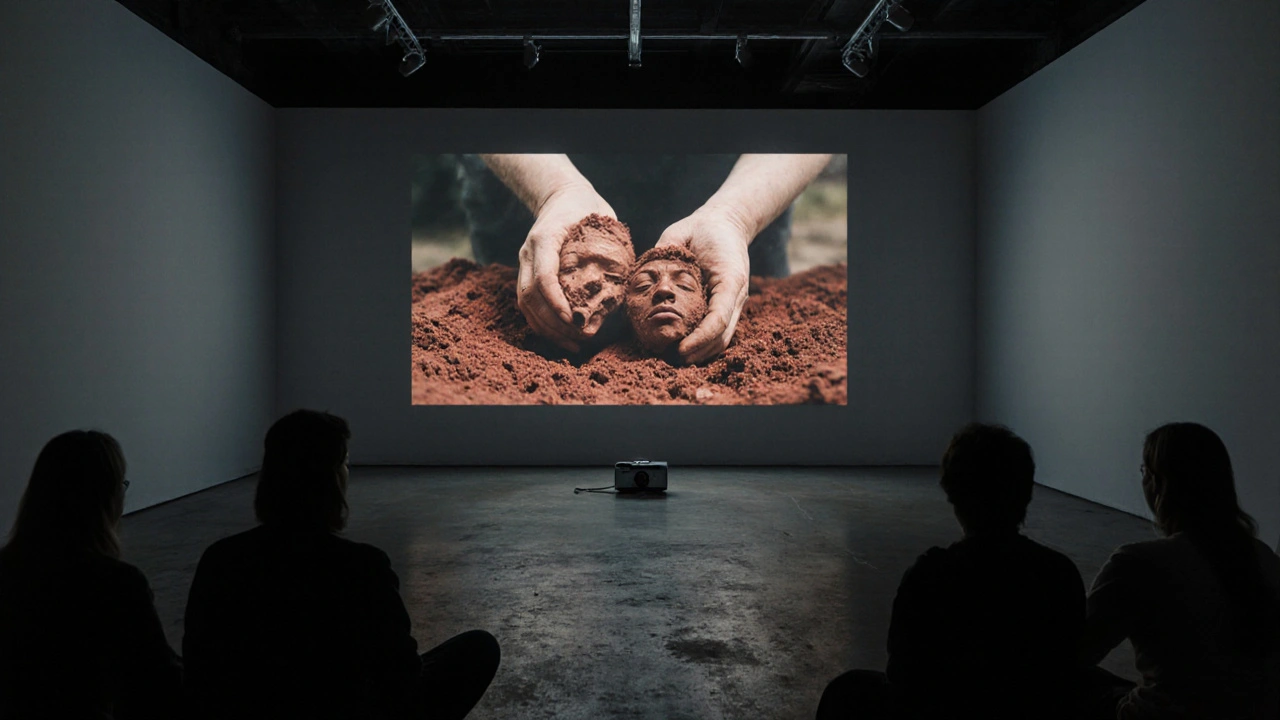
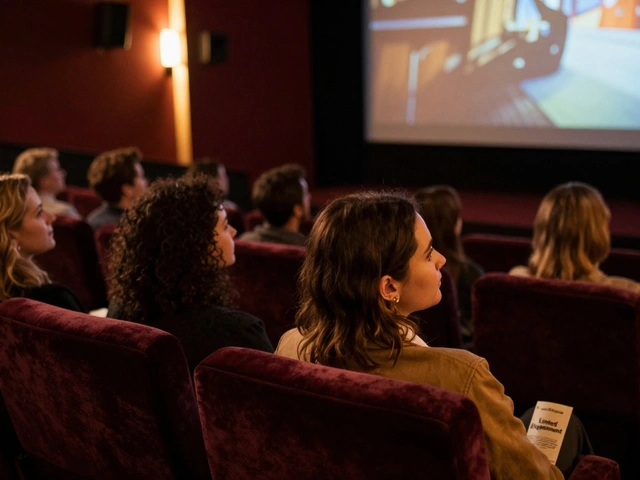
At the 2024 Berlinale, a 47-minute film called Soil Memory by Nigerian sculptor Chika Okeke-Agulu played to a packed room. It showed hands digging into red earth, mixing it with water, shaping it into faces that crumbled as they dried. No subtitles. No score. Just the sound of dirt shifting. Afterward, people stood in silence for a full minute before clapping.
How These Films Are Made
Artist films are rarely made with professional crews. Many are shot on phones, old 16mm cameras, or even 8mm home video recorders. The equipment is secondary. The intention is everything.
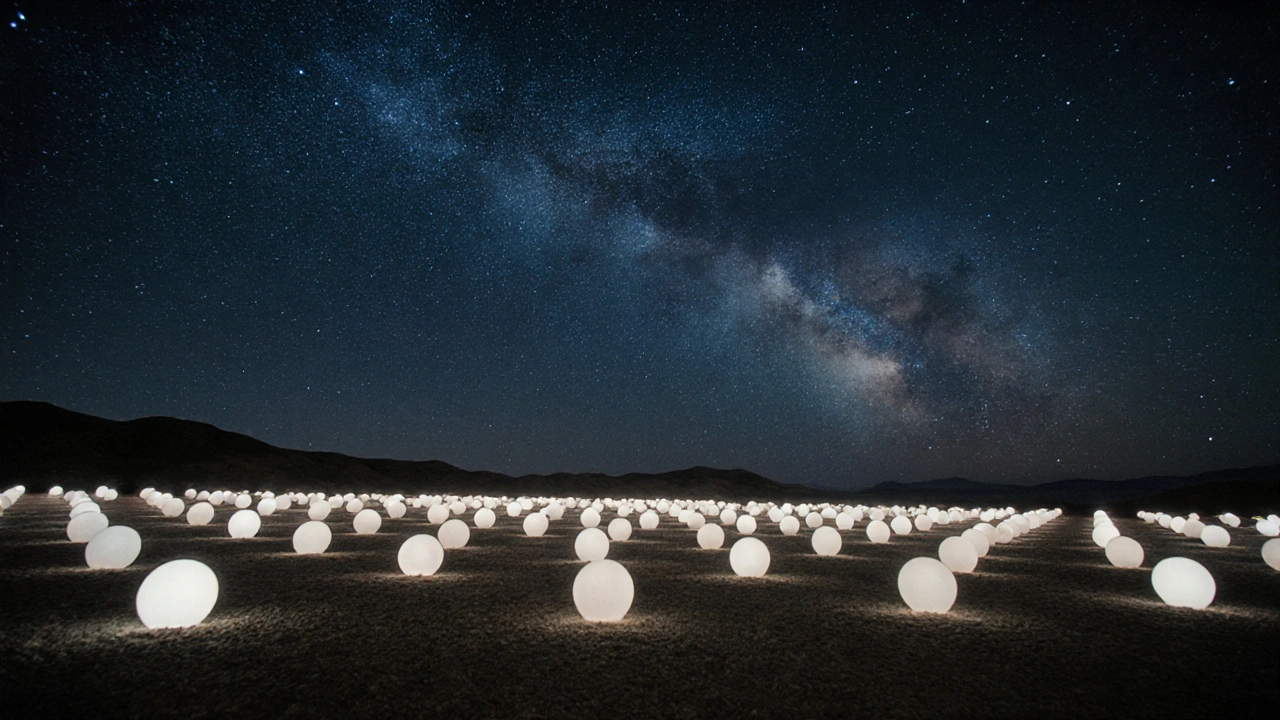
Take the work of Los Angeles-based artist Lita Albuquerque. Her 2023 film Star Field was shot over three nights in the Atacama Desert. She placed 100 white spheres along a ridge, each lit by a single LED. The camera stayed still. The stars moved above. The spheres reflected nothing. The film is 11 minutes long. It cost $300 to make. It won Best Experimental Film at the San Francisco International Film Festival last year.
These films often come from residencies. Places like the MacDowell Colony, the Delfina Foundation, or the Villa Aurora in Los Angeles give artists time, space, and no pressure to produce something ‘marketable.’ That’s where the magic happens. Without deadlines or distributors breathing down their necks, artists make films that feel like dreams.
Where to Find Them
You won’t find artist films on Netflix or Hulu. They don’t have algorithms. They don’t have trailers. But they’re out there-if you know where to look.
Start with festivals that specialize in experimental work: Ann Arbor Film Festival (Michigan), Images Festival (Toronto), and Vienna Shorts (Austria). Each has a dedicated artist film section. Some, like Ann Arbor, screen over 60% of their lineup as artist-made work.
Online, Streamline (streamline-film.com) is a subscription platform built just for artist films. It’s small-only 120 titles-but every one is handpicked. No ads. No recommendations. Just a new film each week, with notes from the artist explaining why they made it.
Local art museums are another goldmine. The Museum of Modern Art in New York, the Tate Modern in London, and the Hammer Museum in Los Angeles all run regular artist film screenings. Many of these are free. And they’re often followed by Q&As with the makers.
Why This Isn’t Just ‘Art’-It’s Essential
There’s a myth that artist films are too obscure, too self-indulgent. But they’re the last refuge of cinema as a personal act. In a world where every video is optimized for clicks, artist films refuse to perform. They don’t need to go viral. They just need to exist.
They remind us that film doesn’t have to be about telling stories. It can be about witnessing. About stillness. About the weight of a shadow on a wall. About the way light changes over 12 hours in an empty room.
When you watch an artist film, you’re not being sold something. You’re being asked to pay attention. To sit with discomfort. To let the image settle into your bones. That’s rare. And that’s why these sidebars matter.
The Future of Artist Cinema
More universities are now offering MFA programs in moving image art. At CalArts, Yale, and the Slade School of Fine Art, students are graduating not as filmmakers-but as artists who use film. Their work is showing up in biennials, not just festivals. And galleries are starting to treat them like paintings: framed, lit, and sold.
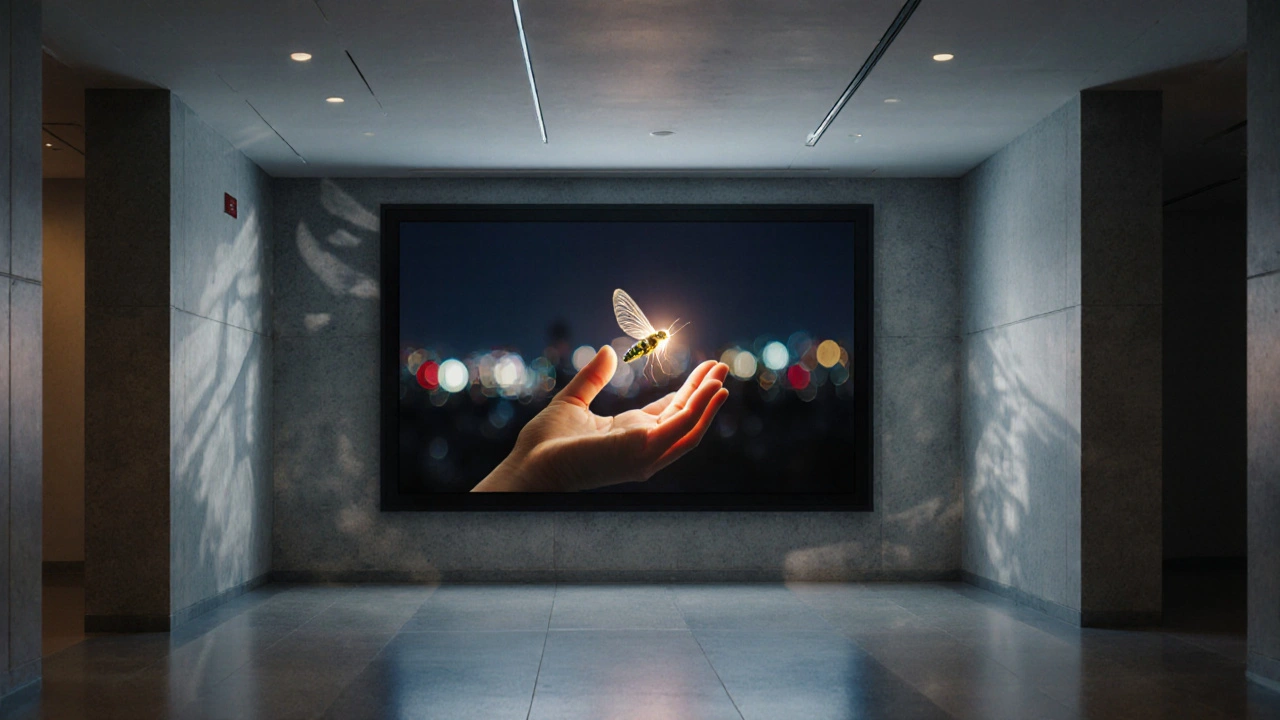
Some of these films are even finding their way into public spaces. In 2025, a 10-minute loop by Chicago artist Laila Mahmoud will play on digital billboards in downtown Chicago every night from 9 p.m. to midnight. It’s a slow zoom into a child’s hand holding a firefly. No music. No text. Just the flicker.
This isn’t the future of mainstream cinema. But it might be the future of how we experience moving images-not as content, but as presence.
How to Start Watching Artist Films
If you’ve never watched one, start small. Don’t try to understand it. Just watch.
- Watch La Jetée (1962) by Chris Marker-11 minutes, black and white, told in still photos. It’s sci-fi, but it feels like a memory.
- Try The Artist Is Present (2012) by Matthew Akers-documentary of Marina Abramović sitting silently across from strangers. It’s not about her. It’s about the people who sit with her.
- Check out Light and Time (2021) by Japanese artist Ryoji Ikeda-15 minutes of pure data visualized as light and sound. It’s overwhelming. You’ll feel it in your chest.
Don’t rush. Sit with one. Let it breathe. Then watch it again.
Why This Matters for You
You don’t need to be an artist to love artist films. You just need to be someone who’s tired of being told what to feel. These films don’t give you answers. They give you space-to think, to feel, to be quiet.
In a world that’s always shouting, artist films are the whisper that stays with you.
What’s the difference between an artist film and an experimental film?
The terms often overlap, but they’re not the same. Experimental films focus on form-breaking rules of editing, sound, or narrative. Artist films are made by people who identify first as visual artists, not filmmakers. Their goal isn’t to innovate cinema-it’s to express their artistic vision using film as a tool. An artist film can be experimental, but not all experimental films are artist films.
Can artist films be shown in traditional movie theaters?
Rarely, and not for long. Most traditional theaters rely on ticket sales and predictable runtimes. Artist films often run longer than two hours, have no dialogue, or lack commercial appeal. But some independent theaters-like the Coolidge Corner in Boston or the Nuart in Los Angeles-host monthly artist film nights. These are usually community-driven and low-budget, but they’re growing.
Are artist films ever sold as art?
Yes. Many artist films are sold as limited-edition video art pieces. For example, a single-channel video by Tacita Dean can sell for $50,000-$150,000 at auction. These are usually displayed on monitors or projectors in galleries, with certificates of authenticity. The film isn’t meant to be watched on a phone-it’s meant to be experienced in a curated space, like a painting.
Do artist films have soundtracks?
Sometimes-but rarely in the traditional sense. Many artist films use ambient sound, field recordings, or silence. When music is used, it’s often composed by the artist themselves or sourced from non-commercial sources. The sound isn’t there to enhance emotion-it’s there to create atmosphere, texture, or tension. In some cases, the absence of sound is the most powerful part.
How can I support artist films?
Attend screenings-even if you don’t ‘get’ it. Buy tickets to festivals that include artist sections. Donate to organizations like the Film-Makers’ Cooperative or the Experimental Film Society. Subscribe to platforms like Streamline. And if you’re an artist yourself, make something-even if it’s just 30 seconds of a candle burning. The more these films exist, the more space they carve out for quiet, meaningful work.


Comments(5)