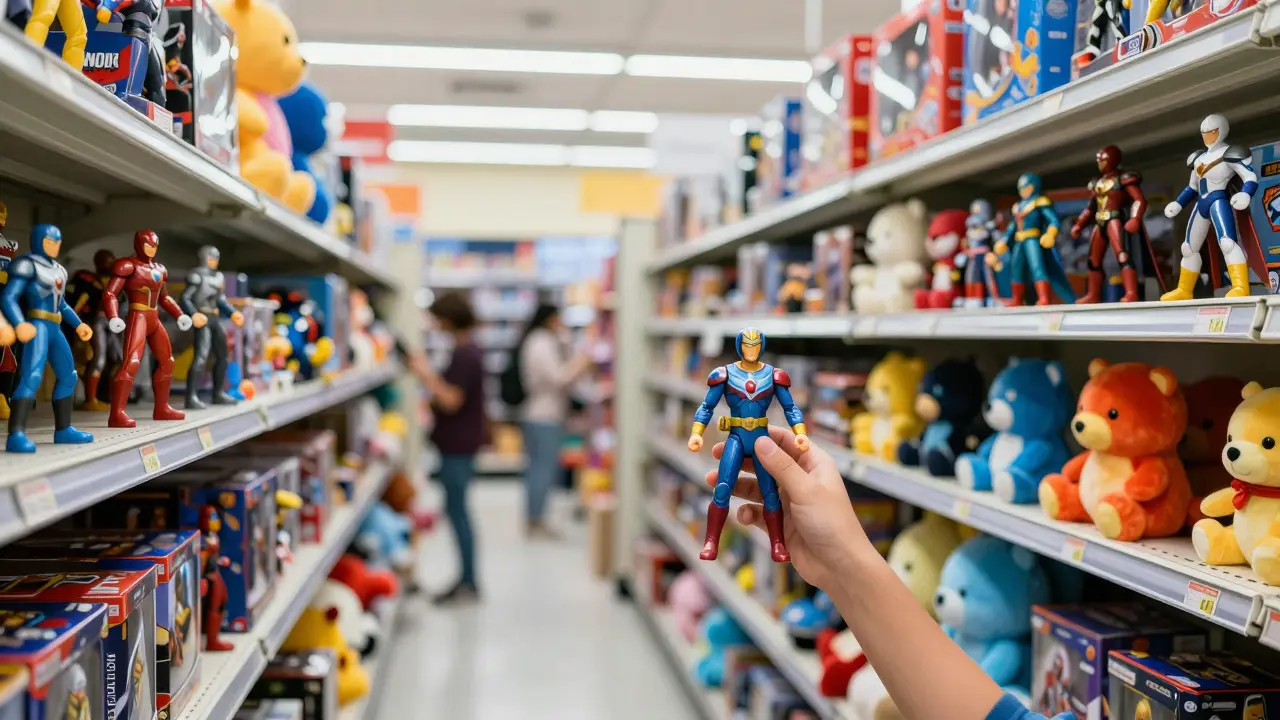
Ever wondered why studios keep greenlighting sequels to movies that barely broke even at the box office? The answer often lies not in the theater seats, but in the toy aisles. Consumer product licensing is the practice of granting rights to manufacturers to create and sell goods based on intellectual property. For major film franchises, this revenue stream can dwarf ticket sales, turning a risky creative bet into a stable financial asset. In 2025 alone, top-grossing franchises like Marvel Cinematic Universe generated over $12 billion in global merchandise sales, according to industry reports from Statista. This isn't just about selling t-shirts; it's a sophisticated economic engine that dictates which films get made, how they are marketed, and ultimately, how long a franchise survives.
The Economics of the Toy Aisle
To understand why investors care so much about action figures and plushies, you have to look at the profit margins. Box office receipts are split between theaters, distributors, and production costs. By the time a studio sees its cut, the margin is thin. Merchandise, however, operates on high-margin retail models. When a studio licenses a character to a toy manufacturer, they typically receive a royalty rate between 8% and 15% of wholesale value. That means if a single action figure sells for $30, the studio might pocket $4 to $6 per unit without spending a dime on manufacturing or logistics.
This creates a unique dynamic where the "product" is no longer just the movie, but an ecosystem of physical goods. Consider Star Wars, one of the most lucrative franchises in history. While the original trilogy earned roughly $775 million at the box office, its lifetime merchandise revenue is estimated to exceed $100 billion. This disparity highlights a critical shift in Hollywood finance: the movie is now the advertisement for the product line. Investors don't just ask, "Will people watch this?" They ask, "Will kids buy the lightsaber?"
How Licensing Deals Structure Franchise Value
The backbone of this system is the licensing agreement. These contracts define who makes what, where it’s sold, and for how long. Major players in this space include Hasbro, Mattel, and Funko. Each company specializes in different types of merchandise, creating a layered market that maximizes reach.
| Company | Primary Product Type | Average Royalty Rate | Key Franchise Examples |
|---|---|---|---|
| Hasbro | Action Figures, Toys | 10-12% | Transformers, Star Wars |
| Mattel | Dolls, Playsets | 9-11% | Barbie, Hot Wheels |
| Funko | Pop! Vinyls, Collectibles | 12-15% | Marvel, DC Comics |
Notice the slight variation in royalty rates. Higher rates usually go to companies with strong direct-to-consumer channels or those producing limited-edition collectibles. For investors, these numbers matter because they determine the cash flow stability of the franchise. A franchise with a diverse portfolio of licensees-covering toys, apparel, video games, and fast food-has lower risk than one relying on a single partner.
The Role of Character Design in Financial Viability
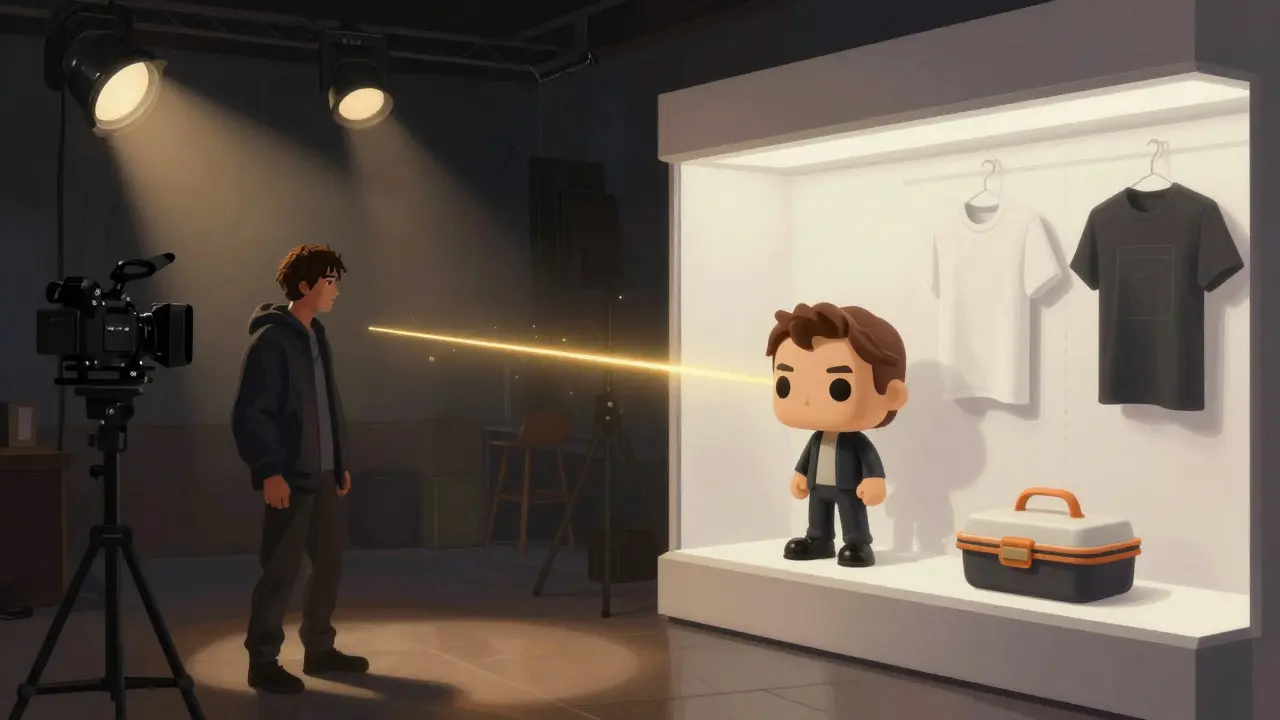
Not all characters are created equal when it comes to monetization. Studios now hire character designers with a specific mandate: visual scalability. A character needs to look good on a movie poster, a 4-inch vinyl figure, a lunchbox, and a phone case. This is why we see certain design trends repeat across franchises. Bright, distinct colors help characters stand out on shelves. Simple silhouettes make them recognizable in small formats. Think of Grogu (Baby Yoda) from The Mandalorian. His simple, round shape and large eyes made him instantly adaptable for plushies, keychains, and even baby clothes. The result? He became one of the best-selling characters of the early 2020s, driving significant investment confidence in the Star Wars live-action series pipeline.
Conversely, complex designs with intricate details can hurt sales. If a character has too many small parts, manufacturing costs rise, and the final price tag increases. Retailers like Target and Walmart prefer items that sit in the $10-$25 price range for mass appeal. This constraint forces filmmakers to simplify their visual language, sometimes sacrificing artistic nuance for commercial viability.
Investor Metrics: Beyond the Box Office
Traditional film analysis focuses on opening weekend numbers and total gross. But savvy investors now track "merchandise velocity." This metric measures how quickly licensed products move off shelves in the first 90 days after release. High velocity indicates strong audience engagement beyond passive viewing. It suggests fans are actively participating in the universe, which predicts higher retention for sequels and spin-offs.
Data from NielsenIQ shows a direct correlation between initial toy sales and second-quarter stock performance for media conglomerates. When Guardians of the Galaxy Vol. 3 released in 2023, Disney reported a 15% jump in consumer products revenue within three months. This wasn't just luck; it was a calculated strategy involving pre-release marketing campaigns that highlighted collectible exclusives. Investors watched these metrics closely, adjusting their valuations of Disney's media assets accordingly.
Risks and Pitfalls in the Merchandise Model
It’s not all smooth sailing. Over-saturation is a real danger. If a franchise releases too many products simultaneously, it can dilute brand value and lead to consumer fatigue. Remember the early 2000s Harry Potter craze? At peak, there were thousands of licensed items available. While initially profitable, the sheer volume led to markdowns and reduced margins in later years. Studios must balance exposure with scarcity. Limited editions work well for collectors but don't drive mass-market revenue.
Another risk is quality control. If a major licensee produces a poorly made toy that breaks easily, it reflects badly on the film itself. Social media amplifies these issues instantly. A viral video of a defective Marvel figure can cost millions in brand equity. To mitigate this, top-tier franchises now involve their creative teams in the approval process, ensuring that the merchandise matches the tone and quality of the screen content.
The Future: Digital Goods and Physical Hybrids
The landscape is shifting again with the rise of digital ownership. Video game skins, NFTs, and in-game items are becoming new frontiers for franchise monetization. However, physical goods remain dominant because they offer tangible nostalgia. The future likely lies in hybrid models: buying a physical figure that unlocks digital content, or scanning a product to access exclusive behind-the-scenes footage. This integration deepens fan engagement and provides more data points for investors to track behavior.
As we move through 2026, the line between entertainment and retail continues to blur. The most successful franchises won't just be those with great stories, but those with the strongest merchandise ecosystems. For anyone involved in film investment, understanding the mechanics of consumer product licensing is no longer optional-it's essential.
What is the average royalty rate for movie merchandise?
The average royalty rate for movie merchandise typically ranges from 8% to 15% of the wholesale price. Rates vary depending on the type of product, the exclusivity of the deal, and the strength of the franchise. Limited-edition collectibles often command higher rates than mass-market toys.
Why do studios prioritize character design for merchandise?
Studios prioritize character design for merchandise because simple, distinct visuals translate better across different product formats. A character with a clear silhouette and bright colors is easier to manufacture as a toy, print on clothing, or mold into vinyl. This reduces production costs and improves shelf visibility, leading to higher sales volumes.
How does merchandise revenue impact a film's profitability?
Merchandise revenue can significantly boost a film's overall profitability by providing a high-margin income stream that is independent of box office performance. For many franchises, merchandise earnings exceed ticket sales, allowing studios to recoup production costs and generate additional profit even if the film underperforms in theaters.
Which companies are the largest partners in film merchandising?
The largest partners in film merchandising include Hasbro, Mattel, and Funko. Hasbro dominates action figures and toys, Mattel focuses on dolls and playsets, and Funko specializes in collectible vinyl figures. Other major players include Bandai Namco for anime-inspired properties and various apparel brands for clothing lines.
Can merchandise sales predict a sequel's success?
Yes, merchandise sales can be a strong indicator of a sequel's potential success. High "merchandise velocity" in the first 90 days after a film's release suggests active fan engagement and willingness to spend money on the brand. Investors use this data to gauge audience loyalty and predict the financial viability of future installments in the franchise.




Comments(6)