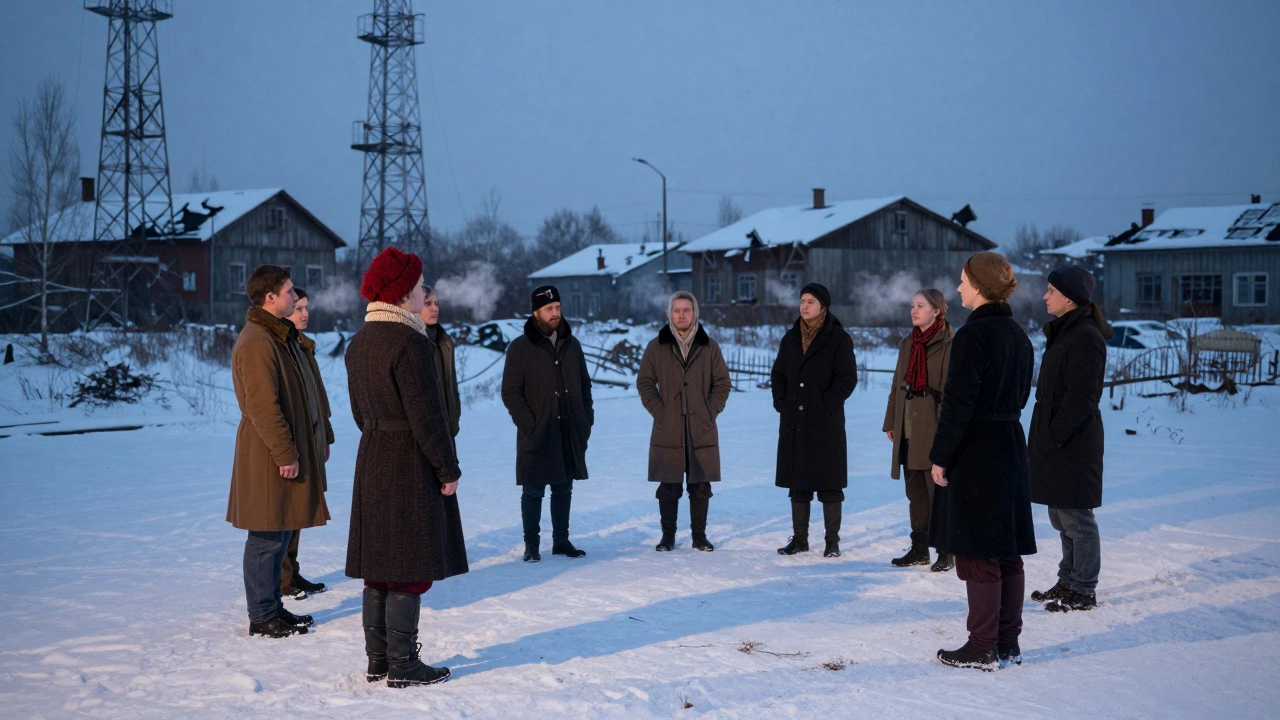
When a thriller needs to feel global - not just set in multiple countries, but truly cast from them - the casting process becomes a high-stakes puzzle. In 2024, the indie thriller Shadows Over the Baltic pulled off what many thought was impossible: assembling a lead ensemble of nine actors from seven different countries, all speaking their native languages on set, with no dubbing. No Hollywood star power. No big studio budget. Just smart casting, deep cultural trust, and a director who refused to compromise on authenticity.
Why Global Casting Matters Now
Audiences aren’t just watching movies anymore. They’re watching identities. A 2023 study by the European Film Market showed that 68% of viewers under 35 prefer films where characters speak their real languages, even with subtitles. This isn’t about political correctness. It’s about emotional truth. When a Russian detective in Shadows Over the Baltic whispers a threat in broken English while his native tongue cracks under pressure, you feel the fear. Dub it, and you lose the texture.That’s why the producers of Shadows Over the Baltic didn’t cast a single English-speaking actor in the top six roles. They wanted a real network of voices - Polish, Lithuanian, Finnish, Estonian, Ukrainian, German, and Norwegian - all layered into a single narrative about a missing child found in a border town that doesn’t officially exist on any map.
The Casting Team’s Secret Weapon
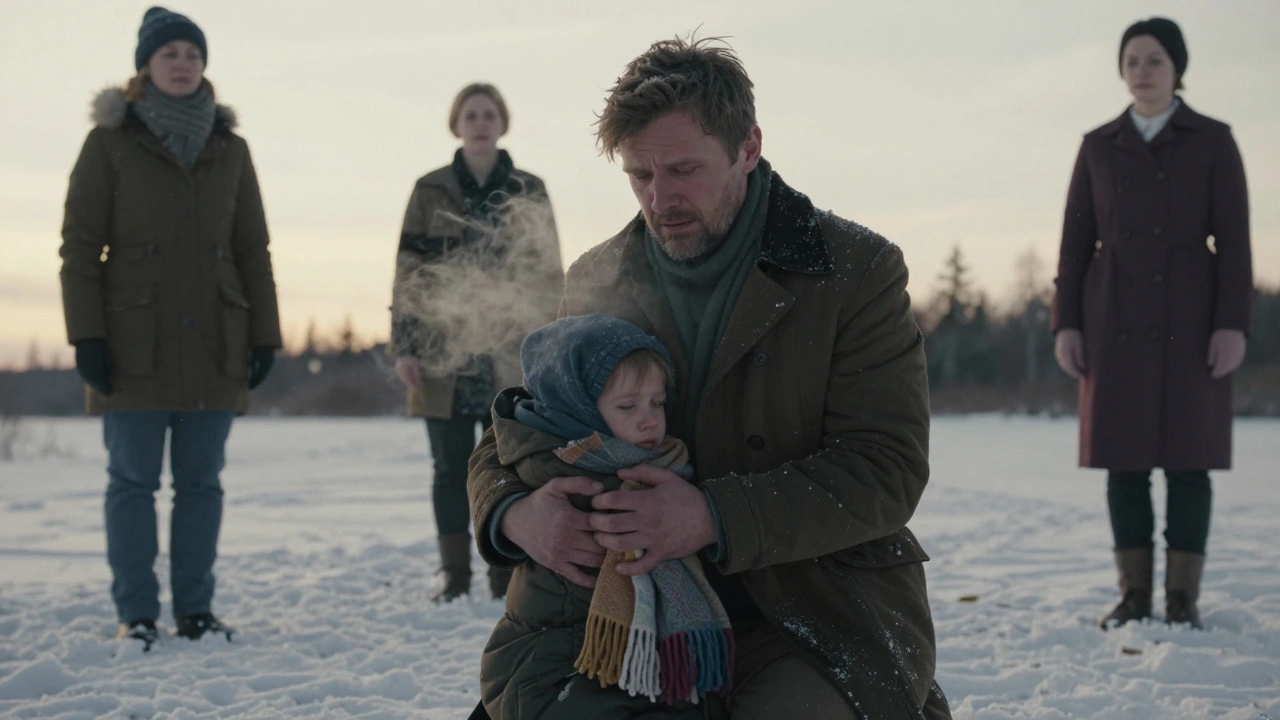
Most casting directors rely on agencies, reels, and auditions. This team did something different. They hired local theater directors in each country and gave them one task: find the person who could play the role without ever having been on camera before.In Warsaw, they found a 42-year-old stage actor who had spent 18 years in a regional theater, never leaving Poland. He’d never auditioned for film. His name was Krzysztof Nowak. He didn’t have an IMDb page. But when he read the scene where his character discovers his daughter’s scarf in a snowdrift, he didn’t cry. He went silent for 17 seconds. The crew didn’t say a word. They just kept rolling.
In Helsinki, they cast a 26-year-old woman who worked as a librarian and had only done one short film - a student project shot on her phone. Her name was Elina Virtanen. She didn’t know how to use a teleprompter. She didn’t need one. The script was printed on paper. She read it aloud three times, then said, “I’ve lived this. My brother vanished when I was 12.”
The casting team didn’t look for actors. They looked for people who had lived the story.
Language as a Narrative Tool
The film’s script wasn’t translated. It was adapted. Each actor received their lines in their native language, written by a local screenwriter who understood regional dialects, slang, and emotional cadences. The German character, a retired border guard, spoke in low, clipped sentences with heavy consonants - a reflection of his military past. The Ukrainian character, a nurse who smuggled documents across the border, used rapid-fire Ukrainian with soft endings, like she was afraid of being overheard.There were no subtitles on screen until the final act. The audience had to lean in. They had to pay attention. And when the subtitles finally appeared, it wasn’t a translation - it was a revelation. One line, spoken in Estonian: “Ma ei tea, kas ta on elus, aga ma ei lase sul sellest unustada” - “I don’t know if he’s alive, but I won’t let you forget him.” That line didn’t need to be translated. It needed to be felt.
How They Managed the Logistics
Filming spanned six months across seven countries. No studio. No green screen. Just real locations: abandoned Soviet radar stations, frozen lakes near the Arctic Circle, crumbling border checkpoints. The crew traveled with five translators - one for each language group - and a sound engineer who recorded every ambient noise: wind through birch trees in Lithuania, the clink of porcelain in a Polish kitchen, the hum of a Norwegian ferry engine.They didn’t use standard call sheets. They used cultural calendars. No filming on Orthodox Easter. No shooting during Finland’s sauna season. They waited for the right light in Estonia - the kind that turns snow blue at 4 p.m. in February.
Actors weren’t paid in upfront fees. They were paid in access. Each actor received a copy of the final cut, a printed script signed by the entire cast, and a one-time invitation to the premiere in their home country. That’s how they got a Ukrainian actor to fly to Norway for a week of reshoots - because he wanted his mother to see him on screen for the first time.
The Risk That Paid Off
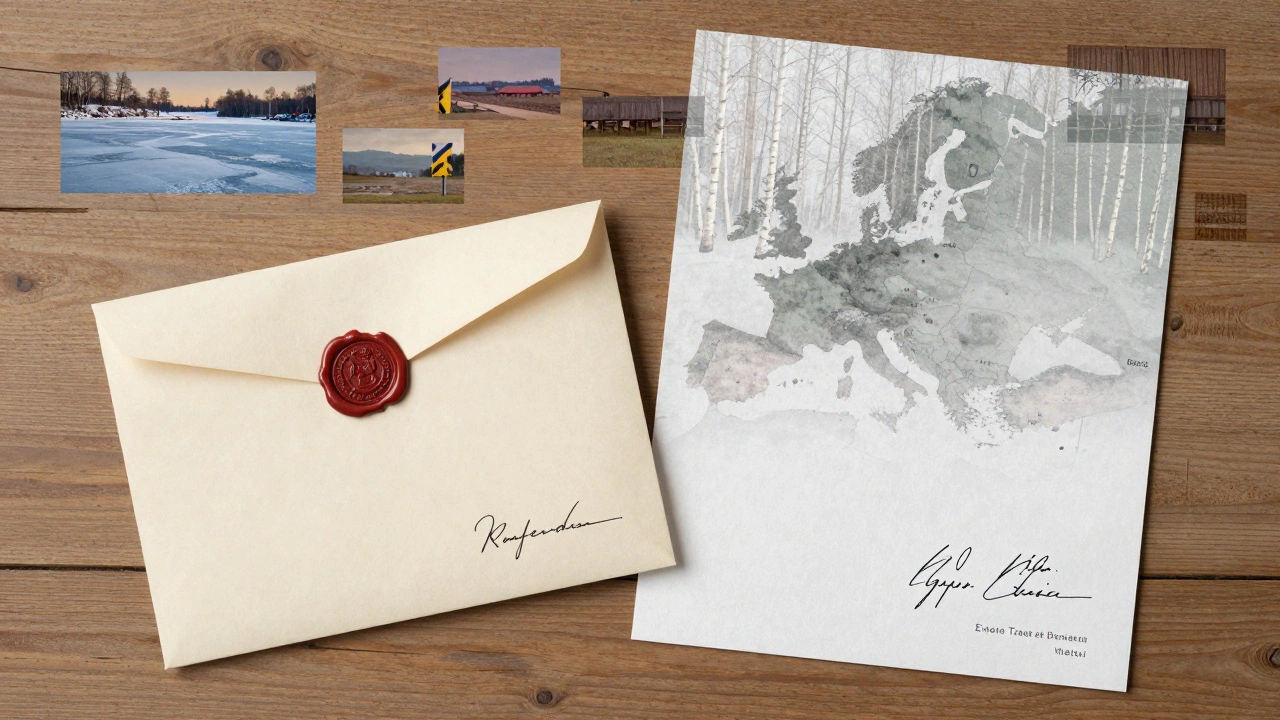
The budget was $4.2 million. The marketing budget? Zero. No trailers. No billboards. No social media blitz.Instead, they sent physical letters - handwritten, stamped, mailed - to 1,200 film festivals worldwide. Each letter included a 90-second clip, no music, no title card. Just the first 90 seconds of the film: a child’s footsteps in snow, a woman whispering in Lithuanian, a dog barking in the distance.
It worked. Shadows Over the Baltic premiered at Cannes in May 2024. It won the Grand Prize. It was picked up by 17 international distributors. By October, it had grossed $21 million globally - not because it had stars, but because it had truth.
What Other Films Can Learn
Most casting departments still operate like factories: send out casting calls, get 500 submissions, pick the one with the best headshot. But Shadows Over the Baltic proved that authenticity doesn’t come from a database. It comes from listening.Here’s what you can steal from their process:
- Don’t cast for language. Cast for emotional history.
- Let local artists choose who tells the story - not just who acts it.
- Respect cultural timing. Don’t film during sacred events.
- Use real locations, not sets. Sound design matters more than CGI.
- Pay actors with access, not just cash.
There’s no magic formula. But there’s a mindset: stop trying to make a film that feels universal. Make one that feels real - even if that means it’s messy, loud, and speaks in ten different tongues.
Why This Changed the Industry
Since Shadows Over the Baltic, three other international thrillers have adopted the same model. One, Borderland Echoes, cast actors from six African nations and shot entirely on location in the Sahel. Another, Midnight in Nagasaki, used only non-professional actors from the city’s fishing docks.Netflix quietly changed its submission guidelines in late 2024. Now, for any project labeled “international,” they require at least three lead roles to be played by native speakers of the language spoken in the film - no exceptions.
It’s not about diversity for the sake of optics. It’s about depth. The best performances don’t come from training. They come from living.
How do you cast actors who don’t speak English for a global audience?
You don’t force them to speak English. You write the script in their native language, hire local translators to adapt tone and rhythm, and trust that subtitles can carry emotion. Audiences today are more willing to read than ever - especially when the story pulls them in. The key is making the subtitles feel like part of the film, not a barrier.
Is it cheaper to cast local actors instead of international stars?
Yes - and no. Local actors often cost less upfront, but the real savings come from avoiding dubbing, translation errors, and reshoots caused by cultural missteps. A star might charge $2 million, but if they can’t authentically deliver the emotion, you’ll spend $3 million fixing it. The film Shadows Over the Baltic spent under $500,000 on its entire cast - and got a Cannes win.
What’s the biggest mistake in international casting?
Trying to make everyone sound the same. Many directors ask actors to drop their accents or speak in a neutral tone. That kills the character. A Russian’s silence isn’t the same as a Finn’s. A Ukrainian’s anger isn’t delivered like a German’s. Authenticity isn’t about being polished - it’s about being true to the person behind the role.
How do you handle filming across multiple countries with a small crew?
You work with local crews in each location. Don’t bring your entire team everywhere. Hire local directors of photography, sound engineers, and production assistants. They know the light, the weather, the permits, and the cultural norms. In Shadows Over the Baltic, each country had a local team of 8-12 people. The core crew of 15 moved between locations. That cut costs and built trust.
Can this approach work for big-budget films?
Absolutely - but only if the studio lets go of control. Big films often cast globally for marketing, not authenticity. They pick actors because they’re famous in one market, not because they fit the role. The future belongs to studios that realize global stories need global voices - not global names. The box office success of Shadows Over the Baltic proves audiences will follow truth, not fame.





Comments(6)