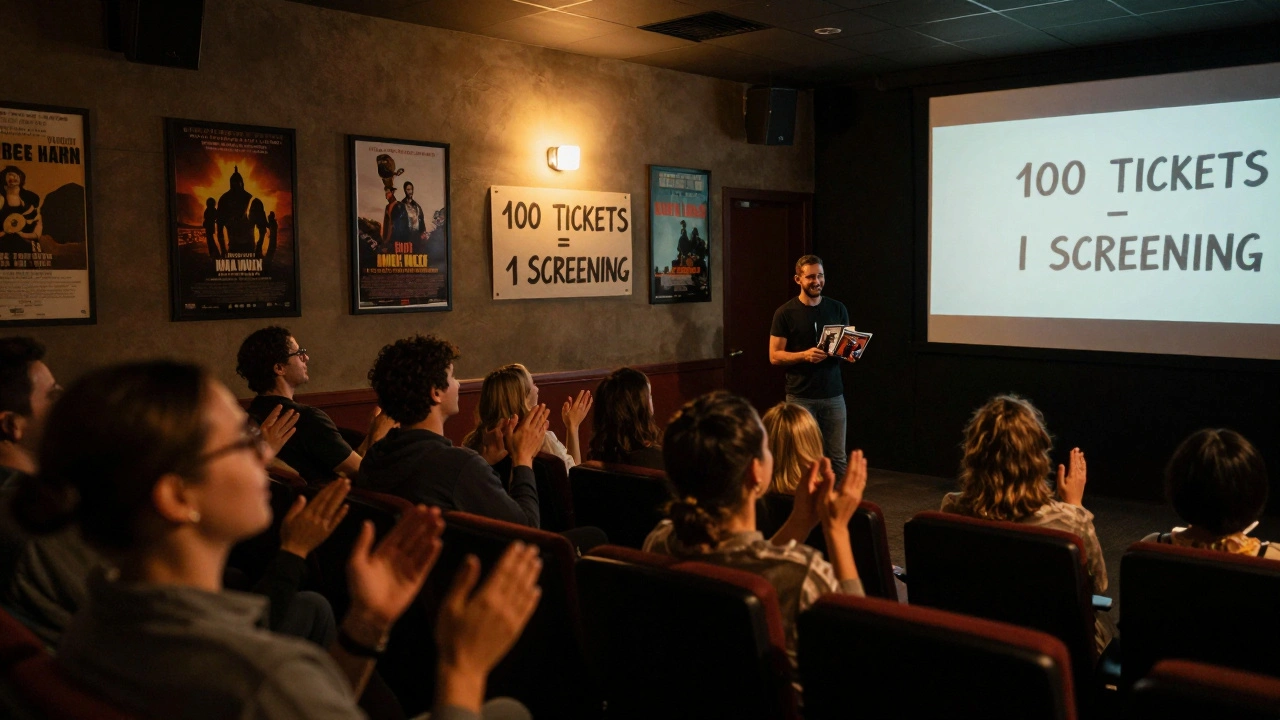
For years, indie filmmakers have been stuck in a broken system. They spend years making a film, only to watch it disappear into the void of film festivals or get buried by streaming algorithms. But something’s changing. Audiences aren’t waiting anymore. They’re demanding to see indie films in theaters-and studios are finally listening.
What Is Theatrical On-Demand?
Theatrical on-demand isn’t a new streaming service. It’s a simple idea: if enough people in a city or region want to see a film in a theater, a screening happens. No middlemen. No studio greenlight. Just real demand triggering real showings.
Companies like Tugg, Fathom Events, and even independent theater chains have started running these programs. A filmmaker uploads their film. They set a date. They share a link. If 100 people in a 20-mile radius commit to buying tickets, the theater opens its doors. If not? The film waits. No pressure. No loss. Just real people deciding what gets seen.
This isn’t theory. In 2024, a low-budget documentary called “The Last Truck” opened in 47 cities across the U.S. using this model. It made over $200,000 in ticket sales. No studio backing. No marketing budget. Just 3,200 people who wanted to see it in a theater.
Why This Works for Indie Films
Traditional distribution is a gamble. A studio spends $500,000 on a nationwide release, hoping for 10,000 people to show up. Most indie films fail before they even open. Theatrical on-demand flips that script.
Instead of guessing who might like your film, you find the people who already do. A horror film finds its fans through Reddit communities. A foreign-language drama connects through cultural organizations. A documentary about local history gets traction from community centers and libraries.
Here’s how it breaks down:
- No upfront costs - You don’t pay for prints or advertising until tickets are sold.
- Real-time feedback - If 50 people sign up in Austin but only 3 in Denver, you know where to focus.
- Higher revenue share - You keep 70-90% of ticket sales instead of 30-40% with traditional distributors.
- Builds a fanbase - Every ticket buyer becomes a potential advocate, newsletter subscriber, or future backer.
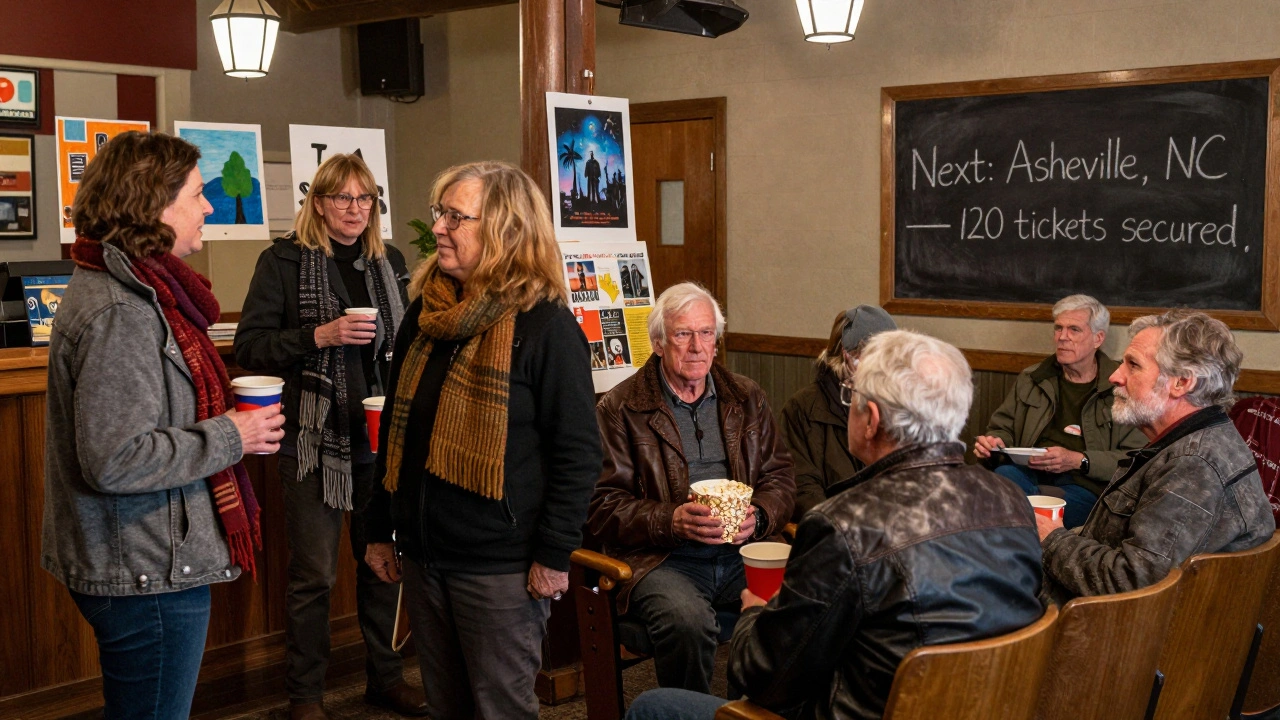
One filmmaker in Asheville, Sarah Lin, used this model for her film “Burning the Bridge”. She targeted Appalachian communities, shared it with local history groups, and ran targeted Facebook ads. In three weeks, she booked 14 screenings across North Carolina and Tennessee. The film made $18,000 in ticket sales. She sold 200 DVDs at the door. She got three distribution offers after.
How to Launch a Theatrical On-Demand Campaign
It’s not magic. It’s strategy. Here’s how to do it right:
- Choose your platform - Tugg, Fathom, or a local theater with on-demand options. Tugg is the most common for indie films.
- Define your audience - Who is this film for? Don’t say “everyone.” Say “women over 40 who read literary fiction” or “college students interested in climate justice.”
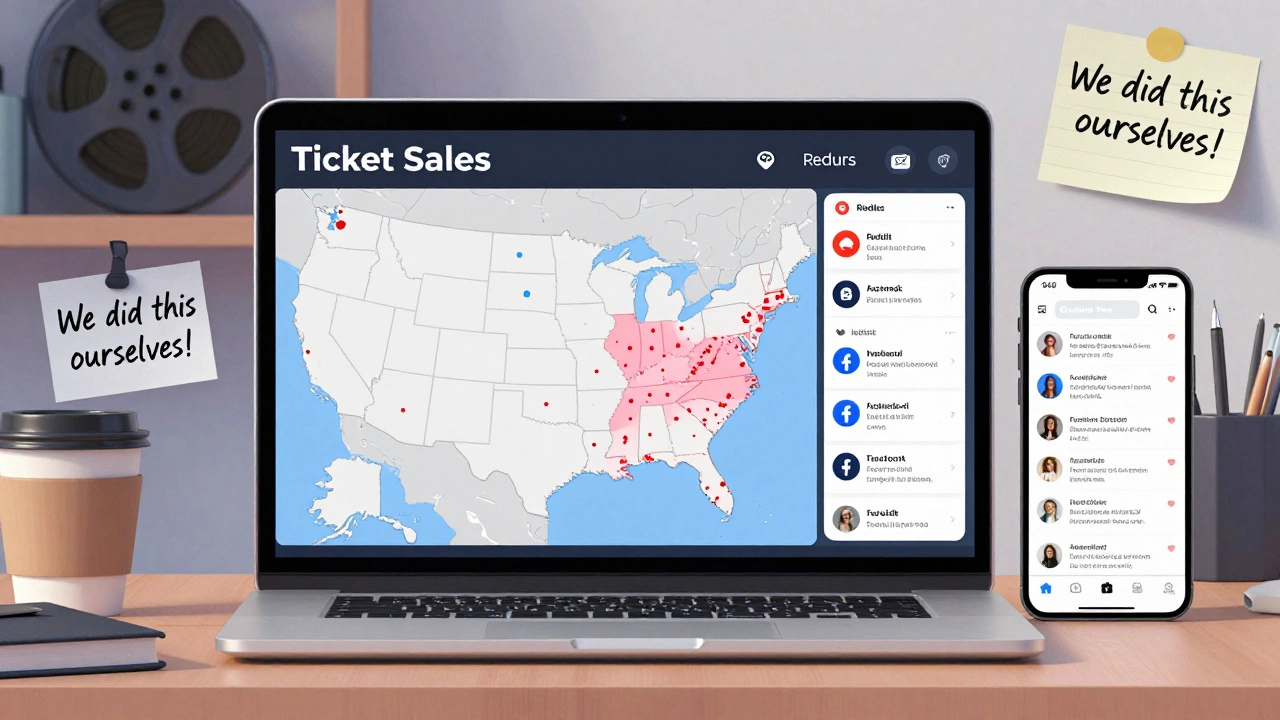
- Build a landing page - Not a trailer. A page with a clear call: “100 tickets = 1 screening in your town.” Include testimonials, press quotes, and a map of upcoming locations.
- Start small - Pick 3-5 cities where you have personal connections. Friends. Alumni groups. Local influencers. Get those first 100 tickets.
- Use real-time data - Track sign-ups daily. If you’re stuck at 45 in Seattle, pivot. Post in local Facebook groups. Call the independent bookstore. Partner with a podcast host.
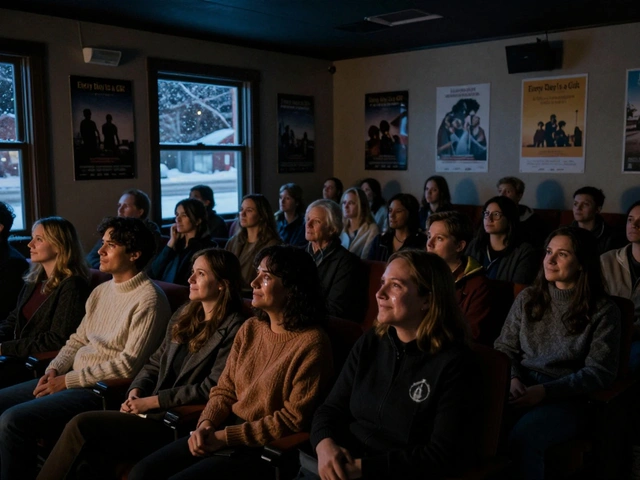
- Turn screenings into events - Add a Q&A. Host a post-screening discussion. Sell signed posters. Make it feel like a community gathering, not just a movie.
One rule: never wait for 500 people. If you hit 100, go. A single screening can become a viral moment. A Reddit thread. A local news feature. A tweet from a film critic. Momentum builds fast when people feel like they made it happen.
What Happens After the Screening?
The real win isn’t the box office. It’s what comes after.
Every ticket sold gives you:
- A verified email address
- A social media follower who actually cares
- A story to tell: “We showed this film in 12 towns because 1,200 people asked for it.”
- Proof of demand for future funding
After her success, Sarah Lin used her screening data to apply for a grant from the National Endowment for the Arts. She got it. Her next film is already in pre-production.
Streaming services now use this data too. If your film hits 500 screenings with an average of 40 people per show, you’re not a niche project-you’re a market. Platforms like Amazon MGM, Apple TV+, and even Criterion Channel have started reaching out to filmmakers who prove audience demand through theatrical on-demand.
Who’s Doing This Right?
You don’t have to start from scratch. Look at these examples:
- “The Farewell” - Lulu Wang’s breakout film began with a 10-city on-demand run in 2019. It made $1.2 million before going wide.
- “The Lighthouse” - A24 used on-demand screenings in coastal towns to build buzz before its official release.
- “Crip Camp” - This Netflix documentary started with 37 theater events in disability advocacy communities. It became one of the most talked-about docs of 2020.
These weren’t lucky breaks. They were calculated moves. Filmmakers didn’t wait for permission. They asked their audience: “Do you want to see this in a theater?” And when the answer was yes, they made it happen.
Is This Right for Your Film?
Not every indie film fits. But if your film has:
- A clear niche audience
- A strong visual identity
- A story people want to talk about
- A filmmaker who’s willing to engage directly
Then yes. This is your path.
Forget the idea that indie films need to be “discovered.” Today, they need to be demanded. Theaters are empty. Streaming is saturated. But people still crave shared experiences. A movie night with friends. A conversation after the credits. A local event that feels personal.
If you’re ready to stop begging for attention and start asking your audience to show up-this model is your best shot.