Imagine a quiet screening room in Cannes. The lights dim, the projector hums, and a small indie drama unfolds on screen. In the front row, not actors or critics, but executives from major streaming platforms sit with notebooks and tablets. They aren't there for the glamour; they are hunting for the next breakout hit that will fill their libraries and keep subscribers happy. This is the modern reality of streaming acquisitions, where the old gatekeepers of cinema have been replaced by data-driven scouts who view festivals as massive talent shows for digital shelves.
The shift from theatrical distribution to direct-to-streamer deals has fundamentally changed how films are bought and sold. It used to be about box office potential and star power. Now, it’s about audience retention, niche appeal, and the ability to drive subscription growth. For independent filmmakers, this is both a golden age and a minefield. You can get your film seen by millions overnight, but you might lose control over your creative vision and long-term rights. Understanding how these pathways work is crucial for anyone navigating today's complex film landscape.
The New Gatekeepers: Who Is Scouting at Festivals?
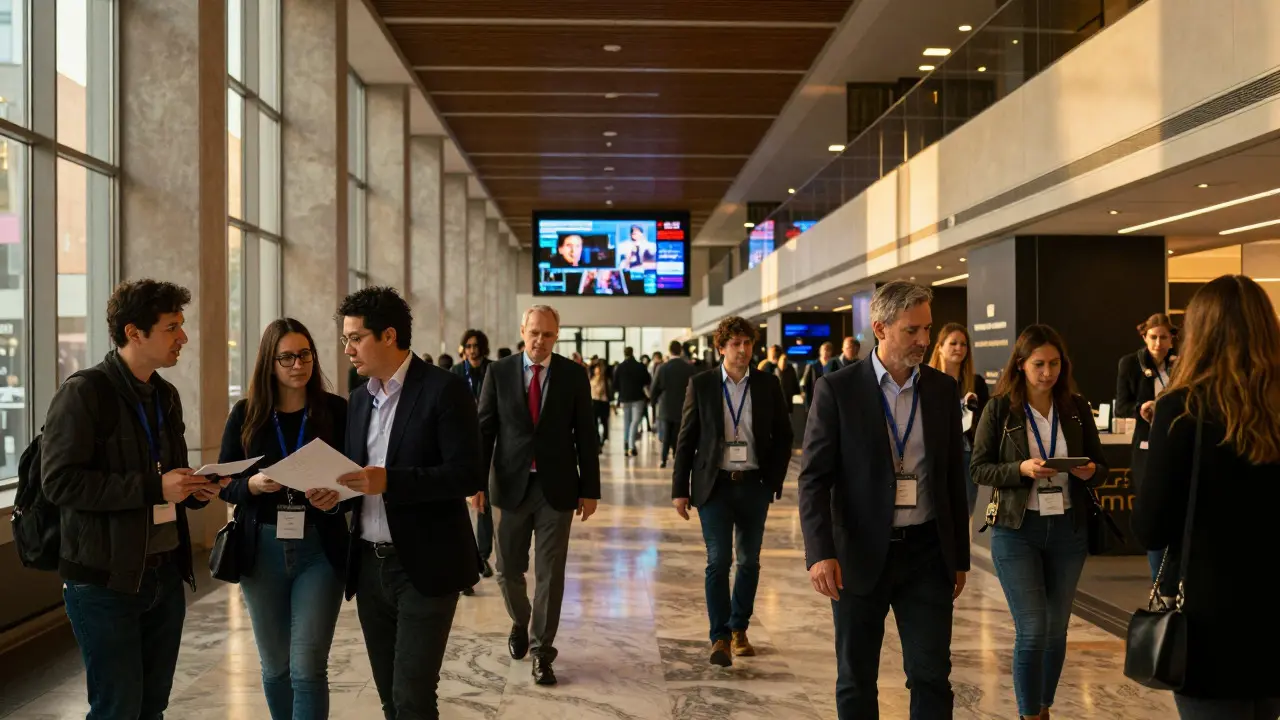
Gone are the days when only a handful of major studios had buying offices at Sundance or Berlin. Today, the scouting scene is crowded with representatives from a wide array of platforms. Major players like Netflix, Amazon Prime Video, and Apple TV+ send dedicated acquisition teams to every major festival circuit. But it’s not just the giants. Regional streamers like MUBI, Criterion Channel, and even local broadcasters in Asia and Europe are actively bidding on titles.
These scouts look for different things depending on their platform’s strategy. Netflix, for instance, often seeks films with broad international appeal that can travel across borders easily. They want stories that don’t rely heavily on cultural context, making them accessible to a global audience. Amazon, on the other hand, frequently targets mid-budget genre films-horror, sci-fi, and action-that fit into specific programming blocks. Meanwhile, prestige platforms like Apple TV+ focus on auteur-driven projects with strong directorial visions, aiming to win awards and critical acclaim.
You might wonder why they bother with festivals at all when they have access to thousands of pitches online. The answer lies in curation. Festivals act as a pre-filter. If a film makes it to the official selection of a top-tier event, it has already passed through layers of rigorous review. Scouts know that competing for attention in a packed schedule means they are looking at high-quality material. It saves them time and reduces risk. A film selected for the main competition at Venice or Toronto is essentially vetted by industry professionals before a buyer ever sees it.
Anatomy of an Acquisition Deal
When a scout likes what they see, the process moves quickly. It rarely involves a formal pitch meeting in a conference room. Instead, it happens in the margins-over coffee after a screening, in hotel lobbies, or during Q&A sessions. The initial conversation is casual, but the stakes are high. The scout will ask key questions: Who owns the rights? Are there any existing deals? What is the budget? Has the film been released anywhere else?
Once interest is confirmed, the deal structure becomes the battleground. There are three main types of agreements you’ll encounter:
- Exclusive Licensing: The most common type. The platform pays a flat fee or a minimum guarantee (MG) for exclusive rights to stream the film for a set period, usually 3-5 years. After that, the rights revert to the distributor or producer. This is clean and simple, but it limits the filmmaker’s ability to sell the film elsewhere during the term.
- Windowed Distribution: The film plays in theaters first, then goes to home video, and finally lands on the streamer. This preserves some traditional revenue streams but delays the massive audience reach of streaming. It’s becoming rarer for pure indies but still common for mid-budget features.
- Co-Production/Original Content: The platform funds the production upfront in exchange for full ownership. This gives the filmmaker more creative freedom but strips away future upside. Once the film is delivered, it belongs to the platform forever. This model is increasingly popular because platforms want to claim “original” status for marketing purposes.
The financial terms vary wildly. A low-budget documentary might fetch $50,000-$100,000 for exclusive rights, while a feature with a known actor could command $500,000-$2 million. These numbers aren’t based on perceived quality alone but on comparable sales, genre trends, and the platform’s current library needs. If Netflix is short on Asian thrillers, a well-made Korean thriller will command a premium. If the market is saturated with romantic comedies, a new one might struggle to find a buyer despite its charm.

The Role of Data in Modern Scouting
Here’s where the old-school intuition meets the new-school algorithm. Platform executives don’t just watch films; they analyze data. Before a scout even sits down for a screening, they may have looked at similar titles in their library. How many hours did viewers spend watching those films? Did they finish them? Did they share them on social media? This data informs their appetite for certain genres or regions.
For example, if data shows that viewers in Latin America love telenovela-style dramas, a scout might specifically seek out soap opera-inspired features from Brazil or Mexico at festivals like São Paulo or Buenos Aires. They’re not guessing; they’re filling gaps in their content ecosystem. This data-driven approach means that a film doesn’t need to be a critical darling to get acquired. It just needs to fit a demographic profile that the platform wants to grow.
This creates a strange dynamic for filmmakers. You might make a deeply personal, arthouse film that wins hearts at Sundance, but if it doesn’t fit the platform’s data profile, it might get ignored. Conversely, a formulaic genre piece that feels safe and predictable might fly off the shelf because it matches a high-performing cluster in their library. Success now requires understanding both the artistic merit of your work and the commercial metrics that drive platform decisions.
Regional Strategies: Why Geography Matters
Festivals are no longer just American-centric. While Sundance, Cannes, and Venice remain the heavyweights, the global map has expanded significantly. Markets in Asia, Africa, and South America are becoming crucial hubs for acquisition. Here’s how different regions play into the strategy:
| Region/Festival | Primary Buyer Interest | Typical Genre Focus | Average Deal Size (USD) |
|---|---|---|---|
| Cannes (France) | Prestige, Awards Bait | Drama, Art House | $500k - $2M+ |
| Sundance (USA) | Indie Breakouts, Social Issues | Drama, Documentary | $200k - $800k |
| Tokyo International (Japan) | Asian Genre, Niche Audiences | Horror, Sci-Fi, Animation | $100k - $400k |
| Berlinale (Germany) | European Co-Productions | Political Drama, Historical | $300k - $1M |
| MAMI (Mexico City) | Latin American Voices | Magic Realism, Thriller | $150k - $600k |
Notice how the deal sizes correlate with prestige and market size. Cannes commands higher fees because the films shown there often have global release potential. Tokyo might offer lower upfront cash but provides access to a massive domestic market that values local content highly. Filmmakers need to choose their festival route carefully. Submitting a horror film to Cannes might be a waste of time; submitting it to Tokyo or Busan (Korea) is a strategic move that aligns with buyer expectations.
Navigating the Pitfalls: Common Mistakes Filmmakers Make
Many filmmakers fall into traps when dealing with platform scouts. One common error is accepting the first offer without negotiating. Because the process is fast and informal, people feel pressure to sign immediately. But always take at least 48 hours to review the contract. Check the exclusivity window, the territory rights (is it worldwide or just North America?), and the marketing commitment. Some platforms promise “global promotion” but deliver nothing beyond a banner image on their homepage.
Another mistake is ignoring the back-end economics. If you sell for a flat fee, you’re done. But if you negotiate a percentage of revenue, you might earn more over time. However, tracking revenue on streaming platforms is notoriously difficult. Ask for transparency clauses. Can you see the viewing reports? How is “revenue” defined? Is it ad revenue, subscription fees, or licensing income? Clarity here prevents disputes later.
Finally, don’t underestimate the power of timing. A film that is too early in its post-production phase might scare off buyers who want to see the final cut. On the other hand, waiting too long until after the festival buzz dies down can reduce your leverage. The sweet spot is having a near-final cut ready to screen, with a clear marketing plan in place. Show the scout that you have a vision for how the film will be received, not just that it exists.
Future Trends: Where Is the Industry Heading?
The landscape is shifting again. With the rise of AI-generated content and shorter attention spans, platforms are experimenting with hybrid formats. We’re seeing more “limited series” that blur the line between film and television. A two-hour feature might be broken into four 30-minute episodes to boost engagement metrics. This affects how scouts evaluate projects. They’re no longer just looking for a single narrative arc but for serialized potential.
Additionally, the barrier to entry is lowering. High-quality cameras and editing software are affordable, meaning more films are entering the festival circuit. This increases competition for scouts’ attention. To stand out, filmmakers need to offer something unique-a distinct voice, a fresh perspective, or a compelling true story. Generic fare is being filtered out faster than ever.
As we move further into the 2020s, the definition of a “film” itself is changing. It’s no longer just a product to be sold; it’s a community builder. Platforms want films that spark conversation, fan theories, and social media trends. Your movie isn’t just content; it’s a conversation starter. Keep that in mind when you’re writing, shooting, and pitching. The best acquisitions happen when the art aligns perfectly with the platform’s strategic goals, creating a win-win that benefits both the creator and the viewer.
How much do streaming platforms pay for festival films?
Payment varies widely based on genre, region, and prestige. Low-budget documentaries might sell for $50,000-$100,000, while high-profile dramas from Cannes can command $500,000 to over $2 million. Mid-budget genre films typically fall in the $200,000-$500,000 range. The key factor is how well the film fits the platform’s current library needs and data profiles.
What is the difference between exclusive and non-exclusive rights?
Exclusive rights mean only one platform can stream the film for a set period, usually 3-5 years. Non-exclusive rights allow multiple platforms to carry the film simultaneously. Exclusive deals generally pay more because the platform gets sole access to the audience. Non-exclusive deals are less lucrative but allow filmmakers to maintain relationships with multiple distributors and potentially earn additional revenue from other territories or windows.
Do I need an agent to sell my film at a festival?
Not necessarily, but it helps. Many successful filmmakers sell directly to scouts, especially for smaller budgets. However, agents have established relationships with buyers and can negotiate better terms. If you don’t have an agent, ensure you have a solid legal team to review contracts. Direct sales require more effort on your part but give you more control over the process and potentially higher percentages of the deal.
Which festivals are best for getting a streaming deal?
It depends on your genre. Sundance is ideal for indie dramas and documentaries. Cannes is best for prestige films seeking awards recognition. Tokyo and Busan are excellent for Asian genre films like horror and sci-fi. Berlin is strong for European co-productions and political dramas. Choose a festival where your film’s style and subject matter align with the typical buyers present. Research past acquisitions from each festival to gauge fit.
How long does it take to close a deal after a screening?
The initial offer can come within hours or days of a screening. However, closing the deal usually takes 2-6 weeks, depending on negotiation complexity. Simple exclusive licenses can be signed quickly, while co-production deals or those involving multiple territories may take longer. Always build buffer time into your schedule, as legal reviews and internal approvals at large platforms can cause delays.