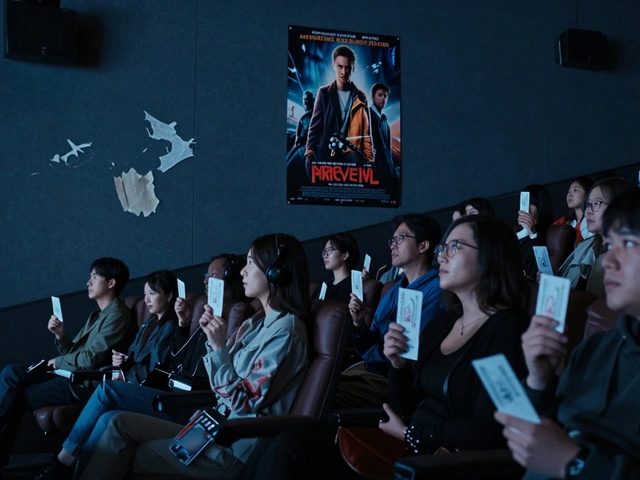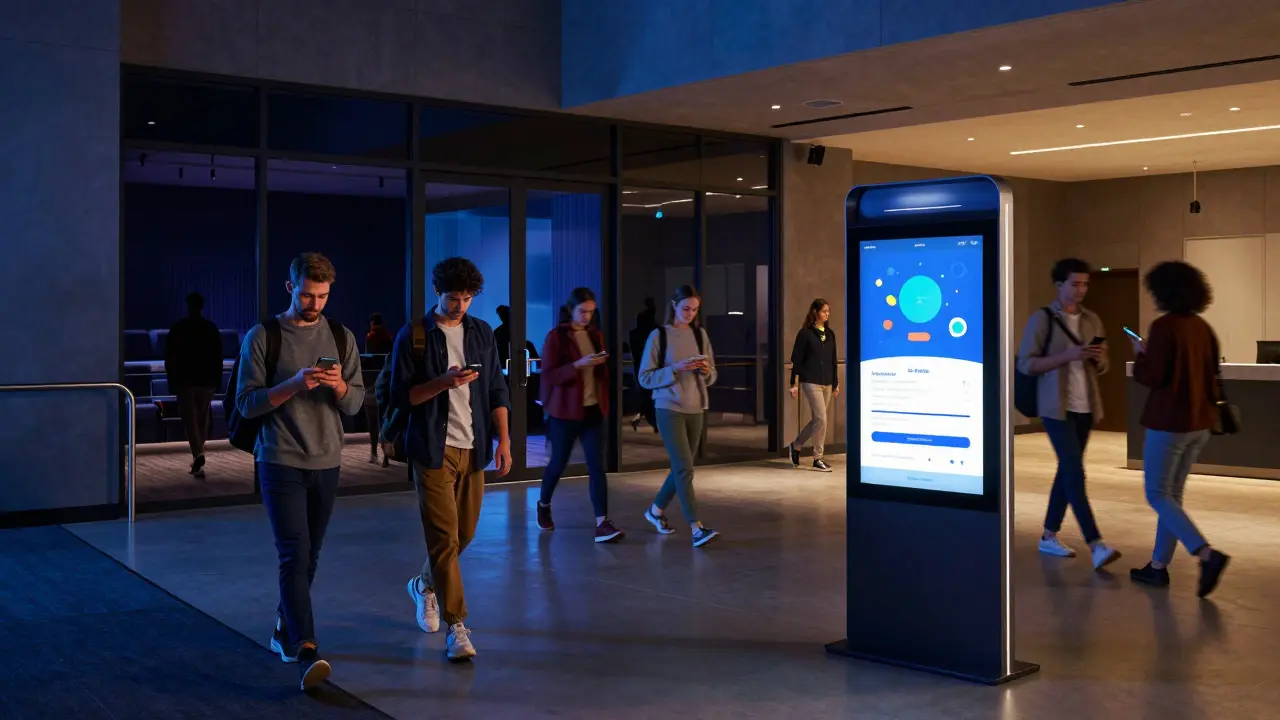
Walk into any major multiplex in the U.S. today, and you’ll likely see a digital kiosk or a QR code on the ticket stub promoting a monthly subscription plan. It’s no longer just about buying a single ticket; it’s about locking in a customer for six months at a time. This shift has fundamentally changed how studios and theaters predict weekend market share. The days of guessing which trailer will drive Friday night crowds are giving way to data-driven strategies where subscriber behavior dictates release schedules and marketing spend.
The core tension here is simple: subscribers want value, while theaters need predictable cash flow. When a viewer pays $25 a month for unlimited movies, their incentive changes. They stop comparing one film against another and start looking for the most 'bang for their buck' across the entire slate. This alters the traditional spike-and-decay curve of box office revenue, smoothing out weekends but potentially flattening the peaks that blockbusters rely on.
The Shift from Transactional to Retention-Based Revenue
Historically, cinema was a pure transactional business. You paid, you watched, you left. Now, Cinema Loyalty Programs are retention-focused systems that convert one-time buyers into recurring revenue streams through points, tiers, or flat-rate subscriptions. Major chains like AMC and Regal have moved aggressively into this space. AMC’s A-List, for instance, charges around $19.95 to $24.95 per month depending on location, allowing members to watch as many movies as they want during standard showtimes.
This model creates a unique economic dynamic. For the theater, a subscriber is not just a sale; they are a forecast. If a theater knows it has 500 active subscribers in its local market, it can project a baseline attendance number for every screening, regardless of the film's genre. This stability allows management to reduce staffing costs on slower nights and invest more heavily in premium experiences like IMAX or Dolby Cinema, which often remain outside the subscription scope or require extra fees.
However, there is a catch. Subscribers tend to be price-sensitive. They may wait until the final week of their billing cycle to use up their remaining 'movie credits,' leading to artificial spikes in attendance that don’t necessarily reflect the quality of the content. This behavioral quirk complicates the analysis of true audience reception versus programmatic usage.
How Subscriptions Reshape Weekend Market Share
Weekend market share is traditionally measured by the percentage of total box office revenue captured by specific titles or formats. With the rise of subscriptions, this metric becomes more complex. A blockbuster might still dominate the headlines, but its actual *incremental* impact on the theater's bottom line is diluted by the fixed cost of serving subscribers who would have come anyway.
Consider a typical Friday release. In a pre-subscription era, 80% of the audience might be first-time viewers driven by hype. Today, perhaps 30-40% of that audience consists of subscribers filling their quota. These viewers are less likely to buy expensive concessions (popcorn, soda) because they are focused on maximizing the number of screenings rather than the quality of the experience. Since concession sales account for 60-70% of a theater’s profit margin, this shift directly impacts profitability even if ticket counts remain stable.
Furthermore, market share distribution between genres is shifting. Action and comedy films, which appeal to broad audiences, benefit most from subscriber traffic. Niche dramas or foreign films, which historically struggled to fill seats, now have a floor of guaranteed attendance from subscribers seeking variety. This levels the playing field, allowing smaller studios to maintain visibility without massive marketing budgets, though it rarely turns them into financial hits.
The Data Feedback Loop: Predicting Trends with Subscriber Behavior
The real power of loyalty programs lies in the data they generate. Unlike anonymous ticket sales, subscriber data is rich with behavioral signals. Theaters can track when users log in, what genres they browse, and how far in advance they book. This data feeds back into studio decisions, creating a closed loop that influences future releases.
For example, if data shows that subscribers in suburban markets consistently skip horror films on opening weekends but flood them two weeks later, studios might adjust their marketing timelines. Instead of heavy TV spots on Friday, they might focus on social media campaigns targeted at existing subscriber databases for the following Tuesday. This precision targeting reduces waste and increases conversion rates, making the entire ecosystem more efficient.
Additionally, the concept of 'seat velocity'-how quickly seats sell out-has evolved. High seat velocity used to indicate strong word-of-mouth. Now, high seat velocity among subscribers might simply indicate a popular time slot (like Saturday afternoon) rather than a hit movie. Analysts must now segment their data to distinguish between organic demand and programmatic demand, a task that requires sophisticated modeling tools previously reserved for large streaming platforms.
Impact on Concession Sales and Ancillary Revenue
If ticket revenue is becoming more predictable, the battleground has shifted to ancillary sales. Theaters know that subscribers are less likely to splurge on food and drink, so they are innovating in other areas. Merchandise, such as exclusive posters or collectible tickets, is seeing a resurgence. Some chains are also introducing 'premium add-ons' for subscribers, such as discounted access to 4DX screens or early entry to special events, which command higher prices.
Another trend is the integration of dining experiences. Cinemas are partnering with local chefs to offer gourmet meal packages that are only available to non-subscribers or as an upsell for subscribers. This strategy targets the segment of the audience that views the movie as an event rather than a utility. By separating the 'utility' user (subscriber) from the 'experience' user (non-subscriber), theaters can optimize pricing for both groups simultaneously.
Here is a breakdown of how revenue sources differ between these two customer segments:
| Revenue Source | Subscriber Behavior | Non-Subscriber Behavior | Profit Margin Impact |
|---|---|---|---|
| Ticket Sales | Predictable, low-margin (fixed fee) | Variable, high-margin (peak pricing) | Stabilizes base revenue |
| Concessions | Low average spend ($10-$15) | High average spend ($20-$30) | Major profit driver for non-subs |
| Merchandise | Impulse buys only | Targeted purchases for fans | Negligible for subs, significant for fans |
| Premium Formats | Often excluded or extra cost | Frequent adopters | High margin, drives brand prestige |

Challenges in Measuring True Audience Engagement
One of the biggest headaches for analysts is determining if a movie is actually 'good' or just 'popular among subscribers.' A film might have high attendance numbers due to subscriber quotas, but low repeat viewing rates and poor social media sentiment. Conversely, a critically acclaimed indie film might have low absolute numbers but extremely high engagement metrics among those who do attend.
To address this, industry reports are beginning to include 'Net Promoter Score' (NPS) data derived from post-screening surveys sent specifically to subscribers. This provides a qualitative layer to the quantitative box office data. If a movie has high attendance but low NPS, it suggests the audience came because they had to, not because they wanted to. This distinction is crucial for studios deciding whether to greenlight sequels or remakes.
Moreover, the definition of 'market share' is expanding. It no longer just includes theatrical revenue but also rental/purchase windows and streaming availability. As the gap between theatrical release and home viewing shrinks, the performance of a film in its first three weeks becomes the primary indicator of its long-term commercial viability. Subscribers, who are accustomed to waiting for streaming, may delay their theatrical visits, further compressing the critical window for box office success.
Future Outlook: Dynamic Pricing and Personalized Offers
Looking ahead, we can expect loyalty programs to become even more granular. Dynamic pricing based on individual subscriber history is already being tested in select markets. For instance, a frequent action-movie viewer might get a discount on the next superhero release, while a drama enthusiast gets a nudge toward a new Oscar contender. This personalization aims to maximize utilization of screen capacity during off-peak hours.
Additionally, cross-promotion with other entertainment forms is likely. Imagine a loyalty program that rewards moviegoers with discounts on concert tickets or theme park entries. This creates a broader ecosystem of leisure spending, making the cinema part of a larger lifestyle brand rather than just a place to watch films. As technology advances, AI-driven recommendations will play a central role in curating these offers, ensuring that every subscriber feels personally valued, thereby reducing churn rates.
The bottom line is that cinema loyalty programs have transformed the box office from a volatile auction into a managed service. While this brings stability, it also demands a new level of analytical sophistication. Understanding the nuances of subscriber behavior is no longer optional; it is essential for anyone trying to make sense of modern box office trends.
Do cinema subscriptions actually increase total box office revenue?
Yes, but primarily through increased frequency of visits rather than higher per-ticket spending. Subscribers often visit 2-3 times more frequently than casual viewers, which boosts overall seat occupancy. However, the profit per visit is lower due to reduced concession sales. The net effect depends on the theater's ability to manage overhead costs and attract premium format users alongside subscribers.
How do subscribers affect the opening weekend performance of big blockbusters?
Subscribers can dampen the peak of opening weekends because a portion of the audience is already committed to attending regardless of hype. This means the 'spike' in attendance is less dramatic compared to pre-subscription eras. However, it ensures a stronger second and third weekend performance, as subscribers continue to visit for other reasons or to re-watch favorites, extending the film's theatrical run.
Are niche films benefiting from cinema loyalty programs?
Indirectly, yes. Subscribers provide a baseline audience that helps niche films cover their operational costs, keeping them in rotation longer. This extended visibility can lead to positive word-of-mouth and eventually attract non-subscriber audiences. Without this safety net, many small-budget films would drop from screens after just one week, limiting their potential reach.
What is the average cost of a cinema subscription in the US?
As of 2026, the average monthly cost for a standard unlimited movie subscription ranges from $19.95 to $29.95, depending on the chain and location. Premium plans that include access to IMAX or Dolby Cinema typically cost between $39.95 and $49.95. Prices vary significantly between urban and rural markets, with suburban locations often offering slightly lower rates to compete with streaming services.
How does data from loyalty programs influence movie marketing strategies?
Studios use subscriber data to target ads more effectively. Instead of broad TV campaigns, they can send personalized email or app notifications to subscribers who have shown interest in similar genres. This allows for precise timing of promotional pushes, ensuring that marketing efforts align with when subscribers are most likely to check their apps for new releases, thereby increasing conversion rates and reducing wasted ad spend.