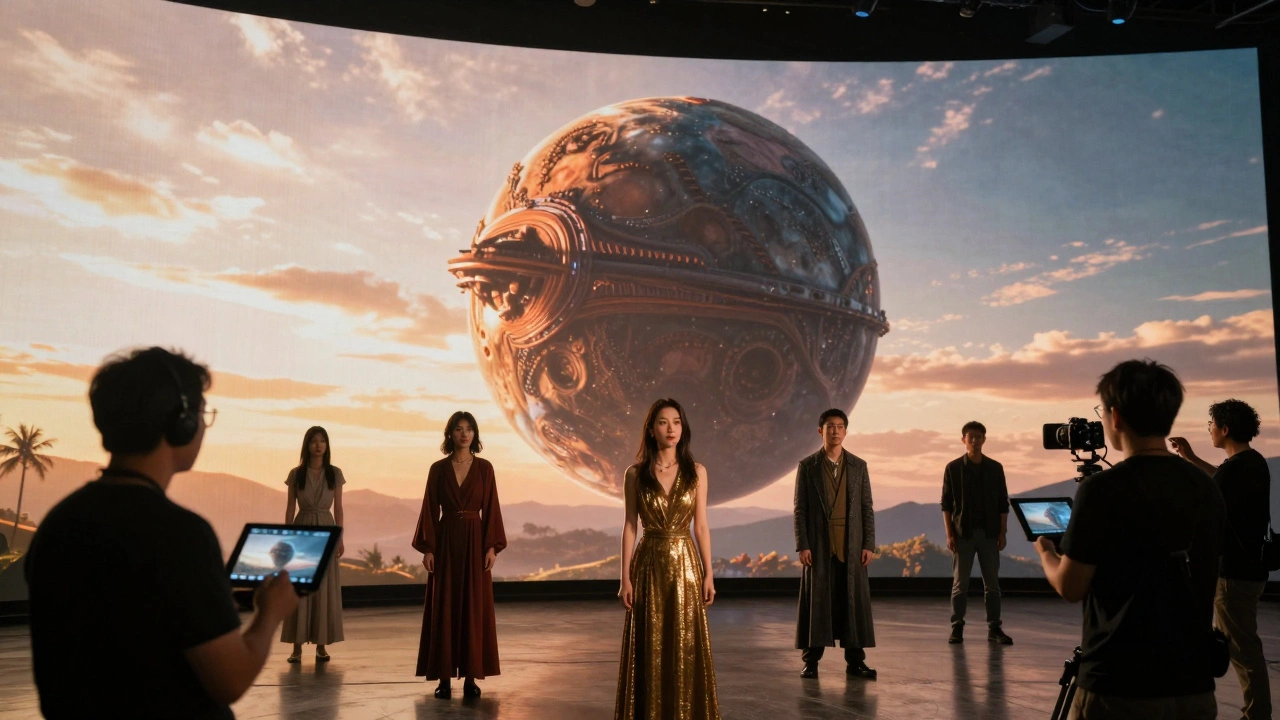
Just ten years ago, making a movie like Avatar or The Mandalorian would’ve taken years, millions in physical sets, and teams of artists working in isolation. Today, it’s done in months - sometimes even weeks - with actors performing on LED screens that show fully rendered alien worlds in real time. The tools have changed. The process has collapsed. And the line between what’s real and what’s digital? It’s practically gone.
Virtual Production Is Replacing Green Screens
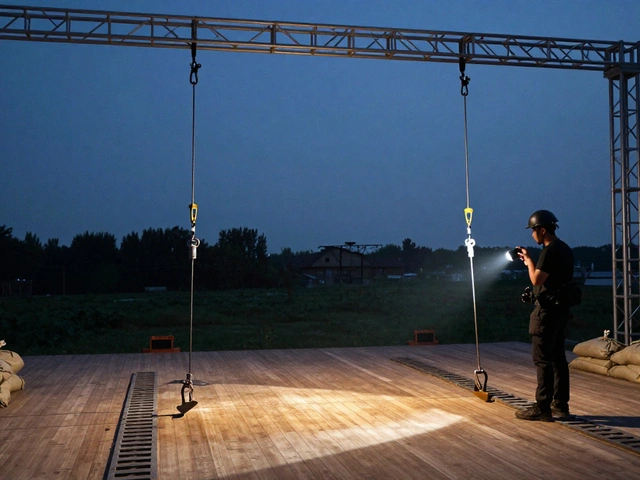
Remember green screens? Actors standing in front of a blank wall, imagining dragons or spaceships while directors yelled, "Just think about the giant robot!" That’s mostly history now. Virtual production uses massive LED walls - sometimes 270 degrees around the set - to display dynamic, photorealistic environments live during filming. The light from those screens bounces off actors’ faces and costumes, creating natural shadows and reflections you can’t fake in post.
On The Mandalorian, this tech - called StageCraft by Industrial Light & Magic - cut post-production time by 60%. Directors could see the final shot as they filmed. No more guessing if the alien planet looked right. No more waiting months to render a background before deciding if the lighting worked. Now, if the sunset looks off, they just adjust the digital sky on the fly.
It’s not just for big studios anymore. Smaller productions are using affordable LED panels and Unreal Engine to simulate everything from rainy London streets to Martian deserts. A indie sci-fi film shot in Atlanta last year used a 12x6 meter LED wall for $15,000. The result? A movie that looked like it cost $50 million.
AI Is Writing, Editing, and Even Acting
AI isn’t just helping - it’s taking over tasks that used to need dozens of people. Need a character to say a line in five different accents? AI can generate them in seconds. Need to fix a continuity error where the coffee cup changed position between shots? AI tools like Runway ML and Pika Labs can repaint the frame with pixel-perfect accuracy.
And it’s not just cleanup. AI is now used to generate entire background crowds, simulate wind through hair, or even create digital doubles of actors who are unavailable. In 2025, a film in South Korea used an AI-generated version of its lead actor to complete scenes after he was injured on set. The studio didn’t use deepfake tricks - they trained the AI on 200 hours of performance footage, then let the actor direct the AI in real time. The result? No one noticed it wasn’t him.
Even editing is changing. Tools like Descript and Adobe’s Project Fluid allow editors to type changes into a script and have the software automatically re-cut the footage. Want to remove a pause? Just delete the words. The system analyzes facial expressions, lip movement, and audio to seamlessly stitch the clip back together. It’s like Word for video.
Real-Time Rendering Is Killing the Render Farm
Remember waiting 48 hours for a single 10-second shot to render? That’s the old way. Today’s high-end game engines - Unreal Engine 5, Unity - are being used to render cinematic-quality visuals in real time. Why? Because they’re faster, cheaper, and more flexible than traditional render farms.
A studio in Vancouver used Unreal Engine to render the entire final act of a fantasy film. Instead of spending $2 million on render time, they spent $200,000 on a cluster of consumer-grade RTX 4090 GPUs. The quality? Better. The turnaround? Instant. Directors could tweak lighting, camera angles, or even the color of the sky while the scene played live on a monitor.
Real-time rendering also lets VFX artists work side-by-side with directors on set. No more sending files back and forth. No more "I thought you meant blue" moments. They see it, they change it, they lock it - all in one take.
Cloud-Based Workflows Are Globalizing Teams
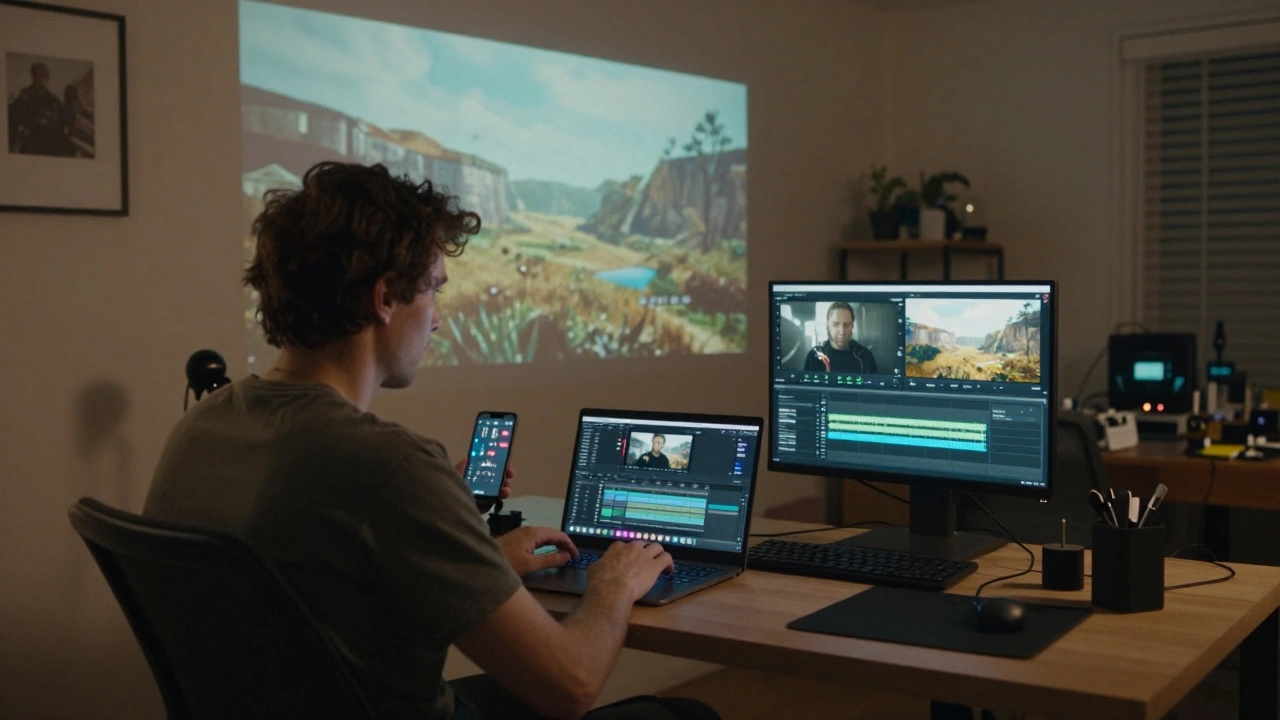
Before, a film’s VFX team was usually based in one city - London, LA, or Melbourne. Now? A single project might have animators in Manila, texture artists in Bucharest, and compositors in Mexico City, all working on the same cloud-based platform.
Platforms like Frame.io and Autodesk Shotgun let teams upload, review, and approve shots in real time. Notes are pinned to specific frames. Approval chains are automated. A director in Toronto can give feedback to an artist in Bangalore while they’re still in their pajamas. No more time zones. No more FedEx hard drives.
And it’s not just convenience - it’s cost. A studio in Atlanta hired a team of 12 Indian artists to handle character animation for $120,000. The same job, done in LA, would’ve cost $450,000. The quality? Identical. The deadline? Met three days early.
Camera Tracking and Motion Capture Are Getting Smarter
Early motion capture required actors to wear suits covered in reflective dots. Now? Cameras alone can track movement. A single iPhone 15 Pro can capture full-body motion with 98% accuracy when paired with apps like Vicon Blade or Apple’s new Motion Capture SDK.
On the 2025 film Wander, the lead actor wore no suit. Just a regular hoodie. Two handheld cameras on set captured his movements, and AI reconstructed his entire body in 3D - including subtle finger twitches and shoulder shrugs. The digital version of him was so lifelike, the studio used it to shoot a scene where he appeared as his own twin.
Camera tracking has gotten even smarter. Systems like ARRI’s Alexa 35 now have built-in sensors that record lens position, focus, aperture, and even atmospheric conditions. That data is fed directly into the VFX pipeline, so digital elements match the real camera’s behavior perfectly. No more mismatched depth of field. No more floating CGI objects.
The Cost of Entry Is Plummeting
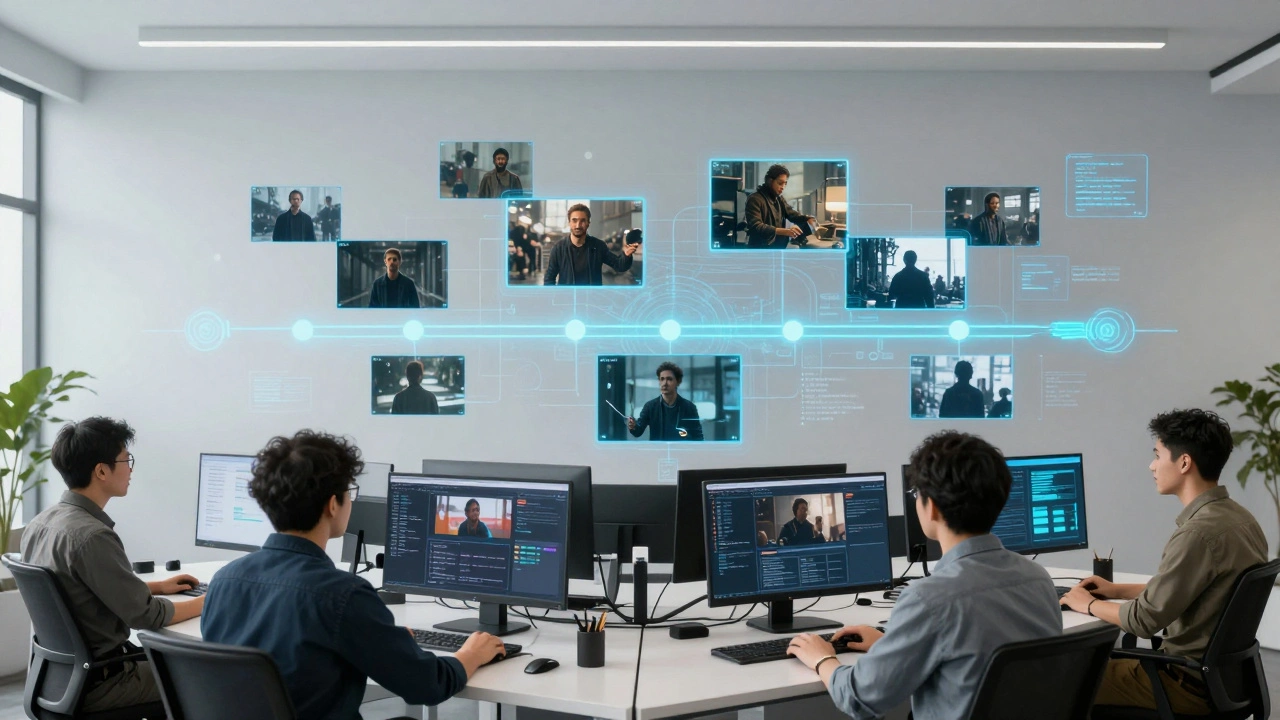
Five years ago, you needed $50 million to make a visually stunning sci-fi film. Now? You can do it for under $500,000. A student film from the University of North Carolina used free software - Blender, Kdenlive, and AI tools from Hugging Face - to create a 90-minute space epic with 400 VFX shots. It screened at Sundance. It got a distribution deal.
What changed? Software. Cloud computing. Open-source tools. AI. All of it’s now accessible. You don’t need a team of 50 artists. You need one person who knows how to use MidJourney for concept art, Runway for effects, and DaVinci Resolve for editing.
And studios are noticing. Netflix’s indie film fund now allocates 40% of its budget to projects that use AI and real-time tools. Why? Because they’re faster, cheaper, and often more creative. The old model - big budgets, long timelines - is being replaced by agile, tech-driven storytelling.
What’s Next? The Rise of the One-Person Studio
The future of film isn’t just about bigger budgets or more pixels. It’s about one person with a laptop, a good idea, and access to tools that used to belong to Hollywood.
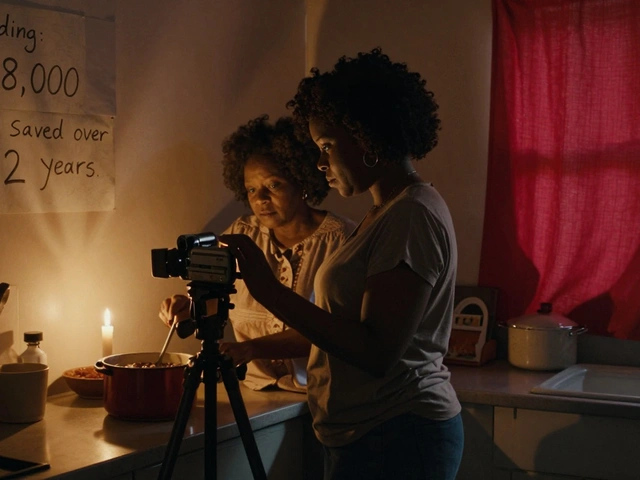
Imagine a filmmaker in rural Ohio who writes, directs, acts in, and edits a sci-fi movie using AI-generated environments, voice cloning for supporting roles, and automated color grading. She uploads it to a streaming platform. It goes viral. That’s not a fantasy. It happened in late 2024. Her film, Homebound, earned over 20 million views and a Critics’ Choice nomination.
Technology isn’t just changing how we make films. It’s changing who gets to make them. The gatekeepers are gone. The tools are in your pocket. And the screen? It’s waiting.
Is AI replacing human artists in film production?
No - it’s changing their role. AI handles repetitive tasks like rotoscoping, background generation, or frame interpolation. That frees up artists to focus on creativity: designing characters, shaping emotions, and refining details that machines can’t yet understand. The best studios now hire "AI directors" - people who guide AI tools with artistic vision, not just technical commands.
Do I need expensive gear to use these technologies?
Not anymore. You can start with a smartphone, free software like Blender or DaVinci Resolve, and open-source AI tools. Many filmmakers now use cloud-based rendering farms that charge by the minute - as little as $0.10 per frame. A short film with 100 VFX shots can cost less than $200 to render. The barrier isn’t equipment anymore - it’s knowing how to use the tools.
Are virtual sets better than real locations?
They’re not better - they’re different. Real locations give authenticity and unpredictable light. Virtual sets give control and flexibility. The best productions use both. A scene might be filmed on a real forest set, then extended with digital trees and weather effects. The goal isn’t to replace reality - it’s to enhance it without limits.
How are indie filmmakers using these tools?
Indie filmmakers are using AI and real-time tools to make films that look like blockbusters but cost a fraction of the budget. One director in Texas made a zombie movie using only an iPhone, Unreal Engine, and AI voice cloning. He didn’t hire a crew - he directed friends over Zoom. The film won best VFX at a major indie festival. The tools have leveled the playing field.
Will this technology make movies look the same?
Only if everyone uses the same presets. The danger isn’t technology - it’s laziness. AI tools can generate a thousand versions of a spaceship, but only a human can choose the one that feels right. The most distinctive films today - like Everything Everywhere All At Once or The Last of Us - use tech to amplify unique visions, not copy trends. The best creators use tools to be more themselves, not less.


Comments(9)