It used to take years - maybe a decade - for an indie filmmaker to go from making a 10-minute short to landing a feature film deal. Now, it can happen in under 12 months. And it’s not because of luck. It’s because streaming platforms have quietly rebuilt the path from obscurity to visibility using something called platform anthologies.
What Are Platform Anthologies?
Platform anthologies aren’t just collections of short films. They’re curated series released under a single brand - like Black Mirror or Love, Death & Robots - but now made for first-time directors. Netflix, Hulu, Amazon Prime, and even Apple TV+ have launched anthology programs specifically designed to give unknown filmmakers a stage. These aren’t talent contests. They’re production pipelines.
Here’s how it works: A streaming service opens submissions for a themed anthology - say, "Tales from the Suburbs" or "Midnight Shift." Filmmakers submit a short film (usually 10-20 minutes). If selected, they get a budget (often $50K-$150K), professional crew, and distribution. The catch? They have to deliver it fast - usually within 60 days. No studio notes. No test screenings. Just creative control, in exchange for exclusivity.
And here’s the kicker: if your short does well, you’re invited back to pitch a feature. Not as a "next project." But as a proven creator with a track record on the platform. That’s the game changer.
The Real Shift: From Festivals to Feeds
Five years ago, indie filmmakers lived for Sundance. Submit your short. Get accepted. Hope a distributor picks it up. Wait two years for a theatrical run. Then maybe, just maybe, someone notices.
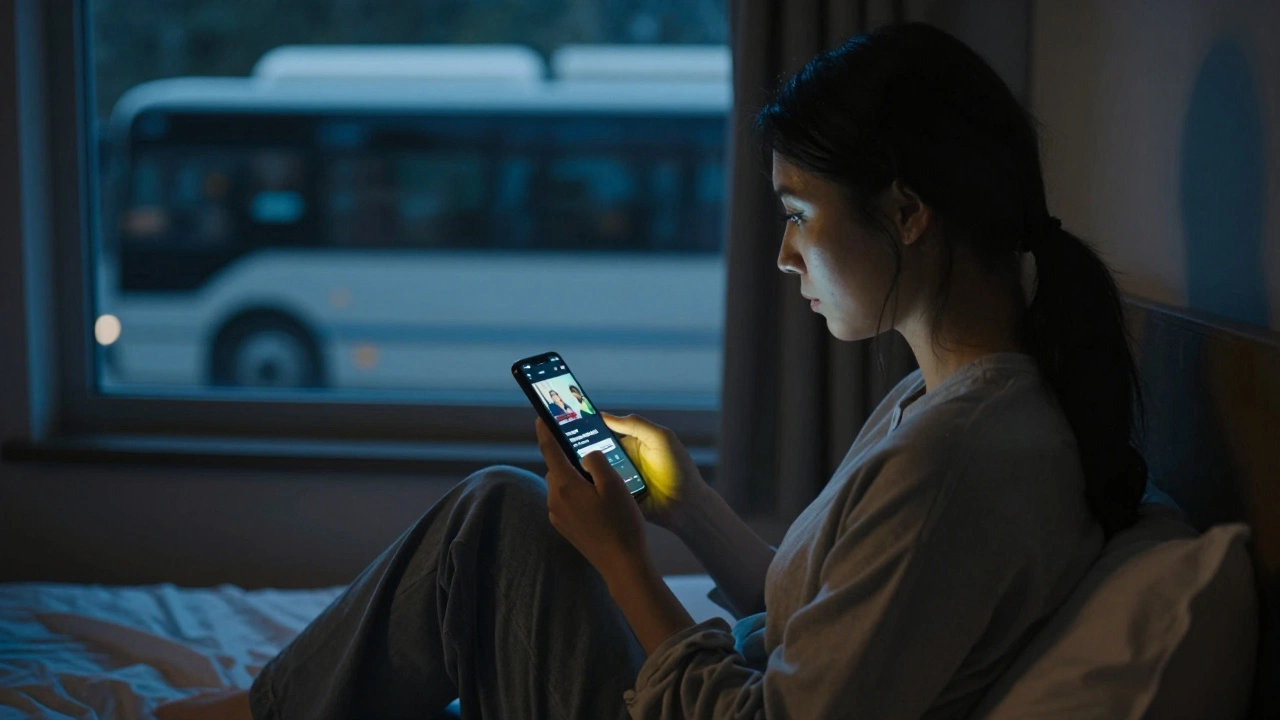
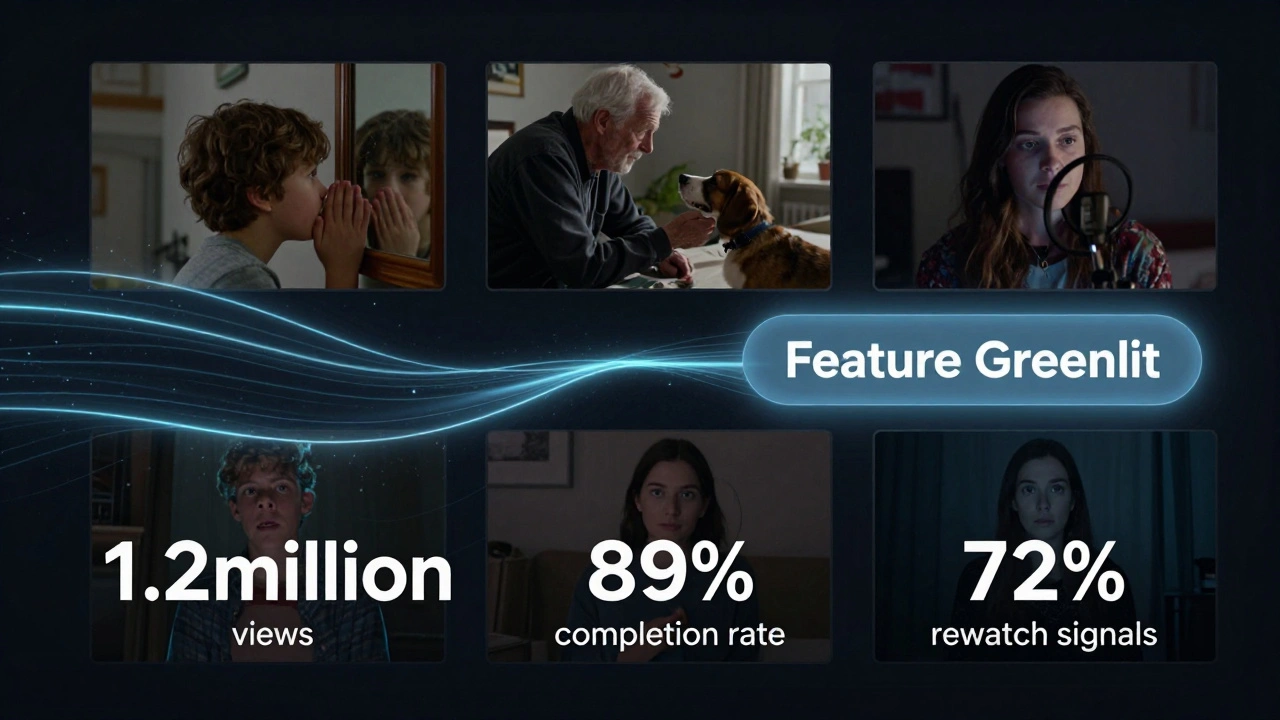
Today, the new festival isn’t in Park City. It’s on your phone. A short film that gets 500,000 views on Apple TV+’s "New Voices" anthology gets more attention than 100 festival awards. Why? Because algorithms don’t care about your film school. They care about watch time, completion rate, and rewatch signals.
Take Maya Lin, a first-time director from Austin. Her 15-minute film Wait for the Bus was picked up by Amazon’s "Urban Nights" anthology in early 2025. It hit 1.2 million views in three weeks. Within six months, she was offered a $1.2 million budget to direct her first feature - same universe, same tone, same lead actor. No pitch deck. No agent. Just data.
Platforms don’t need film critics anymore. They need viewers who stick around. And emerging filmmakers are learning how to build stories that do exactly that.
How to Get Selected - The Unwritten Rules
There’s no secret formula. But there are patterns. Based on data from 2024-2025 submissions across six major platforms, here’s what actually works:
- Start with a hook in the first 30 seconds. If viewers skip before the 30-second mark, the algorithm kills your chances. No slow builds. No monologues.
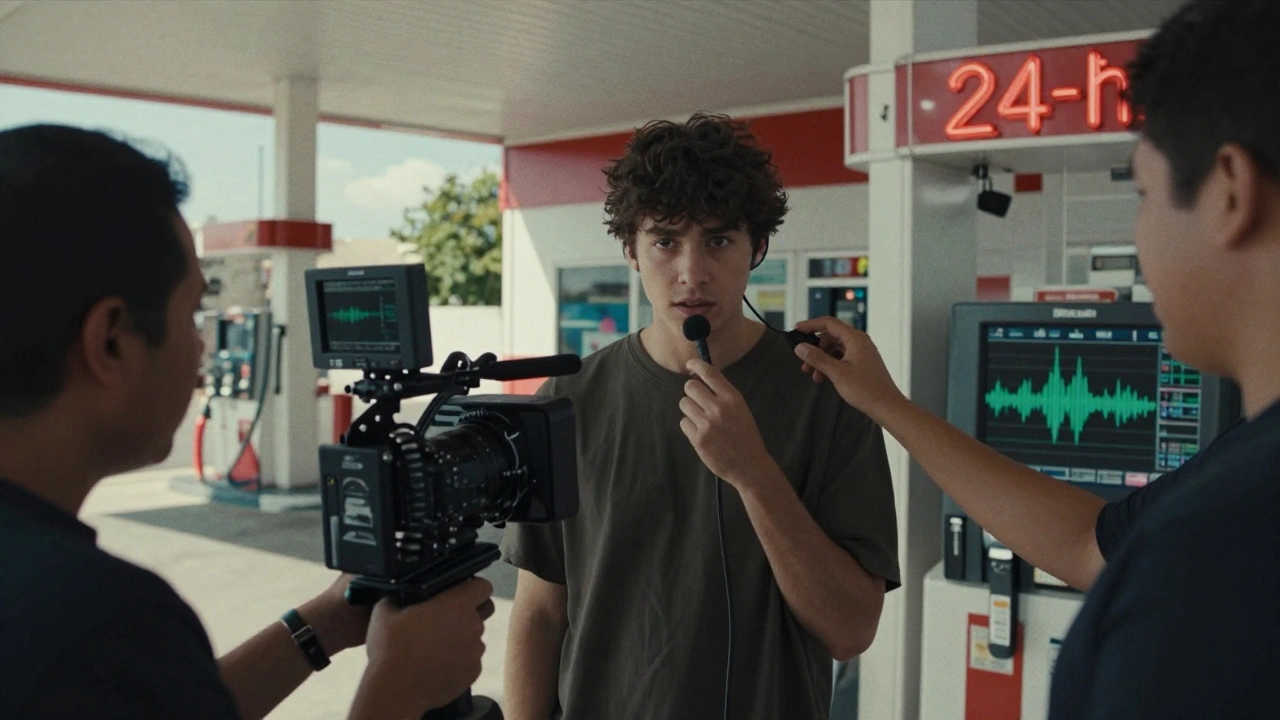
- Use one location. Most funded shorts are shot in one or two locations. It keeps costs low and focus tight. A single apartment, a gas station at 3 a.m., a subway car - these are your best friends.
- End with a twist - not a punchline. The twist has to make you rethink the whole thing. Not "surprise! he was dead all along." But something that changes how you see the character. Like in What She Didn’t Say, the final shot reveals the protagonist has been recording her own therapy sessions… for years.
- Cast someone you know. Platforms prefer real, non-professional actors who feel authentic. A neighbor. A cousin. A coworker. If they can deliver raw emotion without training, you’re ahead.
- Sound design matters more than visuals. A shaky iPhone shot with perfect ambient sound beats a 4K drone shot with silence. Platforms optimize for mobile viewing. Your audio is what keeps people listening.
These aren’t tips. They’re survival rules. And they’re not taught in film school.
What Happens After You Get Selected
Getting picked isn’t the finish line. It’s the starting line.
Most filmmakers who land a spot in an anthology get a contract that includes:
- Exclusive rights to your short for 18 months
- One pitch meeting with the platform’s development team
- Access to their internal database of writers, editors, and composers
- Priority consideration for future anthology cycles
But here’s what no one tells you: You’re not just pitching a story. You’re pitching a brand. The platform wants to know: Can you make content that feels like it belongs here? That matches their tone? That keeps viewers coming back?
That’s why many successful shorts are part of a larger universe. A filmmaker might submit a short about a ghost haunting a laundromat. Then, in their pitch for a feature, they expand it into a whole neighborhood of haunted businesses - each episode of the feature film following a different location. That’s called "worldbuilding on a budget." And it works.
Look at the rise of "anthology spin-offs." In 2025, five features were greenlit directly from anthology shorts. Three of them became top 10 streaming titles in their first month. All had one thing in common: they didn’t try to be big. They tried to be real.
Why This Matters for the Future of Film
For decades, the film industry ran on gatekeepers: studio execs, festival jurors, distributors. If you didn’t know someone, you didn’t get in.
Now, the gate is an algorithm. And algorithms don’t care where you went to school. They care if your film holds attention. That’s democratizing filmmaking in a way we haven’t seen since the 1990s, when camcorders made home video possible.
But it’s not easy. You still need to know how to tell a story that cuts through noise. You still need to work fast. You still need to be stubborn.
What’s changed is the ladder. You don’t climb it anymore. You jump on it - and the platform catches you.
Where to Start Right Now
If you’re a filmmaker with a short idea, here’s your action plan for 2026:
- Watch the last 12 months of anthology releases on Netflix, Hulu, and Apple TV+. Note the tone, pacing, and endings.
- Write a 12-minute script. Set it in one location. Use one actor you can trust. No effects. No VFX.
- Shoot it in 7 days. Use natural light. Record audio on a smartphone with a lavalier mic.
- Submit to one anthology program. Don’t submit to five. One. Pick the one that feels most like your voice.
- Track your analytics. If your completion rate is below 65%, go back. Fix it. Resubmit next cycle.
There’s no waiting anymore. The door is open. And it’s not guarded by a producer. It’s guarded by a viewer who just pressed play.
Can I submit a short film I already made to a platform anthology?
Most platforms require exclusive rights for at least 18 months, so if your short has been publicly released - even on YouTube - you’re likely ineligible. Some exceptions exist for films that had under 10,000 views. Always check the submission guidelines. But the safest path is to make something new, specifically for the anthology.
Do I need an agent or manager to get into an anthology?
No. None of the major platform anthologies accept submissions through agents. You apply directly through their website. The selection process is blind. Judges don’t know your name, your film school, or your credits. They only see the film. This is the most level playing field indie filmmakers have ever had.
What if my short doesn’t get picked? Should I keep trying?
Yes - but not the same film. Platforms look for growth. If you submit the same short twice, you’ll likely be ignored. Instead, analyze why it didn’t work. Was the opening too slow? Did viewers drop off at minute 6? Use that feedback to make a better one. Most filmmakers who get picked have submitted at least two or three times before succeeding.
Are platform anthologies only for horror or sci-fi?
No. While horror and sci-fi dominate because they’re visually striking and easy to market, platforms are actively seeking dramas, comedies, and even documentaries. In 2025, Hulu’s "Quiet Moments" anthology featured 11 shorts about everyday life - from a woman cleaning her mother’s house to a man teaching his dog to ride a bike. One of them got over 2 million views. The genre doesn’t matter. The emotional truth does.
How long does it take to hear back after submitting?
Most platforms take 4-8 weeks to review submissions. Some, like Apple TV+, take up to 12 weeks. If you haven’t heard back after 14 weeks, it’s a no. Don’t follow up. Instead, start working on your next idea. The next cycle is always opening.


Comments(7)