Virtual Production Lighting: Matching Film Real and Digital
Master virtual production lighting by syncing physical lights with digital LED environments. Learn color management, moiré fixes, and real-time workflows.
When you watch a movie now and see a dragon flying over a city that didn’t exist five minutes ago, that’s not magic—it’s real-time rendering, a technology that generates photorealistic images on the fly, without waiting hours for each frame to render. Also known as live rendering, it’s the same tech powering video games and virtual sets, now being used to shoot entire films in real time.
Before real-time rendering, filmmakers had to wait days or weeks to see how a CGI environment would look in the final shot. Now, with tools like Unreal Engine, a game engine adapted for film production that renders complex scenes instantly on LED walls or monitors, directors can adjust lighting, weather, or background in real time while the actor is still in character. This isn’t just faster—it changes how stories are told. A cinematographer can tweak the color of a sunset during a take, and the actor responds to the actual glow on their face, not a green screen. CGI, computer-generated imagery once reserved for post-production is now part of the shoot, not the cleanup. And it’s not just for big studios. Indie filmmakers are using free tools like Blender, an open-source 3D suite that now supports real-time rendering through its Eevee engine to create high-end visuals on tiny budgets.
Real-time rendering doesn’t just speed things up—it opens new creative doors. You can shoot a scene in a studio but have it look like it’s on Mars, then switch to a rainy Tokyo street in under a minute. It reduces the need for reshoots, cuts post-production time, and lets actors react to real environments instead of imagining them. That’s why shows like The Mandalorian and films like Avatar: The Way of Water rely on it. But it’s also why small teams are now making visuals that used to need a Hollywood budget. The line between animation, live action, and virtual production is gone. What you see on screen is being built as you watch it.
Below, you’ll find posts that dig into how this tech is used—from budget-friendly setups to how it’s reshaping VFX workflows, festival submissions, and even how streaming platforms now demand it. Whether you’re shooting a short or planning a feature, real-time rendering isn’t the future anymore. It’s the tool in your hands today.
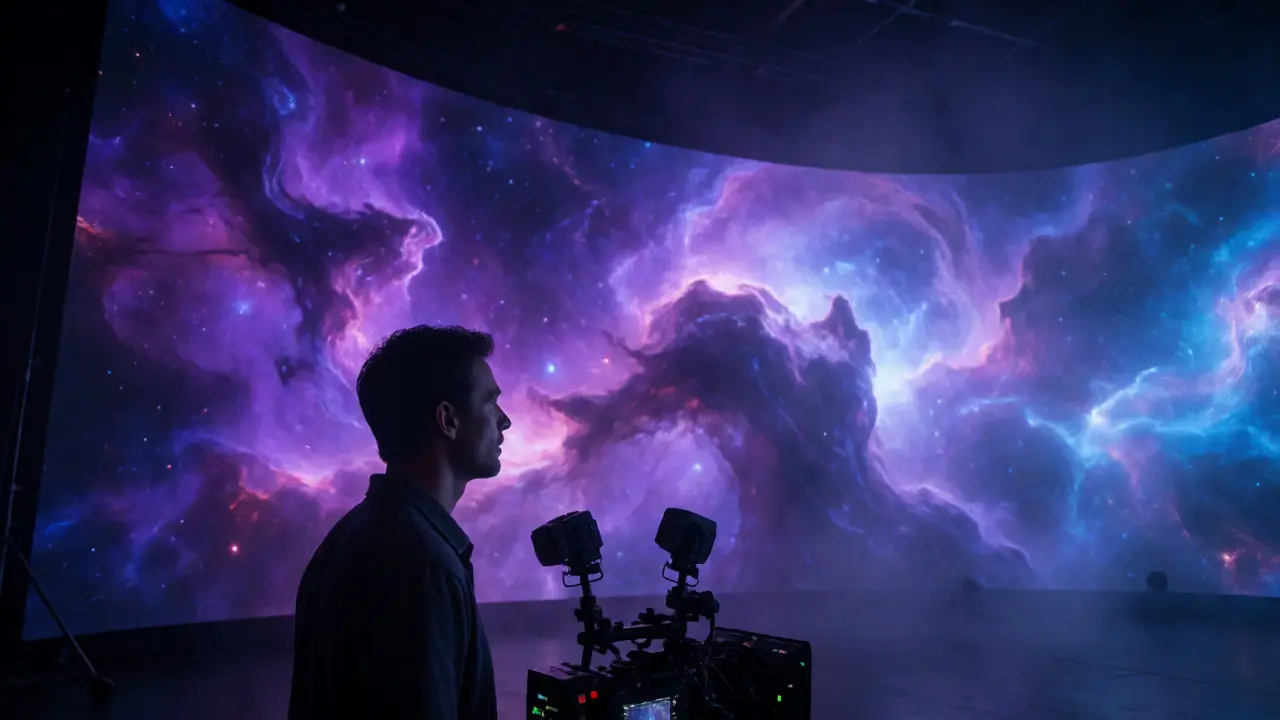
Master virtual production lighting by syncing physical lights with digital LED environments. Learn color management, moiré fixes, and real-time workflows.
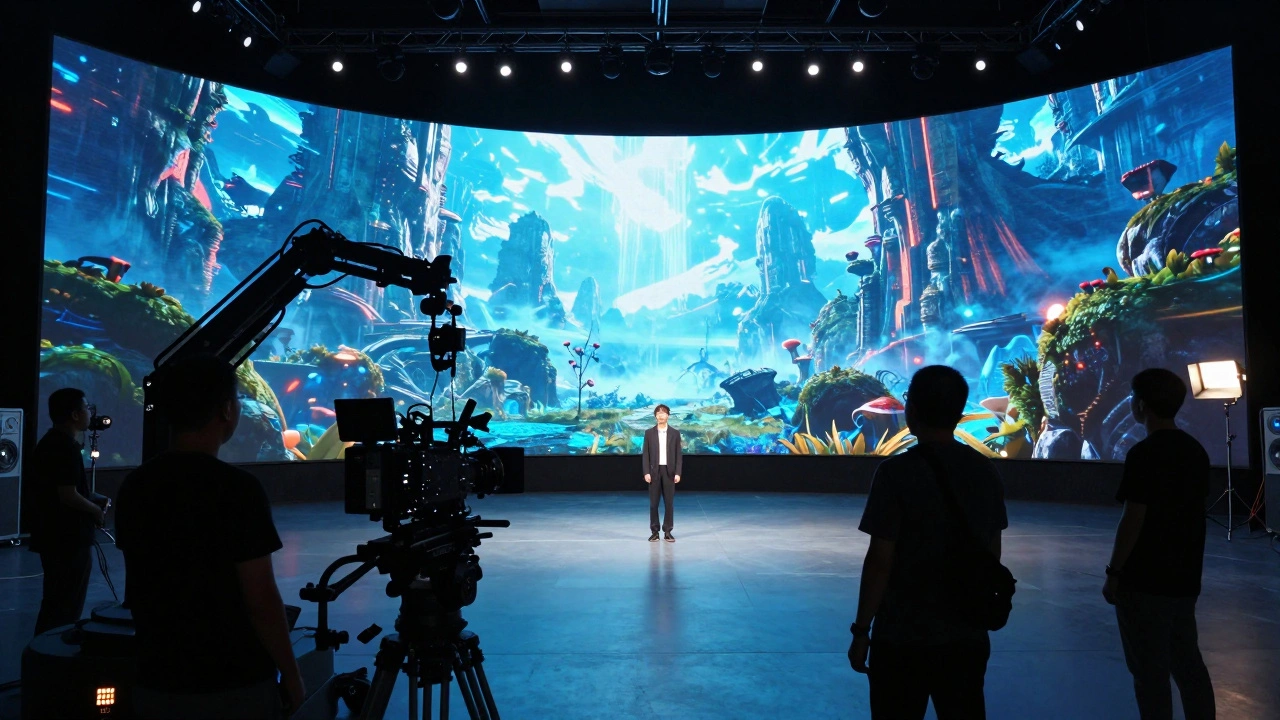
Learn how virtual production changes directing workflows, from LED volumes to real-time rendering. Discover tools, challenges, and tips for modern filmmakers.
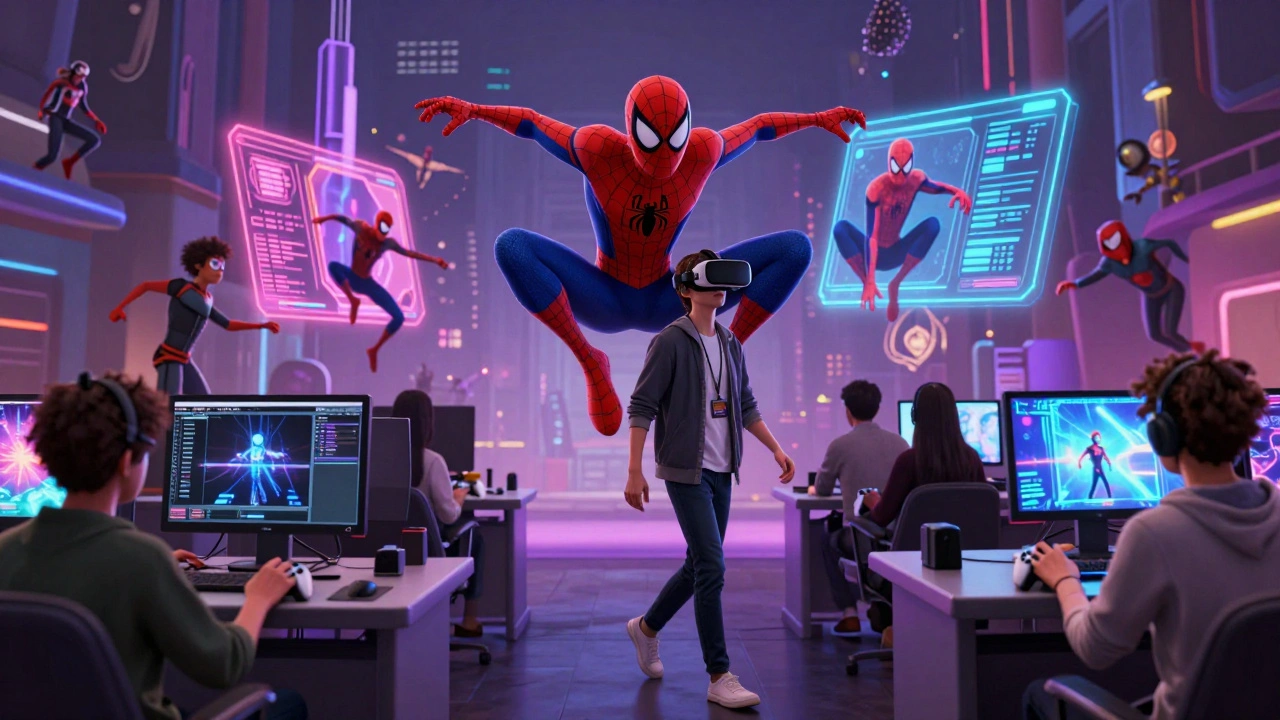
Game engines like Unreal Engine are revolutionizing animation films by enabling real-time rendering, faster iterations, and collaborative workflows. Once used only for games, these tools now power major animated features, cutting production time and unlocking new creative possibilities.
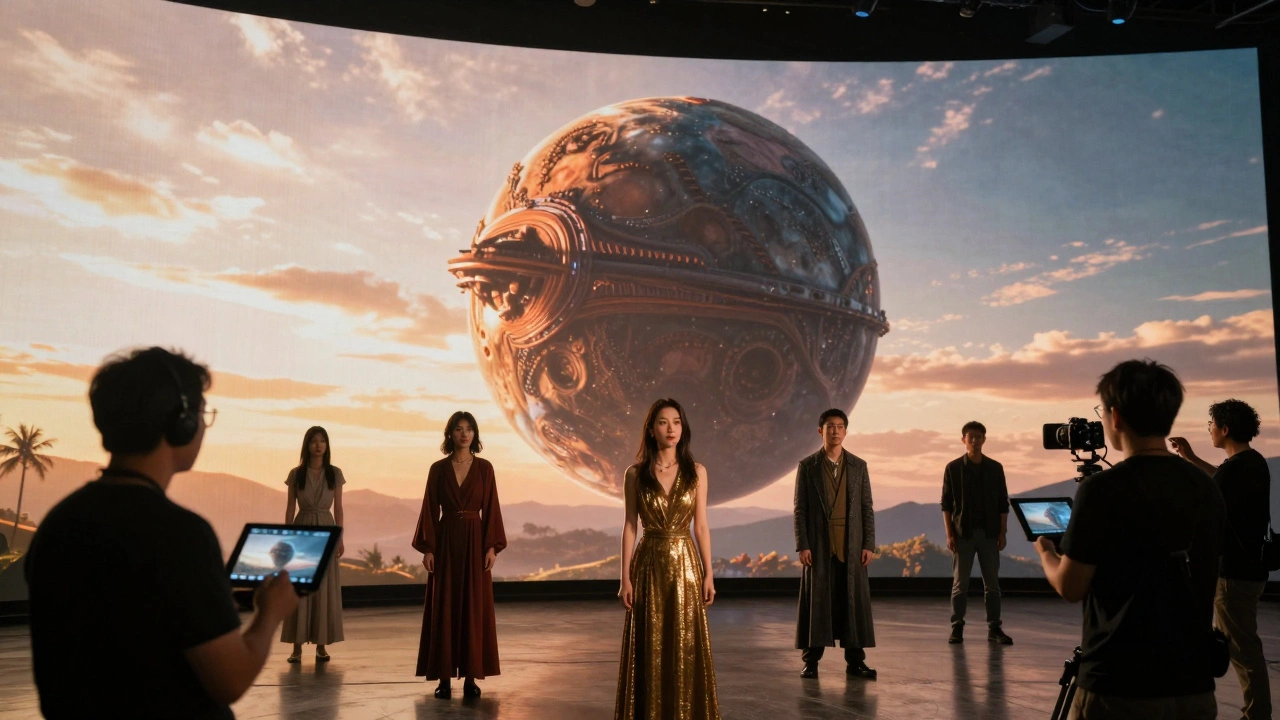
Technology is transforming film production with real-time rendering, AI-driven tools, and virtual sets. From LED walls to AI editing, filmmakers now create stunning visuals faster and cheaper than ever - opening the door for indie creators to compete with Hollywood.
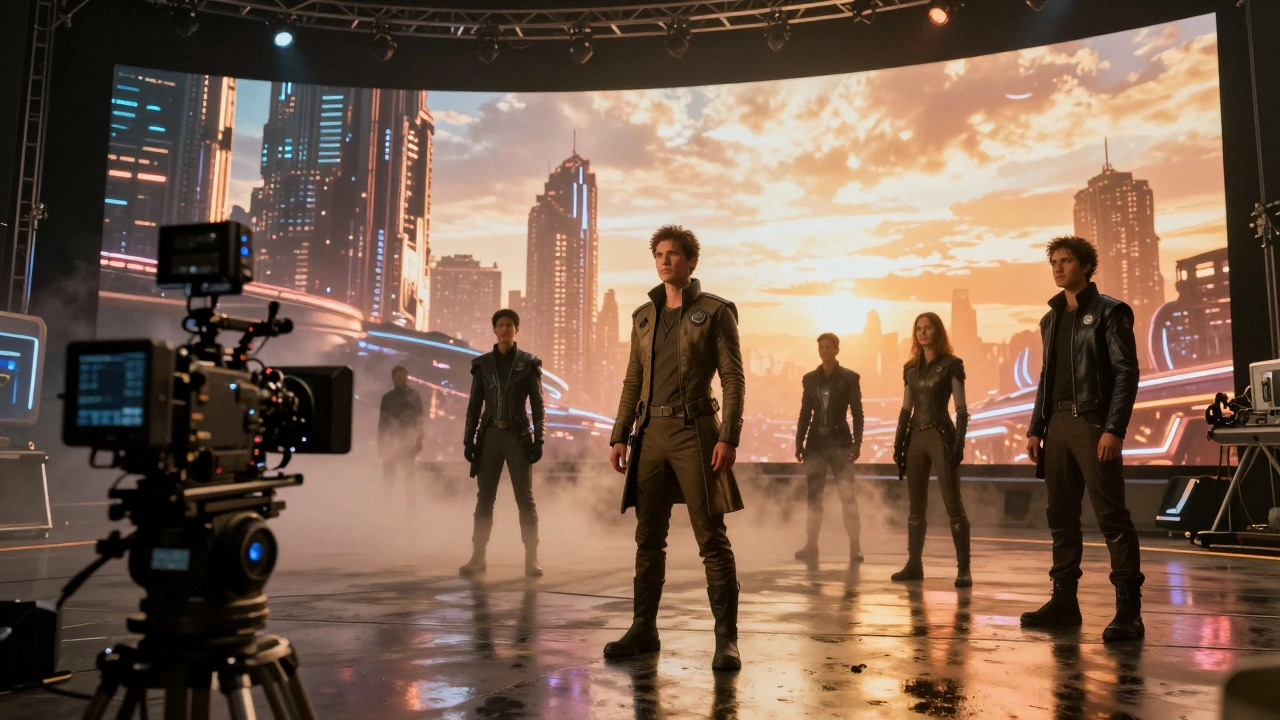
LED walls and in-camera VFX are transforming film production by allowing filmmakers to capture realistic virtual environments live on set. This technology replaces green screens with real-time rendering, improving lighting, performances, and efficiency.
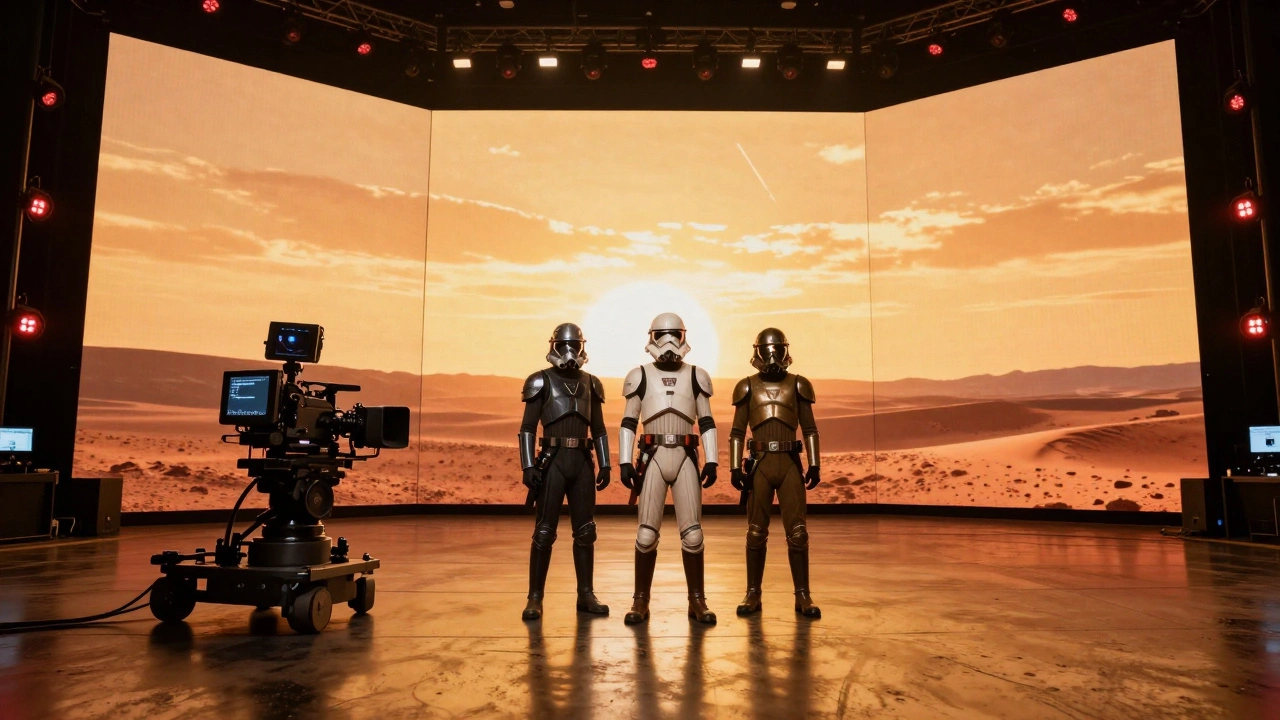
Virtual production is transforming filmmaking by replacing green screens with real-time LED environments. Films like The Mandalorian, Avatar: The Way of Water, and The Batman pioneered this tech, cutting post-production time and enhancing actor performances.
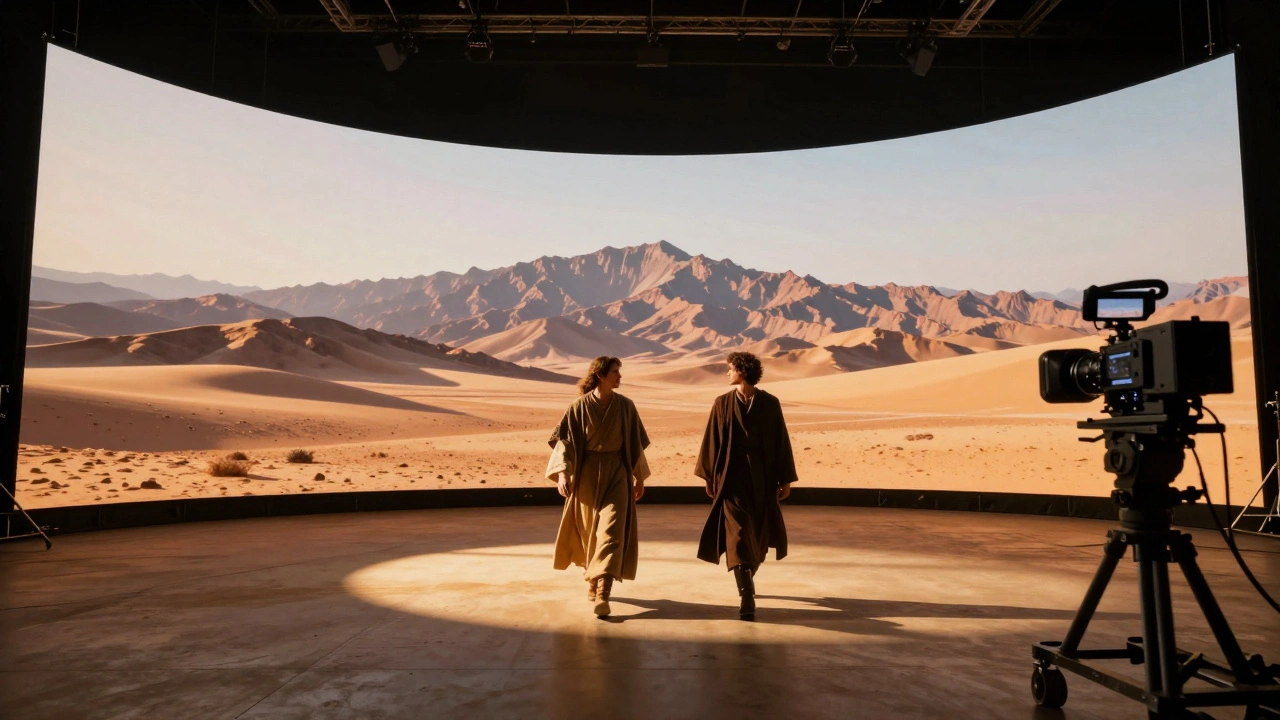
Virtual production uses LED walls and real-time rendering to create digital sets on set, cutting costs and speeding up filming. Learn how this tech works, real-world examples, and why it's becoming essential for filmmakers.

Virtual production uses LED walls and real-time rendering to create lifelike backgrounds during filming, replacing green screens with immersive, dynamic environments that respond to camera movement and lighting in real time.