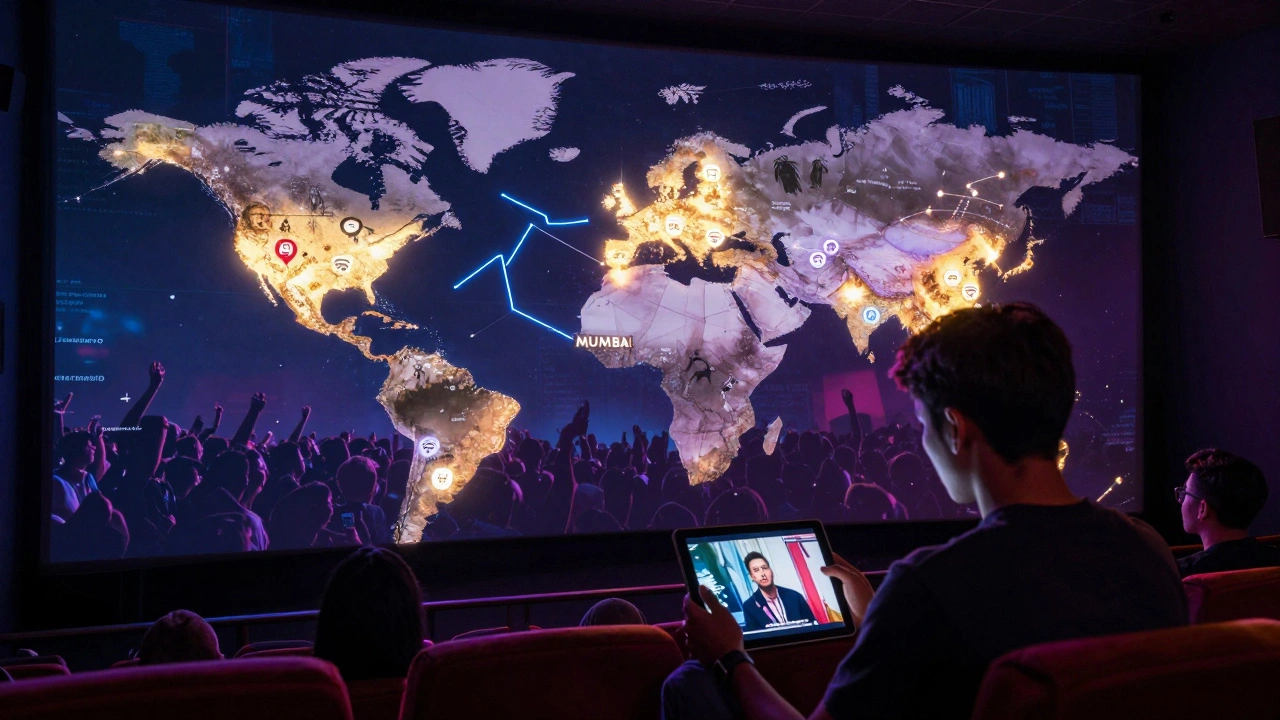
When Disney released Avengers: Endgame in 2019, it didn’t just break box office records - it proved something deeper: global fan loyalty now dictates whether a franchise lives or dies. Studios no longer make sequels based on U.S. ticket sales alone. They watch what’s trending in Mexico City, Mumbai, Seoul, and Rio. The rise of streaming, social media, and mobile access has turned fandom into a worldwide currency. And the studios? They’re learning to read the signs.
Sequels Don’t Get Greenlit Anymore - They Get Demanded
Back in the 2000s, studios would look at domestic box office numbers, critic reviews, and DVD sales to decide if a sequel made sense. Now? They track hashtags. They monitor TikTok trends. They watch how many times fans rewatch a film on Netflix in Indonesia. If a movie earns $50 million in the U.S. but pulls in $300 million across Southeast Asia and Latin America, it’s not a flop - it’s a blueprint.
Take Spider-Man: No Way Home. The film made $1.9 billion globally. But here’s what studios noticed: in countries like Brazil and the Philippines, ticket sales were higher per capita than in the U.S. Fans there didn’t just watch - they organized midnight premieres, made fan edits, and flooded social media with theories. That kind of energy doesn’t go unnoticed. Sony didn’t just greenlight another Spider-Man film - they fast-tracked a trilogy plan.
It’s not just Marvel. Universal’s Fast & Furious series now films in locations like Abu Dhabi and Lagos because they know those markets are hungry for representation. In 2023, 68% of F9’s revenue came from outside North America. That’s not luck - it’s strategy.
The New Math of Movie Success
There’s a new formula studios use: Global Fan Engagement Score (GFES). It’s not public, but insiders confirm it combines:
- Number of fan-made videos on YouTube and TikTok
- Volume of non-English social media mentions (especially in Spanish, Mandarin, Hindi)
- Streaming retention rates in key international markets
- Merchandise sales outside the U.S. and Canada
- Presence of local fan conventions or cosplay events
A film doesn’t need to be a box office smash in America to survive. It just needs to ignite passion somewhere else. The Batman (2022) underperformed in the U.S. compared to expectations, but in South Korea, it became a cultural moment. Fans created fan art, held themed karaoke nights, and even started a petition for a Korean-language dub. Warner Bros. responded by fast-tracking a sequel and adding Korean-language marketing campaigns - something they’d never done before.
Marketing Isn’t Just Translated - It’s Rewritten
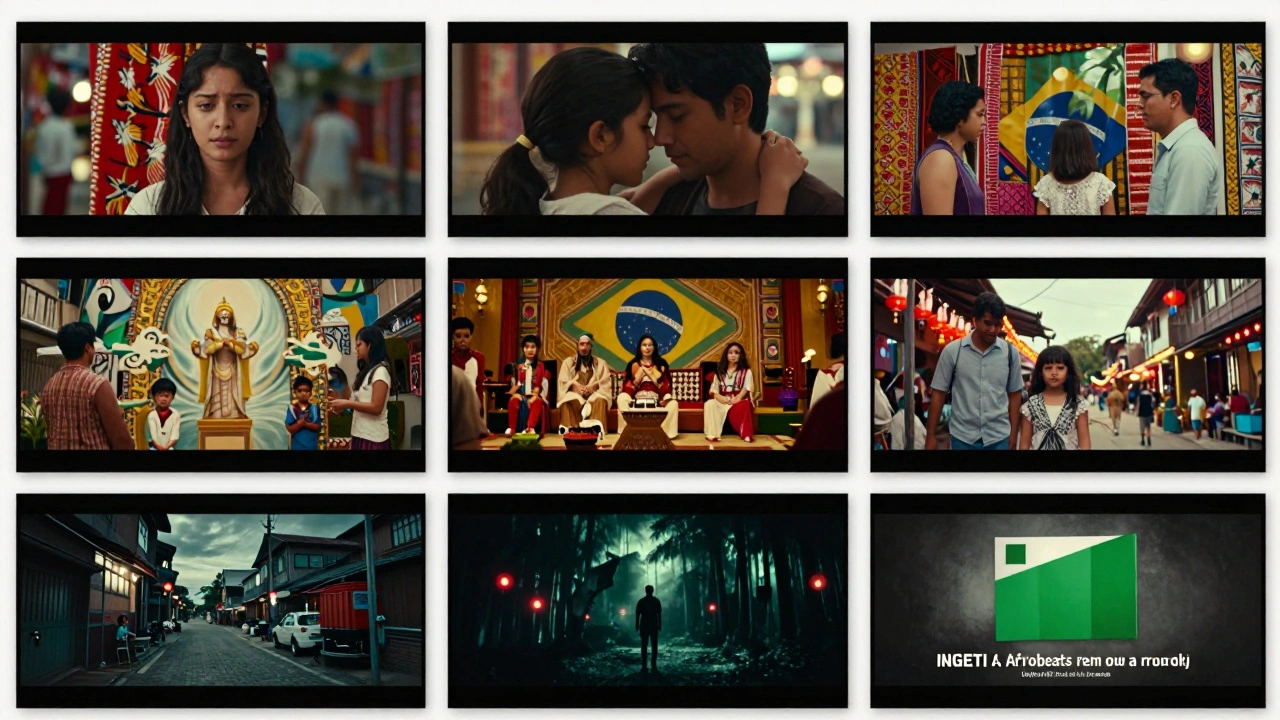
Think about how trailers are made. In the U.S., a superhero movie might focus on action, humor, and star power. In Japan, the same trailer might highlight emotional character arcs and visual artistry. In Brazil, it leans into family bonds and social justice themes. In India? It’s about spectacle, music, and mythic resonance.
Netflix’s Stranger Things didn’t just market globally - it retooled its entire campaign. In Germany, they emphasized the eerie small-town vibe. In France, they leaned into 80s nostalgia. In Nigeria? They partnered with local influencers to create fan-made music videos using Afrobeats remixes of the show’s theme. The result? Nigeria became one of the top five markets for viewership.
Studios now hire regional marketing teams - not just translators. A film might have five different trailers, each tailored to a cultural context. The core story stays the same, but the emotional hooks change. That’s how you turn viewers into fans.
Fan Voices Are Now Part of the Script
It used to be that fan theories were ignored - or mocked. Now? Studios actively mine them. In 2023, Marvel Studios hired a global fan insights team to monitor Reddit threads, Discord servers, and Weibo posts. They found that fans in China were obsessed with the idea of a female-led Black Panther spin-off. That idea didn’t come from an executive meeting - it came from a Reddit thread with 87,000 upvotes.
Disney’s Moana sequel is being shaped by feedback from Polynesian communities. The studio held virtual roundtables with cultural advisors from Samoa, Fiji, and Tonga. They didn’t just ask for input - they changed plot points based on what those communities said felt authentic. That’s not PR. That’s respect.
Even smaller studios are catching on. The indie horror film Hereditary spawned a cult following in South Korea. When the director posted a behind-the-scenes clip on Twitter, Korean fans responded with detailed analyses of symbolism. The director replied - and later, the sequel included a scene inspired by one of their theories.
The Cost of Ignoring Global Fans
Not listening has consequences. Ghostbusters: Afterlife (2021) bombed in China because the marketing ignored local humor and cultural references. The trailer felt like a U.S.-only product. Ticket sales in China were 70% lower than in the UK. The studio didn’t adapt - and fans noticed.
Another example: DC’s The Flash (2023). While it did well in North America, it underperformed in Latin America. Why? The film’s humor and references didn’t translate. Fans in Mexico and Argentina said it felt like a movie made for Americans, not for them. The studio didn’t respond. The franchise is now on hold.
Global audiences aren’t just buying tickets - they’re voting with their wallets, their time, and their voices. Ignore them, and you risk becoming irrelevant.
What Comes Next? The Rise of Co-Creation
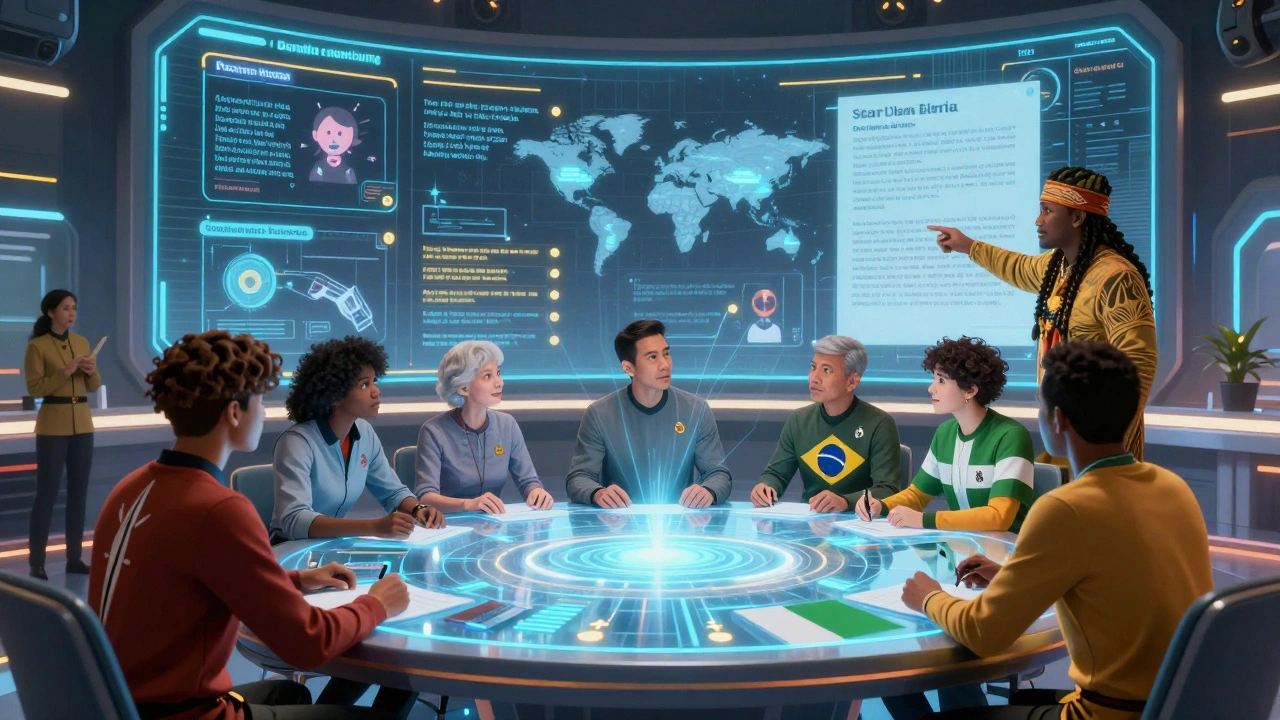
The next frontier isn’t just listening - it’s letting fans help build the story. Some studios are testing fan-driven storylines. In 2025, Paramount launched a pilot program: fans from five countries submitted plot ideas for a new Star Trek series. The top three ideas were developed into scripts. One of them - a story about interstellar diplomacy in a post-colonial galaxy - came from a fan in Kenya. It’s now the lead episode.
Franchises are no longer top-down creations. They’re collaborative ecosystems. The hero isn’t just the actor on screen - it’s the teenager in Manila who edits fan videos. The producer isn’t just the studio exec - it’s the mother in Lagos who takes her kids to see the movie every weekend.
Sequels aren’t just greenlit anymore. They’re summoned.
Do international fanbases really affect whether a sequel gets made?
Yes - more than ever. Studios now track global engagement metrics like social media buzz, streaming retention, and fan-created content. A film that underperforms in the U.S. but has massive support in India, Brazil, or South Korea is far more likely to get a sequel than one that does well only at home. Fan energy translates into revenue, and revenue drives decisions.
How do studios measure global fan engagement?
They use a mix of data: number of fan videos on TikTok and YouTube, volume of non-English social media posts, merchandise sales outside North America, streaming watch time in specific countries, and participation in local fan events. Some studios even hire regional teams to monitor Reddit, Weibo, and WhatsApp groups. It’s not just about how many people watch - it’s about how deeply they care.
Why do marketing campaigns vary so much by country?
Because emotional triggers differ. A U.S. audience might respond to action and humor, while audiences in Japan value emotional depth and visual style. In Latin America, family and community themes work best. Studios now create separate trailers, posters, and ad campaigns for each major market - not just translated versions. The story stays the same, but the way it’s sold changes to match local culture.
Can fan feedback actually change a movie’s plot?
Absolutely. In 2023, Marvel Studios began using fan input from global platforms to shape future storylines. A fan theory from China about a female-led Black Panther spin-off influenced development. Disney’s Moana sequel changed key scenes after feedback from Polynesian communities. Studios now treat fans as co-creators, not just consumers.
What happens if a studio ignores international fans?
The franchise risks fading. Ghostbusters: Afterlife and The Flash both saw weak international performance because their marketing felt culturally disconnected. Fans noticed - and stopped showing up. In today’s world, global silence means global decline. Studios that treat international audiences as an afterthought are building franchises on sand.





Comments(7)