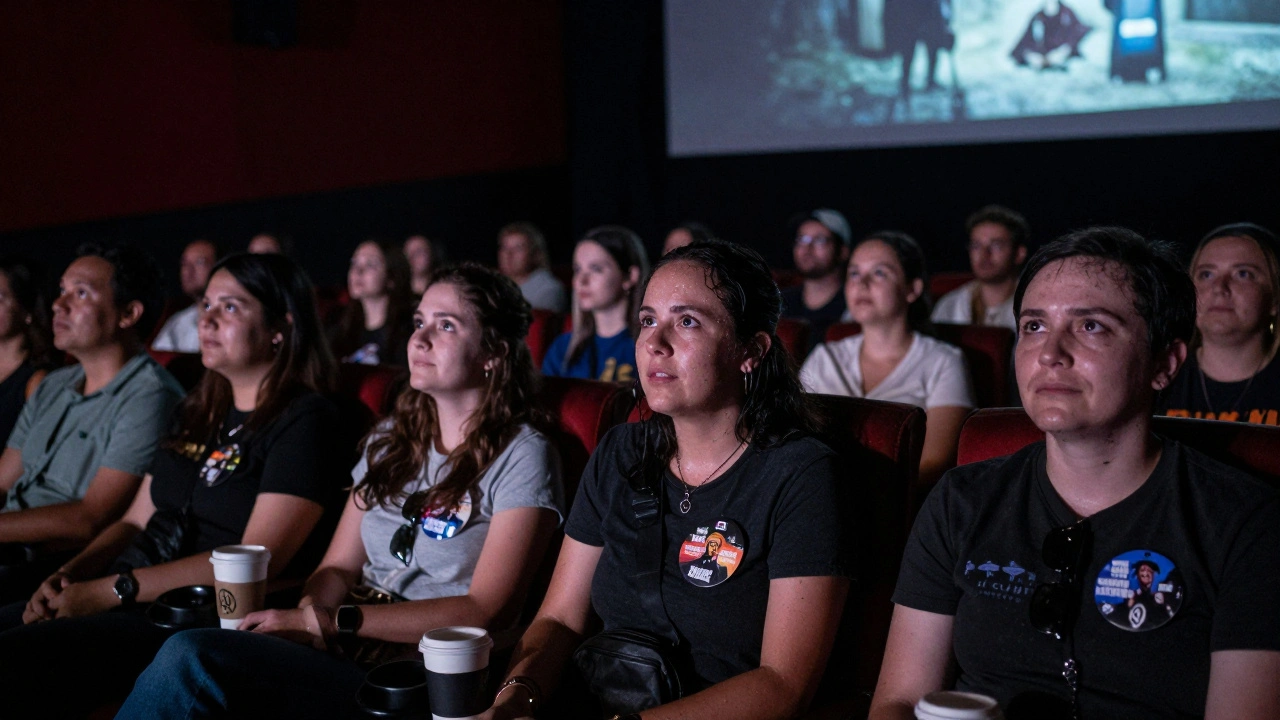
If you’ve ever stood in line at a midnight screening in Austin, coffee in one hand, badge dangling around your neck, and felt like you’re part of something bigger-welcome. SXSW Film isn’t just another festival. It’s where unknown directors premiere their first feature, where streaming executives scout the next breakout hit, and where a 22-year-old filmmaker from Ohio can walk into a panel and leave with a producer’s business card. It’s messy, loud, exhausting, and unforgettable.
What SXSW Film Actually Is
SXSW Film is the movie arm of South by Southwest, the massive annual event in Austin, Texas, that started in 1987 as a music festival and grew into a full-blown convergence of film, tech, and interactive media. Today, it’s one of the top three film festivals in the U.S. by industry influence, behind only Sundance and Cannes. But unlike those, SXSW doesn’t just showcase films-it creates momentum.
Over 1,500 films are screened each year, from short documentaries to big-budget debuts. But here’s what most people don’t realize: less than 10% of those films get picked up by distributors. The real value isn’t in the screenings-it’s in the conversations happening in the hallways, the coffee shops, and the hotel lobbies between panels.
The festival runs for 10 days in March, with the film portion overlapping with the interactive and music tracks. That means you’ll see a Netflix exec walking into a VR demo, then heading to a documentary Q&A, then grabbing drinks with a TikTok creator who just sold a series idea. It’s not a film festival. It’s a 10-day industry speed-dating marathon.
How to Get In (And Not Waste Your Money)
There are four main passes: Full Festival, Film, Interactive, and Music. If your goal is to watch films and meet industry people, you don’t need the Full Festival pass. It’s $1,295. The Film Pass is $795. That’s enough. You’ll get access to all film screenings, most panels, and the Film Industry Lounge-where most of the real networking happens.
Don’t buy the Interactive Pass unless you’re in tech. You’ll spend half your time walking past VR booths you don’t care about. Same with the Music Pass-unless you’re booking bands, it’s overkill.
Pro tip: Apply for a volunteer badge. You get a free Film Pass in exchange for 20 hours of work-ushering, checking tickets, helping with Q&As. It’s the best way in for students, indie filmmakers, or anyone on a budget. You’ll meet more people than you would with a $1,000 pass.
What to See (And What to Skip)
There are 150+ feature films and 1,000+ shorts. You can’t see them all. Here’s how to pick:
- Watch the Midnighters-these are the wild, weird, often low-budget films that become cult hits. Last year, Smile premiered here and sold for $20 million. The year before, The Platform blew up on Netflix.
- Look for the “First Feature” section-this is where the next generation of directors debut. 60% of Sundance winners in the last five years first showed here.
- Check the “Industry Spotlight” lineup-these are films already picked up by studios but still screening for feedback. Great for seeing what’s hot before it hits theaters.
- Avoid the “Studio Premieres” unless you’re press-these are heavily promoted, often overhyped, and usually have no real buzz. You’ll see the same five people in every Q&A.
Use the SXSW app. Filter by genre, director, or distributor. Set alerts for films with over 4.5 stars from early viewers. The crowd ratings are surprisingly accurate.
Where the Real Deals Happen
The screenings are just the opening act. The real action is in the industry events.
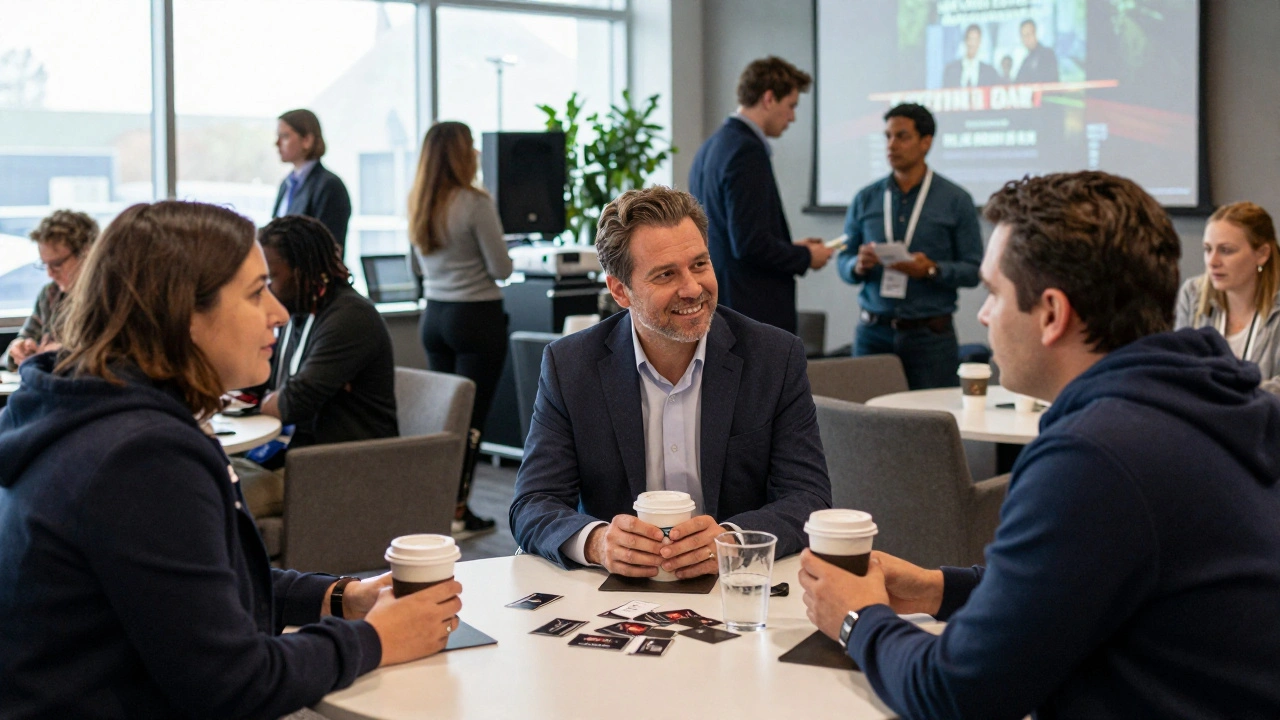
- Film Industry Lounge (Convention Center, Level 3): This is the nerve center. No badge? You’re not getting in. This is where agents, producers, and financiers hang out. Go at 3 p.m. on Tuesday. That’s when the coffee runs out and people start talking.
- “Pitch Perfect” sessions: These are 15-minute slots where filmmakers pitch their next project to a panel of distributors. You don’t need to be selected to attend. Just show up. You’ll hear what investors are looking for right now-usually “high-concept horror,” “female-led thrillers,” or “AI-driven narratives.”
- Netflix, Amazon, and Hulu lounges: They don’t advertise these. But if you know where to look, they’re in the Hilton and the JW Marriott. Look for the unmarked doors with security. Bring a printed one-sheet and a USB drive with your trailer.
Don’t expect to sell your film on the first day. But if you walk away with three meaningful connections-say, a producer who’s looking for horror scripts, a sales rep who handles Latin American rights, and a festival programmer who books indie films-you’ve already won.
How to Network Without Being Pushy
You’re not here to hand out DVDs. You’re here to start conversations.
Here’s what works:
- Ask people what they’re working on next-not what they’ve done. People love talking about their future projects.
- Bring a physical business card. Digital ones? No one remembers them. A simple card with your name, film title (if you have one), and Instagram handle is enough.
- Don’t say, “I made a movie.” Say, “I just finished a 22-minute film about a postal worker who communicates with ghosts through voicemails.” That’s memorable.
- Follow up within 48 hours. Send a LinkedIn message with a link to your trailer and a line like: “Loved your take on genre blending in your last project. Would love to hear your thoughts on mine.”
People at SXSW are tired. They’ve seen 50 pitches this week. Be the one who’s curious, not desperate.
Where to Stay (And How to Save)
Hotels in Austin triple in price during SXSW. The JW Marriott? $800 a night. The Hilton? $750. The Motel 6? Sold out two months ago.
Options:
- Book early-if you’re planning to go, lock in a room by November. Anything after January 15? Good luck.
- Stay outside downtown-East Austin, South Lamar, or even Round Rock. You’ll save $300-$500 a night. Use the free shuttles-they run every 10 minutes.
- Use Airbnb-but only if it’s a whole house. Shared rooms? You’ll be woken up at 6 a.m. by someone pitching their horror script.
- Consider a couchsurfing swap-many locals host filmmakers. Join the SXSW Couchsurfing group on Facebook. It’s legit.
What to Bring
- Comfortable shoes-you’ll walk 15-20 miles a day.
- A portable charger-your phone dies by 2 p.m.
- A printed schedule-apps crash constantly.
- A notebook and pen-no one takes notes on their phone during panels.
- A light jacket-it’s March in Texas, but the AC in the convention center is freezing.
- A USB drive with your trailer, one-sheet, and contact info-always have a backup.
What to Expect That No One Tells You
You’ll get lost. You’ll miss your favorite screening because you got stuck in a 45-minute line for coffee. You’ll see someone you admire and freeze up. You’ll cry at a film no one else liked. You’ll meet someone who changes your career.
That’s SXSW.
It’s not about the red carpets. It’s about the person sitting next to you in the dark, holding their breath during the final scene of a film no studio will touch. And then, when the lights come up, they turn to you and say, “I have to make something like this.”
That’s why people come back.
What Comes After SXSW
Most people think the festival is the end goal. It’s not. It’s the starting line.
If you got a meeting, follow up within 48 hours. If you made a connection, send a thank-you note with a link to your film. If you didn’t get picked up, don’t quit. Use the feedback. Rewrite. Reshoot. Try again next year.
Over 70% of the indie films that got distribution deals in 2024 had their first screening at SXSW. But only 30% of those filmmakers had a completed script before they arrived. The rest? They wrote them in their hotel rooms between panels.
SXSW doesn’t give you success. It gives you the tools, the people, and the push to go build it yourself.



Comments(9)