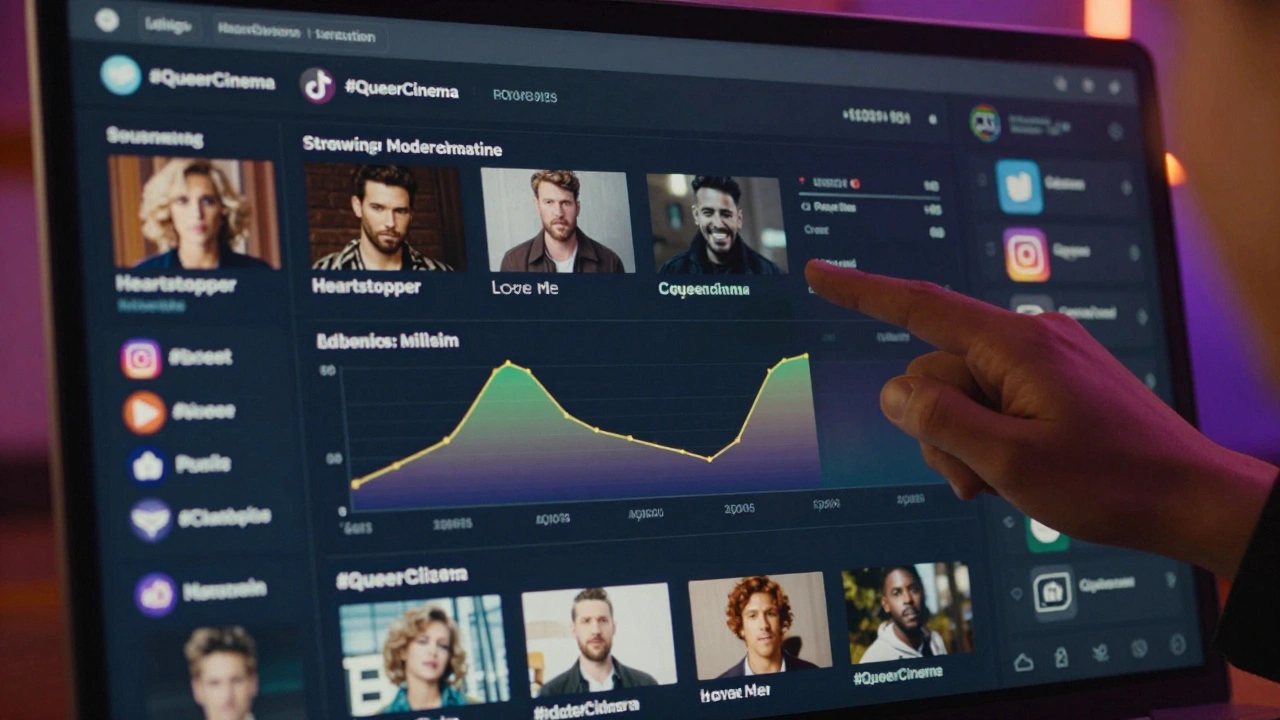
When you think of LGBTQ+ cinema, you might picture heartfelt coming-out stories, vibrant Pride parades on screen, or award-winning performances. But behind every film that finds its way to theaters or streaming platforms is a complex business - one built on data, strategy, and a deep understanding of who’s watching and why. This isn’t just about representation. It’s about revenue, reach, and relationships.
Why LGBTQ+ Cinema Isn’t a Niche Anymore
For years, queer films were treated like side projects - low-budget, festival-only, and rarely marketed beyond LGBTQ+ communities. That changed when studios noticed something simple: audiences were watching. In 2023, LGBTQ+-themed films made up 7% of all box office grosses in the U.S., according to data from the Motion Picture Association. That’s more than double what it was in 2015. And streaming platforms? They’re investing heavily. Netflix spent over $300 million on queer content in 2024 alone, with shows like Heartstopper and films like Love Me hitting over 100 million views each within three months.
Why now? Because LGBTQ+ viewers aren’t just consuming content - they’re demanding it. A 2025 survey by GLAAD found that 68% of Gen Z and millennial viewers actively seek out queer stories, and 52% say they’ll stop watching a platform if it doesn’t offer inclusive content. This isn’t a trend. It’s a shift in consumer behavior.
Who’s Watching LGBTQ+ Films - And How They Find Them
Marketing a queer film isn’t about slapping a rainbow on the poster and hoping for the best. It’s about knowing your audience isn’t one group - it’s many.
- Queer viewers themselves - They’re the core, but they’re not monolithic. A gay man in his 40s in Atlanta has different tastes than a nonbinary teen in Portland. Content that feels authentic to one group can alienate another.
- Ally audiences - These are the people who don’t identify as LGBTQ+ but actively support inclusive storytelling. They make up nearly 40% of viewers for queer films, according to a 2024 study by the University of Southern California’s Annenberg Inclusion Initiative.
- International markets - Countries like Brazil, Germany, and Canada have seen explosive growth in queer cinema demand. In 2024, My Policeman earned more in Germany than in the U.S., despite having a smaller budget.
How do they find these films? Not through traditional ads. Social media is the engine. TikTok hashtags like #QueerCinema and #LGBTQFilmClub have over 2 billion combined views. Instagram reels featuring behind-the-scenes clips from indie queer films get 3x more engagement than mainstream movie trailers. Word-of-mouth, not billboards, drives discovery.
Marketing That Works - And What Doesn’t
Some studios still treat LGBTQ+ marketing like a checkbox. They release a film during Pride Month, run a rainbow-themed ad, and call it a day. But audiences see through that. Tokenism doesn’t sell. Authenticity does.
Take The Last Letter from Your Lover (2024). The studio didn’t just target LGBTQ+ viewers. They partnered with LGBTQ+ book clubs, hosted virtual Q&As with the film’s queer writers, and created a campaign around the theme of “love beyond labels.” They didn’t use Pride colors - they used soft pastels and handwritten typography to reflect the film’s quiet, emotional tone. The result? A 28% increase in ticket sales among viewers over 35 - a demographic often ignored in queer marketing.
On the flip side, Love, Simon’s sequel, Love, Victor (2025), flopped in part because its marketing pushed a “teen romance” angle that felt disconnected from the show’s deeper themes of identity and family rejection. Viewers felt manipulated, not seen.
Here’s what actually works:
- Partner with LGBTQ+ creators and influencers - not just as faces, but as co-creators of the campaign.
- Use community feedback to shape messaging. Let queer audiences tell you what resonates.
- Avoid clichés. No more rainbows on everything. No more “brave” or “inspirational” language. Real stories don’t need hero language.
- Release outside of Pride Month. Queer stories aren’t seasonal. They’re year-round.
The Data Behind the Stories
Marketing decisions are no longer based on gut feelings. Studios now use audience research tools that track:
- Viewing patterns - Are queer viewers bingeing entire seasons? Do they watch more during weekdays or weekends?
- Engagement depth - How long do they watch before skipping? Do they rewatch scenes?
- Demographic overlap - Do LGBTQ+ viewers also watch horror? Rom-coms? Documentaries? This helps cross-promote.
One indie distributor, Strand Releasing, started using a tool called QueerView Analytics in 2023. It tracks not just who watches, but how they interact with trailers. They found that queer viewers over 50 were more likely to click on trailers with dialogue-heavy scenes than flashy montages. So they redesigned their marketing for older audiences - and saw a 40% increase in ticket sales for films like Still Here and My Mother’s Voice.
Where the Industry Still Falls Short
Progress is real, but gaps remain. Most audience research still focuses on cisgender gay men and lesbians. Transgender, nonbinary, and intersex stories are rarely studied - and even more rarely marketed. A 2025 report by the National LGBTQ Task Force found that only 12% of LGBTQ+ films released in the past two years centered trans characters, and even fewer had targeted marketing campaigns.
Also, budget allocation is skewed. Big studios spend 70% of their LGBTQ+ marketing budgets on films with white leads. Films featuring Black, Latinx, or Asian queer characters get less than 15% of the same funding - even when they have identical production values and audience appeal.
And distribution? Many queer films still struggle to get into mainstream theaters. Independent theaters in cities like Atlanta, Minneapolis, and Seattle are often the only places showing these films. Without wide release, they can’t break even.
What’s Next for LGBTQ+ Cinema
The future isn’t just about more films. It’s about smarter systems.
- AI-driven audience mapping - Tools that predict which queer stories will resonate in which regions, based on cultural context, not just demographics.
- Community-owned distribution platforms - Think Netflix, but run by LGBTQ+ filmmakers and critics. Already in testing in Canada and the UK.
- Real-time feedback loops - Apps that let viewers rate how accurately a film portrays their identity - and give studios direct input before release.
One startup, QueerLens, launched in late 2024, lets filmmakers upload early cuts to a private community of LGBTQ+ viewers. They get feedback on everything from dialogue to casting - before a single trailer drops. Over 80% of the films using this tool went on to earn higher audience scores than industry averages.
Queer cinema isn’t just telling stories anymore. It’s building a business - one that’s data-informed, audience-led, and deeply human.
Why do LGBTQ+ films often perform better on streaming platforms than in theaters?
Streaming platforms offer more flexibility in distribution, especially for films with niche or regional appeal. Theaters require expensive marketing campaigns and guaranteed attendance, which studios often avoid for LGBTQ+ films. Streaming, on the other hand, allows for targeted algorithmic recommendations - and viewers can watch privately, which matters for audiences in less accepting areas. In 2024, 73% of LGBTQ+ film viewers reported watching on streaming services because they felt safer or more comfortable doing so.
Do LGBTQ+ audiences really care about marketing campaigns?
Yes - but not in the way traditional marketing assumes. LGBTQ+ viewers are quick to spot performative allyship. A rainbow logo on a soda can won’t win them over. What does? When a campaign is co-created by queer people, uses authentic language, and reflects real experiences. A 2025 study found that 61% of LGBTQ+ viewers said they’d recommend a film if the marketing felt genuine - even if they hadn’t seen it yet.
Are LGBTQ+ films only profitable if they’re romantic or light-hearted?
No. While romantic dramas like Call Me by Your Name do well, audiences are hungry for all kinds of stories. In 2024, horror films with queer leads like They/Them and The Cursed saw 30% higher viewership than expected. Documentaries like Trans in Trumpland and comedies like My Favourite Thing Is Monsters also broke box office records. The key isn’t genre - it’s authenticity.
Why don’t more studios invest in LGBTQ+ audience research?
Many still view LGBTQ+ audiences as too small or too risky. But data shows otherwise. Films with inclusive marketing grow their audience by 20-40% beyond their core demographic. The real barrier isn’t lack of demand - it’s outdated assumptions. Studios that skip research end up misallocating budgets, missing key markets, and alienating viewers who want to see themselves - not stereotypes.
Can small indie films compete with big studio marketing?
Absolutely - if they’re smart. Indie films don’t need big budgets. They need community. A film like Out of My Mind (2023) had a $200,000 budget but earned $2.1 million by partnering with 400 LGBTQ+ nonprofits, hosting free community screenings, and letting viewers share their own stories on social media. The studio didn’t advertise - they activated. That’s how you build a movement, not just a box office.
Final Thought
LGBTQ+ cinema isn’t just about who’s on screen. It’s about who’s behind the camera, who’s in the boardroom, and who’s being asked what they want to see. The most successful films aren’t the ones with the biggest budgets - they’re the ones that listened.






Comments(8)