The Core Essentials
Before we get into the grit of the deals, we need to understand the players. At the center of this ecosystem is the Streaming Acquisition Strategy is the process by which digital platforms identify, bid for, and secure the distribution rights of independent films to grow their library and attract subscribers. This strategy often focuses on high-impact titles that can drive social media conversation or award nominations.
When a film hits a major stage, it's usually represented by a Sales Agent is a professional or company that manages the sale of a film's distribution rights to various territories and platforms. The agent's job is to create a bidding war. If only one streamer is interested, the price stays flat. If Netflix and Apple TV+ are both in the room, the price skyrockets.
Key Takeaways
- Streamers use festivals as a curation tool to find "prestige" content.
- Bidding wars are engineered by sales agents to maximize the price.
- The "clock" starts the moment a film is screened; the fastest bid often wins.
- Deals now focus on "global rights" rather than splitting territories.
The Festival Ecosystem
Not all festivals are created equal. The Sundance Film Festival is an annual independent film and storytelling festival held in Park City, Utah, known for launching indie hits. For streamers, Sundance is the gold mine. It's where they find the raw, edgy stories that appeal to a younger, more diverse audience. Then you have the Toronto International Film Festival (TIFF), which is more about "Oscar bait." If a movie premieres at TIFF and gets a standing ovation, the streamers know it's a safe bet for a wide audience.
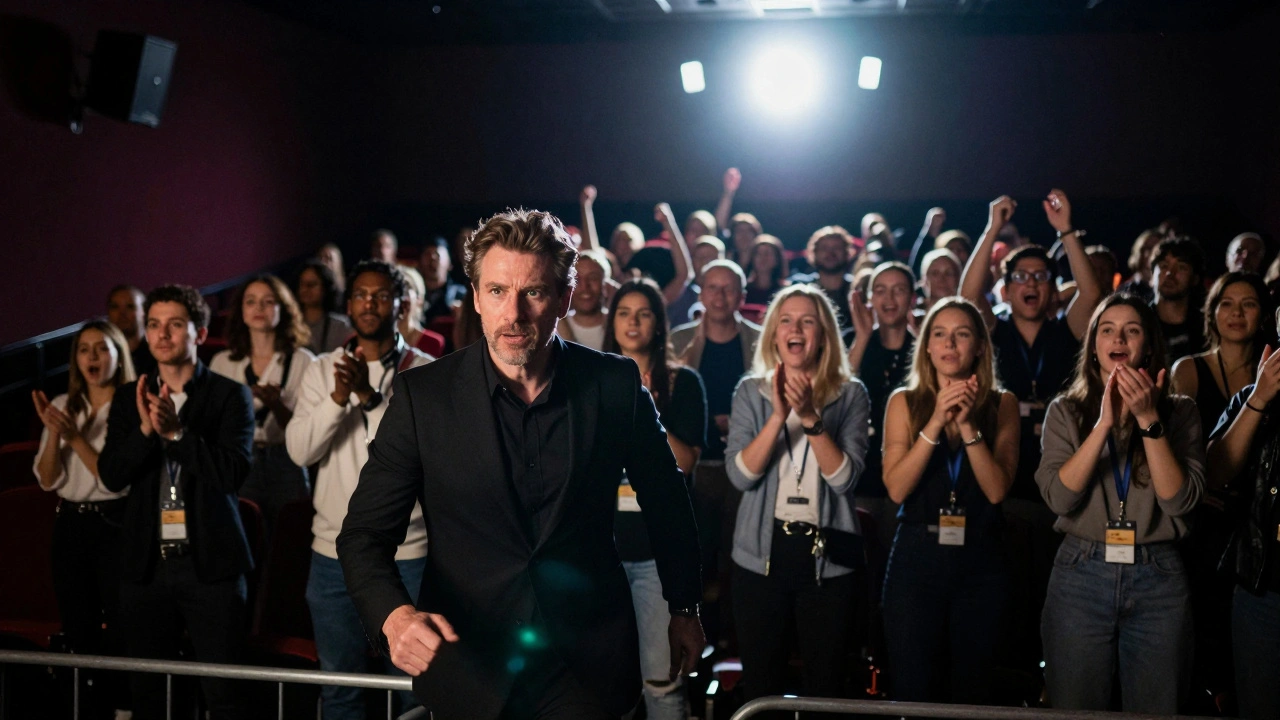
The process usually starts with a "screener." Before the official premiere, a few select buyers get to see the film. This allows them to enter the festival with a pre-set budget. However, the real magic happens during the premiere. If a film "pops"-meaning the audience reaction is electric-the budget can suddenly double. I've seen deals jump from $2 million to $10 million in a single afternoon because of a ten-minute standing ovation.
How the Bidding War Works
The process is less like a corporate merger and more like an auction. The sales agent keeps the buyers in the dark about who else is interested. They'll tell Netflix, "We have a lot of interest from Apple," even if Apple has only sent one email. This creates a sense of urgency.
When a streamer decides they want the film, they make an offer. This offer usually includes a "guarantee" (the upfront payment) and sometimes "back-end" bonuses based on viewership metrics or award wins. Because streamers don't have traditional box office numbers, they use internal data to predict how many new subscribers a film might bring in.
| Feature | Traditional Studio | Streaming Giant |
|---|---|---|
| Payment Structure | Advance + Percentage of Box Office | Large Upfront Flat Fee (Buyout) |
| Distribution Scope | Territory by Territory (e.g., North America, Europe) | Global All-Rights |
| Release Window | Theatrical first, then VOD/DVD | Direct to platform or Limited Theatrical |
| Success Metric | Ticket Sales (Box Office) | Hours Watched / New Sign-ups |
Closing the Deal: The Fine Print
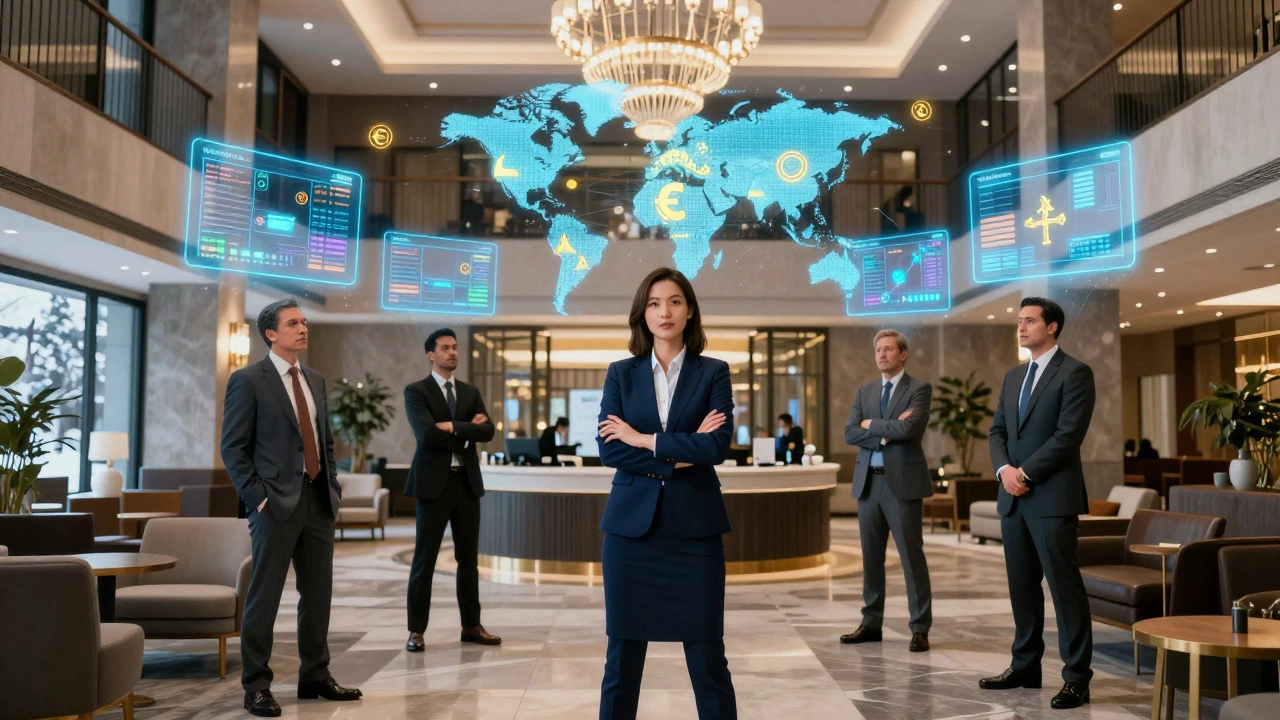
Once the numbers are agreed upon, the legal teams step in. One of the biggest points of contention is the Distribution Rights is the legal permission to exhibit a film in specific formats, regions, or timeframes. In the past, an indie filmmaker would sell the US rights to one company and the UK rights to another. Streamers hate this. They want "Worldwide Rights." They want to be the only place anyone on Earth can watch that movie.
Another critical element is the "Theatrical Window." Some directors insist that their film must play in real cinemas for at least 30 days before hitting the app. This is often a requirement for Academy Awards (Oscars) eligibility, as the Academy has strict rules about theatrical runs. A streamer might agree to a small theatrical release in New York and LA just to check that box, while the real goal remains the digital premiere.
There is also the issue of "Creative Control." A streamer might buy a film but then decide the ending is too depressing for their average user. They might ask for a "director's cut" or a slightly altered version. This is where the tension between art and commerce becomes most apparent. A filmmaker who sells for $15 million might find themselves fighting to keep the original 120-minute runtime against an executive who wants a lean 90-minute version.
The Impact of Data on Acquisitions
Streamers aren't just guessing; they're using massive datasets. They look at the Comparable Titles, which are existing films in their library with similar themes, genres, or cast members. If a streamer sees that "dark psychological thrillers with female leads" have a high completion rate (meaning people actually finish the movie), they will aggressively outbid others for a film that fits that mold.
This has led to a trend where certain genres are overpriced at festivals. If "Quiet Horror" is the trend of the year, every eerie movie at Sundance becomes exponentially more expensive. Conversely, mid-budget romantic comedies-once the bread and butter of indie cinema-often struggle to find buyers because the data shows they don't drive as many new subscriptions.
Pitfalls and Risks for Filmmakers
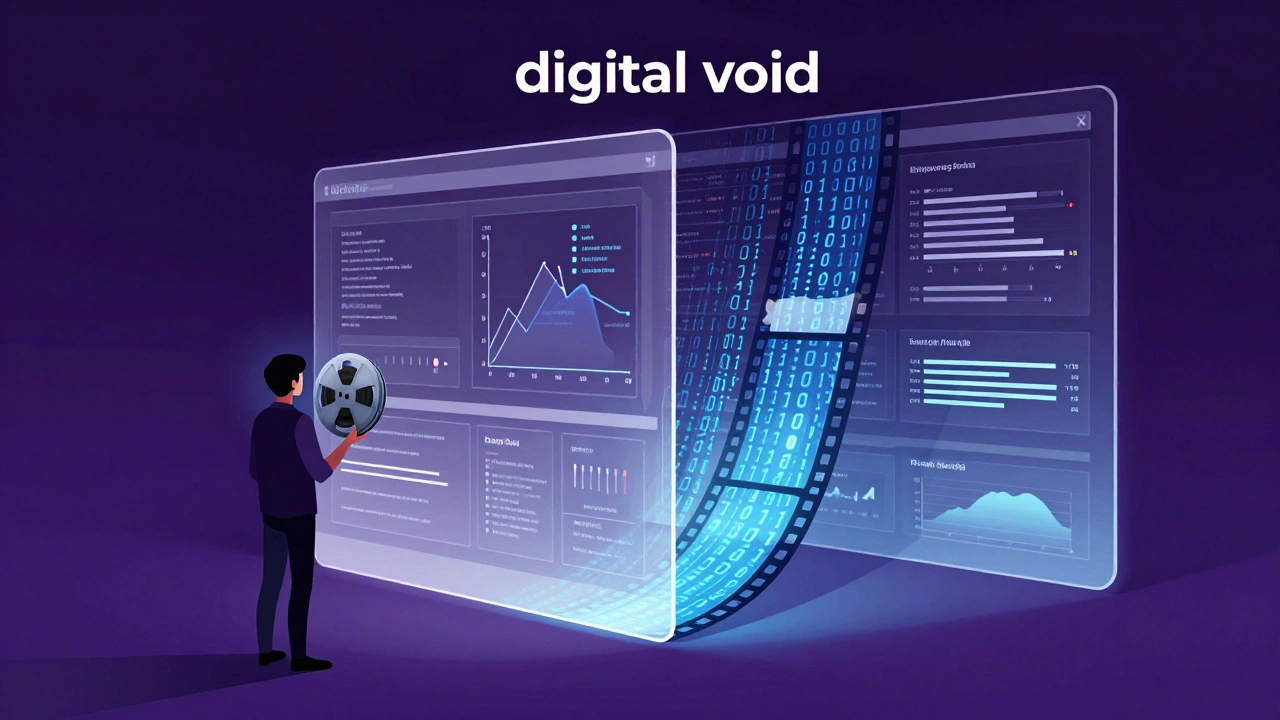
Selling to a streamer is a double-edged sword. On one hand, the money is guaranteed and usually much higher than a traditional theatrical deal. On the other hand, the film can disappear into the "digital void." In the old days, a movie would have a marketing push, a premiere, and a slow burn in theaters. A streaming release can be a massive spike for 48 hours, followed by total silence.
There is also the risk of the "Buyout." Most streamers use a total buyout model. This means the filmmaker gets a big check upfront, but they don't get a penny more, regardless of whether the movie is a global hit or a total flop. If a movie becomes a cultural phenomenon, the filmmaker doesn't see the millions in extra profit; the platform does.
The Future of the Festival Circuit
As we move further into the 2020s, the line between "indie" and "studio" is blurring. We are seeing the rise of the A24 is an independent entertainment company known for its unique aesthetic and curation of prestige indie films. While not a streamer, A24 often acts as the bridge, securing films at festivals and then licensing them to platforms like Hulu or Max. This hybrid model is becoming the gold standard for filmmakers who want both the prestige of a theatrical run and the guaranteed cash of a streaming deal.
We are also seeing a shift toward "pre-emptive deals." Instead of waiting for the festival premiere, streamers are sometimes buying scripts or finished films months in advance. This removes the risk for the filmmaker but kills the excitement of the festival bidding war. The "lobby deal" is becoming a rarity, replaced by Zoom calls and digital contracts signed in the cloud.
Why do streamers pay so much for indie films?
It's all about prestige and growth. Acquiring a critically acclaimed festival hit allows a platform to brand itself as a home for "quality cinema." Moreover, these films often attract a niche, loyal audience that might subscribe specifically to watch that one title, increasing the platform's overall user base.
What is a "Worldwide All-Rights" deal?
This is a contract where the streamer buys every possible way to distribute the film globally. This includes streaming, digital downloads, and sometimes even physical media or television broadcast rights in every country. It prevents the filmmaker from selling the movie to different distributors in different regions.
Does a streaming deal guarantee an Oscar nomination?
Not at all, but it provides the budget for a "For Your Consideration" (FYC) campaign. These campaigns are expensive marketing pushes designed to get the attention of Academy voters. Streamers have the deep pockets necessary to run these ads and organize the required theatrical screenings.
Can a film be sold to multiple streamers?
Generally, no. Most streamers demand exclusivity. If Netflix buys the rights, they don't want the film appearing on Amazon Prime. However, some smaller distributors might license a film to one streamer for a limited window (e.g., two years) before it becomes available to others.
How do sales agents make money from these deals?
Sales agents typically take a commission-usually between 10% and 15%-of the final sale price. Their value lies in their network of contacts and their ability to pit buyers against one another to drive the price up.
Next Steps for Independent Filmmakers
If you're a creator heading into the festival circuit, your priority should be your representation. Don't try to navigate the streaming world alone. A seasoned sales agent knows exactly which executive at Apple or Netflix is looking for "coming-of-age stories" and which one is hunting for "political thrillers."
Additionally, be prepared for the "editing room" stage. If a streamer buys your film, they might want changes to fit their algorithm's preferences. Decide early on how much creative control you are willing to trade for a bigger check. If your vision is non-negotiable, you might be better off with a smaller, traditional distributor who respects the original cut over a streaming giant that views your film as a piece of "content."


Comments(5)