
Most indie filmmakers think their movie will find an audience through film festivals or YouTube. But here’s the truth: if you don’t have an email list, you’re leaving money on the table. Even the best-reviewed indie film from 2024-Small Town Ghosts-made 68% of its $210,000 in revenue from direct email sales, not streaming platforms or theatrical runs. That’s not luck. That’s strategy.
Why Email Is the Only Channel That Belongs to You
YouTube takes your video. TikTok deletes your account. Instagram changes its algorithm overnight. But your email list? That’s yours. No gatekeeper. No fee. No surprise ban. Every subscriber is a person who said, "I want to hear from you," and that’s worth more than any viral moment.
Think about it: you spend months shooting, editing, scoring, and submitting to festivals. Then what? You wait for someone else to decide if your film matters. With email, you control the timeline. You announce your premiere. You offer early access. You sell tickets, merch, or even a digital download before anyone else knows your film exists.
Here’s the hard part: most indie filmmakers don’t start collecting emails until the film is done. That’s too late. You need to start building your list the day you start writing the script.
Where to Find Your First 100 Subscribers
You don’t need a big budget to get your first 100 people. You need a clear ask and a place to put it.
- Behind-the-scenes photos on Instagram Stories? Add a link in your bio that says, "Get exclusive BTS videos when you join the list."
- Facebook groups for indie filmmakers? Don’t just post. Answer questions. Then say, "I’m putting together a weekly email with tips on low-budget distribution-want in?"
- Local coffee shops in Asheville, Nashville, or Austin? Print a QR code on a small card: "Scan to get the first 5 minutes of our film before anyone else."
- Film school alumni networks? Reach out to 10 recent grads. Ask if they’d be willing to join your list in exchange for a free digital copy when it’s ready.
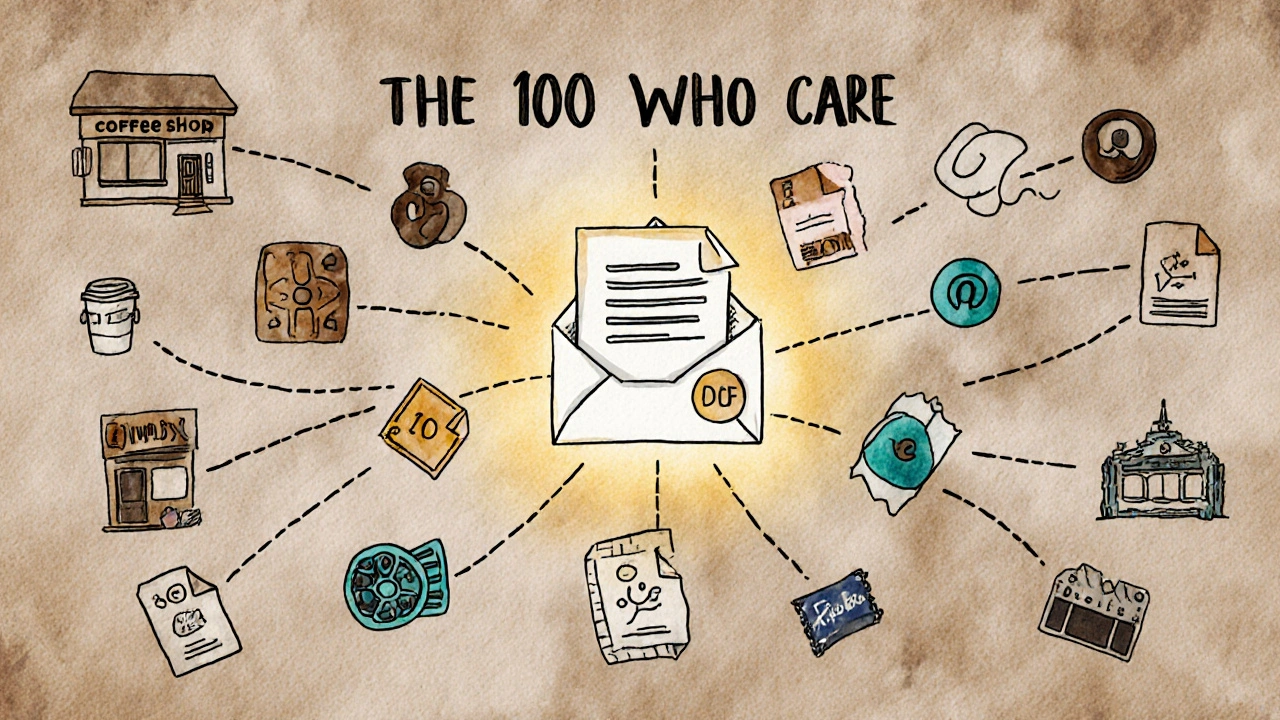
Don’t overcomplicate it. Your first email list doesn’t need 10,000 people. It needs 100 people who care enough to open your emails. Those 100 will tell five friends. Those five will tell ten. That’s how indie films grow.
What to Offer in Exchange for an Email Address
People won’t give you their email for nothing. You need to give them something real.
Here are the three most effective lead magnets for indie filmmakers:
- A free short film or scene - Not the whole movie. Just a 3-minute scene that shows your style. Make it feel like a gift, not a teaser.
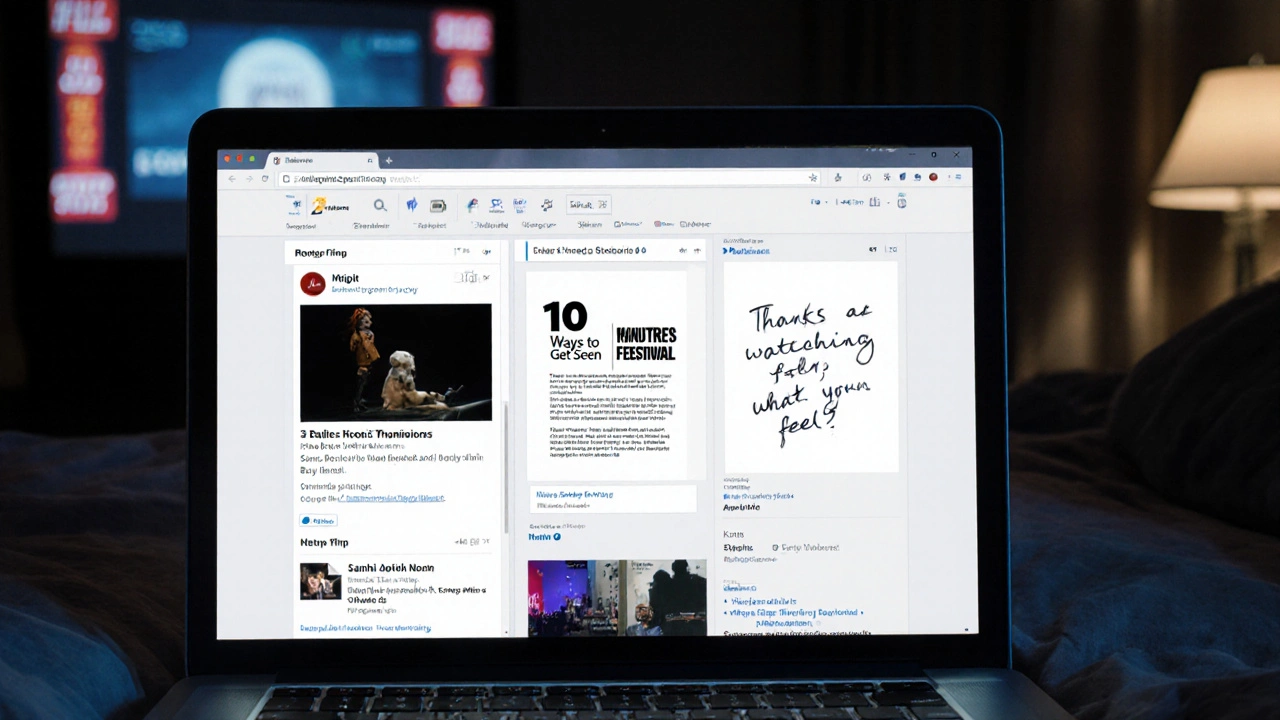
- A downloadable PDF: "10 Ways to Get Your Indie Film Seen Without a Distributor" - Write it yourself. No fancy design needed. Just real, actionable steps.
- Early access to the premiere - "Join the list and get a private link to watch the film 48 hours before it goes public."
One filmmaker, Maya Lin, made a 12-minute animated short called Lost in the Quiet. She offered a free storyboard PDF with her original sketches. She got 217 sign-ups in two weeks. That list turned into 89 ticket sales for her virtual premiere. That’s a 41% conversion rate.
How to Set Up Your Email System (Without Tech Stress)
You don’t need to hire a developer. You don’t need to learn HTML.
Use MailerLite. It’s free for up to 1,000 subscribers. It’s simple. You can build a signup form in 10 minutes. You can send your first email in 15.
Here’s how to set it up:
- Go to mailerlite.com and sign up.
- Click "Create a Signup Form." Pick "Embedded Form."
- Copy the code. Paste it into your website’s About page, or your Instagram bio link tool (like Linktree or Carrd).
- Set up an automated welcome email. Write it like you’re texting a friend: "Hey, thanks for joining. Here’s your free scene. I’ll send you updates every 2 weeks-no spam, just real updates about the film."
That’s it. No complex automation. No drip campaigns. Just a simple welcome and a promise to keep them in the loop.
What to Send (And What Not to Send)
People don’t want your film’s press release. They don’t want your LinkedIn post. They don’t want to hear about your grant application.
They want to feel like they’re part of something.
Here’s what works:
- Behind-the-scenes moments - A 30-second video of your lead actor messing up a line and laughing. That’s gold.
- Real updates - "We got rejected from Sundance. But we’re screening in 3 small towns next month. Here’s where." People respect honesty.
- Personal stories - "This scene was shot in my cousin’s garage. We used a flashlight and a bedsheet. Here’s how we did it."
- Exclusive offers - "First 50 people to reply get a signed poster."
Avoid these:
- Long newsletters
- Links to your IMDb page
- Asking for donations
- Spammy subject lines like "You won’t believe this!"
Send one email every two weeks. That’s enough. More than that? You’re noise. Less than that? You’re forgotten.
Turn Subscribers Into Buyers
Building a list isn’t the end. It’s the start.
When you’re ready to launch your film, here’s how to convert your list:
- Send a "First Look" email - "You’re the first to see the full film. Watch it here."
- Offer a limited-time price - "For the next 72 hours, get the film for $5. After that, it’s $10."
- Include a simple call - "Reply to this email and tell me what you thought. I read every one."
One filmmaker, Derek Ruiz, sold 317 digital copies of his film The Last Bus Home in 48 hours. He didn’t run ads. He didn’t pay influencers. He just emailed his 892 subscribers. 15% bought. That’s a 134% return on the time he spent building the list.
What Happens After the Premiere?
Don’t disappear after your premiere. Your list doesn’t expire.
Keep sending updates:
- "We’re screening at the Portland Film Festival next week. Want a free ticket? Reply with your email."
- "Our film is now on Vimeo On Demand. Here’s a 20% off code just for you."
- "We’re making a sequel. Want to be the first to know?"
One filmmaker kept her list active for 18 months after her debut. She made $12,000 in direct sales from follow-up emails. That’s more than she made from her original festival run.
Final Thought: It’s Not About the Film. It’s About the Community.
Indie film isn’t a product. It’s a conversation. Your email list is the table where that conversation happens.
You don’t need millions of views. You need a hundred people who care enough to reply, to share, to tell their friends. That’s how indie films survive. Not by chasing algorithms. But by building relationships.
Start today. Not when you finish editing. Not when you get into a festival. Now. Open your email tool. Write one line. Send it to one person. That’s how it begins.
Do I need a website to build an email list for my indie film?
No. You can use free tools like Carrd, Linktree, or even Instagram’s bio link to host your signup form. Your email provider (like MailerLite) gives you a link you can paste anywhere. The goal is to make it easy for people to join-not to have a fancy site.
How often should I email my list?
Every two weeks is ideal. More than that, and you risk being ignored. Less than that, and you fade from memory. Keep it consistent. Even if you have nothing big to share, send a short update: "Just finished color grading. Here’s a 15-second clip of the final look."
What if I don’t have a trailer yet?
That’s fine. Use still images, behind-the-scenes photos, or even a handwritten note from the director. People follow people, not polished ads. A photo of your cast eating ramen after a 16-hour shoot is more compelling than a professional trailer at this stage.
Can I use social media instead of email?
Social media is great for visibility, but you don’t own it. If Instagram changes its algorithm or shuts down your account, your audience disappears. Email is the only channel where you control the connection. Use social media to drive people to your email list-not replace it.
How do I know if my email list is working?
Track two things: open rate and click-through rate. If your open rate is above 40% and your click-through rate is above 10%, you’re doing well. If you’re below 25% open rate, your subject lines need work. If you’re below 5% click-through, your content isn’t compelling enough. Test different subject lines and content to improve.






Comments(6)