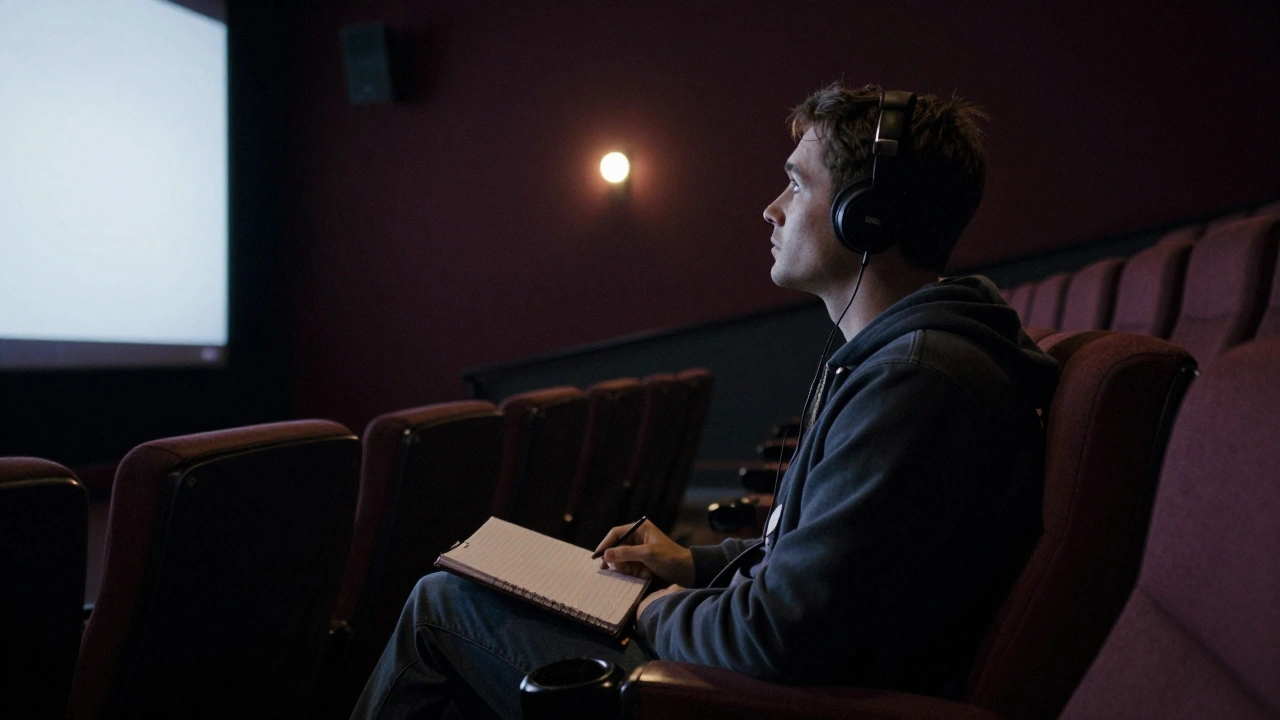
When a film premieres at Cannes, Sundance, or TIFF, critics don’t just watch it-they’re locked in. Not by force, but by contract. An embargo is a silent rule: no reviews, no tweets, no leaks until the official release time. For many, it feels like being handed a masterpiece and told to wait three days before saying a word. But for critics covering these events, it’s not a restriction-it’s part of the job. And doing it right changes how audiences see the movie before it even hits theaters.
Why Embargoes Exist
Embargoes aren’t about control. They’re about fairness. Studios don’t want a single harsh review from a critic who saw the film at 3 a.m. to tank box office numbers before the general public even gets a chance to form their own opinions. They also don’t want spoilers flying across social media before the official marketing campaign launches. The embargo gives everyone-reviewers, marketers, audiences-the same starting line.Most embargoes last 24 to 72 hours after the premiere. Some, especially for major studio releases, stretch to five days. During that time, critics watch the film, take notes, talk to the director, and sometimes even interview cast members. But they can’t publish a word. Not even a hint. Violate it, and you risk losing access to future screenings, press junkets, and sometimes even your press pass.
How Critics Work Under Embargo
The process starts before the screening. Critics arrive early, often with notebooks, laptops, and headphones. They’re given a screening code, a time window, and a strict rule: no recording, no photos, no live-tweeting. After the film ends, they don’t rush to their phones. Instead, they sit in silence. Some take walks. Others sip coffee and stare out the window. This quiet time isn’t laziness-it’s strategy.Writing a review under embargo means you have to hold the entire experience in your head. You can’t just jot down a quick thought like “the score was too loud” and forget it. You have to remember every detail: the lighting shift in scene three, the actor’s pause before the line, the way the camera lingered on an empty hallway. You have to separate your gut reaction from your analytical one. And you have to do it all while knowing the world is waiting for your take.
Some critics use voice memos. Others write bullet points in a private document. A few still use pen and paper, then type it up later. One veteran critic from The Hollywood Reporter told me he writes his entire review in his head during the walk back to his hotel. He doesn’t open his laptop until the embargo lifts. “If I can’t explain it without typing,” he said, “it’s not a real review.”
What Makes a Good Embargoed Review
Not every review written under embargo is good. But the best ones share a pattern. They don’t just say “it’s great” or “it’s boring.” They answer three questions:- What does this film do differently? Is it the structure? The sound design? The way it handles time?
- Who is it for? Is it a niche arthouse piece? A blockbuster with heart? A genre experiment?
- Why does it matter now? Does it reflect a cultural moment? Challenge a norm? Offer a new perspective?
Take Embers of the Sky, which premiered at Sundance 2025. Critics didn’t publish their reviews until 72 hours after the screening. When they finally did, one stood out: “It’s not about the alien invasion. It’s about the silence after the last transmission.” That line went viral-not because it was clever, but because it captured the film’s soul. The reviewer didn’t just describe the plot. They explained why it stuck with you.
That’s the difference between a review and a summary. Embargoed reviews should feel like a conversation you had with someone who saw the same film-but thought deeper.

The Pressure of Timing
The embargo isn’t just about waiting. It’s about timing. Critics have to hit publish exactly when the embargo lifts. Miss the window by ten minutes, and your review gets buried under a flood of others. Hit it too early, and you’re banned.Most outlets schedule their posts for 12:01 a.m. Eastern Time on the release day. That’s when the floodgates open. But here’s the catch: if you’re reviewing a film that premieres in Europe at 10 p.m. local time, your embargo might not lift until 4 a.m. your time. That means some critics are typing at 3 a.m., caffeine in hand, while the rest of the world sleeps.
And then there’s the algorithm. News aggregators, social media bots, and streaming platforms all pull from the first wave of reviews. If your review is the third one published after the embargo lifts, you’re already behind. So many outlets assign teams: one person watches, another takes notes, a third drafts, and a fourth checks grammar. It’s a well-oiled machine.
When Embargoes Break
They don’t always hold. Sometimes, a critic forgets. Sometimes, a leaked clip shows up on TikTok. Sometimes, a studio messes up and sends out screeners early. When that happens, chaos follows.In 2024, a critic for a major outlet accidentally posted a spoiler-filled tweet 12 hours before the embargo lifted. The studio pulled the film from all future screenings. The critic lost their press credentials. The studio apologized-but didn’t restore access. That’s how serious this is.
Even accidental leaks can ruin a film’s momentum. A single negative quote from an early review can kill word-of-mouth before it starts. That’s why studios are so strict. They’ve seen it happen too many times.
What Audiences Miss When Embargoes Are Broken
The real cost of breaking embargoes isn’t to critics. It’s to audiences. When reviews leak early, viewers go into a film with someone else’s opinion already in their head. They watch it looking for confirmation-not discovery.Imagine going to see Embers of the Sky after reading a tweet that says, “The ending ruined everything.” You go in already disappointed. You miss the slow build. You don’t notice the subtle clues in the first act. You don’t let the film breathe. You don’t experience it on its own terms.
That’s why the embargo isn’t just a rule. It’s a gift. It gives audiences the chance to form their own thoughts. It lets critics do their job without pressure. And it protects the art from being reduced to a headline.
The Future of Festival Reviews
As streaming platforms take over, embargoes are changing. Some studios now release films on platforms like Apple TV+ or Amazon Prime the same day as their festival premiere. That means embargoes are getting shorter-or disappearing entirely. Critics are forced to write faster. Some say it’s killing the depth of reviews.Others argue it’s the future. “We’re not in 2005 anymore,” said one editor at Variety. “People want to know if a film is worth their time the second it drops. We adapt or we disappear.”
But the best festival reviews still come from silence. From waiting. From letting the film settle before you speak. That’s why, even in 2026, the most respected critics still follow the rules. Not because they have to. But because they believe in the film too much to rush it.
How to Read Reviews Under Embargo
If you’re a moviegoer, here’s how to use embargoed reviews wisely:- Wait. Don’t check reviews the second the film drops. Give it 24 hours. The first wave is often emotional. The second wave is thoughtful.
- Look for consistency. If three major outlets say the same thing-about pacing, character, or tone-that’s not coincidence. That’s truth.
- Ignore the headlines. The quote on the front page is rarely the full story. Read the whole review.
- Trust critics who’ve covered festivals for years. They know how to separate hype from heart.
The best reviews don’t tell you what to think. They help you think for yourself.
Why do film festivals use embargoes for reviews?
Film festivals use embargoes to ensure fair and balanced exposure. They prevent early reviews from influencing box office performance or public perception before the film’s official release. This gives studios time to launch marketing campaigns and allows audiences to form their own opinions without spoilers or biased previews.
How long do film review embargoes usually last?
Most embargoes last between 24 and 72 hours after the premiere. For high-profile films, they can extend up to five days. The length depends on the studio’s release strategy and whether the film is heading to theaters, streaming, or both.
Can critics talk about the film during the embargo?
Critics can discuss the film in private conversations, with colleagues, or even with friends-but they cannot publish, tweet, post, or share any review content publicly. Even vague comments like “it’s amazing” or “it’s a mess” can be considered violations if they’re tied to the film’s identity.
What happens if a critic breaks an embargo?
Breaking an embargo can result in losing press credentials for future festivals, being banned from studio screenings, and damaging professional reputation. Studios take it seriously because early leaks can hurt box office numbers and marketing efforts. In extreme cases, critics have been blacklisted by major outlets.
Do all film festivals have the same embargo rules?
No. While most follow similar guidelines, rules vary by festival and studio. Sundance and Cannes tend to enforce strict embargoes, while some smaller festivals allow limited commentary. Streaming releases often have shorter or no embargoes. Always check the official press guidelines provided with your credentials.
Watching a film under embargo isn’t just about patience. It’s about respect-for the art, for the audience, and for the craft of criticism. In a world that moves too fast, sometimes the best thing you can do is wait.





Comments(5)