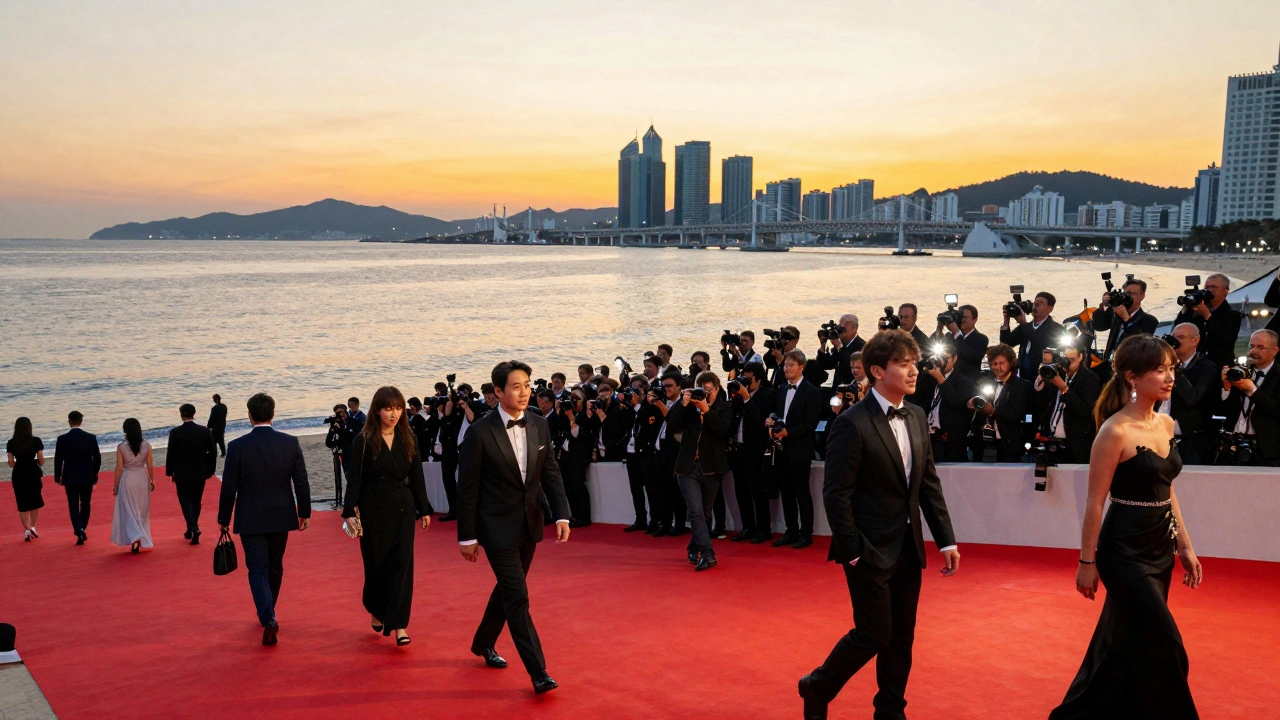
Imagine walking down the red carpet at Gwangalli Beach, with the yellow sunset reflecting off the water and thousands of cameras flashing. This isn't Hollywood. It's not Cannes. It's 2026's version of one of Asia's most vibrant cultural events. The Busan International Film Festival (BIFF) has evolved from a regional showcase into a global powerhouse for Asian cinema. If you are planning to attend, submit a film, or simply understand why this festival matters in the global film industry, you need to know more than just the dates.
BIFF is unique because it balances high-art prestige with massive public accessibility. Unlike festivals that feel exclusive or academic, BIFF invites everyone-from industry veterans to first-time moviegoers-to celebrate storytelling. But navigating the program, understanding the competition categories, and making the most of your trip requires some insider knowledge. Here is everything you need to know about Asia’s premier film showcase.
Why BIFF Matters in Global Cinema
To understand the weight of BIFF, you have to look at its history. Founded in 1996, the festival was created to promote Asian films on the world stage. At a time when Western markets dominated box offices, BIFF provided a platform for voices from South Korea, Japan, China, India, and beyond. Today, it remains one of the few A-list festivals recognized by the Fédération Internationale des Associations de Producteurs de Films (FIAPF).
The festival acts as a launchpad for careers. Many directors who later won Oscars or Pal d'Or got their start here. For example, the rise of Korean cinema in the early 2000s was heavily bolstered by BIFF's commitment to showcasing local talent alongside international features. When you watch a film at BIFF, you aren't just seeing entertainment; you are witnessing the pulse of contemporary Asian culture.
- Cultural Bridge: Connects Asian filmmakers with global distributors.
- Talent Incubator: Launches new directors and actors through its New Currents section.
- Industry Hub: Hosts the Busan Film Market, a major trading post for rights sales.
Understanding the Competition Sections
One of the biggest mistakes newcomers make is assuming all screenings are part of a competition. BIFF divides its programming into distinct sections, each with its own purpose and prestige level. Knowing these differences helps you decide which screenings to prioritize.
| Section Name | Focus | Audience Type |
|---|---|---|
| New Currents | First and second feature films by Asian directors | Industry scouts, critics, cinephiles |
| Wide Angle | International features from around the world | General audience, film lovers |
| Open Cinema | Experimental and avant-garde works | Art enthusiasts, students |
| Korean Cinema Today | Local releases and retrospectives | Local residents, tourists |
The New Currents section is arguably the most prestigious for emerging talent. It offers cash prizes and distribution deals, making it a fierce battleground for debut directors. If you are looking for the next big name in Asian cinema, focus your schedule here. On the other hand, Wide Angle provides a broader view of global trends, often featuring acclaimed European and American films that haven't had wide theatrical releases yet.
The Busan Film Market: Where Deals Happen
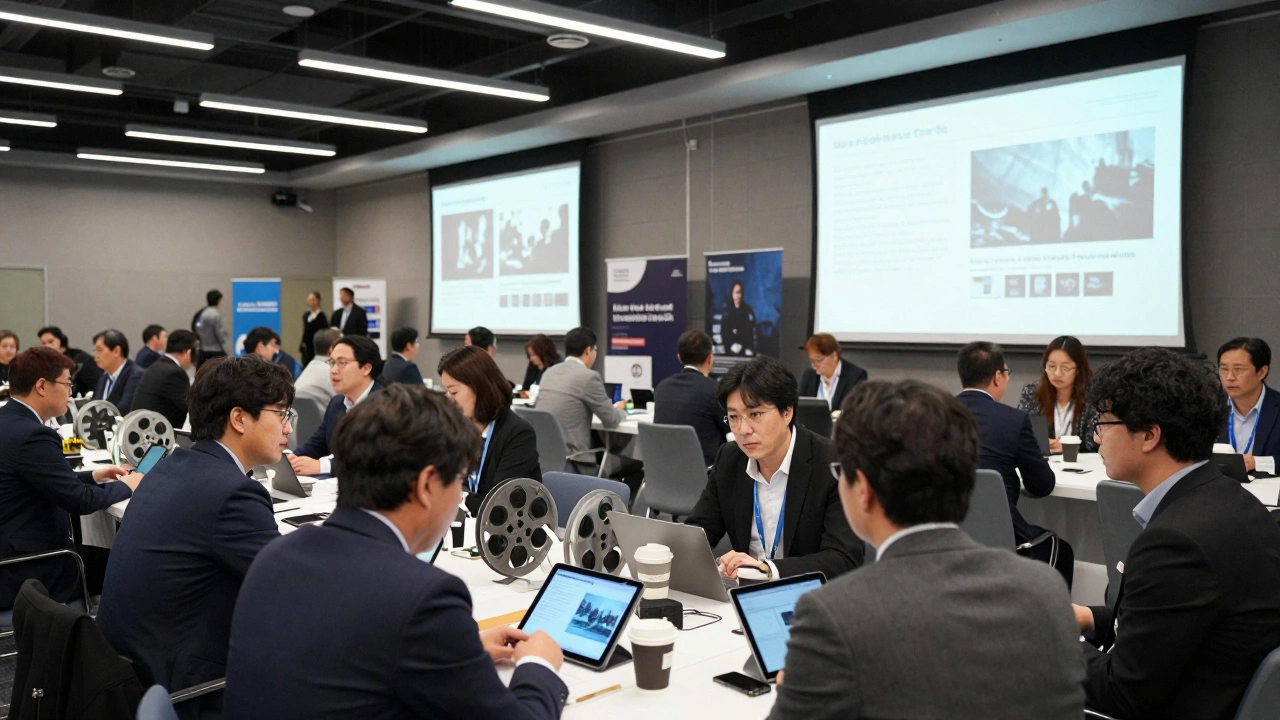
While the screenings draw the crowds, the Busan Film Market (BFM) runs parallel to the festival and serves as the economic engine of the event. Held typically at the BEXCO Convention Center, BFM attracts buyers, sellers, producers, and financiers from over 50 countries.
This is where the business of cinema happens. You will see pitch meetings for upcoming projects, negotiations for distribution rights, and networking sessions between studios and independent producers. For attendees interested in the industry side, BFM offers workshops on financing, co-production opportunities, and digital distribution strategies.
If you are an independent filmmaker, attending BFM can be life-changing. Even if you don't sell a film, the connections made here can lead to collaborations years later. The market emphasizes Asian content but increasingly looks toward cross-border partnerships, especially with Southeast Asia and the Middle East.
Planning Your Visit: Tickets, Venues, and Logistics
Attending BIFF requires careful planning. The festival takes place annually in October, usually spanning ten days. Because tickets sell out quickly-especially for popular screenings-you should register online as soon as the application window opens, often months in advance.
Ticketing Strategy:
- Create an account on the official BIFF website early.
- Prioritize "New Currents" and premiere screenings during the initial release.
- Use the mobile app to check last-minute cancellations and add-ons.
Venues are spread across Busan, requiring some travel logistics. The main hub is the BIFF Square in Jung-gu, home to several large theaters. However, many screenings take place at smaller indie cinemas like Cinecube or university auditoriums. Renting a car or using ride-sharing apps is recommended, though Busan's subway system is efficient for reaching central venues.
Accommodation fills up fast. Hotels near Gwangalli Beach and Haeundae District command premium prices during festival week. Consider staying slightly outside the center or booking hostels well in advance to save money. Many attendees also choose short-term apartments, which offer kitchen facilities and more space for relaxing after long days of screening.
Food, Culture, and Nightlife Beyond the Screen
Busan is not just a film city; it is a culinary destination. The festival coincides with peak tourist season, meaning you can enjoy fresh seafood, street food, and traditional Korean dishes without missing any screenings. Don’t miss Jagalchi Market, where you can eat grilled octopus right off the grill or try raw fish prepared tableside.
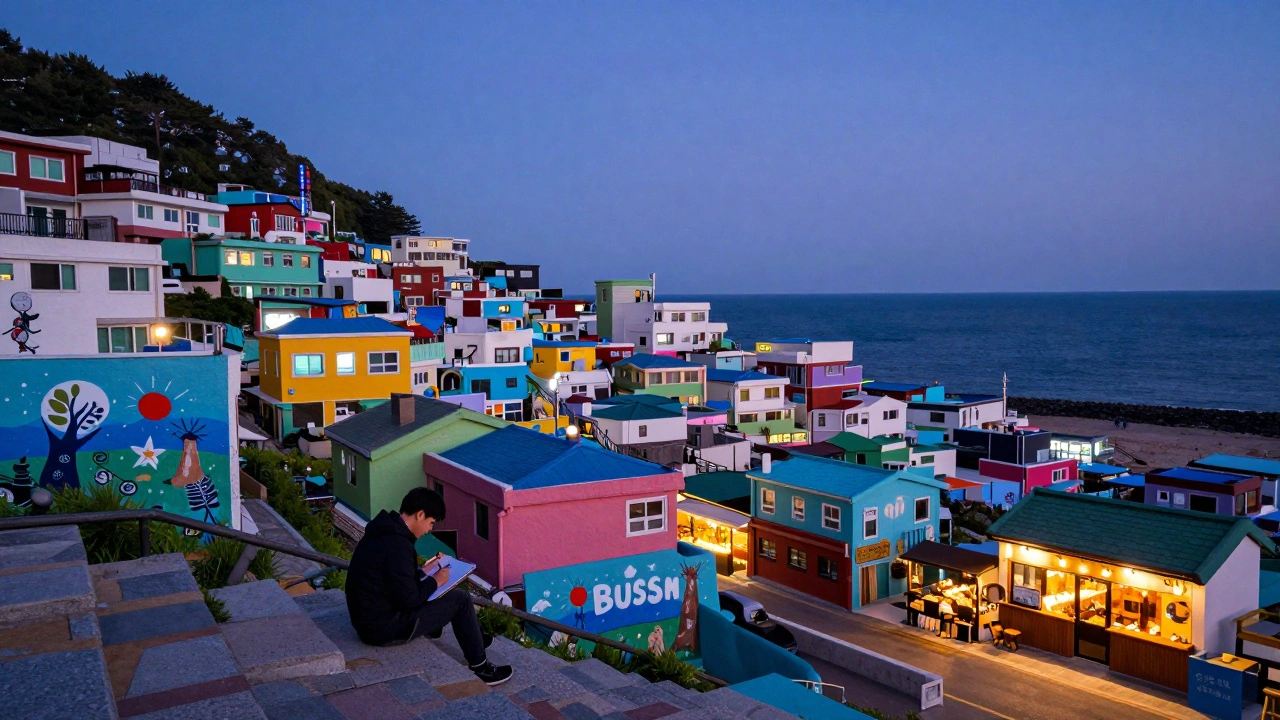
After dark, the city comes alive. Gwangalli Beach hosts outdoor concerts and light shows, while Haeundae offers upscale bars and clubs. For a quieter evening, visit Gamcheon Culture Village, a colorful hillside neighborhood filled with murals, cafes, and art installations. These spots provide perfect backdrops for informal networking with fellow filmmakers and fans.
Festival-goers often combine their trip with visits to nearby attractions like Haedong Yonggungsa Temple, one of the few temples built by the sea. It’s a serene contrast to the bustling festival atmosphere and offers stunning views ideal for reflection-or even inspiration for your next project.
Submitting Your Film: Guidelines and Tips
If you’re considering submitting a film to BIFF, understand that the selection process is highly competitive. The festival receives thousands of entries annually, so standing out requires both quality and timing.
Submission Checklist:
- Ensure your film is completed within the eligibility period (usually January-September of the previous year).
- Provide English subtitles unless the film is in Korean.
- Include a detailed synopsis, director’s statement, and technical specifications.
- Highlight any prior festival screenings or awards.
The jury values originality, cultural relevance, and technical craftsmanship. Films that explore social issues, identity, or historical narratives tend to resonate strongly with BIFF audiences. Also, consider submitting to multiple sections if your work fits different criteria-for instance, a documentary might qualify for both "Documentary" and "Wide Angle" categories.
Even if your film doesn’t get selected, entering BIFF adds credibility to your portfolio. Many festivals reference past submissions when evaluating new entries, so participation itself is valuable.
Future Trends: What’s Next for BIFF?
As we move further into the 2020s, BIFF continues to adapt to changing media landscapes. Streaming platforms now play a significant role in acquisition, and the festival has integrated virtual reality experiences and interactive installations into its programming. In 2025, BIFF launched a dedicated VR pavilion, signaling its commitment to immersive storytelling.
Sustainability is another growing focus. The festival has reduced plastic use, promoted green transportation options, and partnered with eco-conscious vendors. Attendees are encouraged to participate in clean-up initiatives and support local artisans selling handmade goods.
Looking ahead, expect increased emphasis on diversity-not only in terms of gender and ethnicity but also in narrative forms. Short films, animated works, and hybrid genres are gaining traction, reflecting broader shifts in how audiences consume content.
When does the Busan International Film Festival take place?
The Busan International Film Festival typically occurs in October each year, running for approximately ten days. Exact dates vary slightly annually, so check the official website for current schedules.
How do I get tickets to BIFF screenings?
Tickets must be purchased online via the official BIFF website. Registration opens several months before the event, and popular screenings sell out quickly. Use the mobile app to monitor availability and secure last-minute seats.
Is BIFF open to international visitors?
Yes, BIFF welcomes international attendees. Most screenings include English subtitles, and staff members speak multiple languages. Visa requirements depend on your nationality, so plan accordingly.
Can I submit my film to BIFF?
Filmmakers can submit their works through the official submission portal. Eligibility depends on completion date, language, and category fit. Review guidelines carefully and ensure all materials meet technical standards.
Where should I stay during BIFF?
Hotels near Gwangalli Beach and Haeundae District are convenient but expensive. Consider budget-friendly alternatives like hostels or short-term rentals located slightly outside central areas. Book early to avoid shortages.
What makes BIFF different from other film festivals?
BIFF combines artistic excellence with mass appeal. Its beachfront location, inclusive ticketing model, and strong emphasis on Asian cinema create a unique experience unlike more exclusive European festivals.
Does BIFF have a film market component?
Yes, the Busan Film Market (BFM) runs concurrently with the festival. It serves as a major hub for rights sales, pitching sessions, and industry networking, attracting professionals from around the globe.
Are there family-friendly activities at BIFF?
While primarily focused on adult audiences, BIFF includes children’s programming and educational workshops. Some outdoor events and cultural exhibitions are suitable for families visiting Busan.
Whether you're a filmmaker, critic, or casual viewer, the Busan International Film Festival offers something special. It’s a celebration of creativity, connection, and community-all set against the backdrop of one of Asia’s most beautiful cities. Plan ahead, stay curious, and let the stories unfold.