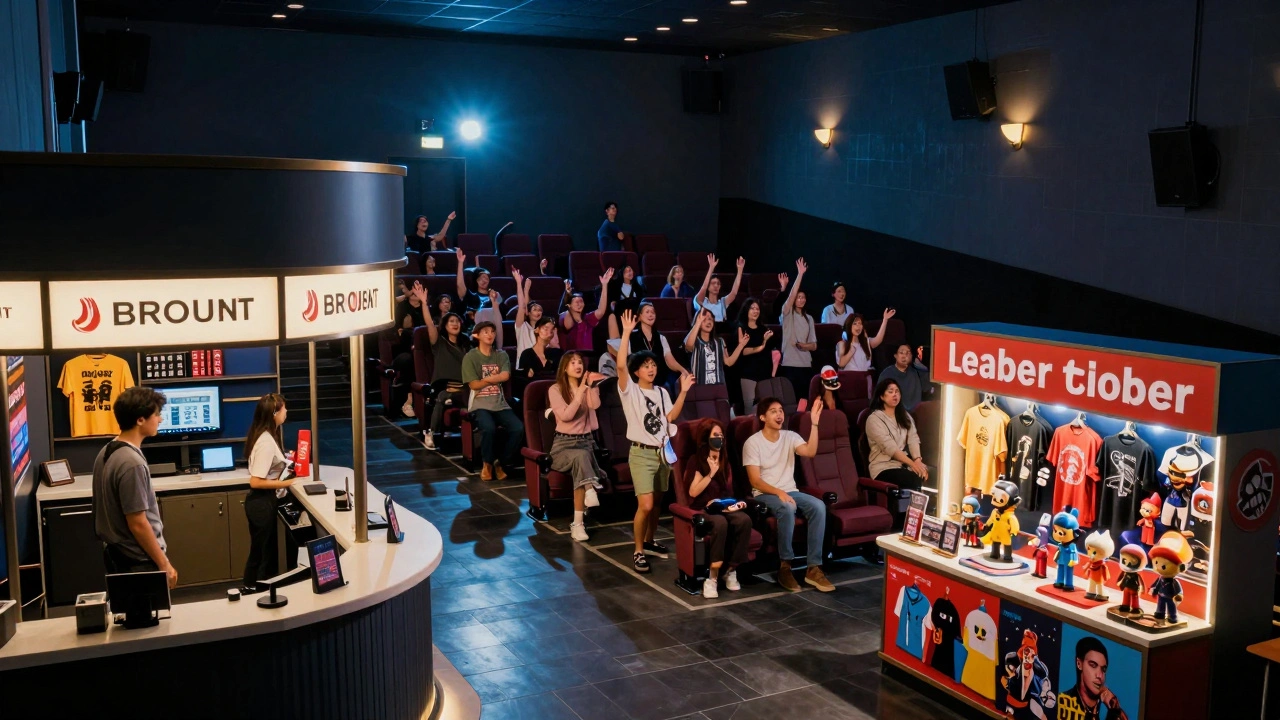
The Myth of the Opening Weekend
Most people think a movie is a hit or a flop based on its opening weekend numbers. We see a headline saying a film made $150 million in three days and assume the studio is printing money. But here is the secret: the ticket sales are often just the advertisement for the actual profit centers. For a massive blockbuster, the box office is the 'loss leader'-a way to build brand awareness so that people will spend money on everything else associated with the film for the next decade.
When a studio looks at a project, they aren't just looking at seat counts. They are looking at ancillary revenue is the total income generated by a film through sources other than direct theatrical ticket sales. This includes everything from the toy in a Happy Meal to the digital rental on your couch. If a movie barely breaks even at the cinema but sells a billion dollars in plastic figures, the studio considers it a massive win.
Key Revenue Streams at a Glance
| Revenue Stream | Primary Driver | Profit Margin | Duration of Income |
|---|---|---|---|
| Box Office | Ticket Sales | Medium (Split with theaters) | Short-term |
| Merchandising | Consumer Products | High (Licensing fees) | Long-term |
| SVOD/PVOD | Subscriptions/Rentals | High | Mid-term |
| Licensing | TV/Airline Rights | Very High | Recurring |
The Power of Product Integration and Merchandising
Think about the last time you saw a kid wearing a shirt with a superhero on it. That child might not have even seen the movie, but the studio is still getting paid. This is where Merchandising is the process of creating and selling branded products based on a film's intellectual property. It's not just about toys. It covers apparel, home decor, and even themed food products. The real magic here is the licensing deal. A studio doesn't usually manufacture the toys themselves; they license the image of the character to a company like Mattel or Hasbro. This means the studio gets a royalty check without taking on the risk of manufacturing or shipping.
Beyond the toys, there is Product Placement is the practice of paying to have a specific brand appear prominently within a film's scenes. When a character drinks a specific brand of soda or drives a high-end electric car, that isn't always a creative choice. Brands pay millions of dollars to ensure their product is associated with the 'cool' factor of a movie. This money often hits the budget before the movie is even released, lowering the financial risk for the producers.
The Shift from DVDs to the Streaming Era
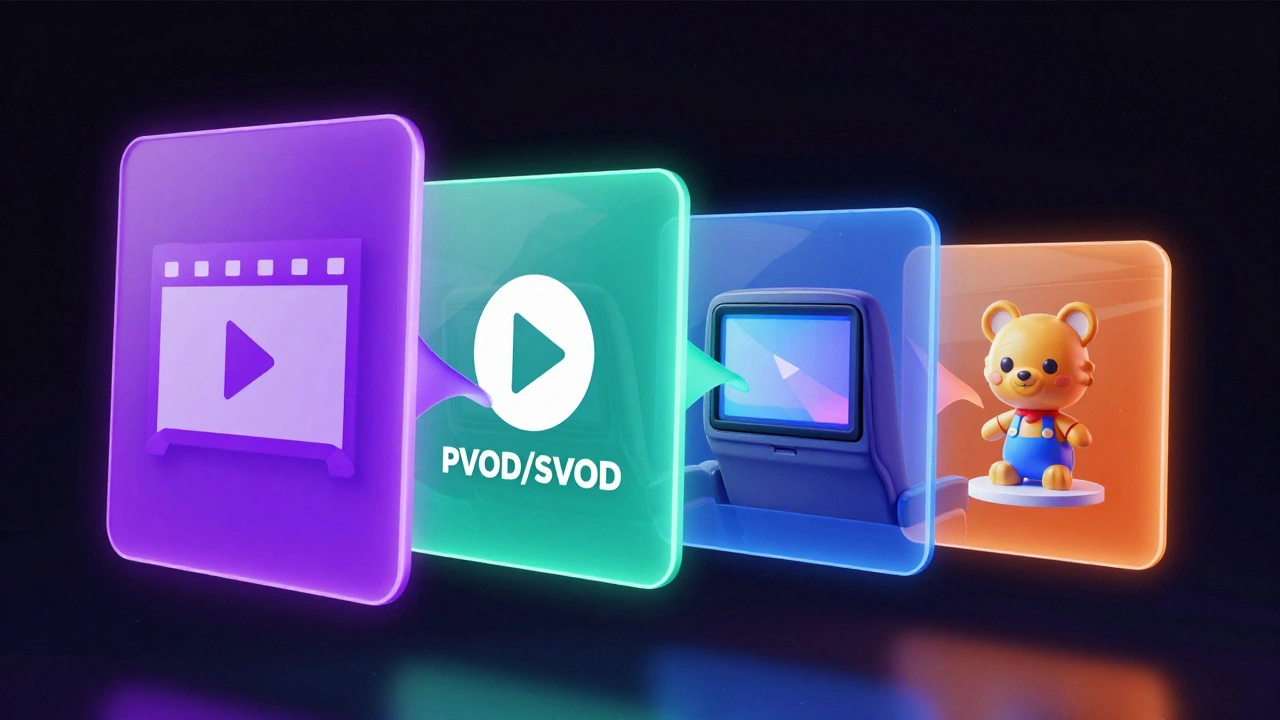
Back in the day, the "Home Video" window was the golden goose. A movie would leave theaters and hit DVD shelves, where the profit margins were astronomical because the cost of pressing a disc was pennies compared to the $20 retail price. Today, that has evolved into PVOD (Premium Video on Demand) and SVOD (Subscription Video on Demand).
PVOD allows studios to charge a premium (often $19.99) to rent a movie while it's still in theaters or shortly after. It's a way to capture the "impulse buy" from people who missed the cinema. On the other hand, SVOD is about the long game. When a movie lands on Netflix or Disney+, it's not just about a one-time fee. It's about driving monthly subscriptions and keeping users locked into an ecosystem. The value of a film in a streaming library is measured by how many new subscribers it attracts and how many existing ones it prevents from canceling.
Licensing: The Quiet Money Maker
While we focus on the big screens and apps, there is a massive world of B2B licensing. Content Licensing is the legal agreement to allow third-party platforms to broadcast a film for a set period. Studios sell the rights to air movies on cable networks, local TV stations, and even airlines. Have you ever wondered why the same five movies are always available on a flight from New York to London? It's because airlines pay a bulk licensing fee to access a library of content.
These deals are often structured as "windows." A film might be exclusive to theaters for 45 days, then PVOD for 30 days, then a premium cable channel for six months, and finally landing on a free-to-air network. Each window represents a fresh injection of cash, meaning the movie is essentially sold four or five times over to the same general audience.
The Role of IP and Franchise Extensions
The most successful modern films aren't just stories; they are Intellectual Property (IP) that serves as a foundation for a larger universe. When a studio builds a "Cinematic Universe," they aren't just making a sequel; they are creating a recurring revenue engine. A single successful film can lead to spin-off series, mobile games, and theme park attractions.
Take Theme Parks as an example. A movie like Avatar or Star Wars becomes a physical destination. Guests pay for tickets to enter the park, then spend more on food, merchandise, and experiences within that themed land. The movie acts as a 2-hour commercial for a theme park ride that will generate revenue for 30 years. This is the ultimate form of ancillary monetization: turning a digital story into a physical, billable experience.

Avoiding the Pitfalls of Over-Monetization
There is a delicate balance between maximizing profit and alienating the audience. When a movie feels like a two-hour commercial, the "brand fatigue" sets in. If every scene features a blatant product placement or if the plot is clearly engineered to sell a specific toy line, the quality of the storytelling suffers. When the story fails, the ancillary revenue usually follows.
Smart studios use a "story-first" approach. They create a world that people genuinely love, and then they let the ancillary products feel like extensions of that world rather than intrusions. The goal is to make the consumer *want* to own a piece of the movie, rather than feeling like they are being sold to. If the audience feels the connection is authentic, they will spend more, and they will do it more often.
What is the difference between box office and ancillary revenue?
Box office revenue refers specifically to the money made from ticket sales at movie theaters. Ancillary revenue includes all other income sources, such as merchandise, streaming rights, DVD/Blu-ray sales, TV licensing, and theme park attractions.
Do studios keep all the money from ticket sales?
No, they typically split the revenue with the cinema owner. In the US, studios might take around 50-60% of the ticket price, while the theater keeps the rest to cover their overhead and profit.
How does streaming affect ancillary revenue?
Streaming has replaced the high-margin physical media market (DVDs). While it provides a steady stream of subscription income and high visibility, it often reduces the "per-unit" profit that studios used to make from individual disc sales.
Why are product placements so common in movies?
Product placements provide an immediate infusion of cash to the production budget. It's a low-risk way for studios to offset the massive costs of filming, especially for high-budget blockbusters.
Can a movie be profitable if it flops at the box office?
Yes. If the film has strong IP, it can recover losses through massive merchandise sales, successful streaming licensing, or by serving as a marketing tool for a theme park or game.
Next Steps for Understanding Film Economics
If you want to dig deeper, start by looking at the quarterly earnings reports of major conglomerates like Disney or Warner Bros. Discovery. Don't just look at the "Studio' depts"; look at the "Parks, Experiences and Products" segment. You'll see that the volatility of the box office is often balanced by the stability of these ancillary streams.
For those interested in the business side, study the concept of "windowing strategies." Watch how a new release moves from theaters to digital rentals to streaming services. Each shift in the window is a calculated move to extract the maximum amount of money from different segments of the audience, from the early adopters who pay $20 for a rental to the casual viewers who watch it on a subscription service six months later.



Comments(7)