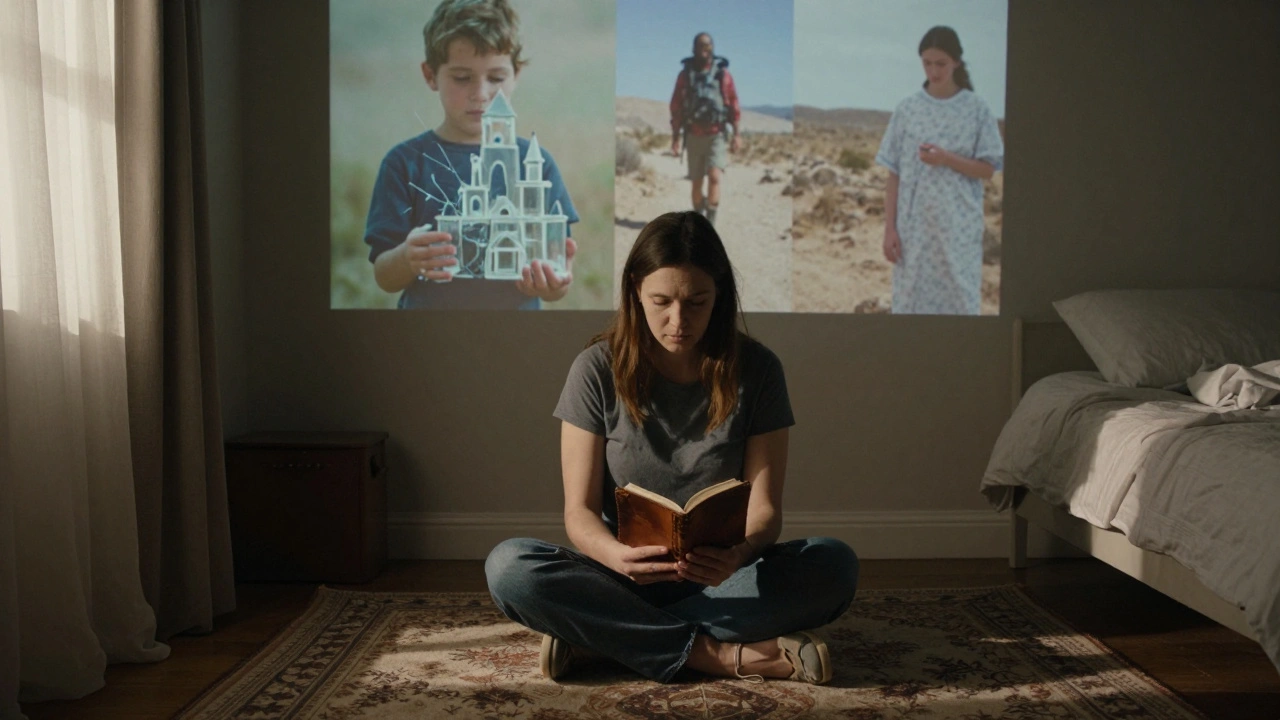
Why do we keep watching real lives turned into movies?
It’s not just about celebrity scandals or tragic endings. There’s something deeper pulling us to films based on memoirs and autobiographies. We want to believe someone lived it, survived it, and wrote it down - and now we’re getting to see it unfold in front of us. From memoir adaptations that break hearts to autobiographical stories that spark movements, these films don’t just entertain. They make us feel like we’ve walked in someone else’s shoes - sometimes barefoot, sometimes bleeding.
The difference between memoir and autobiography (and why it matters on screen)
People mix up memoir and autobiography all the time. But they’re not the same. An autobiography is the full story - birth to now, usually in chronological order, with dates, facts, and a sense of completion. A memoir? It’s a slice. A focused moment. A turning point. Think of it like this: an autobiography is your entire life story in a textbook. A memoir is one chapter that changed everything.
That difference shows up in how films are made. The Glass Castle isn’t about Jeannette Walls’ whole life - it’s about her childhood in poverty, her father’s chaos, and her escape. Becoming, the Netflix film based on Michelle Obama’s book, isn’t a timeline of her political career. It’s about identity, voice, and finding power in silence.
When filmmakers pick a memoir, they’re not trying to cover everything. They’re hunting for emotional truth. And that’s why some of the most powerful adaptations come from memoirs, not full biographies.
How real are these adaptations anyway?
Here’s the uncomfortable truth: almost no memoir adaptation is 100% accurate. Editors cut scenes. Directors compress timelines. Actors interpret emotions differently than the author did. But that doesn’t mean they’re lies. It means they’re interpretations.
Take Wild, based on Cheryl Strayed’s memoir. In the book, she hikes the Pacific Crest Trail alone, carrying a massive backpack, grieving her mother’s death. The film leaves out her drug use during that time. Why? Because the director, Jean-Marc Vallée, wanted to focus on healing, not self-destruction. It’s still true - just filtered through a lens of redemption.
Or look at The Pursuit of Happyness. Chris Gardner’s real story involved months of homelessness with his toddler. The film skips the fact that he was actually living in a subway station bathroom - too dark for a Hollywood ending. Instead, they show him sleeping in a subway station restroom. Close enough. The emotional core? Real.
These aren’t documentaries. They’re emotional translations. And that’s okay. We don’t watch them for facts. We watch them for feeling.
What makes a memoir adaptation work?
Not every true story becomes a great film. Some flop. Some feel flat. Others stick with you for years. What’s the difference?
First, the source material needs a strong emotional arc. Memoirs that work on screen have a clear before-and-after. Think of Boyhood - not a memoir, but a film that feels like one. It shows growth over time. That’s the heartbeat of a good adaptation.
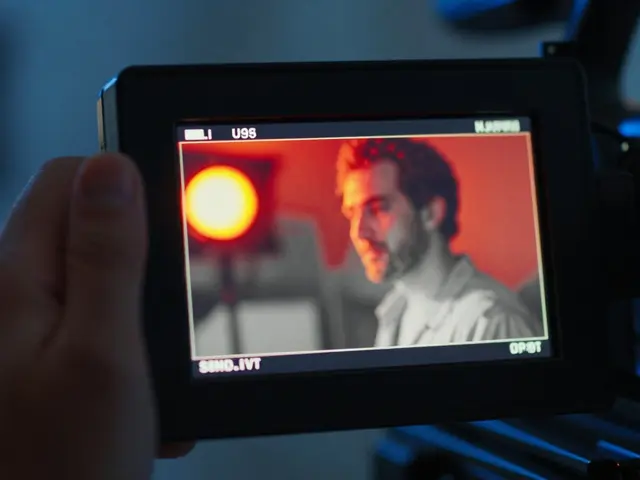
Second, casting matters more than you think. When Reese Witherspoon played Cheryl Strayed in Wild, she didn’t just look like her - she carried the weight. The way she walked, the silence between words, the way she held her backpack - it all came from Strayed’s own descriptions. That’s the magic.
Third, the director has to trust the silence. Real life isn’t full of monologues. It’s pauses. Glances. Hands trembling. Films like Manchester by the Sea - based on real grief - don’t need big speeches. The quiet moments are the ones that break you.
And fourth - and this is rare - the author has to be involved. Not as a consultant. As a collaborator. When Still Alice was made, Lisa Genova, the author and neuroscientist, worked closely with Julianne Moore to make the Alzheimer’s portrayal accurate. Moore didn’t just learn the symptoms. She learned how the disease changes the soul. That’s why the performance won an Oscar.
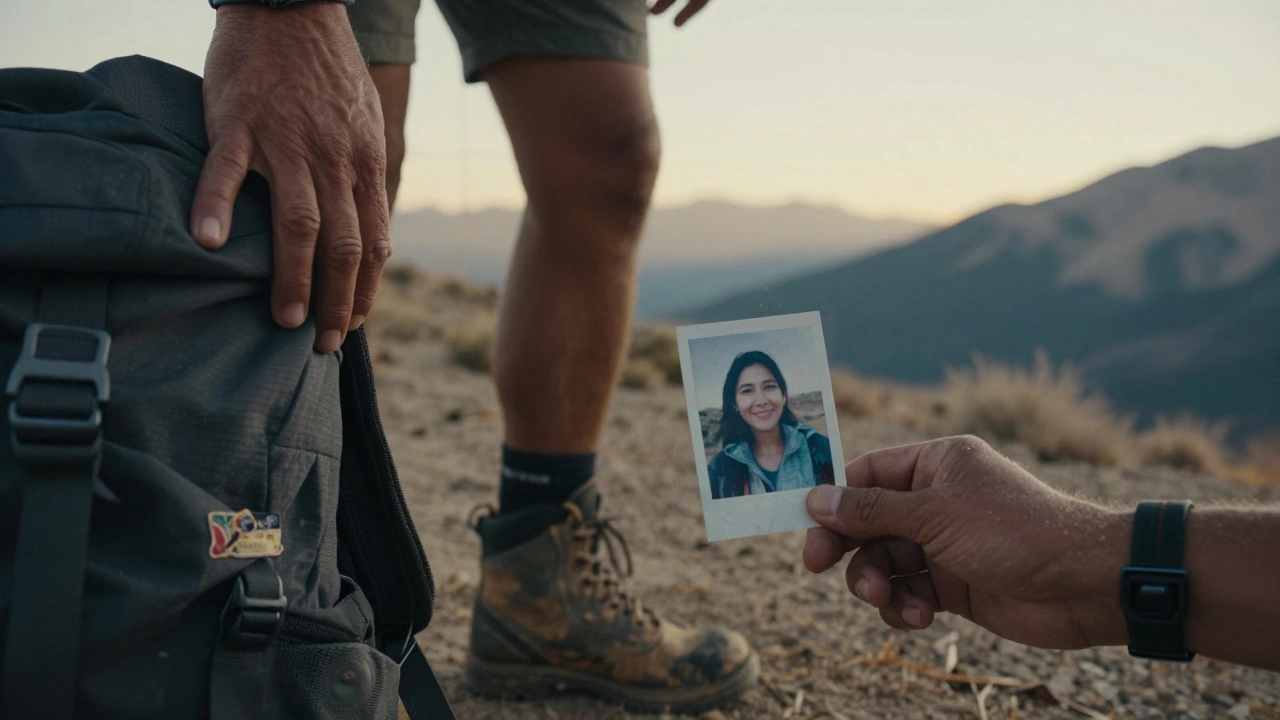
Top memoir and autobiography adaptations of the last decade
Here are the ones that didn’t just get made - they moved people.
- 127 Hours (2010) - Aron Ralston’s memoir of being trapped under a boulder for five days. The film doesn’t flinch. You feel every second of his desperation.
- The Diary of Anne Frank (2023, BBC miniseries) - Not a new book, but a new adaptation that used real diary entries verbatim. No dramatization. Just words, whispered, with haunting visuals.
- My Left Foot (1989, still relevant) - Christy Brown’s memoir of living with cerebral palsy. Daniel Day-Lewis didn’t just act the role - he learned to paint with his foot. The film won two Oscars.
- Little Miss Sunshine (2006) - Not a memoir, but inspired by the real-life journey of a family taking their daughter to a beauty pageant. The absurdity? Real. The love? Real.
- Marriage Story (2019) - Noah Baumbach based it on his divorce. The courtroom scene? Almost word-for-word from his own experience. It’s not a film about divorce. It’s a film about how love unravels without yelling.
These aren’t just stories. They’re acts of courage - the kind that stay with you long after the credits roll.
Why memoir adaptations are rising right now
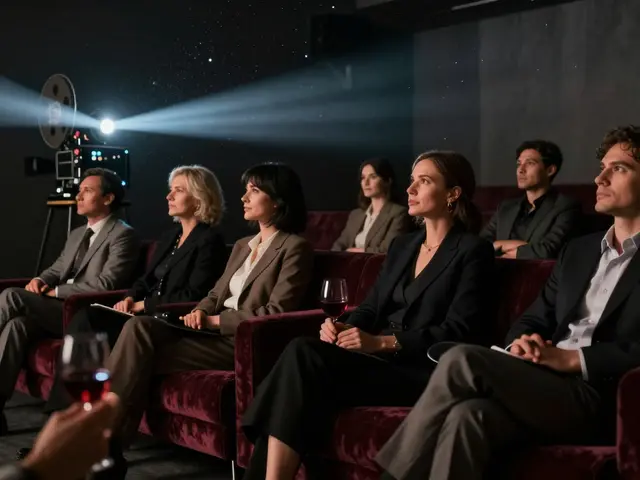
In 2026, we’re more tired of fiction than ever. Streaming platforms are drowning in superhero sequels and fantasy worlds. But audiences are craving something real. Something raw. Something they can touch.
After the pandemic, people didn’t want to escape. They wanted to connect. Memoir adaptations became a bridge. They let us sit with someone else’s pain, joy, confusion, or triumph - without having to live it.
Platforms like Apple TV+ and Netflix are pouring money into these projects. Why? Because they perform. My Name Is Lucy Barton (2020) got a 98% rating on Rotten Tomatoes. My Brilliant Friend - based on Elena Ferrante’s autobiographical novels - became a global phenomenon. Even in Italian, with subtitles.
And it’s not just Western stories. My Name Is Salma (2024), based on a Palestinian woman’s memoir of imprisonment, became the most-watched non-English film on Netflix that year. Real stories don’t need translation. They need truth.
What happens when the author disagrees with the film?
It happens more than you think. Sometimes, the author loves the film. Sometimes, they hate it.
After The Girl on the Train came out, Paula Hawkins said the movie missed the point. The book was about memory and self-deception. The film turned it into a thriller. She didn’t sue. She just stopped talking about it.
But then there’s Midnight in the Garden of Good and Evil. The author, John Berendt, was so unhappy with the film version that he refused to promote it. He said they turned Savannah into a cartoon. The real people? They didn’t even recognize themselves.
That’s the tension. The filmmaker wants drama. The author wants truth. The audience wants both. And sometimes, you can’t have them.
But here’s the thing: the audience doesn’t always side with the author. They side with the emotion. If the film makes you cry, or rage, or feel less alone - that’s what matters.
Where to find the best memoir adaptations
Forget the Oscar lists. The best memoir adaptations aren’t always the most famous.
Check out Criterion Channel for older gems like Before Night Falls (2000), based on Reinaldo Arenas’s memoir of living as a gay man under Castro’s regime. Or HBO Max for My Name Is Lucy Barton - quiet, devastating, and perfect.
Amazon Prime has a growing section called “True Voices,” featuring lesser-known memoirs turned into short films. One called How I Got Over - about a Black woman raising five kids while working three jobs - was made by her granddaughter. No studio. No budget. Just a phone, a laptop, and a story that needed to be told.
And don’t overlook documentaries that feel like memoirs. My Octopus Teacher isn’t based on a written memoir - but it’s told like one. Personal. Intimate. Honest.
What you should watch next
If you’re looking for your next memoir adaptation, start here:
- Running With Scissors - Dark, funny, and disturbing. Based on Augusten Burroughs’s chaotic childhood.
- Love & Mercy - Two actors play Brian Wilson at different ages. One captures the genius. The other, the breakdown.
- Black Swan - Fictionalized, but inspired by Nina Krasavina’s memoir of ballet obsession.
- The Last Days of Left Eye - A documentary about Lisa “Left Eye” Lopes, told through her own diaries. Raw. Real. Unfiltered.
- Girl, Interrupted - Still one of the most accurate portrayals of mental illness in film, based on Susanna Kaysen’s 1993 memoir.
These aren’t just movies. They’re invitations - to listen, to feel, to remember your own story.
Why this matters beyond entertainment
When we watch a memoir adaptation, we’re not just consuming content. We’re witnessing testimony. We’re honoring someone who said, “This happened to me. And I’m not ashamed.”
These films give voice to people society ignores - survivors, addicts, immigrants, the mentally ill, the overlooked. They turn private pain into public empathy.
And in a world where so much feels fake - AI-generated content, curated social media, polished influencers - real stories are a rebellion. They remind us that truth, even when messy, still has power.
So the next time you see a title like “Based on a True Story,” don’t just click play. Lean in. Listen. Because somewhere, someone wrote their pain down - and now, you’re being asked to carry it, just for a little while.
Are memoir adaptations more accurate than biopics?
Usually, yes. Memoirs are written by the person who lived the experience, so they carry firsthand details, emotions, and context that biopics often miss. Biopics are made by outsiders who piece together facts from interviews, archives, and speculation. Memoirs give you the inner voice - the doubts, fears, and small moments that biopics can’t replicate.
Why do some memoir adaptations change names or locations?
Legal reasons, mostly. If the memoir mentions real people who could be harmed or sued, filmmakers change names, locations, or even combine characters. It’s not deception - it’s protection. For example, The Glass Castle changed the spelling of some family names to avoid legal issues, even though the story stayed true.
Can a fictional story be mistaken for a memoir adaptation?
Yes - and it’s happened before. A Million Little Pieces was marketed as a memoir but later revealed to be mostly fiction. The backlash was huge. Audiences feel betrayed when something labeled “true” turns out to be invented. That’s why publishers and studios now require stricter verification for memoir-based films.
Do memoir adaptations always need the author’s approval?
No. Rights can be bought without the author’s involvement. But films made without the author’s input often miss the emotional core. The best adaptations - like Still Alice or Wild - involved the author in early discussions. Their insight shaped how the story was told.
Are memoir adaptations better than original screenplays?
Not better - just different. Original screenplays have more creative freedom. Memoir adaptations have more emotional weight. One can be wildly imaginative. The other can make you cry in a theater full of strangers. Both have value. The best ones - whether true or invented - make you feel something real.



Comments(10)