The Spark That Lit the Fuse
It started with a single paragraph. Not a blockbuster explosion, not a leaked script, but a three-hundred-word critique of The Silent Echo, a mid-budget sci-fi thriller that premiered in late October 2025. The review gave the film two stars out of five, calling its pacing "sluggish" and its protagonist "emotionally vacant." For most movies, this would be the end of the story. A bad review gets buried under thousands of others. But The Silent Echo was different. It had a cult following before it even opened in theaters. And the reviewer? He was Marcus Thorne, a veteran critic known for his sharp, often polarizing takes on independent cinema.
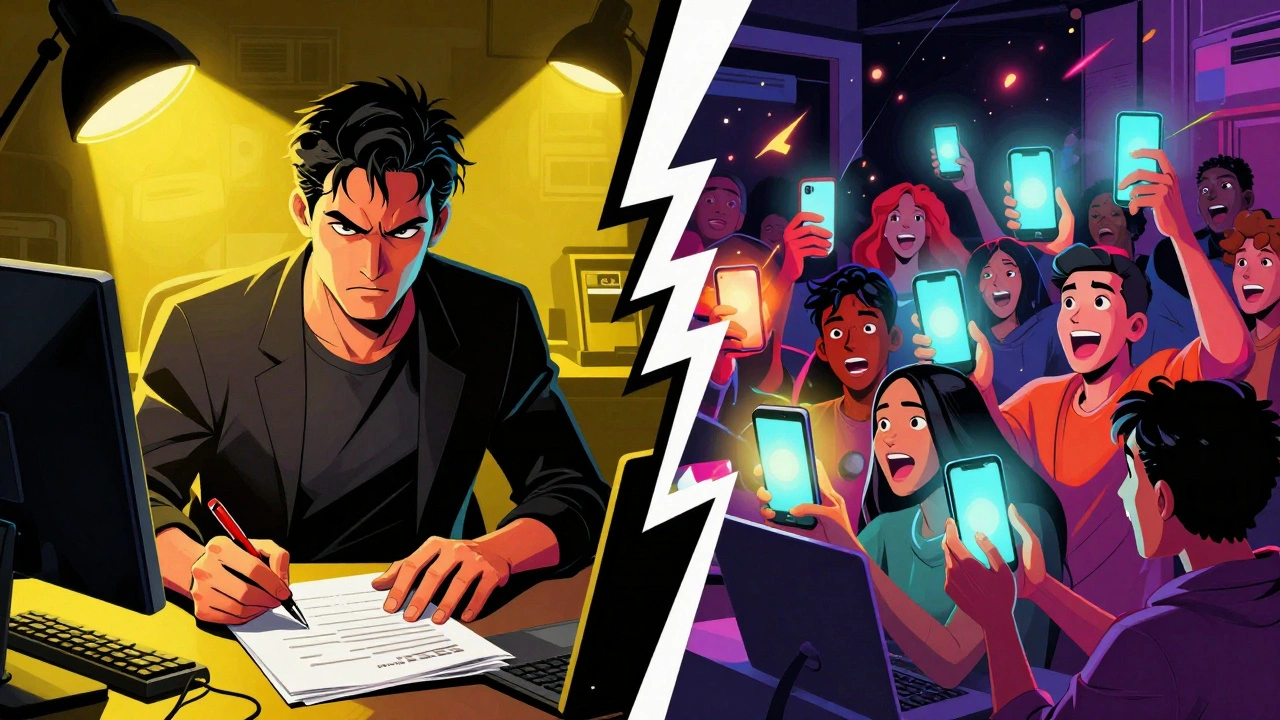
Within forty-eight hours, the internet caught fire. Fans didn't just disagree; they organized. They flooded social media platforms, created trending hashtags, and demanded accountability from the publication that published the review. What followed wasn't just a backlash-it was a full-blown industry debate about who owns the right to judge art. Was Thorne exercising his professional opinion, or was he unfairly penalizing a film for failing to meet mainstream expectations? This case study isn't just about one movie. It’s about the shifting power dynamics between critics, audiences, and studios in the modern era.
The Anatomy of a Backlash
To understand why this specific review caused such a massive reaction, we need to look at the numbers. Rotten Tomatoes, the dominant aggregator for film reviews, showed a stark divide. The "Tomatometer" (the score based on professional critics) sat at a mediocre 42%. However, the "Audience Score" hovered near 89%. This gap is common, but usually, it’s subtle. Here, the chasm was wide enough to drive a truck through.
Fans argued that Thorne missed the point entirely. They claimed the slow pacing was intentional, designed to build tension in a world where silence is dangerous. They cited scenes that resonated deeply with them, pointing out thematic parallels to real-world isolation issues. Critics, however, doubled down. They argued that intent doesn't excuse poor execution. If a movie feels boring, it is boring, regardless of the director's vision. This clash highlighted a fundamental shift in how we consume criticism. In the past, critics were gatekeepers. You read their take, you decided if you agreed, and you moved on. Today, criticism is a conversation-and often, a battle.
- Critic Consensus: Focused on technical flaws, narrative structure, and acting performances.
- Audience Consensus: Focused on emotional resonance, thematic depth, and character relatability.
- The Gap: A 47-point difference, which is statistically significant and rare for non-franchise films.
This disparity forced publications to step into the ring. Editorials appeared debating whether critics should consider audience reception when writing their initial reviews. Should a critic ignore the buzz? Or should they acknowledge that a film might work for some viewers even if it fails technically? There is no easy answer, and that ambiguity fueled the fire.
The Role of Social Media Amplification
Social media acted as the accelerant. Platforms like X (formerly Twitter) and TikTok allowed fans to bypass traditional media channels. They didn't wait for a counter-review in a newspaper. They created video essays, memes, and threads dissecting Thorne's review line by line. Some arguments were valid critiques of his bias. Others were personal attacks, threatening his safety and livelihood. This toxic element cannot be ignored. The debate quickly morphed from "Is the movie good?" to "Should critics be protected from online harassment?"
Studios watched this unfold with bated breath. Neon Studios, the distributor behind The Silent Echo, initially stayed silent. Then, they released a statement supporting the creative team but urging respectful discourse. It was a delicate dance. Acknowledging the fans meant validating their anger at the critic. Ignoring the fans meant risking box office revenue. In the end, the controversy likely helped the film. Box office returns for The Silent Echo exceeded projections by 30% in its second weekend, driven largely by curiosity seekers wanting to see what all the fuss was about.
Ethical Boundaries in Criticism
This incident raised serious questions about journalistic ethics. Is a critic’s job to reflect popular opinion, or to challenge it? The Society of Professional Journalists has long maintained that criticism must be independent and unbiased. However, the definition of "bias" is increasingly contested. Fans accused Thorne of elitism-of dismissing a film because it didn't adhere to Hollywood conventions. Thorne argued that holding films to high standards is essential for the art form to evolve. If everything is praised for being "fun" or "relatable," where is the push for innovation?
Let’s look at the specifics. Thorne criticized the third act for relying on exposition dumps rather than visual storytelling. This is a standard technical critique. Yet, fans interpreted this as an attack on the genre itself. Sci-fi often uses exposition to explain complex worlds. By labeling it a flaw, did Thorne show a lack of understanding of the genre, or did he correctly identify lazy writing? These are subjective interpretations, but they highlight the difficulty of objective criticism. There is no universal metric for quality. One person’s masterpiece is another person’s mess.
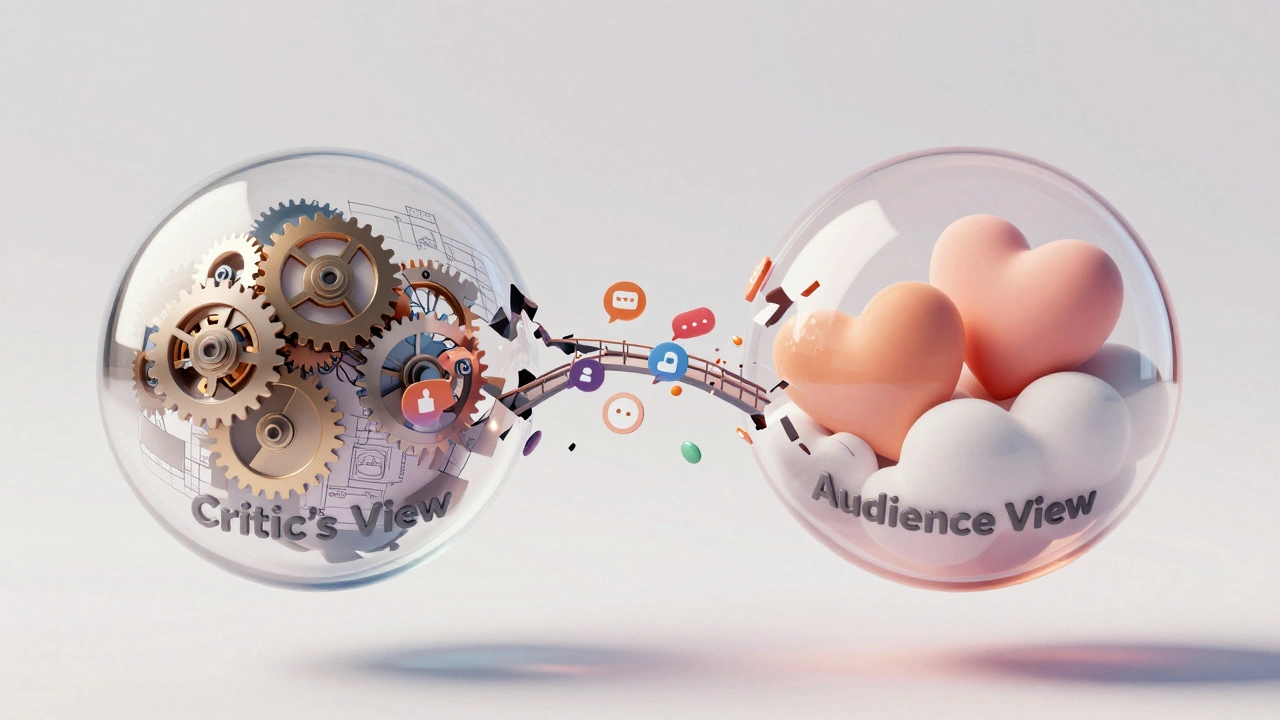
| Aspect | Critic View (Thorne) | Audience View (Fans) |
|---|---|---|
| Pacing | Too slow, loses momentum | Deliberate, builds atmosphere |
| Protagonist | Emotionally distant, hard to connect | Realistic portrayal of trauma |
| Ending | Relies on dialogue over visuals | Satisfying closure to complex plot |
| Genre Fit | Fails sci-fi tropes | Innovates within sci-fi |
This table illustrates the core disconnect. Both sides saw the same elements but interpreted them through completely different lenses. For critics, the lens is craft. For audiences, the lens is experience. Neither is wrong, but they are incompatible in a direct comparison.
Impact on Future Reviews
So, what changed? Did this dispute alter how critics write? Early signs suggest yes. Several prominent outlets have introduced disclaimers acknowledging that reviews represent individual opinions and may not align with audience preferences. Some critics have begun engaging more directly with readers, hosting live Q&A sessions after major releases to explain their reasoning. This transparency helps demystify the process and reduces the likelihood of misinterpretation.
However, there is also a risk of self-censorship. Will critics avoid negative reviews for fear of backlash? Or will they lean harder into contrarian takes to prove their independence? The industry is still finding its footing. Metacritic and other aggregators are monitoring these trends closely, adjusting algorithms to better contextualize score disparities. The goal is not to eliminate disagreement but to frame it constructively. We need to move away from "good vs. bad" binaries and toward nuanced discussions about why a film works for some and not for others.
Lessons for Creators and Consumers
If you are a filmmaker, this case study offers a clear warning: prepare for polarization. No matter how carefully you craft your message, someone will misunderstand it. Engage with your audience early and often. Explain your intentions without being defensive. Build a community that understands your vision before the critics do.
If you are a viewer, take criticism with a grain of salt. Read multiple reviews. Look for patterns. If one critic hates a film but everyone else loves it, ask yourself why. Is the critic biased? Or are you missing something? Don’t let online mobs dictate your taste. Watch the film yourself. Form your own opinion. That is the ultimate power of cinema-it lives in the mind of the viewer, not just the words of the reviewer.
The debate surrounding The Silent Echo will fade. New movies will come, new controversies will arise. But the underlying tension remains. Who decides what is good? The experts? The masses? Or is it a collaborative effort, messy and imperfect, that defines our cultural landscape? For now, the answer is unclear. And that uncertainty keeps the conversation alive.
Why did the review of 'The Silent Echo' cause such a big reaction?
The reaction was intense because of the massive gap between the critic score (42%) and the audience score (89%). Fans felt the critic misunderstood the film's intentional slow pacing and emotional themes, leading to a coordinated online defense of the movie.
Who is Marcus Thorne?
Marcus Thorne is a well-known film critic recognized for his sharp and often controversial reviews of independent and niche cinema. His reputation for uncompromising standards made his negative review particularly impactful.
Did the controversy help the movie's box office?
Yes, box office returns for 'The Silent Echo' increased by approximately 30% in its second weekend. The controversy generated significant curiosity, drawing in viewers who wanted to see the film for themselves despite the negative press.
What is the main difference between critic and audience reviews?
Critics typically focus on technical aspects like pacing, acting, and narrative structure. Audiences often prioritize emotional connection, thematic resonance, and entertainment value. This leads to different interpretations of the same film elements.
How can filmmakers handle negative reviews effectively?
Filmmakers should engage transparently with their audience, explaining their creative choices without being defensive. Building a strong community before release can also provide a buffer against harsh criticism.