The Great Pivot from Dystopia to Realism
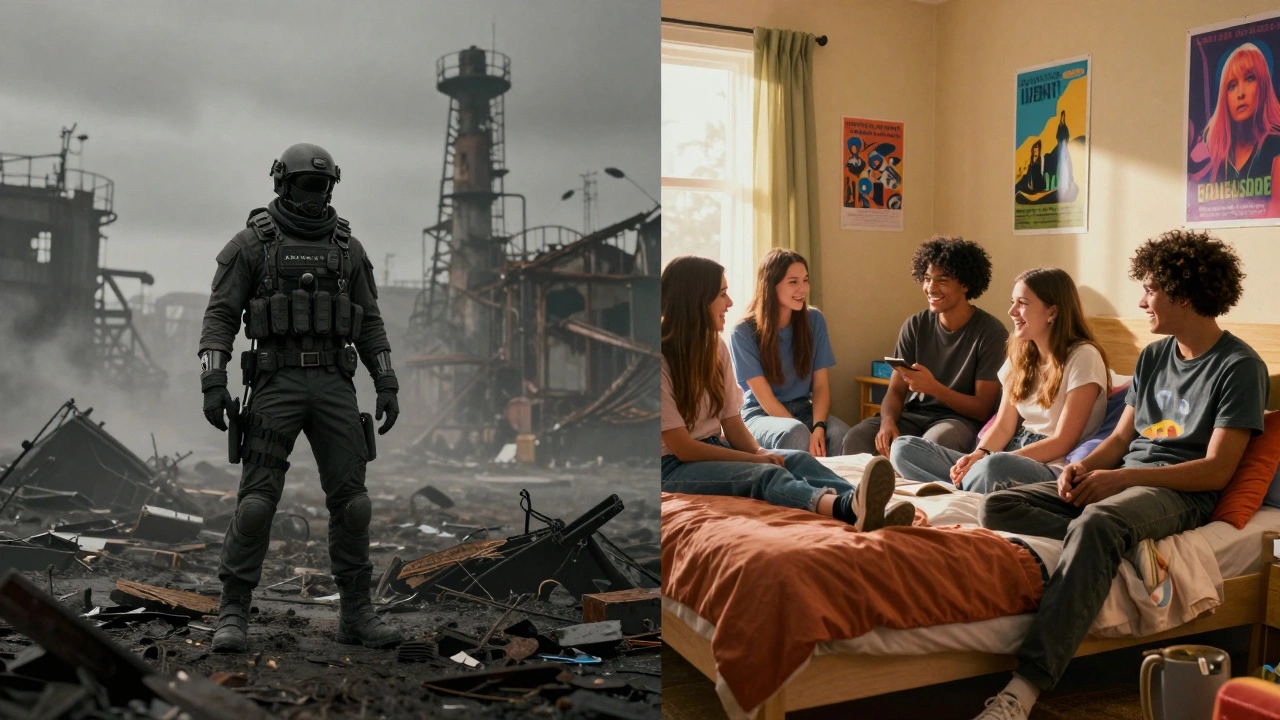
For years, the blueprint for a hit YA movie was simple: take a book with a love triangle, add a totalitarian government, and cast a few actors who look like they've never seen a pimple in their lives. That formula worked for a while, but the YA novel adaptations of the mid-2020s are playing a different game. We are seeing a massive shift toward "contemporary realism" and "high-concept fantasy" that doesn't rely on world-ending stakes. Studios are now hunting for stories that deal with identity, mental health, and intersectional experiences. Think about the success of adaptations that focus on the internal struggle of a teenager rather than their ability to lead a revolution. This shift happened because the audience grew up. The teens of today aren't looking for an escape into a fake world as much as they are looking for a mirror that reflects their own chaotic reality. When a story feels authentic to the teenage experience, it creates a level of engagement that a CGI city in ruins simply can't match.Understanding the Modern YA Audience
Who is actually buying these tickets? It's a mistake to think only 15-year-olds are watching. There is a huge segment of "kidults"-adults in their 20s and 30s who grew up on Twilight or The Mortal Instruments and still crave that specific brand of high-emotion storytelling. This creates a dual-market strategy for studios. They need to keep the aesthetics fresh for the TikTok generation while maintaining enough nostalgia for the older fans. Gen Z is a demographic characterized by their digital fluency and a preference for authenticity over polished perfection. This has forced filmmakers to change how they cast. The era of the untouchable, perfectly sculpted movie star is fading. Today's audiences want creators and actors who feel like people they could actually know in high school, leading to more diverse casting and less reliance on the traditional "Hollywood look."The Box Office Math: Risk vs. Reward
From a financial perspective, adapting a book is essentially a hedge against failure. Why spend millions on an original script when you can buy a property that already has five million reads on Wattpad, a social storytelling platform where users publish and discover original stories ? The built-in marketing is an incredible asset. If a book has a dedicated fandom, you have a guaranteed opening weekend audience. However, the "adaptation trap" is real. When a studio deviates too far from the source material to make it "more cinematic," they risk alienating the core fanbase. If the fans feel betrayed, they don't just stop watching; they use social media to actively campaign against the movie. We've seen this play out in real-time with several high-profile adaptations where the "fandom war" actually hurt the box office numbers. The trick is finding the balance between respecting the book and understanding that a movie needs a different pace.| Feature | The Dystopian Wave (2008-2015) | The Modern Era (2020-2026) |
|---|---|---|
| Core Theme | Systemic Rebellion / Survival | Personal Identity / Mental Health |
| Visual Style | Muted Tones, Industrial Sets | Vibrant, Stylized, Hyper-Real |
| Casting Strategy | A-List Star Power | Authenticity & Diversity |
| Primary Marketing | TV Spots & Billboards | TikTok, Reels, Fandom communities |
The Streaming Effect and the Death of the Mid-Budget Movie
One of the biggest changes in how these stories reach us is the move from the big screen to the small screen. Not every YA novel needs a $100 million budget. In fact, many stories work better as a limited series on a platform like Netflix, a global subscription-based streaming service or Hulu, a streaming service offering a mix of live and on-demand content . Streaming allows for slower pacing, which is crucial for character development. In a two-hour movie, the internal monologue of a protagonist often gets cut. In an eight-episode series, you can actually see the relationship build. This has led to a surge in "slow-burn" adaptations. The box office might look lower for some YA titles, but the "watch hours" on streaming are through the roof. Studios are now valuing "engagement metrics" over simple ticket sales because a hit YA series keeps subscribers paying for months.The Role of Social Media in a Movie's Success
We can't talk about modern adaptations without mentioning the "BookTok" effect. TikTok is no longer just a place for dance videos; it is the most powerful marketing engine in the publishing and film industries. A single viral video showing a reader crying over the ending of a book can drive thousands of people to buy that book, and eventually, to see the movie. This creates a strange feedback loop. Studios are now monitoring trending hashtags to decide which books to option. If a story is trending on social media, it's seen as a lower risk. But this also means that the "trend cycle" is moving faster than ever. A book can be the most popular thing in the world for six months, and by the time the movie is produced three years later, the internet has moved on to something else entirely. The challenge for producers is now speed: how do you get a high-quality adaptation out while the hype is still hot?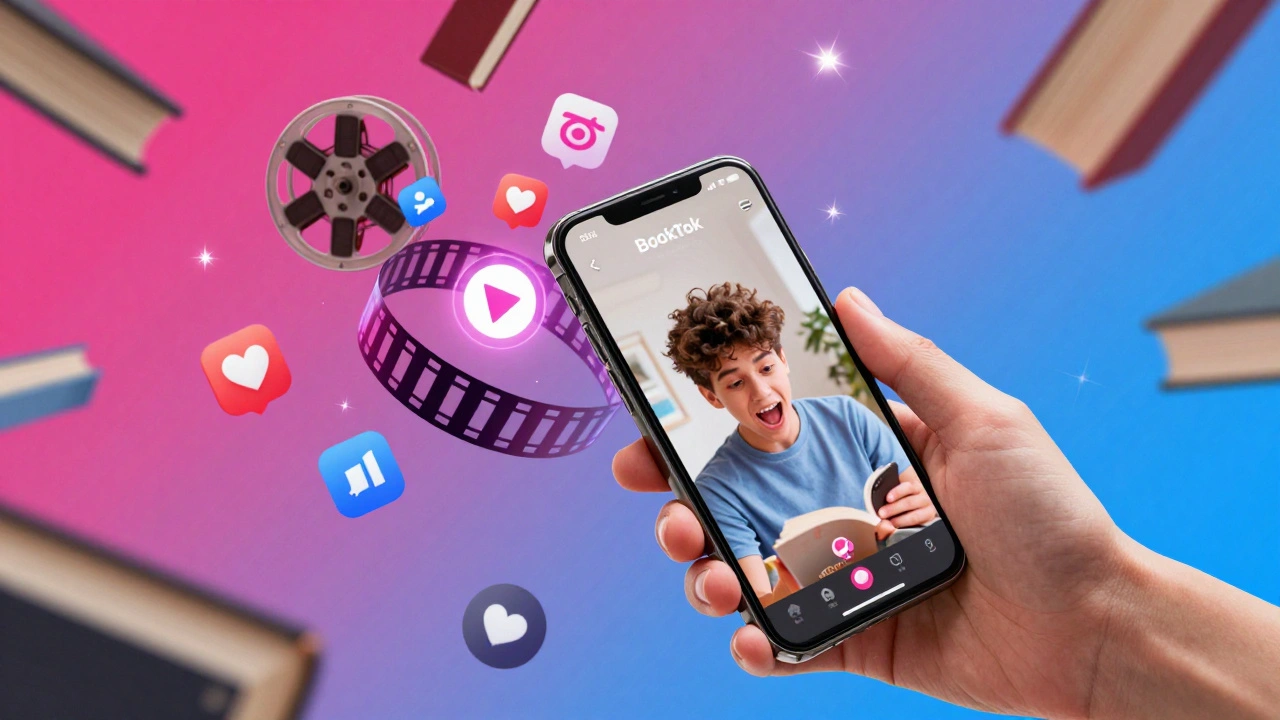
Common Pitfalls in the Adaptation Process
Why do so many YA adaptations fail? It usually comes down to a lack of trust in the intelligence of the audience. There's a tendency to "dumb down" the dialogue or lean too heavily on clichés because producers think teens only care about romance and explosions. In reality, teen audiences are some of the most critical viewers in the world. They can spot a fake emotion or a forced plot point from a mile away. Another common mistake is the "aging up" of the cast. We've all seen the movies where the characters are supposedly 16, but they're played by 26-year-olds. It breaks the immersion. When the actors don't look or act the part, the emotional core of the story collapses. The most successful recent adaptations have leaned into casting actual newcomers or actors who fit the age bracket, creating a much more believable atmosphere.Why are there fewer dystopian YA movies now?
The market became oversaturated. After a decade of "Chosen One" narratives, audiences grew tired of the same tropes. Additionally, the cultural mood shifted from a fascination with imaginary collapses to a desire for stories that address real-world issues like identity and mental health.
Do book fans usually hate the movie versions?
Not necessarily, but they are more critical. The conflict usually arises when a movie cuts a beloved subplot or changes a character's fundamental motivation. When a film captures the 'spirit' of the book even if it changes some details, fans are generally supportive.
How does streaming change YA storytelling?
Streaming allows for longer runtimes. Instead of cramming a 400-page book into 120 minutes, a series can spend 8 hours exploring the world and characters, which leads to deeper emotional investment from the viewer.
What is the impact of BookTok on the box office?
BookTok acts as a massive, free organic marketing campaign. It builds a community of highly invested viewers before a trailer even drops, which often leads to higher opening weekend numbers for adaptations of viral books.
Is the YA genre still profitable for studios?
Yes, but the strategy has changed. Studios are moving away from massive, risky blockbusters and toward targeted, mid-budget films or episodic series that offer better long-term ROI through streaming subscriptions and merchandise.


Comments(8)