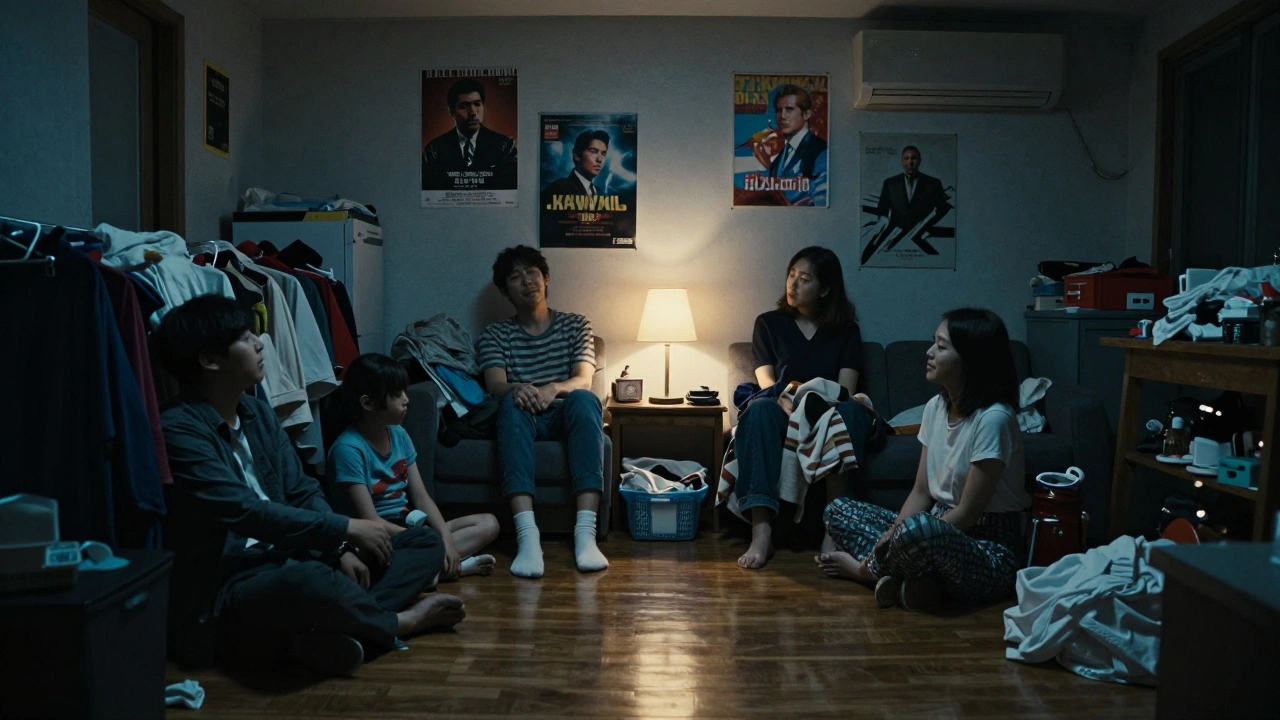
Think about the last movie that made you feel like you were staring into a mirror. Not because the character looked like you, but because their fear, their silence, their choice - it echoed something you’d buried. Movies don’t just tell stories. They pull apart identity - the messy, shifting, sometimes broken pieces of who we think we are, and who we’re forced to become.
Identity Isn’t Fixed - It’s Built in Scenes
In Parasite, the Kim family doesn’t wake up one day and decide to be poor. They’re shaped by cramped apartments, stolen bus fares, and the smell of basement laundry. Their identity isn’t handed to them - it’s carved out by survival. When they slip into the Park family’s home, they don’t just pretend to be servants. They perform versions of themselves they’ve learned from watching the rich. The moment the son mimics the Park father’s laugh, the film makes it clear: identity is imitation. It’s learned. It’s borrowed. It’s a costume you wear until it fits too well.
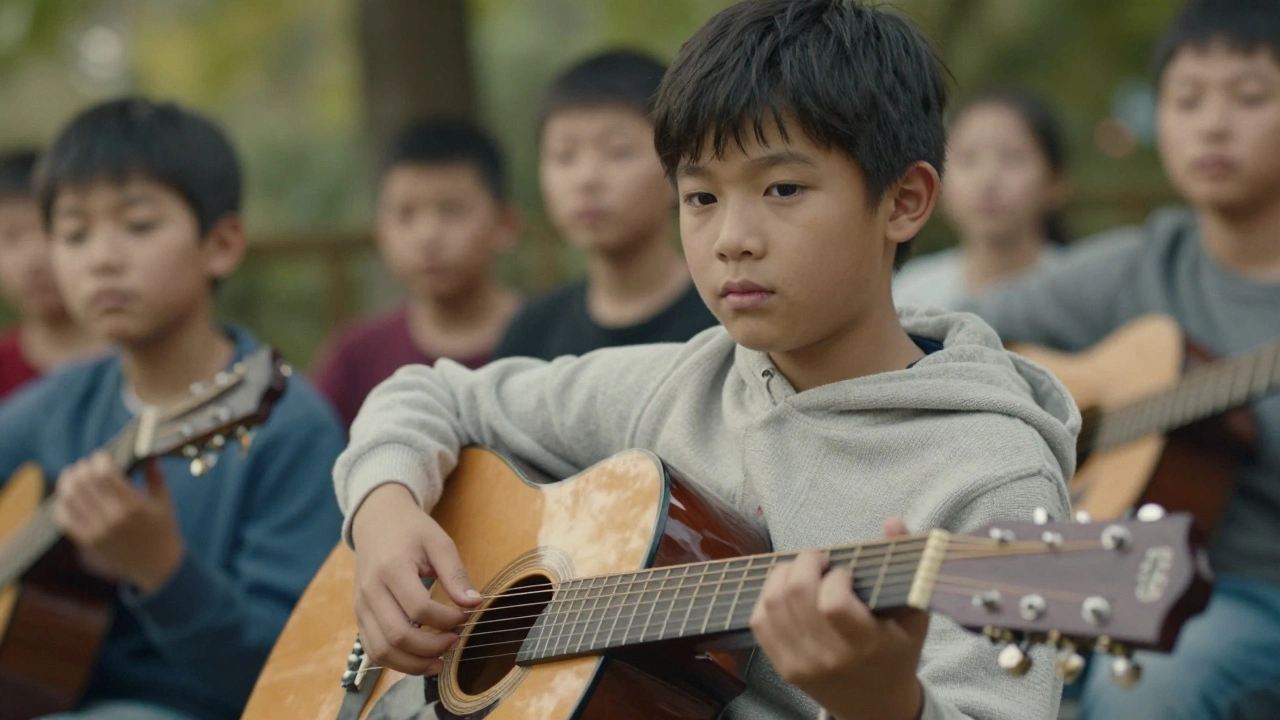
Compare that to Boyhood, filmed over 12 years. The main character, Mason, doesn’t have a single defining moment. His identity isn’t revealed in a speech or a grand gesture. It’s in the slow accumulation: the way he stares at his dad’s old guitar, the way he stops wearing hoodies, the way he finally says ‘I’m fine’ and means it. His identity isn’t found - it’s grown. Like a tree. Roots deepening with every failed relationship, every quiet rebellion, every awkward silence.
Most films treat identity like a puzzle with one correct answer. Real life doesn’t work that way. And the best movies know it.
Community as a Mirror - Who You Are When Others Are Watching
People don’t exist in bubbles. We’re shaped by who’s around us - family, friends, enemies, strangers who look at us the wrong way. Films that understand identity know this. In Get Out, Chris isn’t just fighting a cult. He’s fighting the way white liberals see him - as a curiosity, a trophy, a body to be used. His identity is stripped away before he even speaks. The ‘sunken place’ isn’t magic. It’s the psychological space where your voice disappears because no one wants to hear it.
In Manchester by the Sea, Lee Chandler doesn’t run from his past because he’s guilty. He runs because the town remembers him as the man who burned his children alive. Even years later, when he tries to be quiet, to be useful, to be okay - the community won’t let him rewrite himself. His identity is locked in their memory. And that’s more painful than any jail.
These films show that identity isn’t just internal. It’s negotiated. Every time someone calls you by a name you don’t like, every time someone assumes your story - you’re forced to react. That’s where identity lives: in the space between who you are and who they say you are.
The Role of Language - Words That Shape Who You Become
What you say, and what others say to you, doesn’t just describe identity - it builds it. In Her, Theodore’s relationship with an AI isn’t about loneliness. It’s about language. He talks to Samantha, and slowly, the way he speaks changes. He becomes softer. More honest. More alive. The AI doesn’t change him. The act of being heard - truly heard - does.
Contrast that with The Social Dilemma-style narratives. In films like Black Mirror: Nosedive, people aren’t just lying to look better. They’re rewriting their entire identity to fit a social score. Their words become performance. Their smiles become metrics. Their identity collapses into a profile. No one remembers their real name. They remember their rating.
Language isn’t neutral. When a character is called ‘crazy,’ ‘illegal,’ ‘loser,’ or ‘hero’ - it doesn’t just label them. It locks them into a role. And films that get identity right show us what happens when someone breaks free from those labels - or when they’re crushed by them.
Memory, Trauma, and the Fragility of Self
What if you woke up tomorrow and didn’t remember who you were? Not amnesia from a head injury - but the kind where the stories you told yourself about your life just… vanished. That’s what Memento forces you to feel. Leonard doesn’t have a past. So he builds one - with notes, tattoos, lies. His identity isn’t stolen. It’s invented. And every time he checks his own notes, he’s choosing which version of himself to believe.
In Requiem for a Dream, Sara’s identity is tied to her TV shows, her weight, her hope of being on television. When she loses those, she doesn’t just lose her dreams. She loses the person she thought she was. Her body becomes a prison. Her mind becomes a loop. The film doesn’t show her breakdown - it shows the slow erasure of identity, one pill, one hour, one mirror glance at a time.
Identity isn’t stable. It’s held together by memory, habit, and the stories we repeat. Break those, and you break the person.
When Identity Collides - Race, Gender, and Power in Film
Some identities aren’t chosen. They’re assigned. And films that matter show us what happens when those assigned identities collide with who someone really is.
In Moonlight, Chiron grows up being told he’s too soft, too quiet, too ‘not a man.’ His identity is fractured by the expectations of his neighborhood, his mother, his friends. He doesn’t rebel. He hides. He becomes someone else - a version of masculinity he thinks will keep him alive. The film’s final scene doesn’t show him finding himself. It shows him, for the first time, letting someone else see him. That’s the moment identity begins to heal - not when you find the truth, but when you let someone hold it with you.
In The Handmaiden, the characters swap identities like clothes. One pretends to be a noblewoman. Another pretends to be a servant. But the real power isn’t in the disguise. It’s in who they become when they stop pretending to be what others want. The film doesn’t ask, ‘Who are you?’ It asks, ‘Who do you dare to be?’
These aren’t just stories about race or gender. They’re stories about survival. About the cost of being seen. About the courage it takes to say, ‘This is me’ - even when the world says you don’t exist.
What Makes a Character’s Identity Feel Real?
Not every film gets it right. Many characters feel like placeholders - the ‘strong female lead,’ the ‘tragic queer sidekick,’ the ‘wise old mentor.’ Their identity is a checklist, not a life.
Real identity in film comes from contradiction. The father who loves his kids but can’t hold a job. The soldier who’s brave in battle but terrified of silence. The teenager who screams at the world but writes poetry no one reads.
It comes from small, quiet moments: a hand that trembles when holding a photo. A laugh that cuts off too soon. A silence that lasts three seconds longer than it should.
And it comes from change - not big arcs, but subtle shifts. The moment a character stops saying ‘I’m fine’ and starts saying ‘I’m tired.’ That’s when you know they’re real.
Why This Matters - Beyond the Screen
These films aren’t just art. They’re mirrors. When we watch someone struggle to define themselves on screen, we’re watching our own reflections. We see the parts of ourselves we’ve ignored. The roles we’ve played to fit in. The names we’ve been called that we started to believe.
That’s why identity in film matters. It doesn’t give us answers. It asks the right questions: Who are you when no one’s watching? Who are you when everyone’s watching? And who do you want to be - if you could finally stop performing?
There’s no final answer. That’s the point. Identity isn’t something you find. It’s something you keep making. And cinema - at its best - gives us the space to do it.





Comments(9)