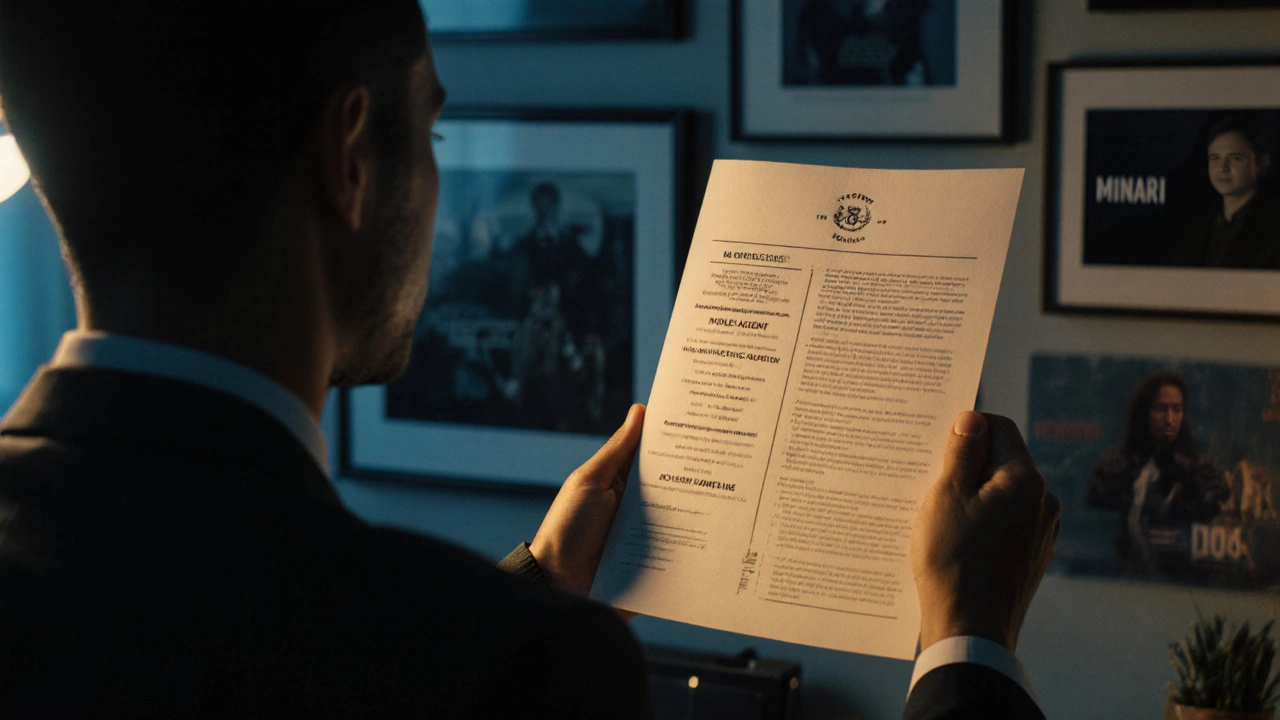
Most independent filmmakers think getting their movie on a streamer is about having a great story. It’s not. It’s about knowing who’s listening, what they’re looking for, and how to talk to them like a business partner-not a fan.
Streaming platforms aren’t buying films because they’re beautiful or award-worthy. They’re buying them because they move subscribers, spark conversation, or fill a gap in their catalog. If your pitch sounds like a film festival reel, you’re already losing.
Know Which Streamer Wants What
Netflix doesn’t want the same thing as Hulu, and neither wants what Apple TV+ is hunting for. Each platform has a strategy, and it shows in what they pick up.
Netflix looks for global appeal-films that can work in Brazil, India, or Nigeria without heavy localization. They’ve bought indie dramas like Minari is a 2020 American drama about a Korean-American family moving to rural Arkansas. Also known as Minari: A Family Story, it was acquired for $12 million at Sundance and became one of their most-watched foreign-language films in the U.S.. Why? Because it had emotional universality. A story about family, immigration, and resilience that didn’t need subtitles to land.
Hulu leans into niche audiences. They want films that speak to specific demographics-queer stories, regional comedies, or docs about underrepresented communities. Their acquisition of The Mole Agent is a 2020 Chilean documentary about an elderly man hired to investigate a nursing home. Also known as El Agente Topo, it won the Grand Jury Prize at Sundance and became a breakout hit on Hulu because it tapped into aging populations and social isolation. wasn’t a blockbuster. But it was perfect for their audience of older, socially conscious viewers.
Apple TV+ buys prestige. They want films with awards potential, strong directorial voices, and production value that rivals theatrical releases. They paid $15 million for Wolfwalkers is a 2020 Irish animated fantasy film about a girl and a wolf spirit in 17th-century Ireland. Also known as The Wolfwalkers, it was nominated for an Oscar and became a flagship title for Apple’s family content lineup.. Not because it made money fast-but because it made them look good.
Amazon Prime Video is the wildcard. They’ll buy anything that can drive buzz-quirky comedies, true crime docs, even experimental shorts. Their acquisition of One Night in Miami... is a 2020 historical drama imagining a 1964 meeting between Malcolm X, Muhammad Ali, Sam Cooke, and Jim Brown. Also known as One Night in Miami, it was directed by Regina King and became one of Amazon’s most talked-about original films. wasn’t a box office hit, but it created headlines. That’s what Amazon wanted.
What Buyers Actually Look For
Platform buyers don’t care about your director’s film school. They care about five things:
- Clear target audience - Who will watch this? Not “everyone.” Not “art house fans.” Be specific: women 35-50 in suburban Ohio. LGBTQ+ teens in Texas. Retirees in Florida who watch PBS.
- Marketing hooks - What’s the one sentence that makes someone say, “I need to see this”? “A deaf girl trains a dog to warn her of seizures.” “A grandmother runs a secret underground radio station in rural Mexico.”
- Completion status - They want to see a cut. Not a script. Not a trailer. A rough cut with sound, color, and pacing. If you’re still editing, you’re too early.
- Clear rights ownership - Do you own worldwide rights? Can you deliver all necessary clearances? If you used a song without a license, you’re dead in the water.
- Delivery specs - Can you deliver a 4K DCP, a 1080p ProRes file, and a subtitle track in Spanish, French, and Mandarin? If not, you’ll lose the deal before it starts.
One filmmaker pitched a documentary about Appalachian coal miners. She didn’t say, “It’s a powerful story about loss.” She said, “It’s a film about how 300 families in eastern Kentucky lost their homes after a company bought out their land-and no one’s told their side.” Then she showed a 12-minute cut with real interviews, archival footage, and a haunting original score. The buyer said yes in 48 hours.
How to Structure Your Pitch
Your pitch isn’t a screenplay. It’s a business proposal. Here’s how to build it:
- One-pager - One page. No more. Title, logline, target audience, runtime, format, delivery timeline, and one line on why this fits the platform’s brand. Keep it tight.
- Trailer - 90 seconds max. No music montages. No voiceover. Just the film’s strongest 90 seconds. If it doesn’t grab attention by the 10-second mark, cut it.
- Completion certificate - Proof you’re done. Signed by your producer, with a date. Buyers won’t touch anything that’s “in post.”
- Clearance package - A PDF with music licenses, location releases, talent agreements. If you’re missing one, don’t send it.
- Platform-specific customization - Don’t send the same pitch to Netflix and Hulu. Tailor your logline. Mention their recent acquisitions. Say why your film belongs on their service.
One director sent a pitch to HBO Max with a subject line: “Your next Love & Death-a true story about a woman who faked her husband’s death to escape her marriage.” He didn’t mention awards or festivals. He mentioned HBO Max’s recent true-crime hits. He got a meeting.
Where to Find Platform Buyers
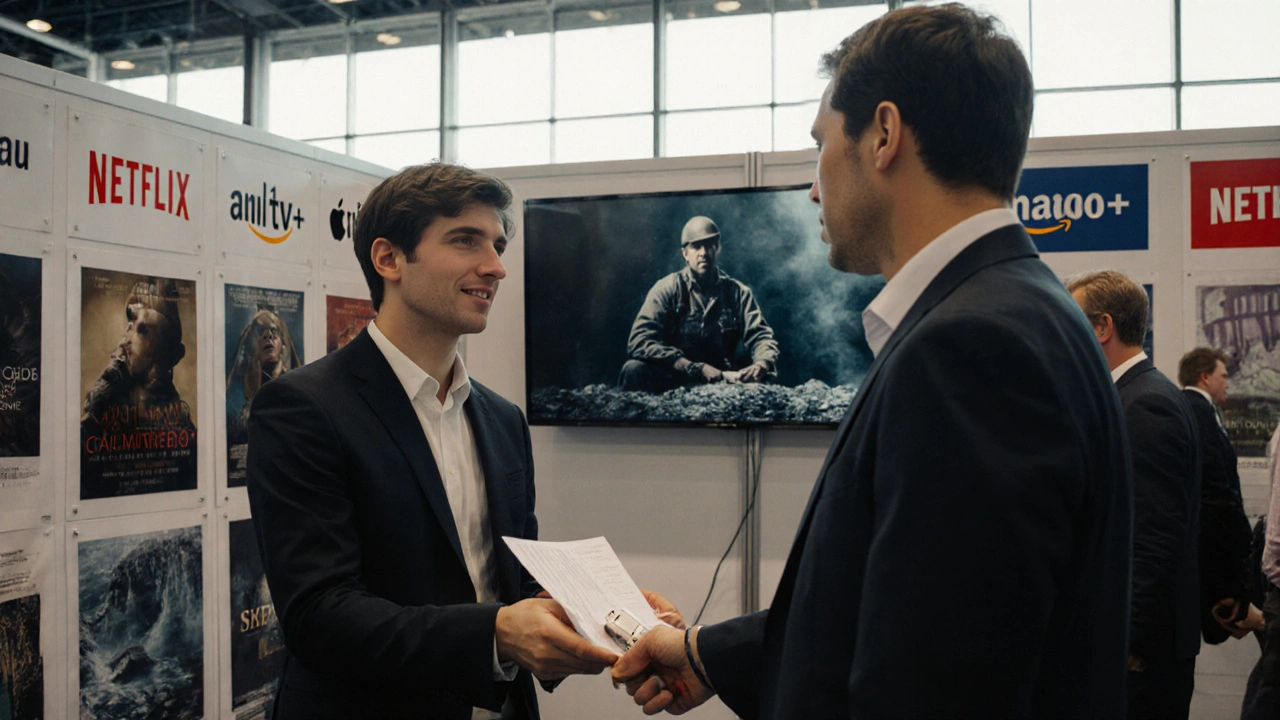
You can’t just email Netflix and hope for the best. Buyers don’t sit in open inboxes. They’re at festivals, markets, and industry events.
- Sundance Film Festival - Buyers from Netflix, Hulu, and Apple are there in January. They’re looking for breakout films. Don’t wait until after the premiere to pitch.
- AFM (American Film Market) - Held every November in Santa Monica. Over 80% of indie film deals are made here. Bring your rough cut, your one-pager, and your delivery specs.
- Toronto International Film Festival (TIFF) - Buyers come for prestige. If your film has a strong director or cast, this is your shot.
- Streaming platform open calls - Apple, Amazon, and Hulu occasionally open submissions for indie films. Check their official websites. Don’t rely on third-party aggregators.
One filmmaker got her film picked up after meeting a buyer at AFM while waiting in line for coffee. She handed him her one-pager and said, “This is the film you didn’t know you needed.” He watched it that night. Offer came the next morning.
What Kills a Pitch
Here’s what gets your film rejected before it’s even seen:
- Asking for “a fair share of profits” - Streamers buy rights outright. They don’t do revenue splits.
- Not having clear rights - If your cinematographer owns the footage, or your composer didn’t sign a work-for-hire agreement, you’re not deliverable.
- Being unprofessional - Spelling errors in your one-pager? A trailer with bad audio? You’re not ready.
- Asking for a theatrical release first - If you’re still trying to get into theaters, you’re not ready for streaming.
- Being vague about audience - “It’s for everyone who likes movies” is not an answer.
One filmmaker spent $50,000 on a festival run. Then pitched his film to Amazon with no delivery files, no clearances, and a 30-minute trailer. They didn’t even respond.
What to Do If You Get Rejected
Rejection isn’t the end. It’s feedback.
Ask for notes. Not “Why?” Ask: “What part of the film didn’t connect? What delivery specs were missing? Was the audience too vague?”
One director got rejected by Hulu because they said, “We need more of a hook for Gen Z.” He went back, cut a 60-second TikTok version of the film’s most emotional scene, and sent it to their social media team. They responded. A week later, they offered a deal.
Don’t take it personally. Take it as data.
Final Rule: Be the Easiest Film to Buy
Streamers are drowning in pitches. Your job isn’t to be the best film. It’s to be the easiest film to say yes to.
That means:
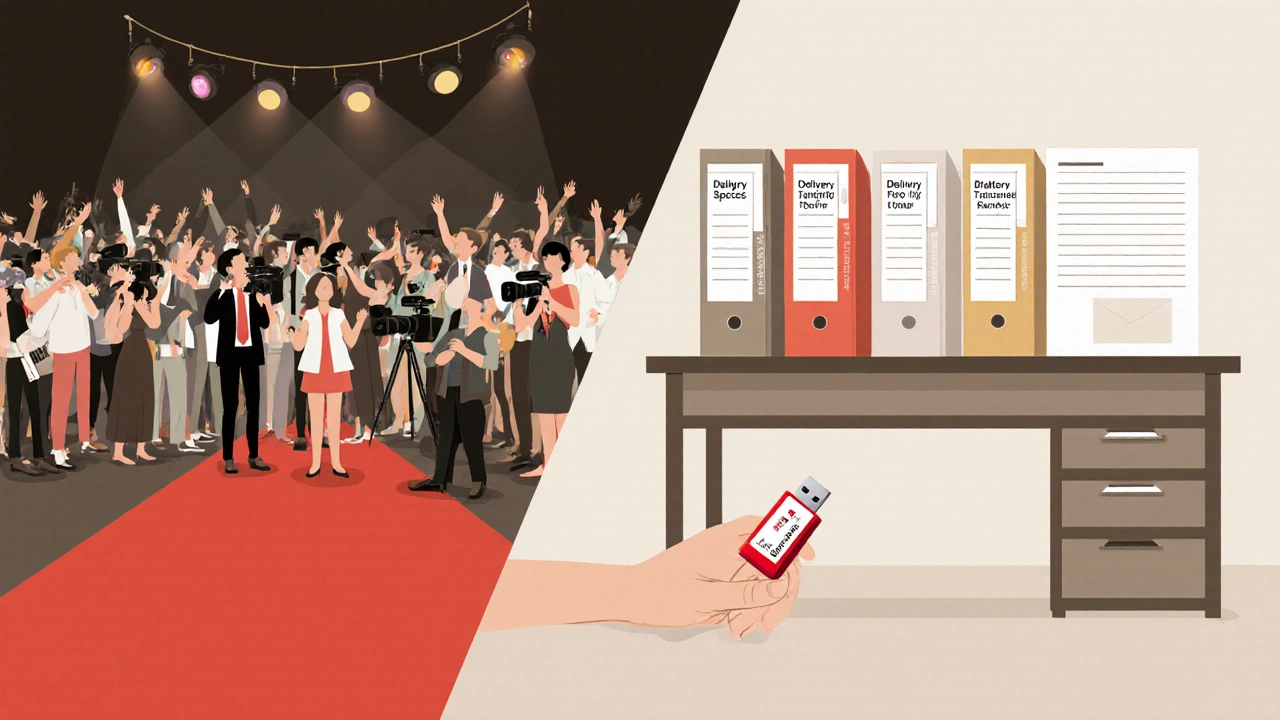
- Deliver everything they need-on time, in format, with no surprises.
- Make it obvious why your film fits their brand.
- Remove every barrier to signing.
One filmmaker had a film about a single mom working two jobs to send her kid to college. She didn’t pitch it as “a moving drama.” She pitched it as: “A film for Netflix’s ‘Real Life Stories’ collection-perfect for International Women’s Day. 90 minutes. 4K. Full clearances. Subtitles in 8 languages. Ready to deliver in 10 days.”
They bought it in three hours.
Frequently Asked Questions
Do I need a sales agent to pitch to streamers?
No, but it helps. Sales agents have relationships with buyers and know what each platform wants. But many filmmakers now pitch directly-especially if they’ve built a strong one-pager, trailer, and delivery package. If you’re confident in your materials, you can skip the agent and save 15-30% in commissions.
How much money can I expect for an indie film?
It varies wildly. Low-budget documentaries might get $50,000-$150,000. Mid-budget dramas with recognizable actors can get $500,000-$2 million. Blockbuster indie films like Minari is a 2020 American drama about a Korean-American family moving to rural Arkansas. Also known as Minari: A Family Story, it was acquired for $12 million at Sundance and became one of their most-watched foreign-language films in the U.S. are rare. Most indie films sell for under $500,000. Focus on getting distribution, not the price tag.
Can I pitch a film that’s already on YouTube or Vimeo?
It’s risky. Most streamers want exclusive rights. If your film is already publicly available, they’ll likely pass. Some platforms might consider it if you’ve only shown it to a small audience-like film festivals or private screenings. But if it’s on YouTube with 100,000 views, you’ve lost your exclusivity.
What if my film doesn’t have famous actors?
That’s fine. Many of the most successful indie films on streamers have no stars. What matters is the story, the execution, and the audience hook. A film about a transgender teen in rural Oklahoma won a deal with Hulu because it had raw, authentic performances-not famous names.
How long does the process take?
From pitch to deal, it can take 2 weeks to 6 months. If you’re at a festival like Sundance or AFM, deals can happen in days. If you’re cold-pitching, expect 2-3 months for feedback and negotiations. Don’t rush. But don’t wait either. Buyers move fast when they see a film that fits.



Comments(9)