
Most screenwriters think a story needs to go from A to B to C in a straight line. But some of the most powerful films ever made-Pulp Fiction, Memento, Eternal Sunshine of the Spotless Mind-don’t follow that path. They jump around. They start in the middle. They loop back. And yet, audiences don’t get lost. They’re hooked. So how do you write a non-linear film that holds people’s attention instead of confusing them?
Non-linear doesn’t mean random
A lot of writers mistake non-linear for chaotic. They throw scenes out of order and hope the emotion carries the weight. That rarely works. A non-linear structure isn’t about being clever. It’s about serving the story’s emotional core. The order of scenes should feel inevitable in hindsight, even if it’s surprising at first.
Take Memento. The film starts with the last scene and works backward. Why? Because the main character has short-term memory loss. The structure mirrors his experience. Every scene isn’t just out of order-it’s a piece of his broken mind. The audience doesn’t feel lost because they’re not trying to solve a puzzle. They’re trying to understand a person.
Non-linear storytelling works when the structure is tied to the character’s psychology, the theme, or the central question of the film. If you’re telling a story about regret, maybe you start with the aftermath and show how things unraveled. If it’s about identity, maybe you show the present, then the past, then a distorted version of both. The order should feel like a clue, not a distraction.
Anchor points are everything
Without anchors, a non-linear story becomes a jigsaw puzzle with half the pieces missing. Audiences need touchstones-recurring images, phrases, locations, or emotions-that keep them oriented.
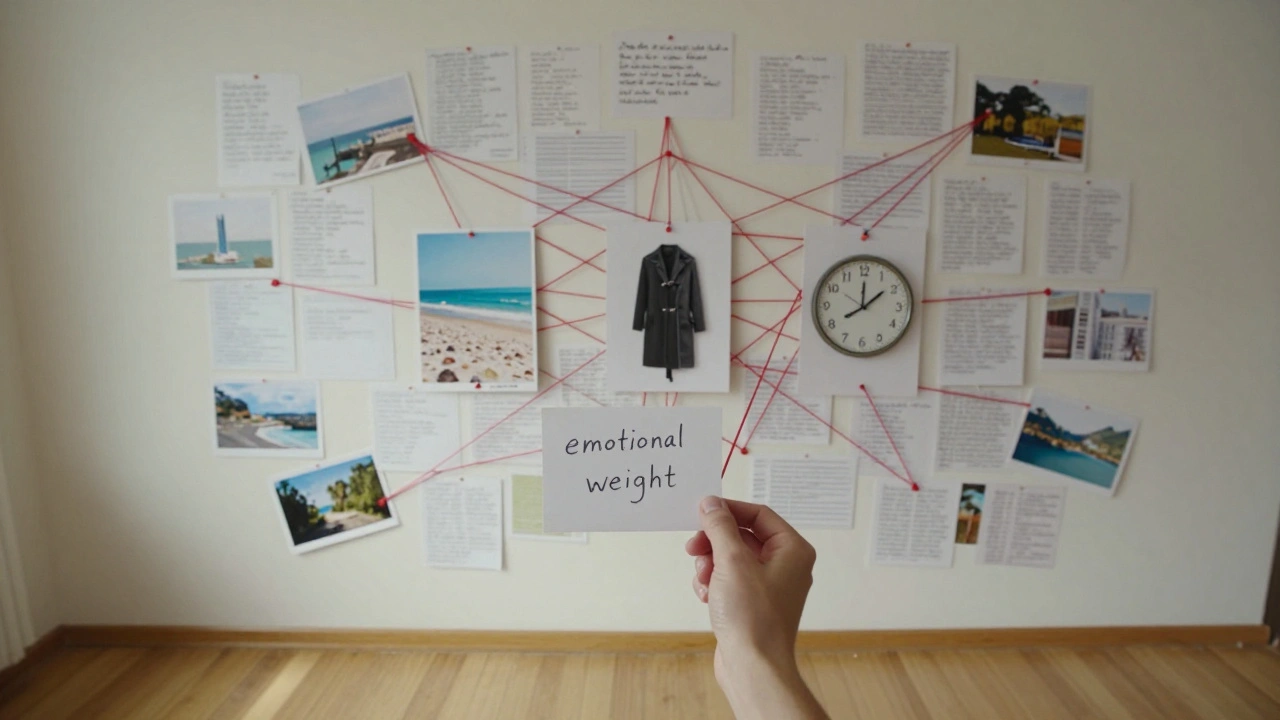
In Eternal Sunshine of the Spotless Mind, the beach is an anchor. It appears in multiple timelines: as a memory, as a fantasy, as a real place where the characters first met. Each time we see it, we know: this is about connection. This is about loss. Even when the timeline jumps, the beach stays the same. That’s what keeps us grounded.
Another common anchor is a character’s physical state. In Requiem for a Dream, the same shot of a character’s face-hollow, exhausted, staring into space-appears at different points in their descent. Each time, we know where they are emotionally, even if we don’t know the exact date on the calendar.
Your anchors don’t need to be big. A song. A coat. A specific line of dialogue. A smell. Something small that repeats. When audiences recognize it, they feel safe. They think: I get this. I’m not lost.
Use time shifts to reveal, not hide
One of the biggest mistakes in non-linear writing is using structure to conceal information. If you’re withholding a twist because you think it’ll be more shocking if we don’t see it until the end, you’re probably doing it wrong.
Good non-linear stories don’t hide the truth-they reveal it in layers. The structure becomes a way to peel back understanding, not to trick the audience.
Look at Parasite. The film starts with the Kim family struggling to survive. Then, slowly, we see how they infiltrate the Park household. The non-linear reveals come in pieces: the basement, the secret room, the rainstorm. We don’t get the full picture until the third act. But we’re not confused-we’re piecing it together because the clues are there. The structure doesn’t obscure the truth; it builds tension around it.
Ask yourself: if I showed this scene earlier, would it change how the audience feels? If the answer is yes, then it belongs earlier. If it doesn’t change anything, it’s just a trick. And audiences hate tricks.
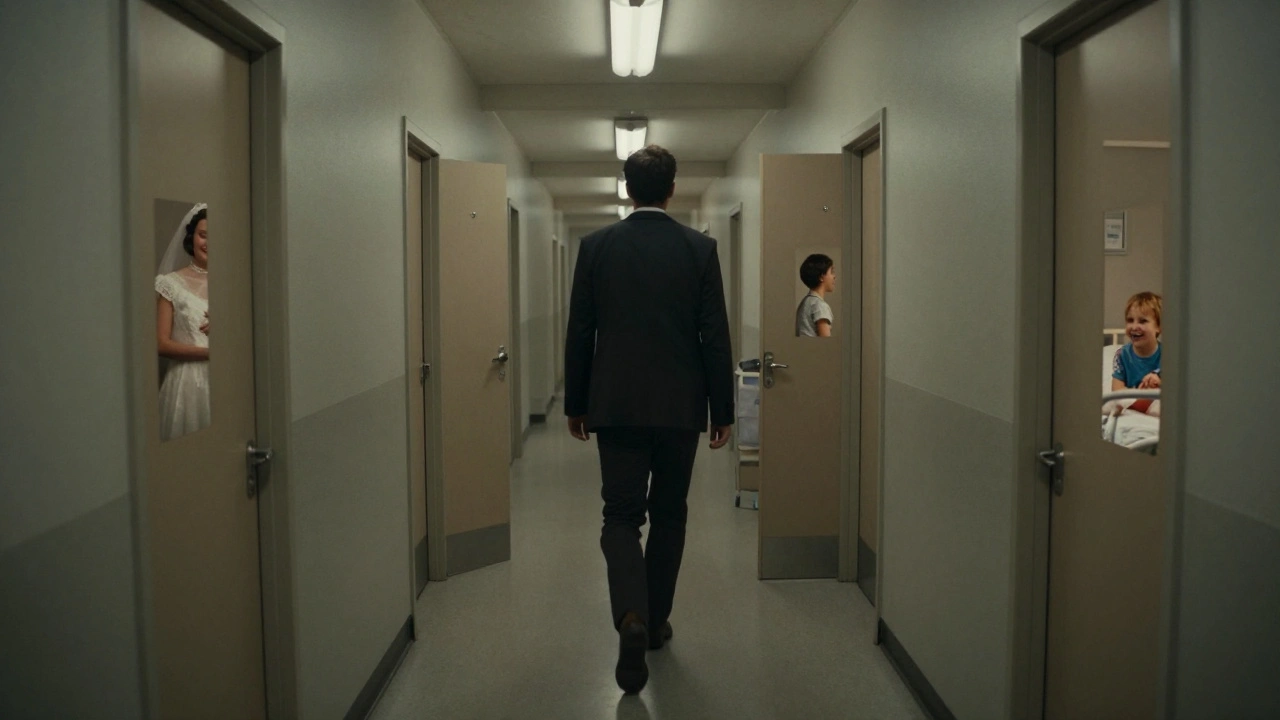
Time jumps need emotional weight
Every time you leap forward or backward in time, it should feel like a punch. Not a transition. Not a cut. A shift in understanding.
Think of the scene in Boyhood where Mason, as a teenager, tells his dad he’s going to college. The dad says, “I wish I could’ve been there for more of this.” The camera lingers. Then the next scene is Mason at 19, packing his bag. No explanation. No title card. Just time passed. We feel the loss. We feel the silence. That’s a time jump with emotional weight.
In non-linear writing, time isn’t just a timeline-it’s a feeling. A memory. A regret. A hope. If your jump doesn’t change how the audience feels about the character, it shouldn’t be there.
Try this test: if you removed this time shift, would the scene still make sense? If yes, cut it. If it changes the emotional arc, keep it. The structure should serve the emotion, not the other way around.
Let the audience earn the clarity
Don’t explain your structure. Don’t have a character say, “We’re going back to when this all started.” Don’t use flashbacks with a fade to sepia. Don’t add voiceover saying, “Two years earlier…”
Audiences are smarter than you think. They’ll catch patterns. They’ll notice repetitions. They’ll feel when something doesn’t fit. If you give them space to connect the dots, they’ll feel smarter for doing it. And that’s when they become invested.
Look at Arrival. The film jumps between present-day communication with aliens and memories of the protagonist’s daughter. The audience doesn’t know why the memories are there until the third act. But by then, they’ve already felt the grief. They don’t need to be told it’s a memory-they’ve already lived it.
Your job isn’t to guide them through every twist. Your job is to make sure the emotional logic is clear. The rest? Let them figure it out.
Test your structure with a blank screen
Here’s a brutal but effective test: watch your script with the sound off. Just watch the images. Can you still feel the emotional arc? Can you tell where the story is going, even without dialogue?
If you can’t, your structure is too abstract. Visual rhythm matters more than chronological order. If your script relies on exposition to explain time shifts, it’s not ready.
Try this: take three key scenes from your script and lay them out on a wall in the order you think they should go. Then shuffle them. Now, imagine you’re watching this as a stranger. Which order makes you feel the most? Which one feels inevitable? That’s your structure.
What non-linear structure works best?
There’s no one-size-fits-all. But here are three proven patterns that consistently work:
- The Reverse Arc: Start at the end and work backward. Works best for stories about cause and effect. Memento is the classic example.
- The Fractured Timeline: Multiple timelines intercut. One present, one past, maybe one future. Works when the character’s trauma or transformation spans time. Eternal Sunshine and The Tree of Life use this.
- The Circular Structure: The film ends where it began-but the character is different. The audience sees the same moment with new eyes. Groundhog Day and Arrival use this brilliantly.
Each of these structures has one thing in common: the character changes. The non-linear format isn’t a gimmick-it’s the only way to show that change.
When non-linear fails
Non-linear stories fail when they’re used to cover up weak plotting. If your characters aren’t compelling, jumping around won’t fix that. If your themes are vague, clever editing won’t make them meaningful.
The most common failure? Confusing the audience because the writer didn’t know where they were going. If you’re writing non-linear because you don’t know how to structure a linear story, you’re setting yourself up for disaster.
Non-linear storytelling isn’t easier. It’s harder. You have to know your story inside and out. You have to know exactly where each scene lands emotionally. You have to be able to explain why each time jump matters.
If you can’t answer, “Why is this scene here?”-then it doesn’t belong.
Final rule: structure is service
Every choice you make in structure should serve one thing: the audience’s emotional journey. Not your ego. Not your love of complexity. Not your desire to be “artistic.”
Ask yourself: if I rearranged this, would the audience feel more? Or less? Would they understand more? Or feel more confused?
The best non-linear films don’t make you think, Wow, that’s clever. They make you think, I didn’t realize I was crying until now.
That’s the goal. Not confusion. Not novelty. Connection.







Comments(10)