When Hollywood releases a blockbuster, you've probably noticed its Film Trailer isn't just a preview-it's a weaponized sales pitch designed to dominate your feed before opening weekend. A 2023 study found audiences exposed to strategic trailer placements were 47% more likely to buy tickets early. That's not luck. It's calculated chaos.
The Science Behind Trailer Placement
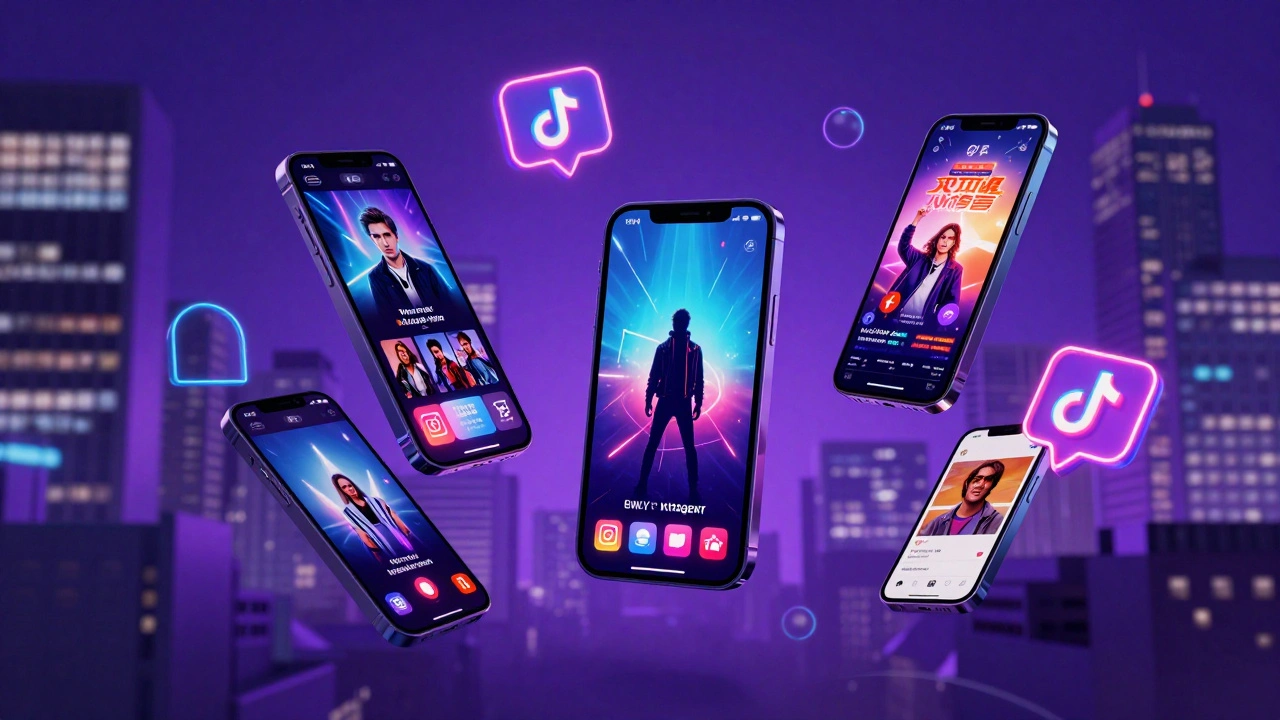
Trailer placement refers to where and when movie previews appear to maximize viewer impact. Studios don't random-drop clips-they surgically target moments when audiences are primed to consume entertainment. Super Bowl slots cost $7M in 2024, while viral TikTok teasers can generate organic reach worth double that investment. Consider the 2025 horror hit *Crimson Lake*: its first trailer debuted during Netflix's "Summer of Scares" event, then flooded Instagram Reels via micro-influencers, driving a 300% jump in pre-sale tickets within 72 hours.
- Cinematic Windows: Placing trailers before tentpole films in theaters (e.g., showing *Gladiator II* ads before *Dune 2* screenings)
- Digital Surge: YouTube's "Autoplay" feature ensures next-video suggestions prioritize trending movie trailers
- Premiere Sync: Coordinating trailer drops with red carpet premieres for simultaneous global buzz
| Platform | Avg. Click-Through Rate | Cost Per Conversion |
|---|---|---|
| Super Bowl TV Spot | 4.2% | $8.50 |
| TikTok Organic Trend | 9.1% | $2.30 |
| In-Theater Preview | 3.8% | $6.75 |
| Instagram Story Ad | 5.6% | $4.10 |
Media Buys: Where Budgets Get Burned
Media Buys involve purchasing ad inventory across platforms. Studios allocate $50M-$200M per tentpole, but smart buyers optimize through Audience Targeting Algorithms. Amazon MGM's 2026 strategy shifted 60% of spend to programmatic ads that track viewer behavior in real-time. Example: When *Avatar 3* launched, dynamic ads adjusted messaging based on whether users had previously clicked sci-fi content or streaming subscriptions.
This precision matters. Generic billboards drive negligible ROI compared to hyper-localized tactics. During *Jurassic World Dominion*’s rollout, regional campaigns boosted ticket sales 22% higher in markets like Denver and Tokyo, where targeted ads leveraged local sports events and school closures.
Opening Weekend Domino Effect
Strong first-weekend numbers trigger industry-wide ripple effects: studio stock prices surge, sequels get greenlit, and actors negotiate higher salaries. But what drives those numbers? Three factors dominate:
- Pre-Sale Momentum: Early ticket purchases signal demand to theater chains, securing prime showtimes
- FOMO Amplification: Social proof from sold-out screenings fuels urgency for holdouts
- Review Contagion: Initial Rotten Tomatoes scores dictate second-week survival
Disney's *Wish* (2025) exemplifies this chain reaction. A viral #WitchyWeather TikTok challenge pushed early sales past $15M, locking in IMAX bookings that sustained earnings beyond typical summer slump periods.
The Data Playbook
Modern campaigns live-dial back performance using proprietary tools like Comscore's CinemaScore Analytics. Real-time dashboards monitor engagement metrics every 15 minutes during openings. If ticket sales lag by 15%, teams activate contingency plans: last-minute influencer partnerships, price discounts, or surprise casting reveals.
Netflix's hybrid model shows another frontier. Their ad-tier subscribers saw 35% higher retention when trailers featured exclusive post-show scenes unavailable elsewhere-a tactic adopted by Warner Bros. Discovery for *Harry Potter 8* in Q3 2026.
Risk Factors
Over-saturation kills hype. When Marvel released six superhero trailers within weeks of *Guardians Vol. 3*, audience fatigue caused 18% lower engagement than previous entries. Similarly, premature leaks derail secrecy plays-*Mission: Impossible 9* suffered $40M losses after a stunt scene surfaced online ahead of schedule.
Budget misfires happen too. Indie studio A24 saved $12M by pivoting from TV spots to QR-code-enabled bus stops during *Saltwater* promotion, converting commuters directly to ticket purchases.
Future Proofing Strategies
By 2027, AR integration will allow virtual poster experiences accessible through smartphone cameras. Meanwhile, AI-generated personalized trailers adapt visuals to viewer demographics-a teenager sees edgier edits, parents receive PG-friendly versions.
Blockchain-enabled NFT tie-ins are emerging too. Sony tested digital collectibles tied to *Spider-Man 4* merchandise, generating secondary revenue streams while boosting awareness.
Tactical Checklist
Before launching any campaign, ask:
- Have we stress-tested platform algorithms against our target demographic?
- Are contingency funds ready for unexpected market shifts?
- Do our creatives align with cultural moments (sports finals, holidays)?
- Have we secured blackout dates for competitor releases?
Why do some trailer releases flop despite massive budgets?
Poor timing or mismatched platforms often cause failure. A 2025 case study revealed 60% of failed launches lacked alignment between trailer style and platform norms (e.g., comedy shorts performing poorly on LinkedIn).
How much budget does average blockbusters allocate to marketing?
Blockbusters typically dedicate 50-70% of production costs to marketing, with $100M+ total spends common for franchises.
What role does streaming play in modern film marketing?
Streaming services act as both competitors and partners. Exclusive streaming windows now precede theatrical runs, using subscription bases as built-in test audiences.