
Every year, just before a major film festival like Sundance or Cannes, hundreds of movies are sent out not to theaters, but to screens in living rooms, hotel rooms, and home offices. These are virtual screeners-digital copies of films sent to critics, distributors, and industry insiders. They’re convenient, fast, and cost-effective. But they’re also a goldmine for pirates. In 2024, over 1,200 unreleased films were leaked online before their official premiere, costing studios an estimated $1.3 billion in lost revenue. Protecting these films isn’t just about technology-it’s about trust, control, and timing.
How Virtual Screeners Work
Virtual screeners aren’t just MP4 files emailed to reviewers. They’re encrypted digital files wrapped in layers of protection. Most use watermarking that embeds unique identifiers-like the recipient’s name, email, or IP address-into the video itself. If the film shows up on a torrent site, studios can trace it back to who leaked it. Some platforms, like FilmFlex and Screener.com, even lock playback to specific devices and block screen recording software.
Screeners are usually time-limited. A critic might get access for 72 hours, with no downloads allowed. Others are tied to a single viewing window-like a live-streamed event that vanishes after the scheduled time. Some festivals use geo-blocking so the screener only plays if the viewer is in the U.S., Canada, or Europe. This isn’t just about piracy. It’s about controlling the rollout. A film might be shown to critics in New York on January 15 but not to audiences in Tokyo until February 10. The leak of one screener can ruin that carefully planned release.
Why Leaks Happen
Most leaks don’t come from hackers breaking into studio servers. They come from people who were supposed to have access. A film critic downloads a screener to watch on their laptop, then accidentally shares the link with a friend. A publicist uses a personal email instead of a secure portal. A festival volunteer leaves a password written on a sticky note next to their monitor. In 2023, a leaked copy of a Sundance premiere film traced back to a publicist who used a Gmail account to send the link. The studio didn’t blame the hacker-they blamed the process.
Some insiders think they’re helping by sharing early access. A reviewer might send a screener to a friend who runs a YouTube channel. A producer might share a cut with a colleague at another studio. But in the eyes of distributors, any unauthorized copy is a breach. And once a file is out, it’s nearly impossible to pull back. Torrents spread fast. Within hours, a 2-hour film can be available in 1080p, 4K, and even with subtitles in five languages.
Security Tools in Use Today
Modern virtual screeners rely on a mix of hardware and software protections. Here’s what’s actually working:
- Watermarking: Invisible or visible digital fingerprints embedded in the video and audio tracks. Some use forensic watermarking that changes every few seconds, making it harder to remove.
- Device binding: The screener only plays on the device it was originally downloaded to. Swap the hard drive? It won’t open.
- Screen recording blockers: Software like FairPlay or Widevine detects when screen capture tools like OBS or QuickTime are running and shuts down playback.
- Playback restrictions: No pausing, rewinding, or fast-forwarding during the first 10 minutes. Some platforms even disable right-click and screenshot functions.
- Two-factor authentication: Access requires both a password and a code sent to a registered phone number.
Platforms like Kortext and CineSend now integrate with identity verification systems like Jumio or Onfido. Before you can watch a film, you might have to take a live selfie and show your government ID. It sounds extreme, but for high-profile films like Oscar contenders, it’s becoming standard.
What Happens When a Leak Occurs
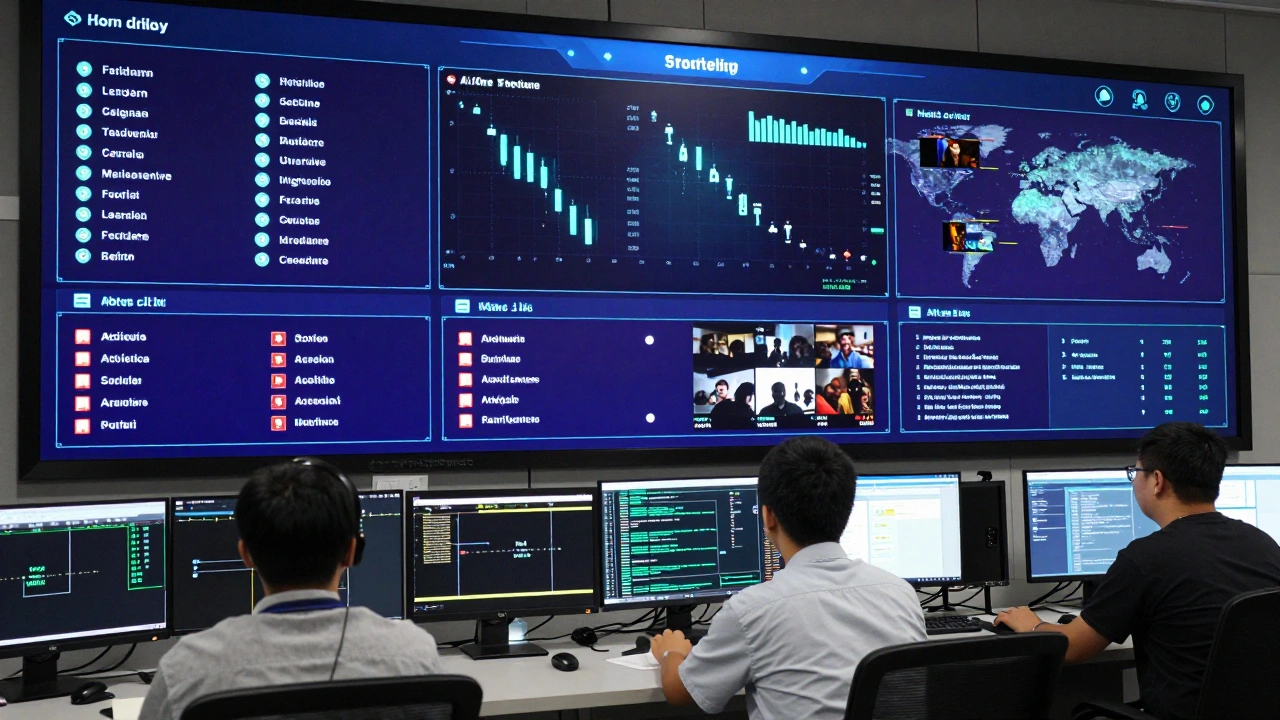
When a film leaks, the response is fast and brutal. Studios don’t wait for lawyers. They use automated systems to scan torrent sites, Reddit, Telegram channels, and even obscure forums in Russia and Brazil. Within minutes, takedown notices go out under the Digital Millennium Copyright Act (DMCA). But the damage is already done. A single leak can drop a film’s buzz, kill its box office potential, or even cause a festival to pull the film from competition.
In 2022, the indie film The Quiet Hour was leaked three days before its premiere at TIFF. The studio had spent $400,000 on marketing. Within 24 hours, the film had over 1.2 million downloads. The festival moved the premiere online, but ticket sales dropped 70%. The film’s distributor canceled its theatrical release entirely. That’s not just a loss of money-it’s a loss of momentum.
Studios now track not just the leak, but the ripple effect. Did the leak happen before critics saw it? Did it hit social media before the premiere? Was it a full version or a rough cut? Each scenario triggers a different response. A rough cut leak might be ignored. A final cut leaked to the public? That’s a crisis.
What Filmmakers Can Do
Independent filmmakers don’t have the budgets of major studios. But they still need protection. Here’s what works:
- Use festival-approved platforms only. Avoid sending files via Dropbox, Google Drive, or WeTransfer.
- Always watermark your screeners-even if the festival doesn’t require it.
- Limit access to trusted people. If you’re sending a screener to five reviewers, don’t include five friends.
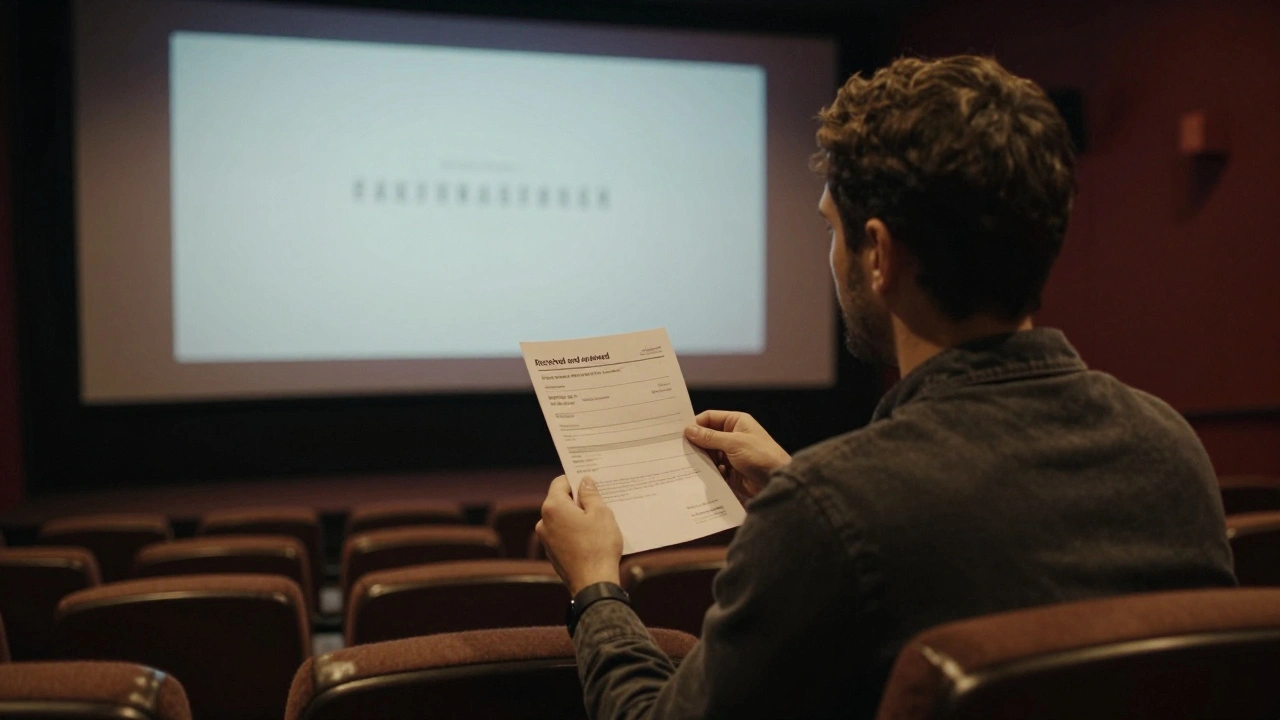
- Ask for confirmation. When someone receives a screener, have them reply with a simple “Received and reviewed” to confirm they got it and understand the rules.
- Don’t assume your film is too small to be stolen. In 2024, a micro-budget horror film shot on a smartphone leaked and became a viral sensation-before it even screened at a festival.
Some indie filmmakers now use blockchain-based verification tools like Mediachain or Verasity to track who accesses their work. It’s not foolproof, but it adds a layer of accountability.
The Human Factor
Technology can only do so much. The biggest vulnerability is still people. A 2024 survey of 300 festival staff found that 42% had received a screener via unsecured email. 28% admitted to sharing a link with someone outside the official list. Only 11% knew how to report a leak.
Training matters. Festivals like SXSW and Tribeca now require all staff, volunteers, and reviewers to complete a 15-minute security briefing before receiving a screener. It covers what’s allowed, what’s not, and how to report a breach. It’s not about suspicion-it’s about responsibility.
There’s also a cultural shift happening. In the past, sharing a screener was seen as a perk. Now, it’s seen as a violation. The industry is realizing that protecting a film isn’t just about money-it’s about respect. A filmmaker spends years on a project. A leak doesn’t just steal revenue. It steals the moment.
What’s Next
Future security is moving toward AI-driven monitoring. Systems like ContentGuard and Vobile now use machine learning to detect unauthorized uploads in real time. They scan for audio fingerprints, visual patterns, and even metadata anomalies. If a screener is uploaded to a new site, the system can flag it within seconds and auto-generate a DMCA notice.
Some companies are experimenting with blockchain-based access logs. Every time a screener is opened, the event is recorded on a tamper-proof ledger. If a leak happens, you don’t just know who had it-you know exactly when and where it was viewed.
But the real breakthrough might be simpler: fewer screeners. Some festivals are testing “invite-only” virtual screenings where only a handful of critics and distributors get access, and everyone else waits for the official premiere. It’s less convenient-but it’s safer.
Final Thoughts
Virtual screeners are here to stay. They’re faster, cheaper, and more flexible than physical DVDs or theater screenings. But security can’t be an afterthought. It has to be built into every step-from the moment a film is finished to the second it’s watched.
It’s not about trusting people. It’s about designing systems that make it hard to mess up. Watermarking, device locks, training, and strict access rules aren’t just tech-they’re the new standard. And for anyone who cares about the art of filmmaking, protecting the work isn’t optional. It’s essential.
Are virtual screeners safe from hackers?
Most leaks don’t come from hackers. They come from people who have authorized access and accidentally or intentionally share the file. While encryption and digital rights management help, the biggest risk is human error-like sending a link via email or using a personal device. Strong security systems reduce the chance of a breach, but they can’t stop someone who chooses to leak.
Can you record a virtual screener with a phone?
Some platforms block screen recording software on computers, but they can’t stop someone from holding a phone up to the screen. That’s why watermarking is critical-if a phone recording surfaces online, the embedded ID can still trace it back to the original recipient. Studios treat phone recordings as serious breaches, even if the quality is poor.
Do all film festivals use the same screener system?
No. Major festivals like Sundance and Cannes use enterprise platforms like FilmFlex or CineSend with advanced security. Smaller festivals might use simpler services like Vimeo with password protection. Independent filmmakers often rely on free tools, which increases risk. The level of protection depends on the budget and the film’s profile.
What happens if I accidentally share a screener?
If you accidentally share a screener, report it immediately to the festival or studio. Most have a confidential reporting line. Early disclosure can reduce penalties. Some platforms allow you to revoke access remotely. Ignoring it can lead to being banned from future festivals or legal action-even if you didn’t intend to leak it.
Why not just release films online instead of using screeners?
Releasing a film online early kills its festival run. Festivals are where films get buzz, critical reviews, and distribution deals. If a film is already available for free, no distributor will pay for it. Screeners are a controlled preview-not a release. They’re designed to build anticipation, not replace the experience.



Comments(5)