
Silence in film isn’t empty. It’s loaded. When a scene drops all music, ambient noise, and dialogue, something powerful happens. The audience leans in. Their minds fill the void. What you don’t hear often matters more than what you do.
Why Silence Feels Louder Than Sound
Think about the opening of There Will Be Blood. No score. No birds. Just wind over desert hills. You feel the isolation before Daniel Plainview even appears. That silence isn’t an accident-it’s a tool. Filmmakers use it to create tension, grief, awe, or dread. Silence forces viewers to pay attention to faces, gestures, and framing. Without sound to guide emotion, the image becomes the voice.
Studies in film psychology show that audiences process silent scenes more deeply. A 2022 analysis from the University of Southern California found that viewers retained 47% more emotional detail from silent sequences compared to those with heavy sound design. Why? Because silence removes distraction. Your brain stops waiting for the next cue and starts reading between the lines.
When Silence Replaces Dialogue
Modern films often rely on rapid dialogue to move the plot. But silent moments do the heavy lifting when words fail. In The Artist (2011), the entire story unfolds without spoken words. A character’s trembling lip, a slow blink, the way a hand lingers on a doorknob-these become the script. The audience doesn’t need subtitles to understand heartbreak. They feel it in the pause between breaths.
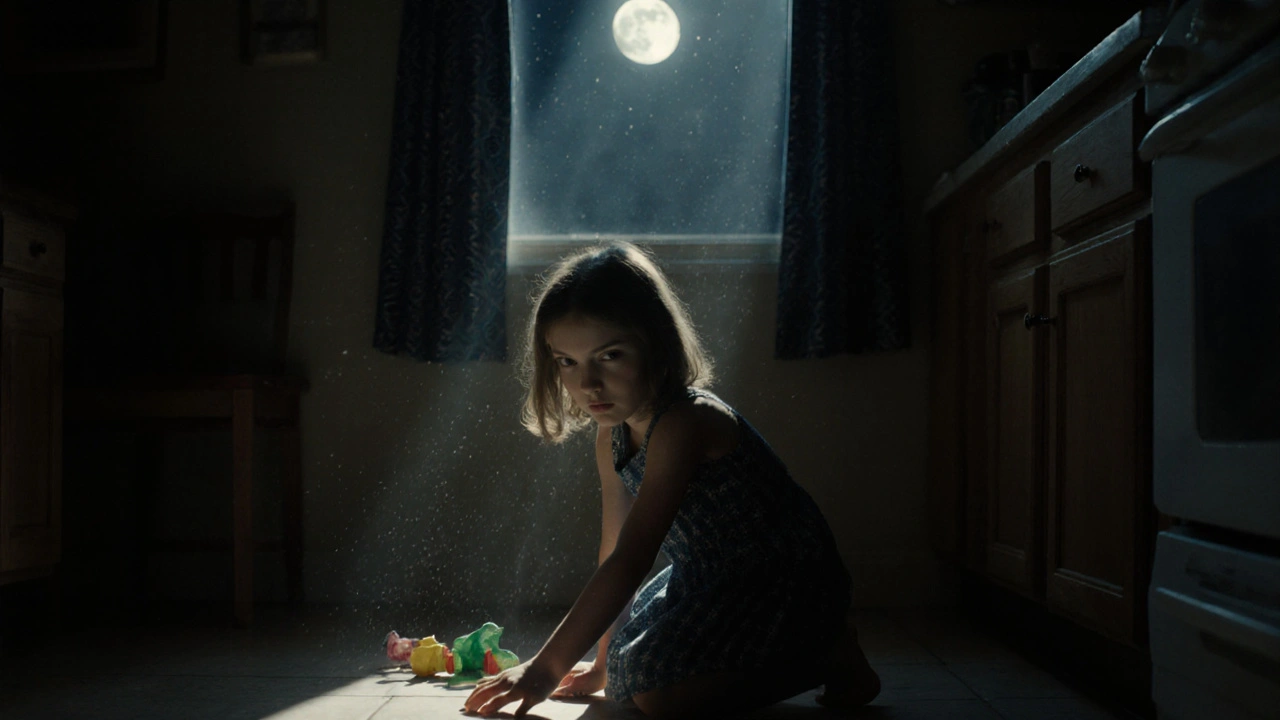
Same goes for A Quiet Place. The monsters aren’t the scariest part. It’s the fear of making a sound. Every footstep, every cough, every dropped toy becomes a potential death sentence. The silence isn’t just background-it’s the antagonist. You’re holding your breath along with the characters because the absence of noise is the only thing keeping them alive.
Contrast Makes Silence Powerful
Silence works best when it’s surrounded by sound. That’s why the most memorable silent moments come after loud ones. In Black Swan, after a chaotic, screeching ballet sequence, there’s a 12-second stretch where Nina sits alone in a bathtub. No water runs. No music. Just her ragged breathing. The silence doesn’t calm you-it makes you anxious. You’re waiting for the scream, the splash, the collapse. The quiet is the eye of the storm.
This contrast is why composers like Hans Zimmer use silence strategically. In Inception, the famous BRAAAM horn hits hard-but it’s the two seconds of silence right before it that make your chest tighten. That’s not editing. That’s psychology. Your brain anticipates the noise. When it doesn’t come, your body reacts. Silence becomes a weapon.
Historical Roots: The Silent Era’s Lasting Influence
Early cinema didn’t have synchronized sound. Films like The General (1926) and Metropolis (1927) told entire epics without spoken words. Directors relied on exaggerated expressions, title cards, and precise timing. But they weren’t limited by technology-they were elevated by restraint.
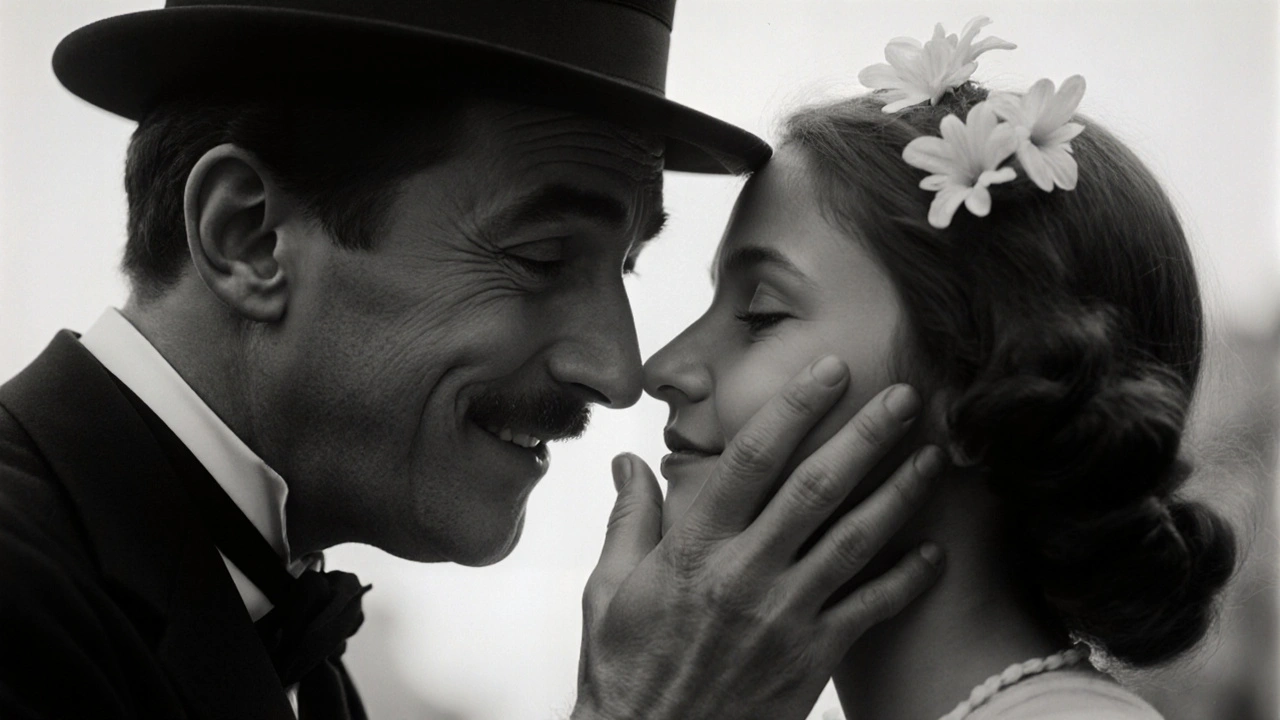
Charlie Chaplin’s City Lights (1931) was released after talkies took over. Yet it became one of his most beloved works. Why? Because the silence let the emotion breathe. The Tramp’s silent goodbye to the blind flower girl isn’t sad because of music. It’s sad because you see his hand tremble as he touches her cheek, knowing he can never tell her he loves her. No words needed. The silence carried the weight.
Modern filmmakers still study silent-era techniques. Christopher Nolan calls silent films the "ultimate editing exercise." You can’t hide bad pacing with a soundtrack. Every cut has to earn its place. That discipline still shapes how we tell stories today.
How Sound Design Uses Silence as a Character
Sound designers don’t just add noise-they remove it. The best ones treat silence like a character in the scene. In Gravity (2013), space is silent by physics. But the film makes you feel that silence as a physical force. When Sandra Bullock floats in the void, you hear nothing. No engine hum. No radio static. Just the sound of her own heartbeat-amplified, distorted, too loud. That’s not realism. That’s emotional manipulation.
Even in horror, silence is the first warning. In The Witch (2015), the forest never makes a sound. No wind, no insects, no animals. That unnatural quiet makes the audience feel watched. You start imagining footsteps that aren’t there. Silence doesn’t just hide threats-it creates them.
When Silence Fails
Not every silent moment works. Sometimes, silence feels like a mistake. A poorly timed pause can break immersion instead of deepening it. If a character stares into space for 10 seconds with no emotional buildup, viewers won’t feel tension-they’ll check their phones.
Silence needs context. It needs buildup. It needs a reason to exist. A director can’t just cut the sound and call it art. The moment must be earned. The camera must hold. The actor must convey everything without a word. That’s why silent scenes in bad films feel awkward. They’re empty. They’re not quiet-they’re dead.
Good silence is alive. It pulses. It breathes. It waits.
What You Can Learn from Silent Film
You don’t need to make a silent movie to use silence effectively. Whether you’re editing a YouTube video, shooting a commercial, or filming a short, the lesson is the same: don’t fill every second. Let the image speak. Let the actor’s eyes carry the emotion. Let the audience sit with the discomfort.
Try this: Next time you edit a scene, mute the audio for 30 seconds. Watch it without sound. What do you notice? Do the gestures feel stronger? Does the lighting tell a story? If the scene still works without noise, you’ve got something real.
That’s the power of silence. It doesn’t shout. It doesn’t beg for attention. It just waits. And when it finally speaks, the world listens.
Why is silence effective in film?
Silence works because it removes distraction and forces the audience to focus on visual cues-facial expressions, body language, lighting, and composition. Without sound to guide emotion, viewers engage more deeply, often projecting their own feelings into the empty space. Studies show people remember emotional details from silent scenes better than those with heavy sound design.
Can silence replace dialogue in modern films?
Yes, when done intentionally. Films like The Artist and A Quiet Place prove that dialogue isn’t necessary to convey complex emotion or plot. Silence can express loneliness, fear, love, or guilt more powerfully than words. The key is building emotional context so the absence of speech feels intentional, not accidental.
How do filmmakers use silence to build tension?
Filmmakers use silence to create anticipation. After a loud moment, removing sound makes the audience expect the next noise-whether it’s a scream, a crash, or a footstep. That waiting triggers anxiety. Silence also isolates characters, making them feel vulnerable. In horror and thriller genres, unnatural quiet often signals danger before anything is seen.
Is silence used more in indie films than blockbusters?
Not necessarily. Blockbusters like Gravity, Inception, and Mad Max: Fury Road use silence strategically to heighten impact. Indie films may use it more often because they rely on subtlety over spectacle. But the most powerful silent moments come from directors who understand pacing and emotion-regardless of budget.
What’s the difference between silence and lack of sound design?
Silence is a deliberate choice. It’s crafted to serve the story, mood, or character. Lack of sound design is an oversight-when audio is missing because it wasn’t thought through. Good silence has intention. Bad silence feels empty. One makes you feel something. The other makes you wonder what went wrong.
Can silence be too long in a film?
Yes, if it’s not earned. A silent moment that lasts too long without emotional or narrative purpose can feel boring or pretentious. Silence needs context: a build-up, a character’s internal state, or a visual cue that gives the audience something to hold onto. Otherwise, it’s not profound-it’s just empty.


Comments(10)