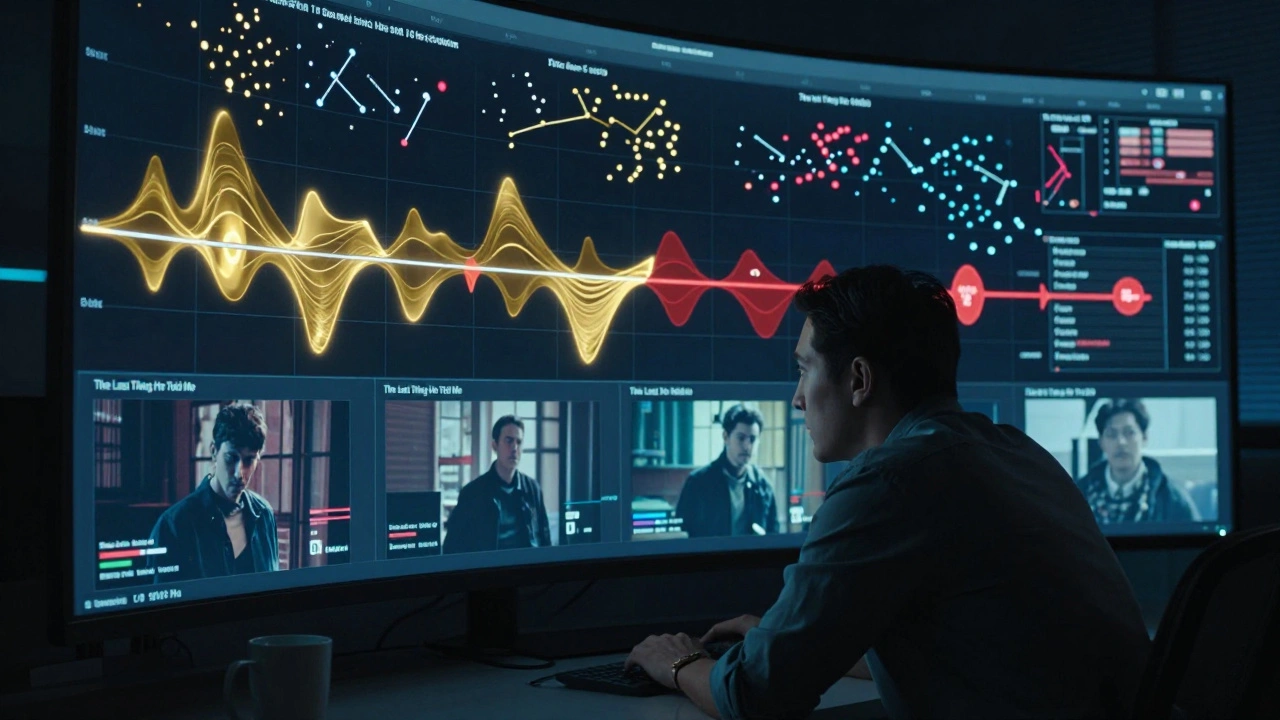
Five years ago, a studio executive would have looked at a script, talked to a few trusted producers, and made a call based on gut feeling. Today, that same executive opens a dashboard that shows exactly how many people watched the last three romantic comedies with a similar tone, how far into the film they dropped off, and which scenes got the most rewatched moments. The days of guessing what audiences want are over. Streaming platforms now make film decisions using hard data - and it’s changing everything about how movies get made.
What Gets Watched Matters More Than What Gets Pitched
Netflix, Amazon Prime, Apple TV+, and Disney+ don’t just collect data - they use it to decide which projects get the greenlight. It’s not about star power anymore. It’s not about a famous director’s last film. It’s about patterns. For example, when Netflix noticed that viewers who watched "The Woman in the Window" also binged "The Girl on the Train" and "Gone Girl", they didn’t just order a sequel. They commissioned a whole slate of psychological thrillers with female leads, set in urban environments, with twist endings that landed in the final 15 minutes. The script didn’t need to be perfect. The data said: people stick around for this.
Platforms track more than just completion rates. They watch rewatches. If a scene gets replayed five times in a row - like a quiet moment between two characters that feels emotionally real - that’s a signal. It means viewers connected. That’s why "The Last Thing He Told Me" added 12 minutes of silent, dialogue-free scenes in the second half. The original cut had strong completion numbers, but the rewatches told a different story: viewers wanted to sit in the quiet. So they gave them more of it.
How Metrics Shape Genre, Cast, and Even Runtime
Metrics don’t just influence whether a film gets made - they shape its DNA.
- Runtime: Amazon found that films under 90 minutes had 37% higher completion rates among viewers aged 18-34. Now, many of their original films are trimmed to 82-88 minutes. No more three-act structure padding.
- Cast: When Apple TV+ saw that viewers who watched "The Morning Show" also tuned into "Severance", they cast the same supporting actor in two upcoming thrillers - not because he was a star, but because his presence increased retention by 22% across both genres.
- Genre blends: Hulu noticed that audiences who liked "The Handmaid’s Tale" also watched "The Good Lord Bird". That led to "The Last Light", a dystopian period drama with religious symbolism and a Black lead - a combo no studio would have risked five years ago.
Even the color palette gets tested. One Netflix film had two versions: one with cool blues and grays, another with warm amber tones. The warm version had 41% higher viewer retention in the first 20 minutes. The studio switched palettes overnight.
The Death of the "Wide Release" Strategy
Remember when studios would drop a movie in 4,000 theaters and pray? That model is dead. Streaming platforms don’t need to open wide. They test in micro-segments.
For example, before greenlighting "The Quiet One", a quiet indie drama about a deaf gardener, Disney+ ran a 72-hour test in five U.S. cities with large Deaf communities. They tracked engagement, emotional response (via facial recognition in opt-in surveys), and whether viewers rewatched the sign language scenes. The data showed a 68% emotional spike during the final scene - and viewers in those cities shared the film 3x more than average. That’s not luck. That’s a strategy. The film went into production with a $12 million budget - and no theatrical release at all.
Platforms now treat global audiences like separate markets. A horror film might get a greenlight in Brazil because viewers there rewatched the jump scares 8 times on average. The same film might be shelved in Germany because viewers skipped the first 18 minutes. No one’s asking if it’s "artistic." They’re asking: Did it stick?
What’s Being Left Behind
This data-driven system isn’t perfect. It’s creating a new kind of homogeneity.
Think about it: if every film must have a twist in the last 15 minutes, a strong female lead, and a runtime under 90 minutes - what happens to the slow-burn character studies? The experimental narratives? The films that need time to breathe?
Some filmmakers are adapting. Others are leaving. A director in Austin told me his script - a 2-hour, single-location drama with no dialogue for 40 minutes - got rejected because the algorithm flagged it as "high drop-off risk." He’s now making short films for TikTok. "I used to dream of Sundance," he said. "Now I dream of 100K views in 24 hours."
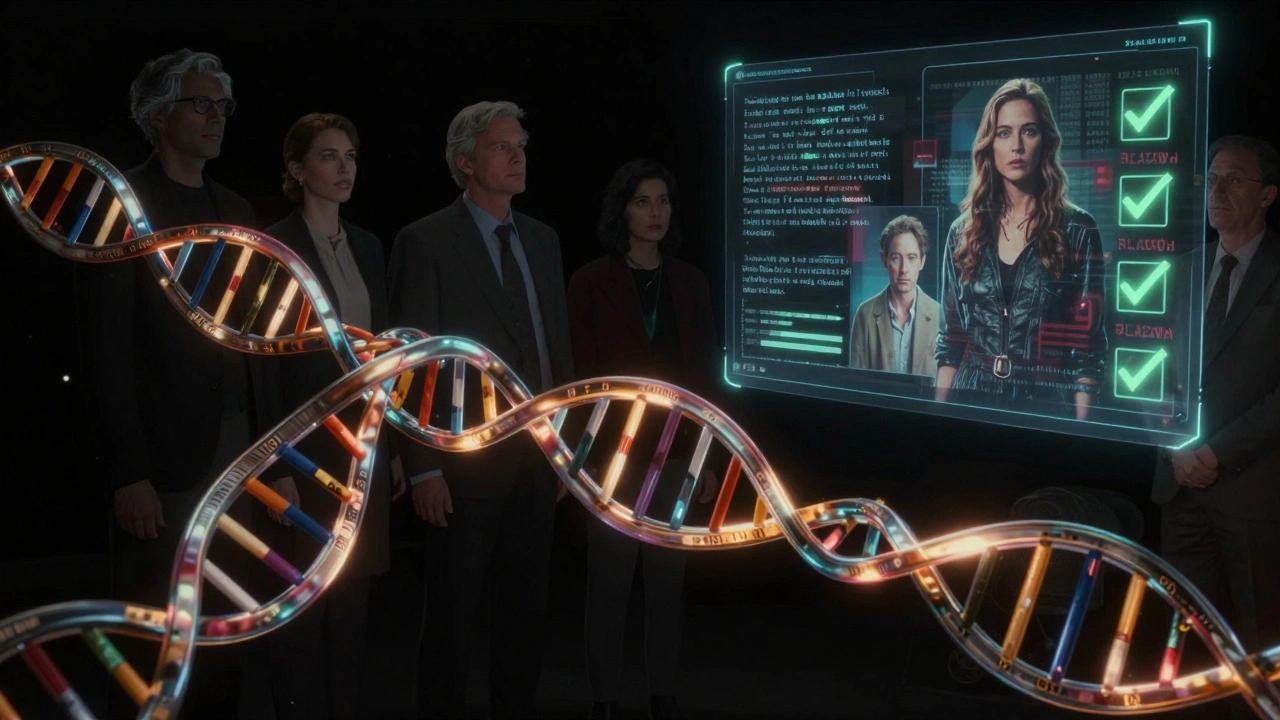
Even casting is changing. Audition tapes are no longer judged by intuition. Platforms now use AI to analyze micro-expressions during screen tests. If a candidate’s eyebrow twitch during a line of dialogue correlates with high emotional retention in past performances, they get the role - even if they’re unknown.

The New Power Players
The real power isn’t with the directors or stars anymore. It’s with the data scientists.
At Netflix, there’s a team called "Content Intelligence" - 87 people who analyze every second of every film. They don’t just count views. They map emotional arcs. They correlate viewer demographics with behavioral spikes. They’ve built predictive models that can forecast a film’s completion rate with 89% accuracy before it’s even shot.
These teams don’t replace creative people. They change how creativity gets funded. A writer might pitch a script about a time-traveling librarian. If the data says viewers who liked "Dark" and "Arrival" also watched "The Midnight Library", then the pitch gets greenlit. If not? It goes into the "maybe next year" pile.
That’s why you’re seeing more films that feel familiar. Not because studios are lazy. Because they’re being told, by numbers, what works. And those numbers don’t lie.
What This Means for the Future of Film
The future of cinema isn’t about big budgets or A-listers. It’s about alignment. Alignment between viewer behavior and storytelling.
Platforms will keep refining their models. Soon, they’ll be able to predict not just whether a film will be watched - but which scenes will be memes, which lines will go viral, and which characters will inspire fan art. That’s not just data. That’s influence.
And while some fear this will kill originality, others see opportunity. The most successful filmmakers now aren’t the ones who chase trends. They’re the ones who understand the data well enough to bend it. They use metrics as a compass - not a cage.
One indie producer in Asheville started using platform data to find underserved audiences. She noticed that viewers in rural Ohio were bingeing foreign-language dramas with slow pacing. So she made a film in Appalachian English with no subtitles. It became the most-watched original on Peacock last year. The data didn’t tell her what to make. It told her who was waiting for it.
The tools have changed. But the goal hasn’t: tell a story people can’t look away from. The difference now? You know, before you shoot, if they’ll stay.
Do streaming platforms only make movies based on what’s already popular?
Not exactly. They use data to find patterns, not just copy hits. For example, if viewers who liked "The Queen’s Gambit" also watched foreign-language period dramas, platforms might greenlight a new historical drama with a similar tone - even if it’s about a completely different subject. It’s about emotional resonance, not repetition.
Can a film fail even if it has big stars?
Yes. In 2024, a film starring two Oscar winners was pulled from release after early data showed 62% of viewers dropped off by minute 17. The stars were beloved, but the pacing didn’t match viewer behavior patterns. The film was shelved. No one ever saw it.
Do viewers know they’re being tracked?
Most don’t. Platforms collect data on what’s watched, when it’s paused, how often scenes are rewound, and even how long someone stares at a character’s face during emotional moments. This is done through opt-in analytics, but very few users read the fine print. The data is anonymous, but it’s incredibly detailed.
Are smaller platforms using the same methods as Netflix and Amazon?
Yes, but on a smaller scale. Platforms like Peacock, Paramount+, and Apple TV+ use similar systems, though they have less historical data. That’s why they’re often more experimental - they need to find niches fast. That’s also why you’re seeing more unusual films from Apple TV+ - they’re betting on data signals from small, loyal audiences.
Will this lead to more diversity in films?
It already has - but not always in the way you’d expect. Data doesn’t care about identity. It cares about behavior. So if viewers in Nigeria, Sweden, and Ohio all respond strongly to a film with a Black lead and a rural setting, that’s the film that gets made. Diversity isn’t forced - it’s discovered through patterns. That’s why you’re seeing more authentic stories from underrepresented communities: because the data says they’re watched - and shared.






Comments(5)