Documentary isn’t just about truth-it’s about how we’ve tried to capture it, frame it, and share it over the last century. What started as grainy footage of factory workers or a ship sailing has become a global industry where anyone with a smartphone can make a film that reaches millions. But the path from John Grierson’s 1920s Britain to Netflix’s algorithm-driven documentaries? It’s not just tech upgrades. It’s a story of power, politics, and shifting ideas about what counts as real.
John Grierson and the Birth of the Documentary
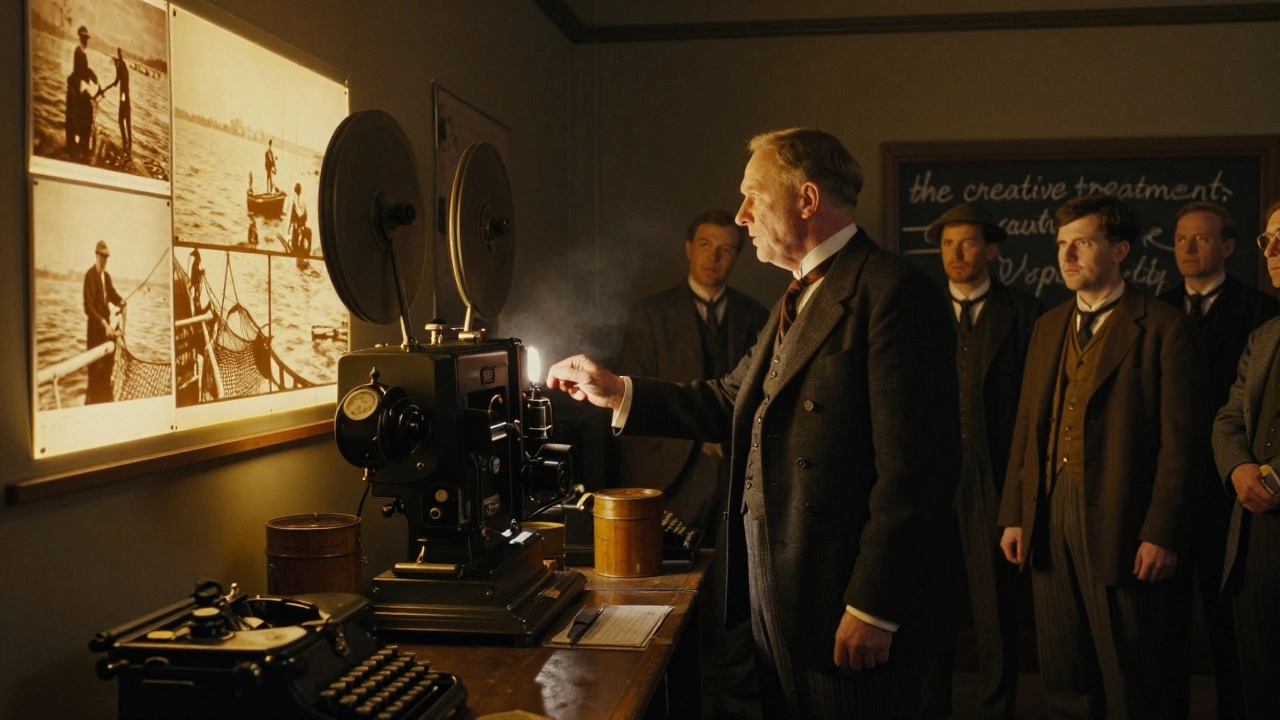
In 1926, a young Scottish filmmaker named John Grierson watched Robert Flaherty’s Nanook of the North. He didn’t just see a film-he saw a new kind of cinema. Grierson coined the word "documentary" in a review, calling it "the creative treatment of actuality." He wasn’t just naming a genre; he was defining a mission. For Grierson, documentaries weren’t passive records. They were tools for social change. His 1929 film Drifters, about North Sea herring fishermen, didn’t just show work-it made the audience feel the cold, the exhaustion, the dignity of labor.
Grierson led the British Documentary Movement, funded by government agencies and corporations. He believed film could educate the public, shape national identity, and even improve public health. His team, including filmmakers like Basil Wright and Humphrey Jennings, made films that were poetic, rhythmic, and deeply human. They used real people, real places, and real time-but edited them like poetry. That tension-between truth and art-still defines documentaries today.
The Cold War and the Rise of Direct Cinema
By the 1950s, Grierson’s model felt too polished, too controlled. In the U.S., a new wave of filmmakers wanted rawness. They dropped the voiceovers, the staged scenes, the orchestral scores. Enter Direct Cinema: no interviews, no narration, just a camera and a crew watching life unfold.
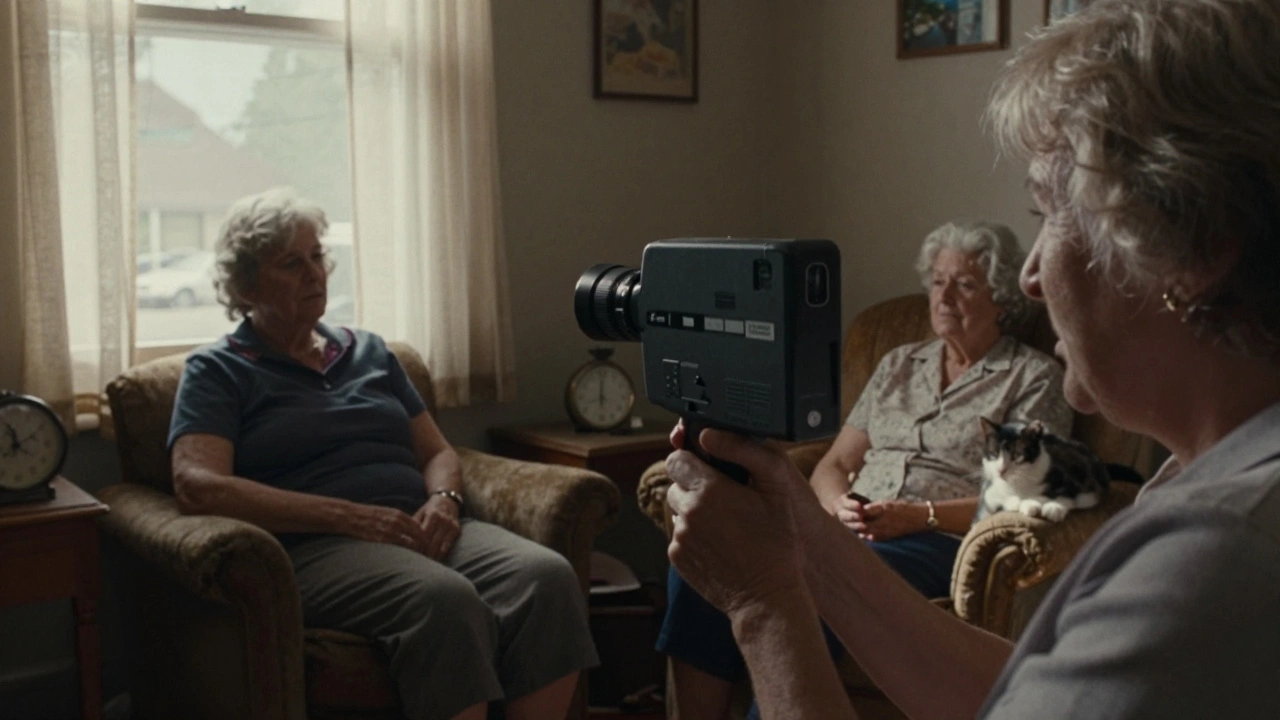
Tools changed. Lightweight 16mm cameras and portable sync-sound recorders let filmmakers follow subjects into homes, hospitals, and protest lines. Films like Primary (1960), following JFK and Hubert Humphrey during the Wisconsin primary, or Grey Gardens (1975), about a mother and daughter living in a decaying mansion, didn’t ask questions-they observed. The audience was left to draw their own conclusions.
These films didn’t just change technique-they changed ethics. Was it okay to film someone without their full consent? What if the camera changed behavior? These questions still haunt documentary makers. A filmmaker today filming a homeless person on the street still wrestles with the same dilemma: do you capture reality, or do you create it?
The 1980s-2000s: Personal Stories and Political Exposés
By the 1980s, public funding for documentaries dried up in many countries. Independent filmmakers turned to cable TV and festivals. PBS’s Frontline became a trusted name for investigative work. Meanwhile, filmmakers like Michael Moore began using themselves as characters-Roger & Me (1989) wasn’t just about General Motors closing factories; it was about Moore’s own frustration, anger, and humor.
Moore’s success opened the door. Documentaries became events. March of the Penguins (2005) made penguins box-office stars. Super Size Me (2004) turned a 30-day McDonald’s diet into a cultural moment. And The Fog of War (2003) turned former U.S. Secretary of Defense Robert McNamara into a haunting, introspective narrator.
These weren’t just films-they were conversations. People talked about them at work, on social media, in classrooms. The line between documentary and entertainment blurred. Was Jiro Dreams of Sushi (2011) about food, or about obsession? Was Blackfish (2013) about orcas, or about corporate accountability? The answer was both.
The Streaming Revolution: Algorithms, Access, and Attention
By 2015, Netflix, Hulu, and Amazon Prime were pouring billions into documentaries. Suddenly, films that once played in ten theaters could reach 100 million homes. 13th (2016), My Octopus Teacher (2020), Don’t Look Up (2021)-these weren’t niche. They were global.
But streaming changed more than distribution. It changed pacing. Documentaries now often follow TV season structures: three acts, commercial breaks, cliffhangers. The best ones-like The Social Dilemma (2020)-use dramatic reenactments, animated graphics, and expert interviews to keep viewers hooked. They’re designed for bingeing, not reflection.
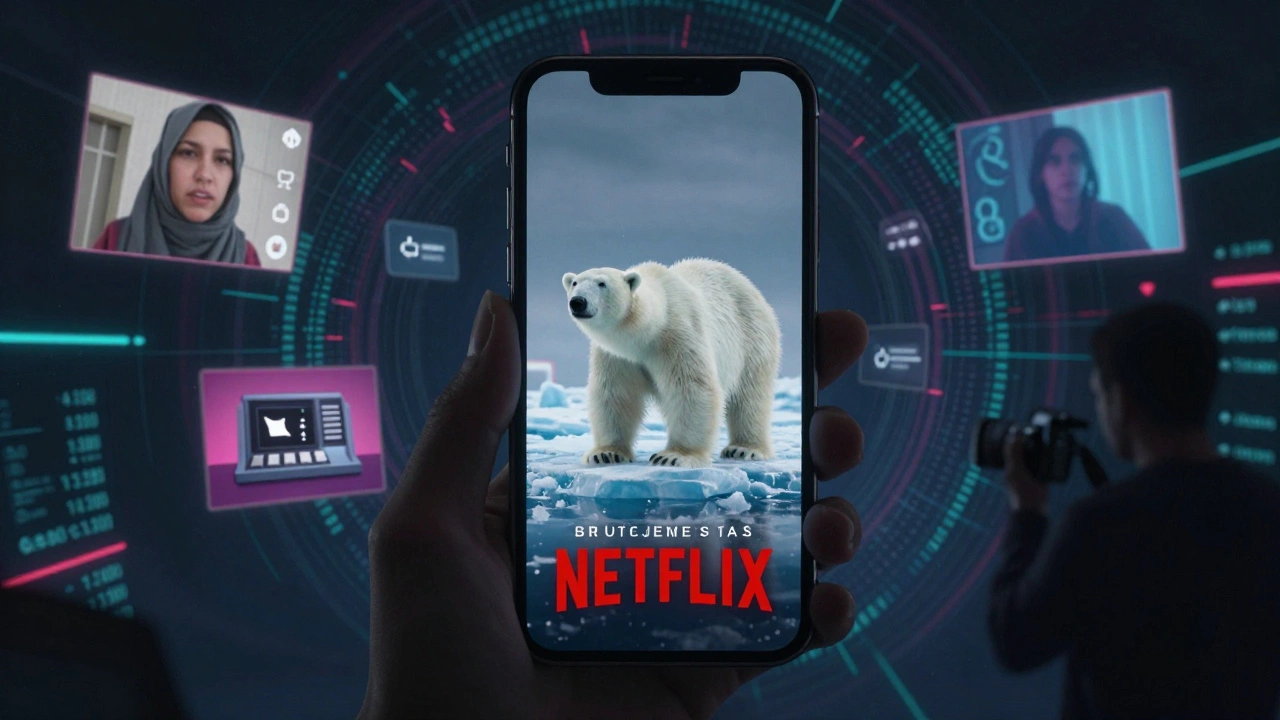
And the algorithm doesn’t care about truth-it cares about clicks. A documentary about climate change might get pushed if it has a shocking image of a polar bear. A film about a missing person might rise because it has emotional music and a grieving mother on the cover. The most viral docs aren’t always the most accurate. They’re the most *feelable*.
At the same time, accessibility has never been higher. A teenager in Nairobi can watch Paris Is Burning (1990) on their phone. A grandmother in rural Ohio can learn about the history of the American prison system through a 45-minute Netflix special. But with access comes overload. There are so many documentaries now that audiences don’t know where to start.
Who Gets to Tell the Story?
Early documentaries were mostly made by white, Western men. Grierson’s team? Mostly British. Direct Cinema? Mostly American men with cameras. Even today, the most awarded documentaries come from a narrow slice of the world.
But that’s changing. Indigenous filmmakers are telling stories their communities have long been silenced about. Whale Rider (2002) and Our People Will Be Healed (2017) aren’t just films-they’re acts of cultural reclamation. Women directors are reshaping narratives: Daughters of the Dust (1991), My Name Is Pauli Murray (2021), She Said (2022). LGBTQ+ filmmakers are centering queer joy, not just trauma.
Streaming platforms have made it easier for these voices to be heard. But they also commodify them. A documentary about a marginalized community might get funded because it’s "diverse," not because it’s deeply understood. The danger isn’t just exploitation-it’s tokenism. When a story becomes a trend, its meaning gets diluted.
What’s Next?
Documentaries today are everywhere: TikTok, YouTube, Instagram Reels. A 90-second clip about a factory worker’s daily routine can go viral. A 10-minute explainer on YouTube can spark a national conversation. The format is shrinking-but the impact isn’t.
AI is starting to edit documentaries, too. Algorithms can now analyze footage, tag emotional moments, and even suggest cuts. Some filmmakers are using it. Others are terrified. Can a machine understand the weight of silence? The power of a paused breath?
The core question hasn’t changed since Grierson: what is truth, and who gets to define it? Today, we have more tools than ever. More voices. More access. But also more noise, more manipulation, more distraction.
The best documentaries still do what Grierson intended: they make us feel something real. They don’t just show us facts. They make us care. Whether it’s a 1930s film about fishermen or a 2026 short on a refugee’s phone call home-the goal is the same. To remind us that behind every statistic is a human story.
Who is John Grierson and why is he important in documentary history?
John Grierson was a Scottish filmmaker and critic who coined the term "documentary" in 1926. He led the British Documentary Movement and believed film could be a tool for social change. His 1929 film Drifters showed the lives of North Sea fishermen with poetic realism, blending fact and art. Grierson’s vision-documentaries as "the creative treatment of actuality"-laid the foundation for all nonfiction film that followed.
What is Direct Cinema and how did it differ from Grierson’s style?
Direct Cinema emerged in the 1960s as a reaction to Grierson’s more polished, narrated style. While Grierson used voiceovers, music, and staged scenes to shape meaning, Direct Cinema filmmakers used lightweight cameras and sync sound to observe life without interference. They avoided interviews, narration, and manipulation. Films like Primary and Grey Gardens let viewers draw their own conclusions, making the audience active participants rather than passive recipients.
How has streaming changed documentary filmmaking?
Streaming platforms like Netflix and Hulu have turned documentaries into mass entertainment. They’ve increased access, funding, and viewership-millions now watch docs that once played in small theaters. But they’ve also changed pacing, structure, and priorities. Docs are now designed for bingeing, with cliffhangers, reenactments, and emotional hooks. Algorithms favor click-worthy moments over nuanced truth, and stories from marginalized communities are sometimes funded for diversity metrics rather than depth.
Are modern documentaries more truthful than older ones?
No-truth in documentary has always been negotiated, not absolute. Early films like Nanook of the North staged scenes to fit a narrative. Modern docs use reenactments, selective editing, and emotional music to guide viewers. The difference isn’t honesty-it’s transparency. Today’s best docs often acknowledge their subjectivity. The challenge isn’t to eliminate bias, but to make it visible and accountable.
Who are some influential modern documentary filmmakers?
Ava DuVernay’s 13th exposed mass incarceration in the U.S. Josh Oppenheimer’s The Act of Killing let perpetrators of genocide reenact their crimes. Raoul Peck’s I Am Not Your Negro used James Baldwin’s writings to dissect American racism. These filmmakers don’t just report-they challenge. Their work proves that documentaries today can be both deeply personal and globally urgent.
What to Watch Next
If you’re curious about where documentary film is headed, start here:
- My Octopus Teacher (2020) - A personal, immersive story that became a global phenomenon.
- Navalny (2022) - A political thriller made with smuggled footage and real-time risk.
- Good Night Oppy (2022) - A NASA rover’s story told with animation and emotion.
- Decoding the Viral (2025) - A short-form doc series on TikTok about misinformation and truth.
The history of documentary isn’t just about cameras and editing. It’s about who gets to speak, who gets to be seen, and who decides what’s real. That conversation is still being written-one frame at a time.


Comments(10)