Queer documentary films aren’t just stories on a screen-they’re tools that change laws, shift public opinion, and save lives. In the last decade, films like Paris Is Burning, The Death and Life of Marsha P. Johnson, and Crip Camp didn’t just get watched-they sparked movements, influenced legislation, and forced institutions to respond.
How Queer Documentaries Become Catalysts for Change
Most people think documentaries are passive observations. But queer documentaries are different. They don’t wait for permission to speak. They take up space where silence was enforced. When Paris Is Burning came out in 1990, it showed the ballroom scene as a survival system for Black and Latinx LGBTQ+ youth. It wasn’t just fashion and dance-it was family, identity, and resistance. By the mid-2010s, city councils in New York and Los Angeles used footage from the film to justify funding for transgender youth shelters. That’s not coincidence. That’s impact.
These films work because they make abstract struggles visible. A statistic like “40% of homeless youth are LGBTQ+” doesn’t stick. But seeing a 17-year-old Marsha P. Johnson dancing in the street after being thrown out of her home? That sticks. That makes people ask: Why does this keep happening?
From Screen to Statehouse
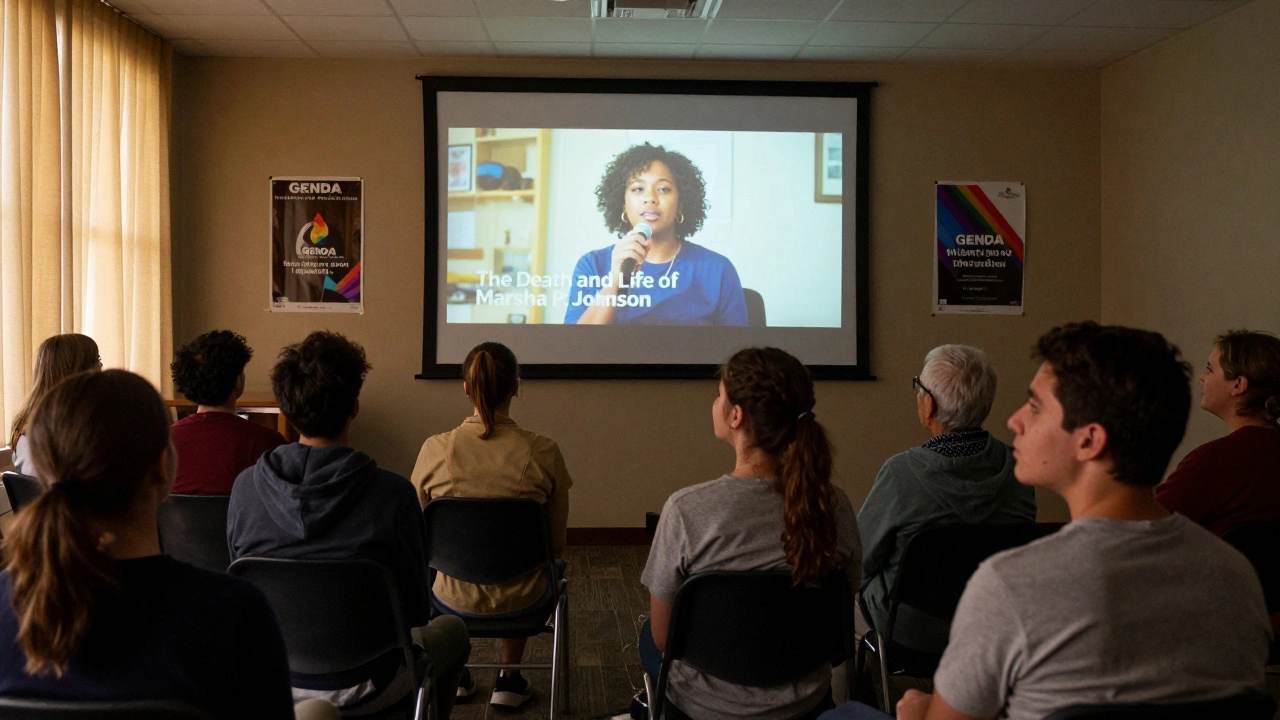
In 2018, the documentary The Death and Life of Marsha P. Johnson was screened in the New York State Assembly. Lawmakers were preparing to vote on the Gender Expression Non-Discrimination Act (GENDA). A representative who had voted against similar bills in the past said after watching it: “I didn’t understand what trans people went through until I saw her face.” GENDA passed six months later.
That’s not an isolated case. In 2021, a Texas school board reversed its ban on LGBTQ+ books after a community screening of Disclosure, a documentary on trans representation in media. In Australia, the film Queer Japan was shown in parliament during debates on same-sex marriage legalization. Legislators cited it in speeches. One said, “These are not abstract identities. These are our neighbors, our teachers, our doctors.”
Documentaries bypass traditional media filters. They don’t need approval from news editors or advertisers. They go straight to the people-and sometimes, directly to the people in power.
The Power of Personal Testimony
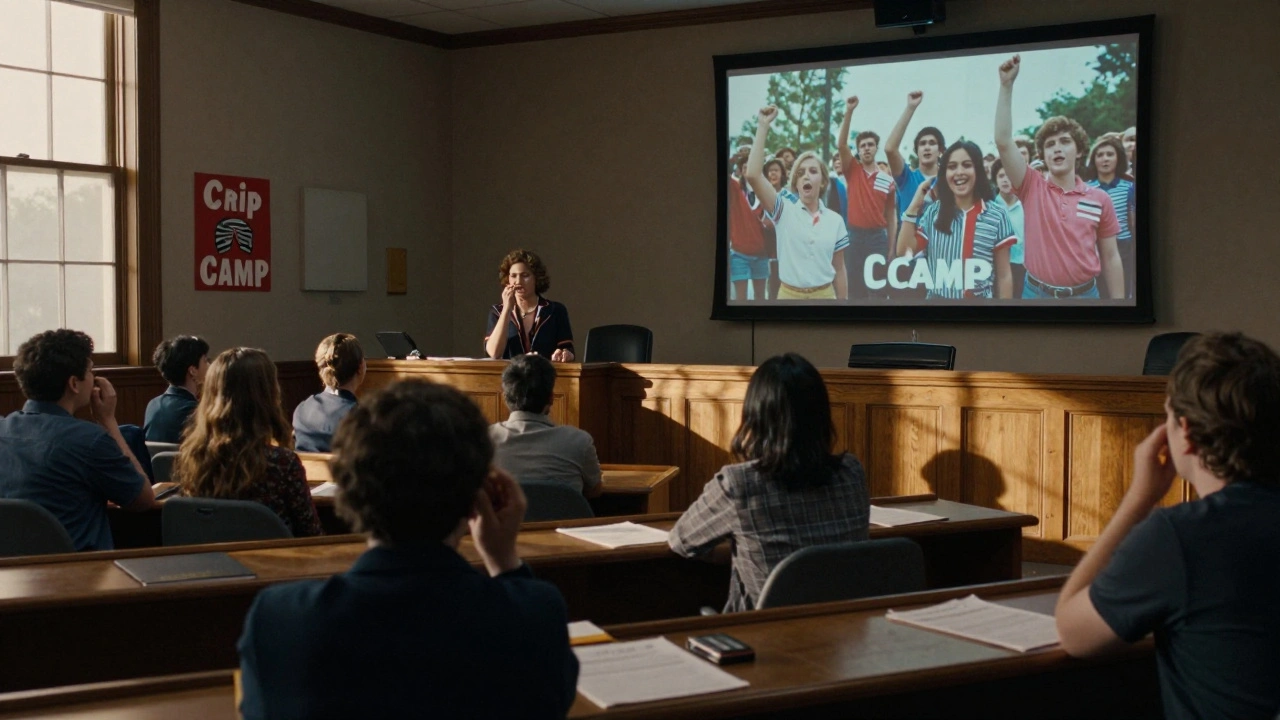
What makes queer documentaries so effective is their reliance on lived experience. Unlike news reports or academic papers, they let people speak in their own voices. In Crip Camp, a group of disabled teens-including queer and trans youth-organize protests in the 1970s. Their raw, unfiltered anger and joy became the blueprint for the Americans with Disabilities Act. Disability rights advocates still use clips from the film in training sessions for new legislators.
When someone says, “I’m not trans, but I know my cousin,” it’s not the same as hearing a trans person say, “I was denied healthcare because I didn’t fit their binary form.” The latter doesn’t just inform-it unsettles. And that’s when change begins.
How These Films Get Made-and Who Stops Them
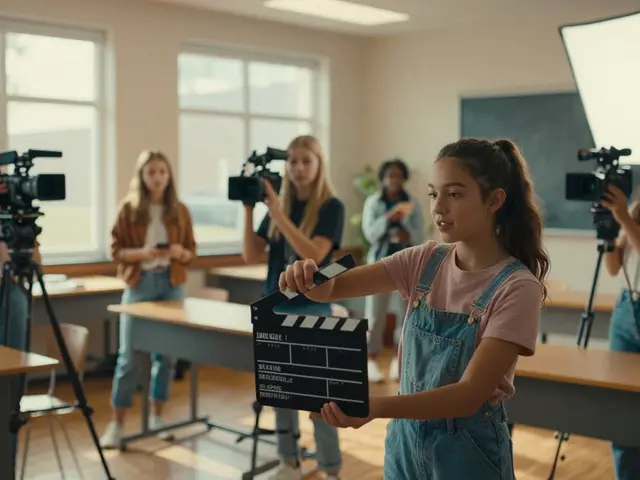
Getting a queer documentary made isn’t easy. Funding is scarce. Many filmmakers rely on crowdfunding, grants from LGBTQ+ foundations, or personal savings. In 2023, a film about intersex youth in Brazil was rejected by five major distributors because the subject was “too niche.” The team raised $87,000 on Kickstarter in 11 days. They screened it in 47 schools across Brazil. Within a year, two states passed laws requiring intersex education in health classes.
But opposition is real. In 2022, Florida’s “Don’t Say Gay” law made it harder for schools to show queer documentaries. Some filmmakers responded by releasing their films online for free, then organizing community watch parties in churches, libraries, and community centers. The film Out of the Past, about LGBTQ+ veterans, was shown in over 300 towns in red states-often without permission from school boards. The backlash? More media coverage. More policy discussions. More votes.
What Makes a Queer Documentary Effective?
Not every film about queer lives moves policy. The ones that do share a few key traits:
- Center real people, not experts. Interviews with activists, survivors, and youth carry more weight than talking heads in suits.
- Include data-but make it human. A graph showing rising suicide rates among trans teens is powerful. But showing a teen’s journal entries about feeling invisible? That’s unforgettable.
- End with action. The best films don’t just ask viewers to feel-they tell them what to do. “Call your rep.” “Donate here.” “Watch this with your family.”
- Don’t sanitize. Queer lives aren’t always pretty. They’re messy, angry, joyful, and defiant. Films that try to make them palatable to straight audiences lose their edge-and their power.
Look at How to Survive a Plague. It didn’t sugarcoat the AIDS crisis. It showed protesters vomiting from medication side effects, families burying children, and activists breaking into FDA offices. It didn’t just raise awareness-it forced the government to change drug approval timelines. The result? Thousands of lives saved.
Where the Movement Is Headed
Today, queer documentaries are expanding beyond Western narratives. Films like My Name Is Aisha (Pakistan), Queer Africa (Uganda), and Trans in Taiwan are showing that resistance isn’t just a Western phenomenon. These films are being screened in embassies, UN panels, and international human rights courts.
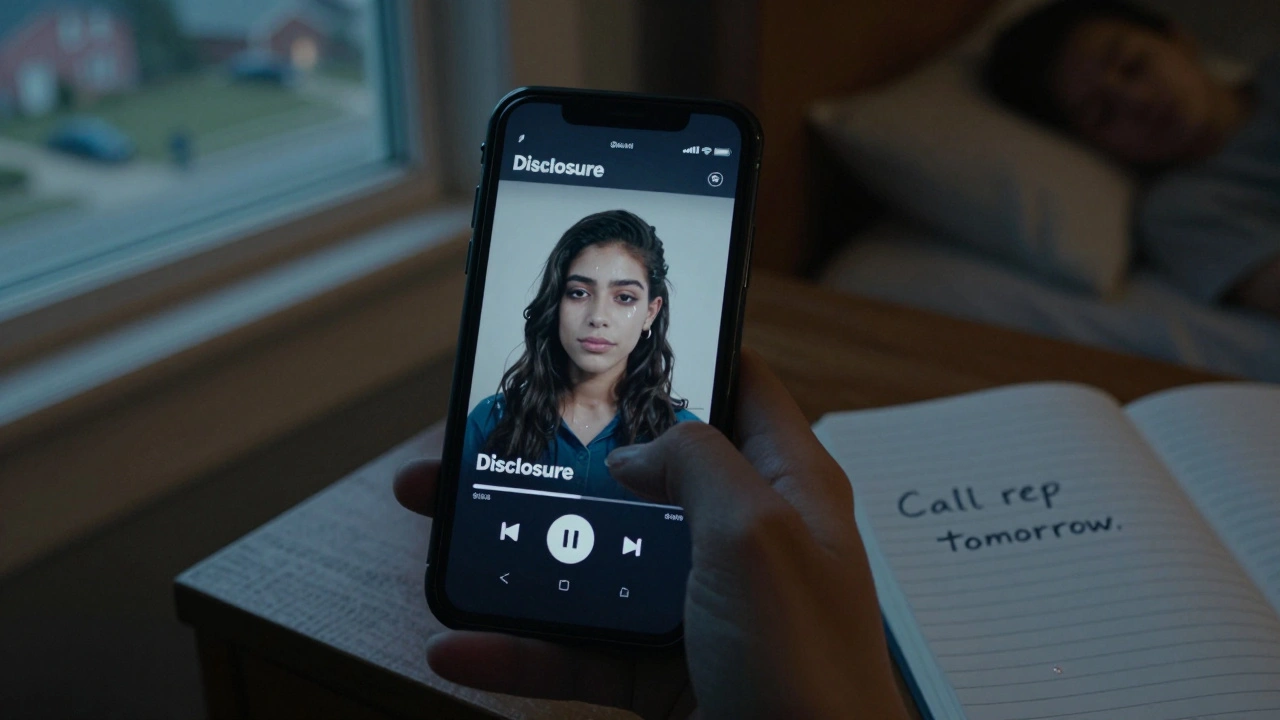
Streaming platforms now have dedicated LGBTQ+ documentary hubs. Netflix, HBO, and Apple TV+ have increased funding for these projects by 200% since 2020. But the real change isn’t in the algorithms-it’s in the living rooms. A teenager in Ohio watches Disclosure on their phone. They show it to their mom. The mom calls the school board. The school adds gender identity training. That’s the chain reaction.
What You Can Do
You don’t need to be a filmmaker to help. Here’s how:
- Watch queer documentaries and talk about them. Don’t just post a hashtag-ask someone why it mattered to you.
- Host a screening in your community. Libraries, churches, and even book clubs are open to it.
- Donate to indie queer filmmakers. Sites like Seed&Spark and Kickstarter fund these projects.
- Push your local school or university to include queer documentaries in their curriculum.
- Write to your representative. Say: “I saw ___. It changed how I see this issue. Will you support policy X?”
Change doesn’t always come from rallies. Sometimes, it comes from a quiet moment when someone watches a film and says, “I didn’t know that.” And then they do something about it.
Can queer documentaries really change laws?
Yes. Documentaries like The Death and Life of Marsha P. Johnson and Crip Camp have been screened in legislative chambers and directly influenced the passage of anti-discrimination laws in New York, Texas, and Australia. They make abstract issues personal, which shifts public opinion-and that pressure leads to policy.
Why are queer documentaries more effective than news reports?
News reports often rely on experts, statistics, and detached language. Queer documentaries center real people telling their own stories. A 15-year-old trans kid describing being kicked out of their home affects viewers differently than a headline saying “LGBTQ+ youth homelessness rises.” Emotion drives action, and personal testimony creates empathy that data alone can’t.
Are these films only for LGBTQ+ audiences?
No. The most impactful queer documentaries are made for everyone. They’re tools to educate, challenge assumptions, and build bridges. When straight allies watch Paris Is Burning and understand ballroom culture as survival, not entertainment, it changes how they vote, speak, and advocate. The goal isn’t to preach to the choir-it’s to reach the undecided.
How can I support queer documentary filmmakers?
Watch their films, share them with friends, host community screenings, donate to crowdfunding campaigns, and ask your local library or school to include them in programming. Many indie filmmakers rely on grassroots support-funding from platforms like Kickstarter or Seed&Spark. Your attention and dollars directly help them keep making films.
Do these films face censorship?
Yes. In states like Florida and Texas, laws have made it harder to show queer documentaries in schools. But filmmakers have responded by releasing films for free online and organizing community screenings in churches, libraries, and homes. The backlash often brings more attention, turning censorship into a platform for wider exposure.



Comments(10)